
Sudan

The Land of the Nubian Pyramids
About
#Africa
#Sudan
#Culture
#TravelSudan
Life Classification
Country
Life ID
EL2815553426654
Verified Name
sudan
Life Type
Entity Life
Life Editor(s)
History Editorial Network (HEN)
Life Privacy
Public
Subscription
Elite
Created On
2024-09-02
Updated On
2026-02-23
Connect
Related Lives

Angola
Land of contrasts, from bustling cities to breathtaking landscapes.

Roman Republic
Res Publica Romana

President of the Republic of Panama
Head of the State

Liechtenstein
The Jewel of the Alps

Ireland
The Emerald Isle

Portugal
The Land of Explorers

China
Land of Silk

Arkansas
The Natural State

2019
The Transitional Military Council (TMC) and the Forces of Freedom and Change (FFC) signed a power-sharing agreement. This marked a crucial development in Sudan's political landscape. The backdrop of this agreement involved months of protests, where citizens expressed their dissatisfaction with long-standing rule marked by economic hardship and political repression. The ousting of the long-time President through a military coup accentuated the instability, prompting further demands for a civilian-led government.
The agreement outlined a 39-month transition period to a fully civilian administration. It included the formation of a Sovereign Council, composed of both military and civilian members, to act as the collective head of state. The arrangement designated the initial leadership of the Council to a military representative, to be later succeeded by a civilian leader, ensuring a balance and gradual shift of power.
Key provisions included the establishment of a Legislative Council, with a significant portion of its members coming from the FFC. The deal also emphasized the implementation of judicial and economic reforms, and measures for peace-building in conflict regions. The agreement was witnessed by international entities, signaling global support for Sudan's path to democracy.
The impact of this agreement was multi-faceted. It provided a framework for ending months of civil unrest and set the stage for institutional reforms. This initiative aimed to address longstanding issues like corruption, economic management, and human rights violations. By committing both military and civilian entities to a shared governance model, the deal sought to mitigate risks of authoritarian resurgence while fostering inclusive governance.
Data presented by observers indicated that the general populace exhibited guarded optimism, with hopes tempered by caution due to previous experiences with political transitions. Analysts noted that the effective implementation of the agreement's terms would be critical in determining its success and fostering long-term stability in Sudan.
#Sudan #TransitionalGovernment #CivicChange #FFC #TMC #PoliticalAgreement #MoofLife
View detailsThe ousting of President Omar al-Bashir in Sudan occurred following a series of anti-government protests that had begun several months earlier. These protests were initially triggered by the government’s decision to triple the price of bread, but quickly escalated into calls for al-Bashir to step down after a nearly three-decade-long rule.
Sustained demonstrations took place across Sudan, with the capital, Khartoum, becoming the epicenter of the movement. The protestors organized sit-ins, marches, and were often met with violent crackdowns from security forces. According to estimates, hundreds were killed and thousands were injured in the confrontations that ensued. Despite the heavy-handed response, the persistence and scale of the protests only grew stronger, eventually garnering international attention and support.
The situation reached a critical juncture when military leaders intervened, placing al-Bashir under house arrest. This move came after pressure from within the armed forces, who themselves were witnessing defections and growing sympathetic towards the demonstrators. The military then assumed control, announcing that a transitional period would be implemented, aiming at restoring a civilian-led government.
Al-Bashir’s ousting marked the end of his 30-year rule, a regime characterized by allegations of corruption, economic mismanagement, and human rights abuses. With him gone, a Transitional Military Council (TMC) took over, promising to facilitate a pathway to democratic elections. However, this transition was not smooth. Protestors continued to demand quicker and more substantial reforms, wary of the military’s intentions.
This moment is a critical episode in Sudan’s history, as it transitioned from autocratic rule towards a hope for democracy. It exemplified the powerful impact of grassroots mobilization and signaled a potential shift in the political landscape of the region. The removal of al-Bashir was not just an isolated incident but part of a broader movement pushing for societal change in Sudan.
#SudaneseRevolution #OmaralBashir #GrassrootsMovement #Sudan #MoofLife
View details
2011
South Sudan's independence marked the culmination of decades of conflict and political friction between the north and south of Sudan. The protracted civil war, characterized by ethnic disparities, religious differences, and resource disputes, laid the groundwork for seeking autonomy. The Comprehensive Peace Agreement, signed in 2005, provided a transitional pathway to address these underlying issues, eventually leading to a referendum.
In the mandated referendum, an overwhelming majority of South Sudanese—approximately 98.83%—voted in favor of secession from the north. This clear mandate for independence reflected the deep-seated desire for self-determination and governance free from the northern influence, which had manifested predominantly in social inequalities and economic exploitation.
The moment when South Sudan declared itself an independent nation saw widespread public celebrations amid hopes for a new chapter. Juba, the capital city, became the administrative and political nucleus of the nascent country. International recognition followed promptly, with countries and global organizations acknowledging the birth of the world’s newest nation.
However, this milestone also bequeathed a host of challenges to South Sudan. The nascent government faced pressing issues such as establishing stable governance structures, addressing internal ethnic strife, managing and equitably distributing oil revenues, and dealing with the north on border demarcation and resource-sharing agreements. South Sudan gained control of significant oil fields, while Sudan retained the infrastructure, fostering continued interdependence and occasional friction.
Moreover, the socio-economic landscape remained precarious; high poverty rates, limited infrastructure, and inadequate public services posed significant hurdles. International aid and development support became crucial in supporting the country's formative years. The socio-political environment required substantial international diplomatic and financial backing to stabilize and nurture the fledgling state.
This bifurcation of Sudan into two sovereign nations reshaped geopolitical dynamics in the region, portending potential shifts in alliances and regional power equilibriums. As South Sudan navigated its newfound autonomy, the onus lay in transforming years of struggle into sustained peace and development.
#SouthSudanIndependence #GeopoliticalChange #SelfDetermination #Referendum #EthnicConflict #EconomicChallenges #InternationalSupport #MoofLife
View details2005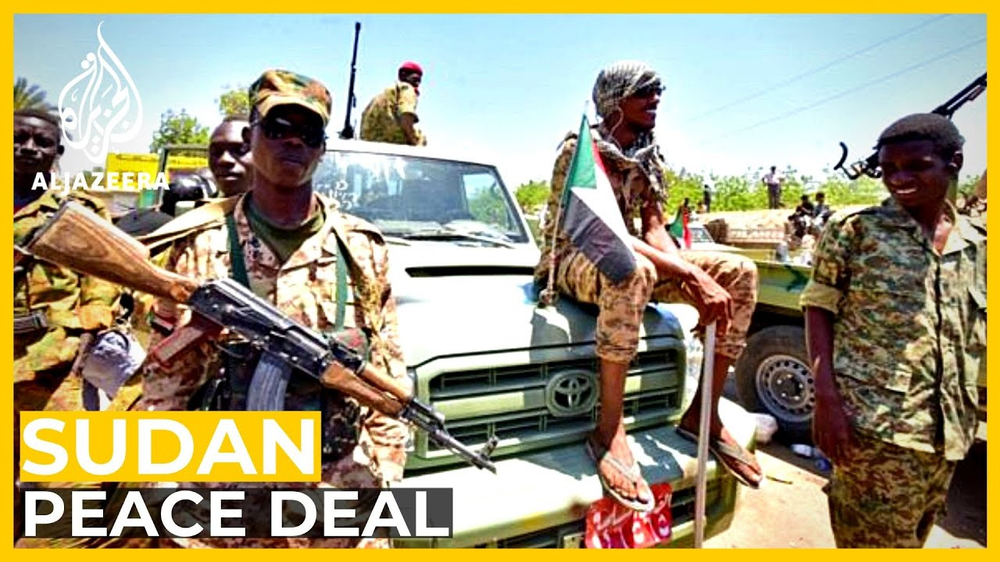
The Comprehensive Peace Agreement (CPA) was signed between the Government of Sudan (GoS) and the Sudan People's Liberation Movement/Army (SPLM/A). This pivotal accord marked the end of Africa's longest-running civil war, which had lasted for over two decades and caused the deaths of approximately two million people, displacing an estimated four million more. Sudan, a country riddled with internal conflicts, had finally taken a substantial step towards resolving the deep-rooted animosities between the northern and southern regions.
The GoS, primarily led by the Arabic-speaking Muslims of the north, and SPLM/A, representing the predominantly Christian and animist south, had long been in conflict over political, economic, and ethnic disparities. The CPA addressed these grievances through a comprehensive framework that included power-sharing, wealth distribution, and security arrangements.
One of the significant components of the CPA was the provision for a six-year interim period, during which the southern region was granted autonomy. Following this period, a referendum was to be held, allowing the people of South Sudan to decide on their independence. The agreement also mandated sharing oil revenues, crucial given that most of Sudan's oil reserves were located in the south but controlled by the northern government.
The signing of the CPA had far-reaching impacts. It established the foundation for a ceasefire, aided in the reconstruction efforts, and facilitated humanitarian aid reaching the afflicted regions. Additionally, it brought international attention and support, with countries and organizations pledging to assist in the peace process and development initiatives.
However, the journey post-CPA was fraught with challenges. Despite the agreement's promises, the implementation faced numerous obstacles, including mutual distrust, sporadic violence, and political roadblocks. Nonetheless, the peace deal is often viewed as a critical step towards achieving lasting peace and stability in Sudan.
#ComprehensivePeace #SudanPeaceDeal #SudanCivilWar #PeaceAccord #ConflictResolution #MoofLife
View details2004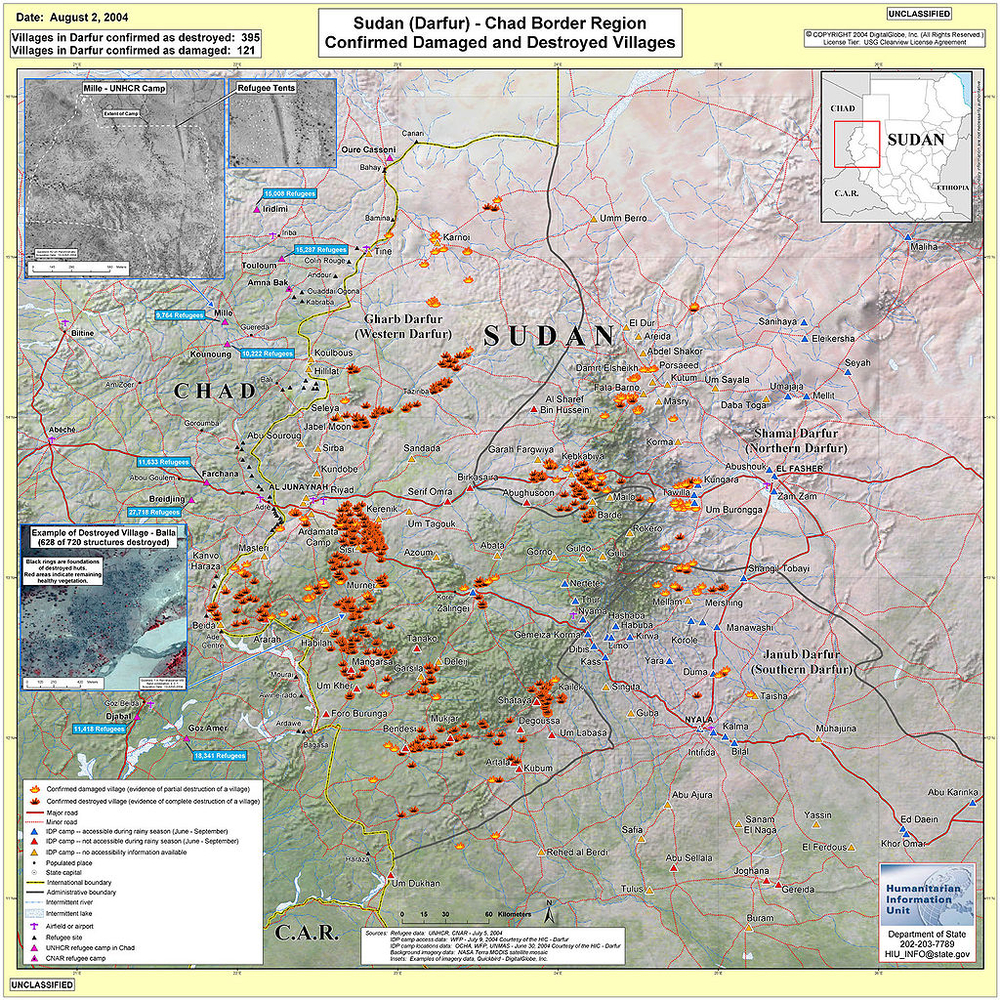
Humanitarian cease-fire agreement signed by Sudanese government and rebel groups in Darfur conflict.
The Darfur conflict reached a critical juncture when the Sudanese government and two rebel groups signed the Humanitarian Ceasefire Agreement. This accord aimed to end hostilities and initiate a 45-day ceasefire. The agreement represented a response to the escalating violence in the region, which had resulted in significant civilian suffering and displacement.
Background tensions in Darfur stemmed from longstanding ethnic and political grievances. Rebel groups, primarily the Sudan Liberation Movement and the Justice and Equality Movement, accused the Sudanese government of marginalizing non-Arab communities. The conflict intensified, leading to severe humanitarian crises, with reports estimating hundreds of thousands dead and over two million displaced.
Efforts by international actors, including the African Union, the United Nations, and various non-governmental organizations, pressured the warring parties to seek a non-violent resolution. The signing of the ceasefire agreement marked a temporary cessation of violence and opened avenues for humanitarian aid to reach affected populations. This development allowed relief agencies to scale up operations and provide essential services such as food, shelter, and medical care to those in dire need.
Despite the ceasefire agreement, challenges persisted. Sporadic clashes continued to threaten the fragile peace, and the implementation of the ceasefire terms required continuous monitoring. Nonetheless, the agreement provided a framework for negotiating a more comprehensive peace process and highlighted the necessity of addressing the root causes of the conflict.
Given the scale of the atrocities and the widespread impact on civilian populations, the ceasefire agreement drew international attention to the Darfur crisis. It underscored the importance of diplomatic efforts in conflict resolution and the role of international cooperation in mitigating human suffering.
#PeaceProcess #HumanitarianAid #ConflictResolution #Darfur #Sudan #MoofLife
View details2003
Sudan Airways Flight 139 took off from Port Sudan Airport, bound for Khartoum, carrying 116 individuals. Shortly after takeoff, the aircraft encountered engine problems, prompting the pilot to attempt an emergency landing. The aircraft crashed near the Red Sea, resulting in the immediate deaths of most occupants on board.
Rescue operations commenced swiftly, but the effort was primarily a recovery mission. Emergency personnel discovered a two-year-old boy among the wreckage, the sole survivor of the crash. He was found with severe injuries and immediately transported to the nearest medical facility. Despite extensive medical intervention, the boy succumbed to his injuries shortly after.
This tragedy had a profound impact, highlighting issues within Sudan's aviation safety standards and prompting a review of emergency response protocols. The crash emphasized the critical need for upgraded infrastructure and more rigorous aircraft maintenance procedures. In response, Sudan's aviation authorities faced intense scrutiny and pressure to improve safety regulations and implement necessary reforms.
Statistics paint a grim picture: 115 passengers and crew members perished in the crash, with only one initial survivor who later died due to injuries. The event is an indelible mark on Sudan's aviation history, underlining the vulnerabilities within the system at the time.
The aftermath saw a push for better enforcement of international aviation standards and stronger oversight within Sudan's airline industry. Subsequent investigations attributed the engine failure to various factors, including outdated aircraft models and insufficient maintenance regimes.
#SudanAviation #Flight39Crash #AviationSafety #LegaciesOfTragedy #MoofLife
View details1998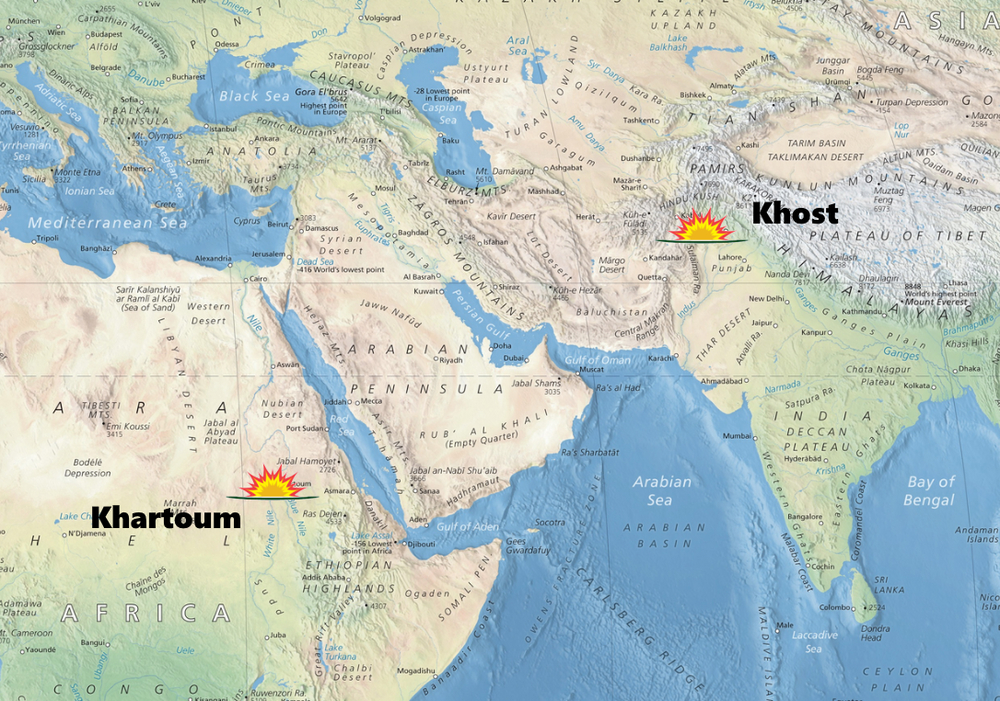
In response to the bombings of American embassies in Kenya and Tanzania, the U.S. military launched a series of cruise missile attacks targeting alleged al-Qaida camps in Afghanistan and a suspected chemical plant in Sudan. The embassy bombings, which caused significant loss of life and injuries, prompted the U.S. administration to take retaliatory action against the perpetrators believed to be responsible for orchestrating the attacks.
The operations targeted training camps in Afghanistan, which were believed to be operated by al-Qaida. Intelligence reports had suggested that these camps were used to train militants and plan terrorist activities. In Sudan, the missiles targeted the Al-Shifa pharmaceutical factory in Khartoum North, which was suspected of producing chemical weapons for terrorist organizations.
These strikes, carried out with Tomahawk cruise missiles, were intended to drastically disrupt the operational capacity of al-Qaida and serve as a direct response to the embassy bombings. The U.S. government cited the need to hinder future militant actions and diminish al-Qaida’s ability to plan and execute attacks. The attacks were part of a broader strategy to combat terrorism and hold accountable those who were believed to threaten national and global security.
The decision to strike the suspected chemical plant in Sudan was met with controversy. Sudanese officials and some international observers claimed that the targeted facility was civilian in nature, producing medicines and other legitimate pharmaceutical products. This led to debates over the accuracy of the intelligence used to justify the attacks and subsequent calls for further investigation into the nature of the plant’s activities.
The impact of these strikes was multifaceted. Militarily, they showcased the use of precise, long-range missile technology by the U.S. to target distant threats. Politically, the strikes underscored the U.S. resolve to take proactive measures against terrorism, but they also sparked international discourse on the legality and morality of such unilateral actions.
#OperationInfiniteReach #USMilitary #CruiseMissile #AlQaida #Sudan #EmbassyBombings #Counterterrorism #MoofLife
View details1994
Carlos the Jackal, one of the world’s most notorious terrorists, was captured in Khartoum, Sudan after decades of evading international law enforcement. Born Ilich Ramírez Sánchez in Venezuela, he became a key figure in several high-profile attacks during the 1970s and 1980s, including the 1975 raid on the OPEC headquarters in Vienna and multiple bombings and assassinations across Europe.
His capture was the result of meticulous intelligence work and cooperation among international law enforcement agencies. French authorities, in particular, had been actively pursuing him for years due to his involvement in various terrorist activities on French soil. It was Sudanese officials, however, who apprehended him, after pressure from France and other nations seeking to end his reign of terror.
The apprehension of Carlos the Jackal was a pivotal moment in the fight against international terrorism. It highlighted the importance of global collaboration in tackling terror networks that operate across borders. For Sudan, this event marked a step towards aligning with international anti-terrorism efforts, signaling a shift in its previous ambiguous stance on harboring fugitives.
Statistically, Carlos was linked to numerous deaths and injuries, making his capture significant in terms of justice and security. He was ultimately extradited to France, where he faced trial and was sentenced to life imprisonment for his crimes, finally bringing some closure to his many victims and their families.
#CarlosTheJackal #Khartoum #InternationalTerrorism #GlobalSecurity #MoofLife
View details1993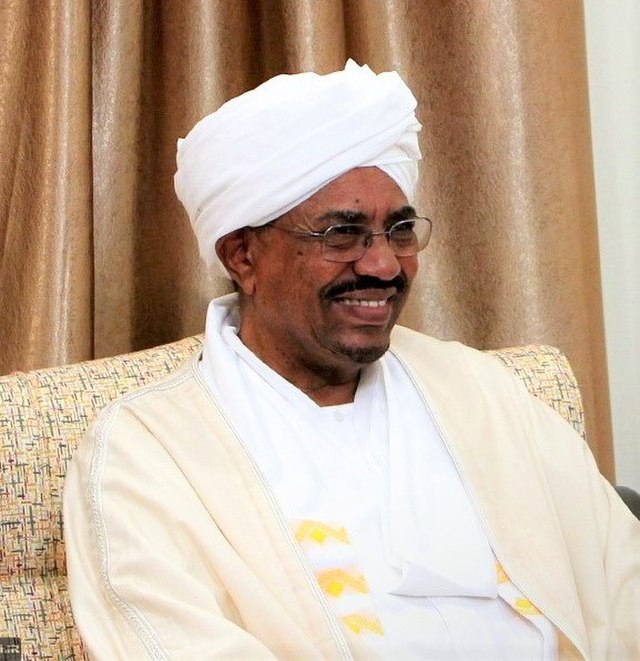
In a pivotal political development, Omar al-Bashir was appointed as the President of Sudan following a military coup. His ascension to power came after a series of complex political maneuvers and unrest. Sudan, a country deeply entrenched in a civil war that has raged since the mid-20th century, saw al-Bashir's leadership as an attempt to stabilize the nation. The country had been fraught with socio-economic challenges, regional disparities, and ethnic tensions.
Before assuming the presidency, Omar al-Bashir was a career military officer. He played a prominent role in the 1989 coup that overthrew the democratically elected government of Prime Minister Sadiq al-Mahdi. Al-Bashir's new role as president effectively consolidated significant executive powers within the military junta, which he led. His appointment aligned with the Revolutionary Command Council for National Salvation's goals, a body he chaired, pointing towards a restructured government aimed at tightening military control and curbing political dissent.
The impact of al-Bashir's presidency on Sudan was profound. His administration navigated through congruent themes of authoritarian governance, sharia law imposition, and attempts at economic reform. Sudan underwent severe economic sanctions under his regime, primarily due to allegations of sponsoring terrorism and human rights abuses. His approach to governance had long-lasting implications on Sudan's political landscape, international relations, and socio-economic conditions.
Statistically, Sudan under al-Bashir faced substantial human rights critiques. Reports from international human rights organizations highlighted issues such as suppression of political opposition, restrictions on freedom of speech, and the forceful handling of insurgencies, notably in Darfur. Infrastructural developments and certain economic reforms were noted during his tenure, although marred by allegations of corruption and nepotism.
The appointment of Omar al-Bashir as Sudan's president marked a critical juncture, reflecting the intersection of military power with national governance. It stood as a testament to the broader narrative of Sudan's struggle with governance, conflict, and the quest for peace and stability.
#SudanPolitics #OmaralBashir #MilitaryCoup #LeadershipChange #HumanRights #SudanEconomy #MoofLife
View details1991
In the early 1990s, Sudan's government implemented Islamic law, or Sharia, across the entire nation. This decision exacerbated an already severe civil conflict between the predominantly Muslim population in the north and the largely Christian and animist communities in the south. The imposition of Sharia was viewed by many in the south as an enforced assimilation into a religious and cultural framework that was fundamentally at odds with their own traditions and beliefs.
This move intensified the second Sudanese Civil War, which had already been raging for nearly a decade. Initially recovering from effects of the first civil war that spanned from 1955 to 1972, the second conflict reignited in 1983, driven by disputes over political power, resource control, and cultural sovereignty. The introduction of Islamic law by the central government was perceived as an effort to solidify the northern, Islamic dominance over the entire country.
The impact of this development was devastating. Tens of thousands of individuals were displaced as violence escalated. The civil war saw widespread human rights abuses, including mass killings, systematic rape, and the enslavement of women and children. Before the war concluded with the Comprehensive Peace Agreement in 2005, it is estimated that approximately two million people lost their lives due to violence, famine, and disease, and around four million were displaced.
The decision to impose Sharia law not only reinforced the deep ethnic and religious divides within Sudan but also brought international attention to the complexities and brutalities of the conflict. Aid organizations and humanitarian agencies became increasingly involved, attempting to alleviate the immense suffering faced by civilians.
The civil war eventually contributed to the secession of South Sudan in 2011, following a referendum in which the southern population overwhelmingly voted for independence. This marked the emergence of the world's newest nation but did not immediately resolve all ethnic and political tensions in the region.
#ShariaLaw #SudaneseCivilWar #NorthVsSouth #HumanitarianCrisis #SudanConflict #MoofLife
View details1989.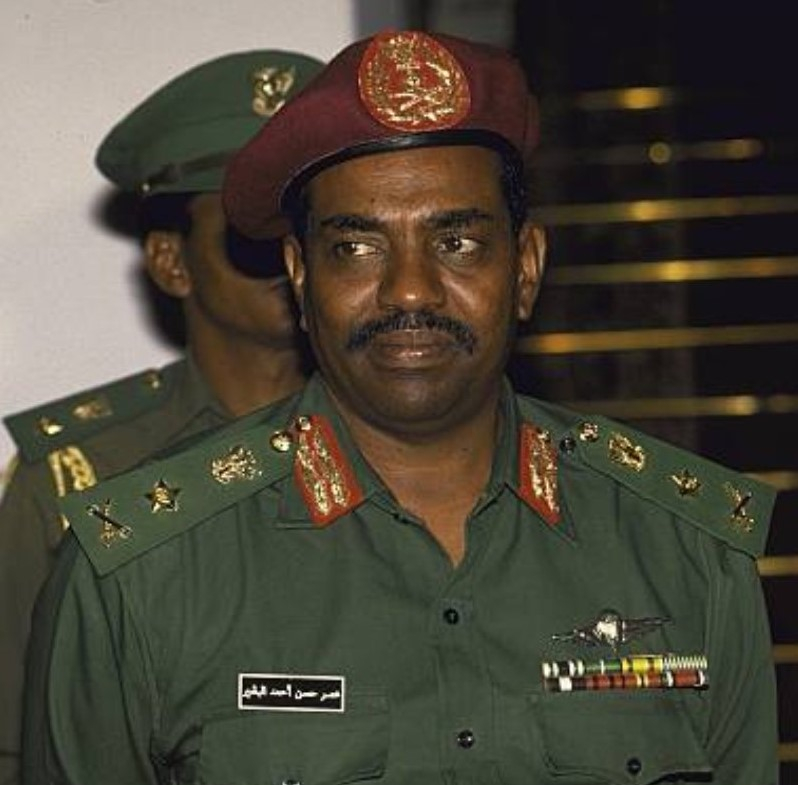
Omar al-Bashir, a military officer, orchestrated a coup in Sudan that led to his ascent to power. The socio-political climate preceding this event was marked by significant instability. Sudan grappled with economic difficulties, internal conflicts, and dissatisfaction with the existing government led by Prime Minister Sadiq al-Mahdi. The country faced tensions due to the long-standing civil war between the northern government and southern rebels, alongside economic stagnation compounded by drought and famine.
Al-Bashir, leveraging support from the military and the National Islamic Front (NIF), seized control through a bloodless coup. The transitional military council dissolved the Sudanese parliament and suspended the constitution, signaling a shift from democratic governance to military rule.
Domestic and international reactions were mixed. Some Sudanese citizens, frustrated by the government’s inefficacies, initially supported the takeover. Others, particularly political opponents and civil society groups, condemned the undemocratic change in power. Internationally, the coup sparked concern about Sudan’s direction under military and Islamist influence, leading to strained diplomatic relations and sanctions.
Under al-Bashir’s rule, Sudan underwent profound changes. He imposed strict Islamic laws, aligning closely with the NIF’s ideology. This policy shift exacerbated the civil war, deepening the north-south divide. His administration was characterized by allegations of human rights abuses, including the suppression of political dissent, and reports of genocide in the Darfur region. Despite this, al-Bashir managed to retain control through a combination of political maneuvering and military strength.
Economic policies under al-Bashir’s government focused on oil exploitation, leading to some economic growth. However, the benefits were unevenly distributed, leading to continued poverty and underdevelopment in many regions. The international community remained wary, with Sudan facing various sanctions that hampered broader economic progress.
The legacy of this coup remains contentious. While some view al-Bashir's regime as one that brought a semblance of stability to a fractured nation, others see it as a period marked by authoritarianism and human rights violations. This power shift set the stage for future political dynamics in Sudan, influencing both its internal policies and foreign relations in subsequent decades.
#SudanHistory #MilitaryCoup #OmarAlBashir #PoliticalChange #SocialImpact #MoofLife
View details1985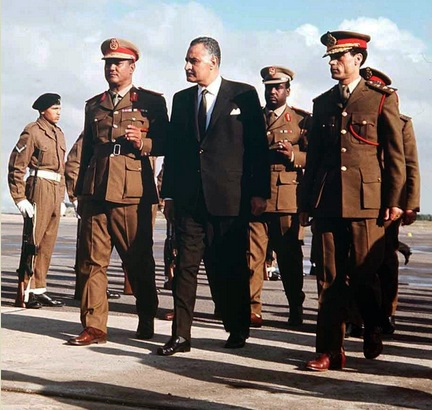
President Gaafar Nimeiry, who had been in power for sixteen years, was ousted in a military coup led by the Sudanese Armed Forces. The downfall came after widespread unrest and protests that had been building up due to economic hardship and political repression. Nimeiry's regime, initially promising socialist and pan-Arab reforms, faced growing opposition over austerity measures, corruption, and the autocratic governance style.
The economic conditions in Sudan had deteriorated sharply, with inflation soaring and food shortages becoming commonplace. Popular discontent grew, leading to large-scale demonstrations organized by trade unions, professional associations, and political parties. These protests were further fueled by Nimeiry's decision to implement Islamic Sharia law, which alienated the non-Muslim population in the south and exacerbated existing regional tensions.
The military, sensing the growing unrest and recognizing that Nimeiry's hold on power had weakened, capitalized on the moment. High-ranking officers launched a coup while Nimeiry was on an official visit to the United States. The military swiftly took control of key installations in the capital, Khartoum, and announced the formation of a Transitional Military Council to oversee governance and eventually return to civilian rule.
The immediate impact of the coup saw the jubilation of Sudanese citizens who flooded the streets in celebration. The Transitional Military Council moved quickly to address the grievances that had led to widespread opposition against Nimeiry. They promised to restore economic stability and to establish a more inclusive and representative government.
Nimeiry’s ousting marked a pivotal point in Sudan's modern history, initiating a period of political reformation and attempts at healing national divisions. This transition, however, also introduced new challenges, as the country had to navigate through further power struggles and the complexities of building a unified state amidst diverse cultural and religious identities.
#OustingOfNimeiry #SudanHistory #PoliticalChange #EconomicCrisis #MilitaryCoup #MoofLife
View details1983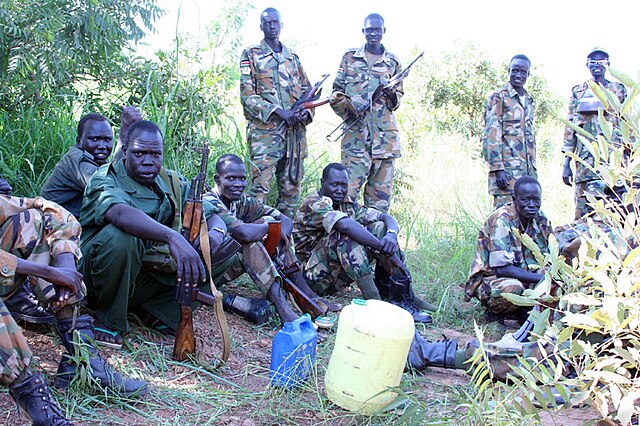
The dissolution of the Addis Ababa Agreement marked a pivotal transition in Sudan’s history, propelling the nation into what is now known as the Second Sudanese Civil War. The abrogation of the agreement was a governmental decision that prompted widespread unrest. This accord had previously granted the southern region autonomy and had been instrumental in concluding the First Sudanese Civil War, which had ravaged the nation for nearly two decades.
As central government policies began to increasingly marginalize the southern region, discontent surged. The imposition of Islamic Sharia Law further fueled dissent among the predominantly non-Muslim population in the south. Economically, the discovery of oil in the southern region added a considerable layer of complexity to the conflict, as control over these resources became a contentious and violent point of dispute.
The Sudan People's Liberation Movement/Army (SPLM/A), led by John Garang, emerged as a primary opposition to the central government, advocating for both regional autonomy and equitable resource distribution. Hostilities escalated and a period of intensified military engagement ensued, impacting millions of lives across the nation.
Over the course of the conflict, an estimated two million people lost their lives, while another four million were displaced from their homes. The humanitarian crisis was exacerbated by widespread famine, disease, and socio-economic disruptions. Entire communities were uprooted, and the infrastructure of southern Sudan was left in tatters.
The local population faced exacerbated vulnerabilities, with limited access to education, healthcare, and basic human rights. The prolonged nature of the conflict fostered a generation who knew nothing but war, perpetuating a cycle of violence and instability.
The international community responded with various levels of intervention, though efforts to broker peace were met with significant challenges. The Comprehensive Peace Agreement, eventually signed, set the groundwork for future resolutions, including the independence of South Sudan.
#MoofLife encapsulates the profound impacts of this period, reflecting the ongoing struggles and resilience of the Sudanese people amidst decades of conflict and hardship.
View details1972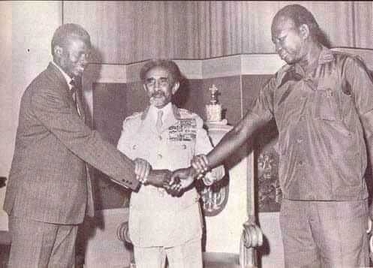
The Addis Ababa Agreement was a pivotal accord that ended a conflict which had persisted for 17 years between the Sudanese government and the Anya-Nya insurgents representing the southern regions. This conflict, known as the First Sudanese Civil War, saw divisions deeply rooted in religious, cultural, and economic differences between the predominantly Muslim North and the predominantly Christian and animist South. The war resulted in significant casualties, with estimates suggesting that approximately half a million lives were lost and over a million people displaced.
Negotiations that led to the Addis Ababa Agreement were mediated by the World Council of Churches and the All Africa Conference of Churches in conjunction with the Ethiopian government. Both parties were driven by a desire to put an end to the prolonged strife and create a framework for a united yet decentralized state. The agreement’s central provision was granting the southern region a considerable degree of autonomy. This included establishing a separate regional government in Juba, addressing issues around local governance, justice, health, education, and economic policies.
Additionally, the accord mandated the inclusion of southerners in various national administrative and security institutions, integrating former rebel fighters into the national army and police forces. This integration was designed to foster a sense of unity and ownership, ensuring that the southern populace felt represented and acknowledged within the broader national framework.
The impact of the Addis Ababa Agreement was multifaceted. It brought an immediate cessation to hostilities and set a foundation for the potential social and economic development of the formerly marginalized southern region. However, the agreement’s long-term effectiveness was ultimately undermined by political and administrative challenges. Centralization efforts by subsequent administrations eroded the initial spirit of the accord, leading to renewed hostilities decades later.
Nevertheless, the Addis Ababa Agreement remains a significant historical reference for conflict resolution and peacebuilding efforts within and beyond Sudan. It underscores the importance of inclusive dialogue and the implementation of decentralized governance structures in ethnically and culturally diverse nations.
#PeaceAccord #SudanHistory #ConflictResolution #Autonomy #MoofLife
View details1971
President Gaafar Nimeiry, during his tenure, announced the establishment of the Sudanese Socialist Union party as part of his efforts to centralize political power and align Sudan with socialist principles. This move came against a backdrop of significant political instability and economic challenges in Sudan. The country, emerging from colonial rule and grappling with internal strife, faced the daunting task of nation-building.
The Sudanese Socialist Union party was conceptualized to serve as the umbrella organization unifying diverse political factions under a single socialist-oriented framework. Nimeiry aimed to quell dissent and foster national unity by consolidating political entities and ideologies into one state-sponsored party. This party was designed to drive Sudan's political, social, and economic policies according to socialist ideals, paying heed to state control over resources and centralized governance.
The creation of the Sudanese Socialist Union had substantial implications for Sudan's political landscape. It marked the shift towards a one-party state, reducing the influence of previously influential groups and parties. The establishment also meant tighter control by Nimeiry over political discourse, reducing the channels for opposition and dissent. By relegating political diversity, Nimeiry's government aimed to streamline policy-making processes and enforce consistency in governance.
Economically, the Sudanese Socialist Union promised reforms aimed at addressing the protracted issues stemming from Sudan's agrarian economy. The party's charter emphasized state control over major industries, land reforms, and a blueprint for modernizing sectors crucial to Sudan's economic stability. These measures were intended to stimulate growth, improve living standards, and reduce inequalities.
The social impact of the Sudanese Socialist Union's creation was equally profound. It sought to forge a collective national identity centered around socialist values, promoting solidarity among Sudan's diverse communities. This move was part of a broader state effort to inculcate a shared sense of purpose and direction among the populace, thereby fostering communal harmony.
Despite its ambitious blueprint, the Sudanese Socialist Union faced criticism and resistance. Critics argued that the concentration of power curtailed democratic freedoms and political pluralism, undermining the principles of inclusive governance.
#SudanPolitics #SudaneseSocialistUnion #NimeiryEra #PoliticalHistory #MoofLife
View details1959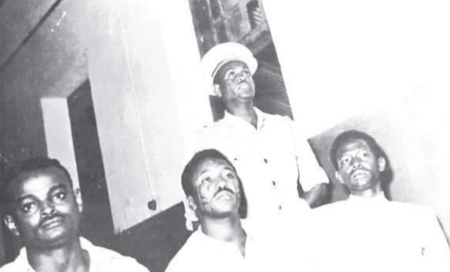
In the period marked by political instability, Sudan experienced its first military coup under the leadership of General Ibrahim Abboud. The nation's volatile situation stemmed from post-independence struggles where the civilian government faced numerous challenges, including economic hardship, regional disparities, and political fragmentation. The public grew increasingly discontented with the perceived inefficacies and corruption of the ongoing civilian rule.
General Abboud, then the Commander-in-Chief of the Sudan Defense Force, led a swift, bloodless coup that toppled the civilian government. He announced the dissolution of political parties, suspended the constitution, and established a Supreme Council of the Armed Forces to govern the country. His actions garnered initial public support, as many hoped that military rule could stabilize the country and address ongoing issues more effectively.
The immediate impact was the implementation of military rule, which saw the curbing of political freedoms and the suppression of dissent. Economic policies focused on agrarian reforms and infrastructural development were introduced in an attempt to revitalize the economy. However, over time, the military regime faced its own set of challenges, including resistance from various sectors of society who desired a return to civilian governance.
Statistically, the period under General Abboud's rule witnessed modest economic growth, partly due to foreign aid and investment in developmental projects. Yet, the centralization of power and the lack of political inclusiveness sowed seeds of discontent that would later manifest in opposition movements.
This coup remains a pivotal point in Sudanese history, illustrating the cyclical nature of military interventions in the nation's political landscape, and highlighting the complexities surrounding governance in post-colonial states.
#MoofLife #SudanHistory #PoliticalInstability #MilitaryCoup #GeneralIbrahimAbboud
View details1956
Following years of joint colonial governance by Britain and Egypt, Sudan reached a pivotal turning point marked by the declaration of its independence. Situated in the northeastern part of Africa, Sudan had historically been influenced and controlled by external powers, a situation formalized through the Anglo-Egyptian Condominium established in 1899.
Strides towards autonomy gained momentum following World War II, as nationalist sentiments surged across Africa. Sudanese political parties, trade unions, and civil society began demanding sovereignty. The push for self-governance intensified, leading to negotiations and discussions facilitated primarily by Britain and Egypt.
During this period, the Sudanese Legislative Assembly played a crucial role. The assembly, reflecting a broad mix of political factions, worked towards crafting a framework for the future governance of Sudan. The overarching goal was to create a sovereign state free from external domination. The leaders of this movement, such as Ismail al-Azhari who later became Sudan's first Prime Minister, were instrumental in the realization of this vision.
Sudan's emergence as an independent state was marked by the formation of a transitional government. This government laid down the groundwork for establishing international diplomatic relations and set the stage for joining global institutions such as the United Nations.
The impact of this newfound independence reverberated across Sudan and throughout Africa. It emboldened other colonized nations to pursue their own paths to self-determination. For Sudan, it was a beginning of navigating complex political landscapes marked by internal divisions, regional disparities, and economic challenges.
Statistics from this period highlight the momentum behind Sudan's move toward self-governance. For instance, the Sudanese population was actively engaged in the political process, with widespread participation in the vote for independence. Sudan's geographic significance and resource wealth also underscored the strategic importance of its independence in the broader context of African politics.
In essence, Sudan's transition to an independent state from a colonial ruled territory set an important precedent in the decolonization movement that spread through Africa during the mid-20th century. It heralded a new chapter in Sudanese history, marked by efforts to forge a national identity and achieve stability and development.
#SudanIndependence #AfricanHistory #ColonialismEnd #NationalSovereignty #MoofLife
View details1955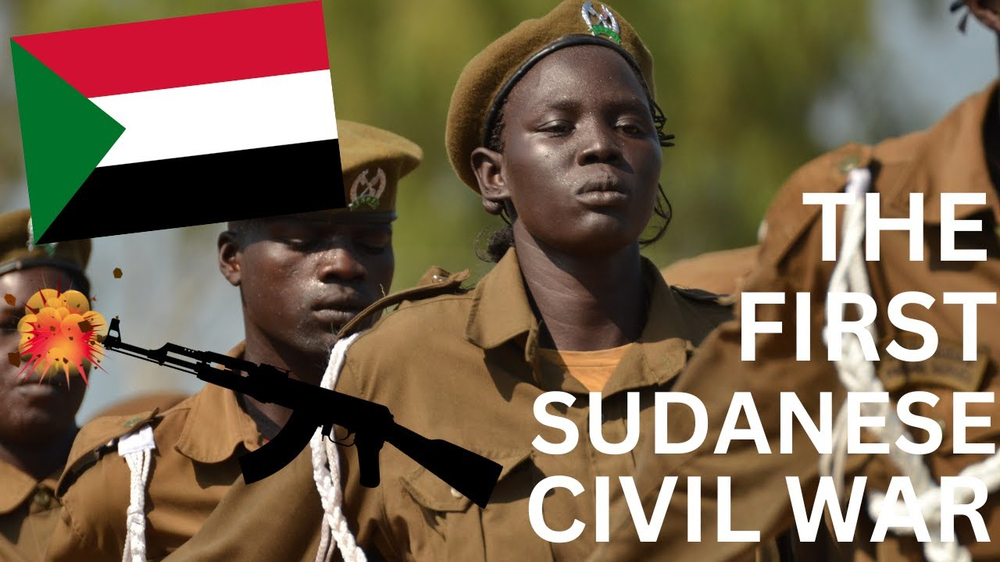
The outbreak of the First Sudanese Civil War was a pivotal moment with significant ramifications for Sudan. The roots of the conflict can be traced back to deeper issues within Sudanese society, where religious, cultural, and economic divides created a volatile environment. The nation had only recently gained independence from colonial rule, and the newly formed government struggled to manage the diverse needs of its population, particularly between the predominantly Arab Muslim North and the largely African Christian and animist South.
A key event preceding the conflict was the Southern Corps mutiny in Torit, where Southern soldiers rebelled against the Northern-dominated administration. This mutiny rapidly escalated into widespread violence and marked the beginning of organized armed resistance by Southern groups. The central government responded with force, leading to further unrest and attracting various factions to the conflict.
The impact of the war was profound, resulting in significant loss of life, displacement of populations, and the destruction of infrastructure. Estimates suggest that hundreds of thousands of people died over the course of the conflict. Additionally, millions were displaced internally or sought refuge in neighboring countries, leading to a humanitarian crisis that drew international attention.
The war set the stage for long-term instability and economic hardship in Sudan. While the conflict eventually led to the Addis Ababa Agreement, which granted the South a degree of autonomy, underlying tensions persisted. This fragile peace was a precursor to future conflicts, ultimately manifesting in the Second Sudanese Civil War.
Key themes of this historic moment include colonial legacy, national unity challenges, ethnic and religious diversity, and the quest for autonomy and equitable development. The ramifications of the civil war have had a lasting impact on the socio-political landscape in Sudan, influencing subsequent decades and shaping the nation's trajectory.
#MoofLife #SudanWar #CivilConflict #SudanHistory #EthnicTension #ColonialLegacy
View details1946
The Sudanese Communist Party (SCP) was established in 1946, emerging from the broader anti-colonial and nationalist movements that were sweeping across Sudan during the late colonial period. The party was heavily influenced by Marxist-Leninist ideology and aimed to address the socio-economic inequalities that were prevalent under colonial rule and in the post-colonial society. The SCP quickly became one of the most organized and influential political forces in Sudan, playing a critical role in labor movements, student activism, and the broader struggle for independence from British-Egyptian rule.
Throughout its history, the SCP faced significant challenges, including repression by successive Sudanese governments, internal splits, and ideological confrontations with both Islamist and nationalist groups. Despite these challenges, the party remained a key player in Sudanese politics, particularly during the periods of political upheaval, such as the 1964 October Revolution and the 1985 uprising, where it played a significant role in mobilizing the masses against dictatorial regimes. Today, while its influence has waned, the Sudanese Communist Party remains an important symbol of the leftist and secular tradition in Sudanese political history.
#SudaneseCommunistParty #SudanPolitics #MomentsOfLife #MoofLife_Moment #MoofLife
View details1899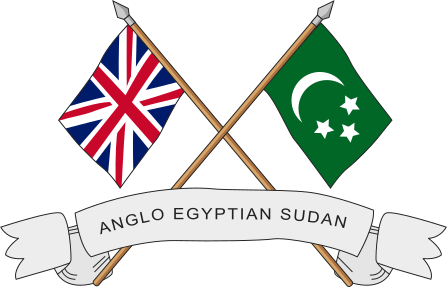
The establishment of the Anglo-Egyptian Condominium in Sudan took place against a backdrop of imperial competition and local resistance. This critical juncture followed the crushing defeat of the Mahdist state by a joint British and Egyptian military force commanded by General Herbert Kitchener. The Mahdist state had previously governed Sudan after a successful revolt against Egyptian rule. The defeat of the Mahdists and subsequent control by British and Egyptian forces paved the way for new administrative arrangements.
A condominium, in political terms, refers to a territory jointly administered by two sovereign powers. In this case, Sudan was administered jointly by Britain and Egypt. However, in practice, administrative and military control significantly tilted in favor of the British. The strategic intent was to stabilize the region, exploit its resources, and curb local resistance to foreign rule. The British invested in infrastructure, including railways and telegraph lines, to enhance mobility and control.
This new political structure impacted Sudanese society profoundly. Traditional leadership structures were bypassed or co-opted into the new system. The British focus on infrastructural development led to a gradual transformation of the economy, with initial steps toward modernizing agriculture and trade. However, these changes were primarily designed to serve colonial interests rather than local development.
Education and healthcare also saw some development, though the primary beneficiaries were often those who collaborated with the new regime. The dual administration formalized by the condominium arrangement resulted in a complex and often divisive political atmosphere. Notably, it sowed seeds of regional and ethnic tensions that would reverberate throughout Sudan's future.
The establishment of the Anglo-Egyptian Condominium marked Sudan's entry into a new era of foreign domination, bearing long-term implications for its political, social, and economic landscapes. Its legacy would be felt for decades to come as Sudan navigated a path to independence and beyond.
#AngloEgyptianCondominium #SudanHistory #ColonialLegacy #BritishRule #MahdistState #MilitaryDefeat #SudanTransformation #MoofLife
View details1898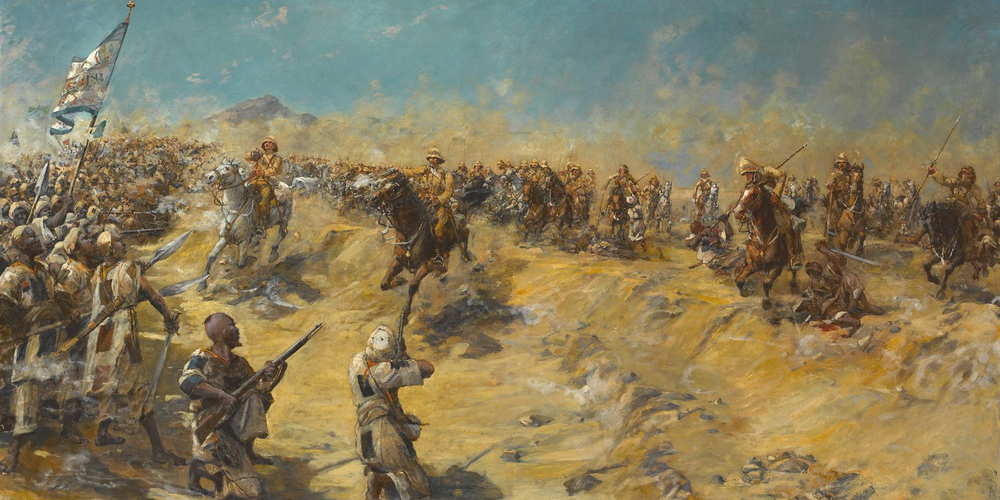
The Battle of Omdurman marked a decisive encounter between British-Egyptian forces and the Mahdist Sudanese army. The conflict stemmed from the Mahdist War, an ongoing struggle where Sudanese forces, led by the Mahdi, resisted colonial control and sought to establish an Islamic state. The British, seeking to reclaim Sudan and safeguard their strategic interests in the region, intensified their efforts under General Herbert Kitchener’s command.
The British-Egyptian forces, advancing along the Nile, encountered the Mahdist army near Omdurman, just outside Sudan’s then-capital, Khartoum. The Mahdist forces, significantly larger in numbers, aimed to repel the advance and maintain their control over Sudanese territories. Despite their numerical advantage, the Mahdist troops were at a disadvantage, equipped mainly with outdated weaponry.
Utilizing modern military technology and meticulously coordinated strategies, British-Egyptian forces wielded Maxim machine guns and artillery. The introduction of these advanced weapons proved decisive. As the Mahdist forces charged valiantly, they faced overwhelming machine-gun fire, leading to high casualties. The disparity in firepower and tactical superiority of Kitchener’s forces became evident.
Casualty reports highlighted the scale of the defeat suffered by the Mahdist Sudanese. British-Egyptian forces, numbering around 25,000 soldiers, faced approximately 52,000 Mahdist fighters. Mahdist casualties were staggering, estimated at over 10,000 killed, with approximately 13,000 taken prisoner or wounded. In stark contrast, British-Egyptian forces incurred fewer than 500 casualties.
The battle’s outcome had profound implications. It effectively ended Mahdist rule in Sudan, paving the way for British control and the establishment of the Anglo-Egyptian Sudan. This shift significantly impacted the political dynamics of the region, ensuring British dominance over the Nile Valley and securing a critical link to their interests in Egypt and beyond.
The Battle of Omdurman stands as a pivotal episode in Sudanese history, marking the defeat of Mahdist forces by technologically superior British-Egyptian troops. It highlighted the transformative influence of modern military technology and underscored the geopolitical stakes in colonial-era Africa.
#SudanHistory #ColonialWars #MahdistWar #BritishArmy #MilitaryHistory #Omdurman #MoofLife
View detailsThe Battle of Atbara River unfolded as a critical engagement during the Mahdist War, marking a decisive moment in the Anglo-Egyptian campaign to reconquer Sudan. This conflict arose as the Mahdist forces, under the leadership of Emir Mahmoud Ahmad, confronted the advancing Anglo-Egyptian troops. The Mahdist War itself was an insurrection against the Ottoman-Egyptian administration, further fueled by nationalist and religious fervor.
In the battle, the Anglo-Egyptian forces, numbering around 12,000, strategically pitted themselves against the 15,000-strong Mahdist army near the banks of the Atbara River. The Anglo-Egyptian contingent was composed primarily of British and Egyptian soldiers, with General Herbert Kitchener at the helm. The forces had spent extensive time preparing and employed strategic reconnaissance, ensuring they were well-positioned for the assault.
As dawn broke on the appointed day, Kitchener's forces launched a robust attack on the Mahdist encampment. The Mahdist forces, although formidable, were caught off-guard and soon found themselves overwhelmed by the well-coordinated and disciplined approach of the Anglo-Egyptian troops. Intense combat ensued, with the Anglo-Egyptians breaking through the defensive lines of the Mahdists, leading to significant casualties on the Mahdist side.
The battle culminated in a decisive victory for the Anglo-Egyptian forces, with the Mahdist army suffering approximately 3,000 fatalities and many more captured or wounded. This overwhelming defeat severely crippled the Mahdist resistance and marked the beginning of the end for the Mahdist state. The aftermath saw the consolidation of Anglo-Egyptian control over the region, setting the stage for further military campaigns that ultimately aimed at reasserting dominance over Sudan.
The Battle of Atbara River became a pivotal moment in the larger context of Sudanese history. It demonstrated the effective military strategy and superior organization of the Anglo-Egyptian forces and underscored the limitations of the Mahdist military capabilities. This battle significantly contributed to the eventual collapse of Mahdist rule, altering the political landscape of Sudan.
#BattleOfAtbara #MahdistWar #AngloEgyptianVictory #SudanHistory #HerbertKitchener #MilitaryStrategy #MoofLife
View details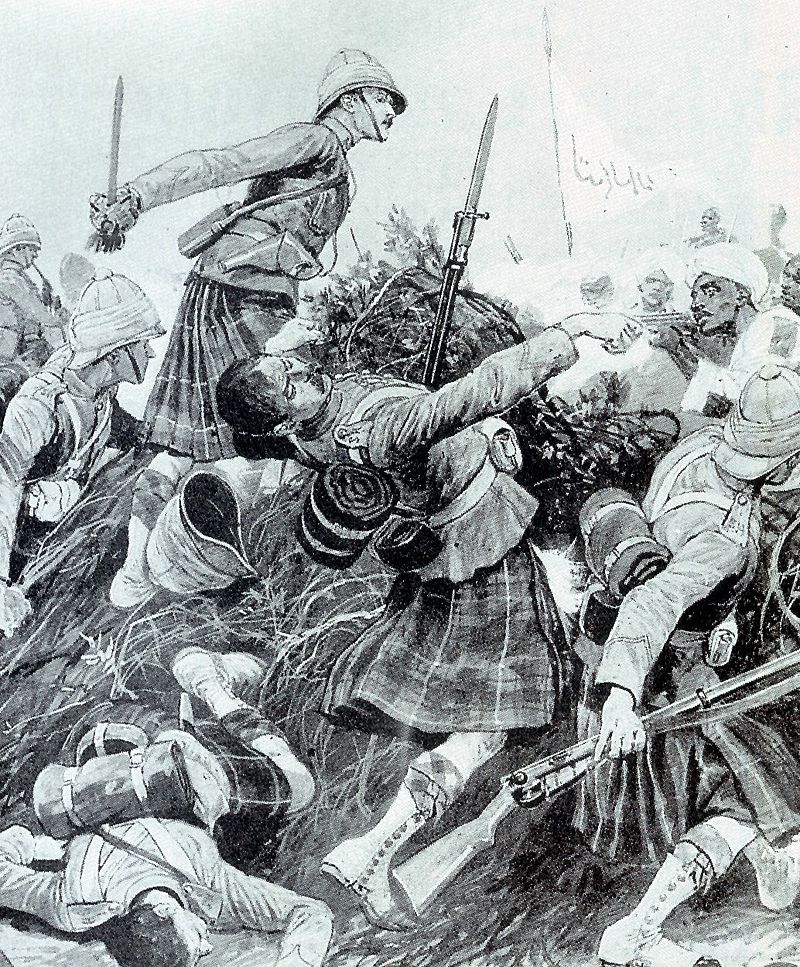
1895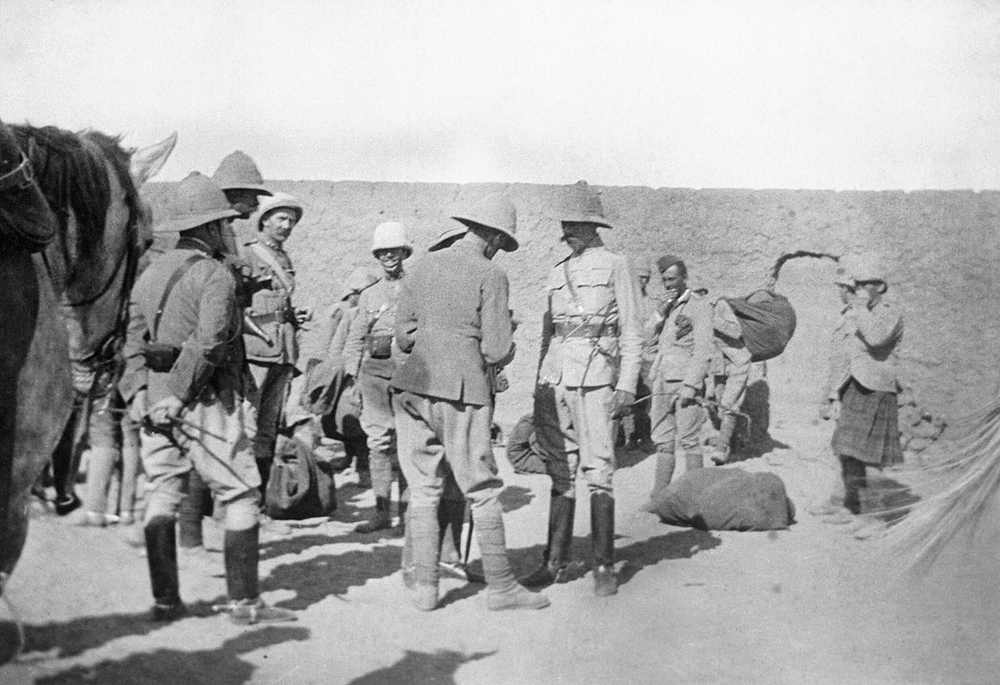
The arrival of British forces in Sudan marked a pivotal moment in the region's colonial history. The Sudan region had experienced a period of turmoil and instability due to the Mahdist revolt, a religious and nationalistic uprising against the Egyptian administration. The British involvement began as part of a broader strategy to secure their interests in the Nile Valley, which was vital for controlling access to Egypt and the Suez Canal, essential for maritime trade routes to India and the Far East.
To reassert control, British forces, combined with Egyptian troops under British command, launched a military campaign. The British aimed to dismantle the Mahdist State established by Muhammad Ahmad, known as the Mahdi. The campaign was part of the Anglo-Egyptian efforts to restore dominion over Sudan, which had fallen out of Egyptian control after the Mahdist uprising.
The British military expeditions were characterized by a well-planned strategy, having utilized superior weaponry and logistical support. The troops advanced efficiently along the course of the Nile, using railways for transport and establishing fortified supply lines. The campaigns culminated in significant battles at locations including Dongola and Omdurman, which led to the eventual defeat of the Mahdist forces.
The impact of the British arrival in Sudan was multifaceted. It resulted in the establishment of the Anglo-Egyptian Condominium, effectively placing Sudan under joint British-Egyptian rule but with significant British influence dominating the administration. This period marked the beginning of extensive modernization efforts in infrastructure, though these developments were primarily aimed at consolidating colonial control rather than benefiting the local population.
The staple economy of Sudan saw changes with increased emphasis on cash crops like cotton, fostering both economic growth and dependence on British markets. Additionally, the imposition of colonial rule brought about significant social and cultural disruption. The traditional power structures were altered, and resistance to foreign rule simmered, laying seeds for future nationalist movements.
The British forces' arrival in Sudan significantly altered the political landscape, setting the stage for the nation's future struggles for autonomy and identity.
#ColonialImpact #SudanHistory #MilitaryCampaign #AngloEgyptianRule #MahdistWar #HistoricalShift #MoofLife
View detailsThe British undertook the construction of the Sudan Military Railway as part of their campaign to expand their influence and control in Sudan. The railway construction was primarily driven by strategic military needs, aimed at facilitating troop movements and supply lines during the Mahdist War. This conflict, which pitted the British and Egyptian forces against the Mahdist Sudanese, necessitated efficient logistics and transportation.
The railway line commenced from Wadi Halfa, near the Egyptian border, and extended towards the Sudanese hinterlands. It played a critical role in the British campaign by significantly reducing travel time for troops and military supplies, which would otherwise have had to traverse harsh desert terrain. Steam engines and flatcars transported soldiers, weapons, food, and medical supplies over vast distances, thus streamlining the logistics of the British military operations.
The railway also had substantial implications beyond the immediate military context. For industrialists and colonial administrators, it represented an essential tool for economic exploitation. While local populations endured the ramifications of colonial policies influencing their traditional ways of life, the railway ostensibly facilitated the extraction and export of Sudan’s natural resources to British markets.
Statistical accounts from that period indicate that the railway stretched several hundred miles, making it one of the longer military railways constructed under British colonial rule. Reports recorded the employment of thousands of local laborers, often under dire conditions, which underscored the arduous and grueling efforts involved in constructing the railway through demanding desert landscapes.
Upon completion, this infrastructure also contributed to the establishment of further colonial administration outposts and settlements. The British subsequently extended their reach over Sudan, laying the groundwork for long-term colonial rule. The railway became a symbol of British engineering prowess and colonial ambition, forever altering the infrastructural and socio-economic landscape of Sudan.
With these consecutive developments, the Sudan Military Railway became a pivotal factor in shaping the colonial history and future trajectory of the region.
#MoofLife #SudanHistory #Colonialism #BritishEmpire #MahdistWar #MilitaryLogistics #RailwayConstruction #EconomicExploitation
View details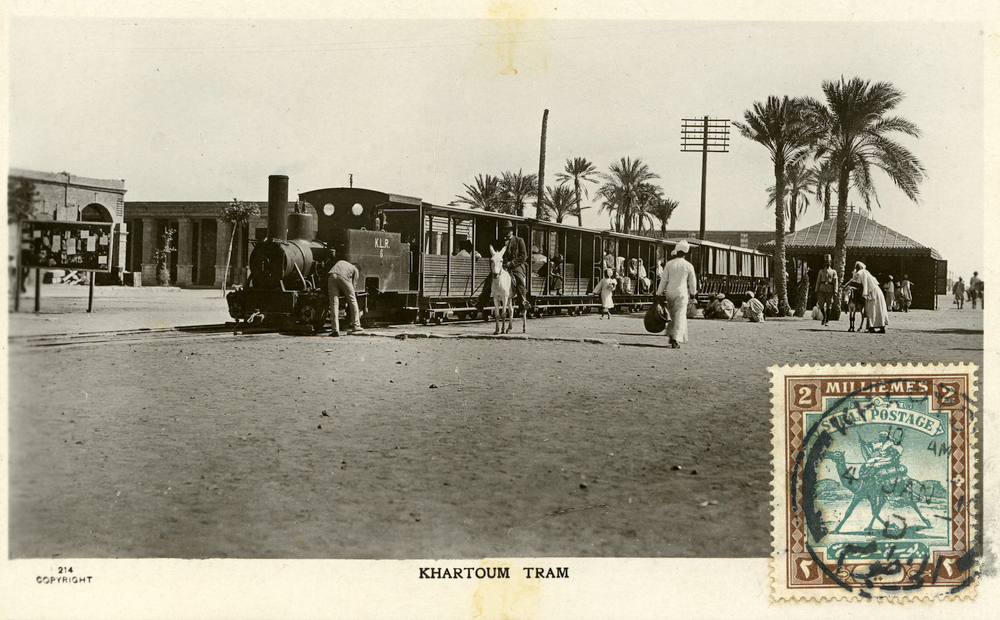
1891
The occupation of Diena in West Sudan occurred during the French colonial expansion in Africa. Captain Joseph Gallieni Archinard led the French troops in this military campaign. The incursion into Diena was part of a broader French strategy to establish control over the Upper Niger region and integrate it into the French colonial empire.
Diena's conquest was a step towards consolidating French influence over West Africa, a region vital for expanding trade routes and accessing resources. The military campaign aimed at subduing the local resistance led by the Toucouleur Empire, which had been an impediment to French colonial ambitions. This era saw France aggressively pursuing territorial control, often engaging in conflict with local rulers who opposed colonization.
The operation to take over Diena involved a well-coordinated military maneuver by French forces. The French troops, armed with superior weaponry and supported by logistical frameworks, faced relatively less resistance compared to other campaigns. The Toucouleur forces, under the leadership of the Almamy Samory Touré or his allies, had been progressively weakened by continuous conflicts.
The occupation had several impacts. It signaled a significant advance for French colonial efforts in the region. The control over Diena allowed France to strengthen its strategic position in West Africa and facilitated further military and administrative operations. For the local communities, the occupation often resulted in disruptions to traditional power structures, imposition of new administrative controls, and significant socio-economic changes.
Statistically, the French colonial expansion affected millions in the region. Populations were subjected to new colonial policies and taxes, and many were conscripted into labor and military services. The administrative reorganization initiated by the French often dismantled existing socio-political hierarchies, leading to periods of instability and adaptation for the local populace.
Overall, the occupation of Diena by Captain Archinard's troops exemplifies the broader patterns of European colonial expansion in Africa during this period. It underscores the military and strategic elements driving colonialism, and the resultant transformative impacts on indigenous societies.
#FrenchColonialHistory #WestAfrica #MilitaryOccupation #UpperNiger #ColonialismImpact #MoofLife
View detailsFrench military endeavors in West Africa during the colonial expansion period were marked by numerous conflicts and confrontations with local kingdoms and chiefdoms. One such confrontation involved Captain Louis Archinard's forces and the Nyamina of Niger in the region of West-Sudan.
Captain Archinard was at the forefront of the French campaigns aimed at extending control over the resource-rich and strategically important territories of West Africa. His operations particularly targeted the robust defenses and organized resistance of the Nyamina, a resilient community within the broader geopolitical landscape of the Niger River.
The Nyamina, under their local leadership, engaged in fierce battles to defend their land and autonomy against French incursions. The French military, bolstered by superior weaponry and systematic military strategies, initiated a series of offensives with the objective of subduing the Nyamina resistance and consolidating their control over the region.
This conflict was characterized by intense combat as the Nyamina, equipped with traditional weapons, confronted the advanced armaments of the French forces. Despite facing considerable odds, the Nyamina displayed remarkable tenacity and strategic tactics, making Captain Archinard's advancement arduous and slow.
The fight with the Nyamina was part of a broader context of resistance against French colonialism in Africa. It exemplified the clashing interests between European colonial powers and African societies striving to maintain their sovereignty. The impact of these conflicts was multifaceted, leading to significant changes in local governance, social structures, and economic practices in the affected regions.
Ultimately, the skirmishes contributed to the eventual establishment of French colonial rule in West-Sudan, reshaping the historical and cultural dynamics of the area. The conflicts also underscored the resilience and determination of African communities in the face of foreign domination, a theme recurrent in the history of colonial resistance.
The confrontation between Captain Archinard’s forces and the Nyamina stands as a testament to the broader struggles and transformations during the era of colonial expansion in Africa.
#ColonialHistory #AfricanResistance #FrenchColonialWars #WestSudan #HistoricalConflict #MoofLife
View details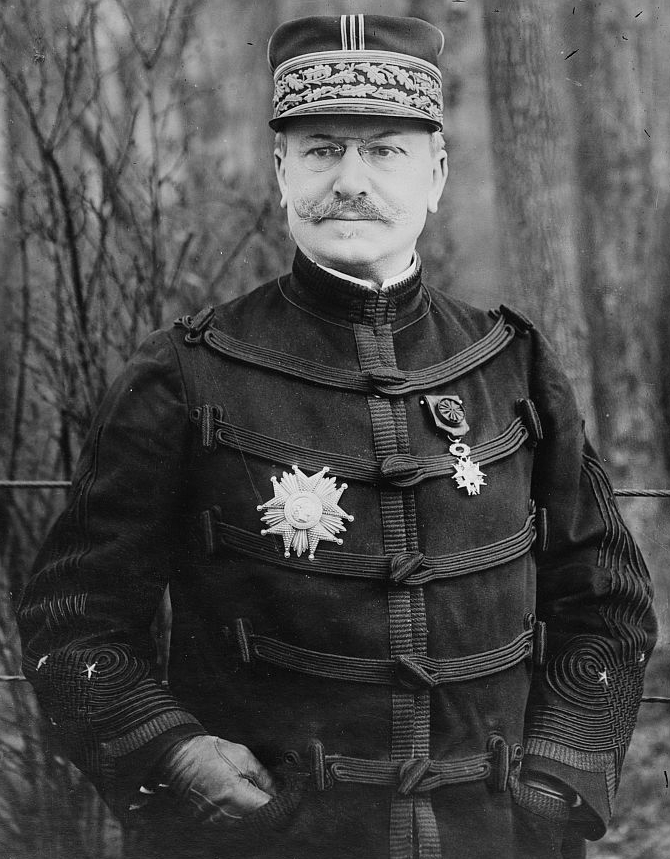
1890
In the late 19th century, the French colonial empire was rapidly expanding across West Africa, driven by ambitions to secure territories and control trade routes. One significant episode in this imperial conquest was the occupation of Segu, a major city in what was then known as West-Sudan (modern-day Mali). On April 6, 1890, Captain Louis Archinard, a key figure in the French colonial military, led French troops into Segu, a city that had been a center of power for the Bambara Empire. The occupation of Segu marked a pivotal moment in the French campaign to establish dominance over the region, as the city was strategically important both militarily and economically.
Captain Archinard's successful occupation of Segu was not just a military victory but also a symbolic one, representing the decline of local resistance and the tightening grip of French colonial rule in West Africa. The fall of Segu underscored the broader patterns of European imperialism in Africa, where indigenous states were often overwhelmed by technologically superior forces. This event paved the way for further French expansion into the interior of West Africa, leading to the eventual establishment of French Sudan as a colonial territory. The occupation of Segu is a reminder of the complex and often violent history of colonization that shaped modern African borders and societies.
#MomentsOfLife #MoofLife_Moment #MoofLife #ColonialHistory #FrenchEmpire #WestAfricanHistory
View details1885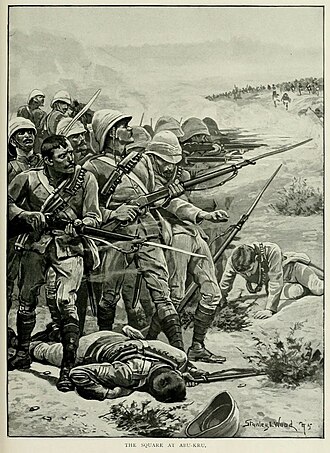
The Battle of Abu Kru, also referred to as the Battle of Gubat, was a significant clash between the British Desert Column and Mahdist forces in Sudan. The conflict occurred as part of the broader Mahdist War, where the Mahdist army under Muhammad Ahmad sought to establish an Islamic state in Sudan, resisting Egyptian and British control.
The British Desert Column, commanded by Major General Sir Herbert Stewart, aimed to relieve the besieged garrison at Khartoum, where General Charles Gordon was leading the defense against Mahdist forces. As the British forces advanced through the harsh desert terrain, they encountered a determined Mahdist army.
In the ensuing battle, the British forces managed to overcome the Mahdists through superior military tactics and discipline, despite the challenging conditions. The clash was intense, and both sides sustained significant casualties. The British recorded a loss of 121 soldiers in the battle. The Mahdist forces suffered higher, yet unspecified, casualties, reflecting the ferocity of the engagement.
The outcome of the Battle of Abu Kru allowed the British Desert Column to advance further towards Khartoum. However, the strategic victory did not come without cost. The delay and attrition weakened the British forces, impacting their overall mission. By the time they reached their objective, it was too late to prevent the fall of Khartoum, leading to significant political and military repercussions.
The battle is a stark representation of the broader struggle for control and influence in Sudan during the period. It exemplifies the challenges faced by colonial forces in managing and sustaining their campaigns against indigenous resistance movements. Despite their victory at Abu Kru, the British could not capitalize on their success in time to alter the fate of the besieged city of Khartoum.
#MahdistWar #ColonialConflict #BritishMilitary #SudanHistory #BattleOfAbuKru #MoofLife
View detailsThe Battle of Abu Klea, also known as the Battle of Abu Tulayh, took place in Sudan when the British Desert Column confronted Mahdist forces. The British, led by Major General Sir Herbert Stewart, were on a mission to relieve General Charles Gordon in the besieged city of Khartoum. This engagement was part of a wider conflict in the region, rooted in the Mahdist uprising against Egyptian rule, which Egypt controlled under British influence.
The British Desert Column, comprising approximately 1,400 soldiers, advanced across the desert towards Khartoum. They encountered around 13,000 Mahdist fighters, commanded by Mahmud Ahmad, at the wells of Abu Klea. The British formed a defensive square to counter the Mahdist assault, a tactic commonly used in colonial warfare to protect against numerically superior enemy forces.
Fierce combat ensued, with the Mahdists launching several waves of attacks on the British square. Despite their numerical advantage, the Mahdist forces were unable to break the British defenses. After hours of intense fighting, the British forces emerged victorious. The battle resulted in 76 British soldiers and approximately 1,100 Mahdist fighters losing their lives.
The aftermath of the battle had significant implications for the region. Although the British Desert Column succeeded in pushing forward, they arrived in Khartoum too late to save General Gordon, whose death marked a turning point in the conflict. The British government's response to the events at Khartoum sparked public debate and influenced military and political decisions regarding British involvement in Sudan.
The Battle of Abu Klea exemplifies the intensity and brutality of colonial warfare, illustrating the challenges faced by British forces in unfamiliar and hostile environments. The high casualty rates highlighted both the effectiveness and the limitations of British military strategies during the period. This event remains a stark reminder of the complexities and costs associated with imperial ambitions.
#SudanConflict #ColonialWarfare #BritishMilitary #MahdistUprising #HistoricalBattle #MoofLife
View details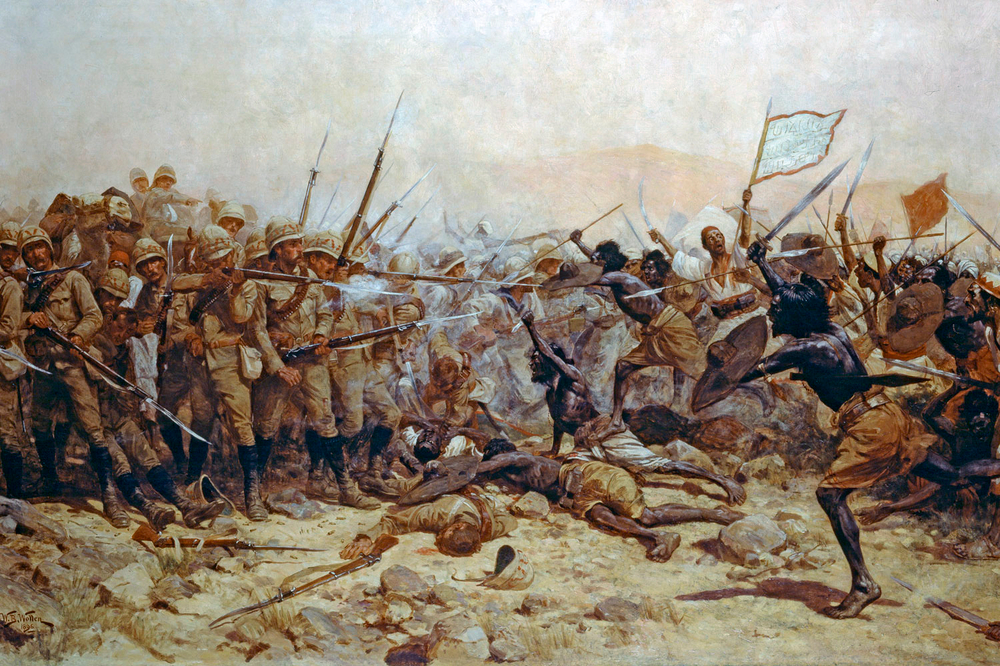
1884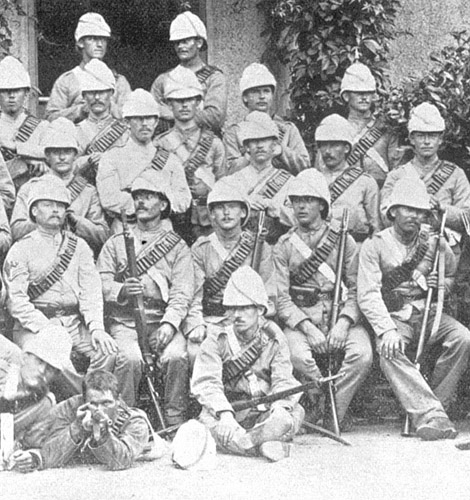
The Gordon Relief Expedition was sent to Sudan to save Major General Charles George Gordon, besieged in Khartoum by Mahdist forces. The Mahdi, Muhammad Ahmad, had declared a jihad to expel the Egyptian-Ottoman rulers and their British supporters.
The British government, initially reluctant to intervene, decided to act due to public pressure and the growing strategic importance of Sudan. General Garnet Wolseley led the two-pronged expedition, traveling via the Nile and the desert. However, delays and logistical challenges plagued the effort, significantly hampering their progress toward Khartoum.
When the advance unit, led by Sir Charles William Wilson, reached the outskirts of Khartoum, they discovered the city had fallen two days earlier. Gordon, revered as one of the greatest British military minds and known for his Christian humanitarianism, was dead. The fall caused great public outrage back in Britain and further complicated British involvement in Sudanese affairs.
This defeat underscored the impact of the logistical difficulties and the resilience of the Mahdist forces. It also highlighted the complexity of colonial interventions in foreign territories and the grave misjudgments that can occur in distant campaigns.
Research shows the Mahdist forces numbered around 50,000, while the British-led expedition comprised approximately 8,500 troops. This stark numerical disadvantage, combined with geographical and tactical challenges, elucidated why the relief effort failed.
The fall of Khartoum marked a pivotal moment in Anglo-Egyptian Sudanese history, shaping British military and administrative strategies. The episode remains a topic of study in military academies for its lessons on leadership, logistics, and the perils of underestimating a determined opponent.
#GordonRelief #Khartoum #Sudan #MahdiRevolt #BritishMilitaryHistory #ColonialIntervention #MoofLife
View details