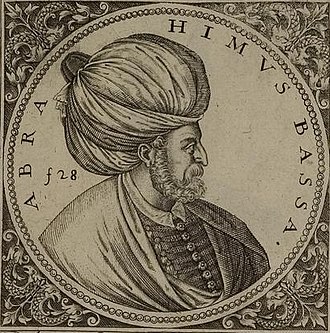
The Establishment of Khartoum by Ibrahim Pasha
Sudan
Urban Development
Trade Routes
5 min read
Updated By: History Editorial Network (HEN)
Published:
Ibrahim Pasha, acting on behalf of the Ottoman Empire, established Khartoum as a military outpost. The geopolitical motivations behind this move were influenced by the empire's desire to consolidate its control over the Sudanese territory and facilitate the expansion of its influence in the African continent. Khartoum, strategically situated at the confluence of the Blue and White Nile rivers, was selected for its advantageous position, providing both a navigable waterway and a defensible location.
The establishment of Khartoum also served an economic purpose. The Ottomans aimed to control the burgeoning trade routes that passed through the region, including the transport of ivory, gold, and slaves. The military outpost quickly grew into a significant commercial hub, attracting traders and merchants from various parts of Africa and the Middle East.
The initial phases involved the construction of basic military infrastructure, including forts and barracks, which later expanded to accommodate administrative buildings and markets. The influx of soldiers, administrators, and traders transformed Khartoum into a bustling center of activities. This, in turn, laid the groundwork for the city to become a focal point of interactions between diverse ethnic groups, cultures, and economies.
The founding of Khartoum had lasting impacts on the region. It marked the beginning of significant urban development in Sudan, setting the stage for the future growth of the city. Over time, Khartoum evolved from a military outpost into the administrative and political capital of modern-day Sudan.
While the establishment brought economic opportunities, it also introduced new layers of complexity to the local dynamics, including increased taxation and military conscription, which affected the local population. These changes sowed the seeds for future conflicts and resistance movements against the Ottoman-imposed policies.
In summary, Khartoum's establishment as a military outpost by Ibrahim Pasha was a calculated move to extend Ottoman influence, control trade routes, and usher in an era of urban development and cultural exchange. The city's strategic location played a crucial role in accomplishing these aims, marking a pivotal point in Sudan's history.
#UrbanDevelopment #TradeRoutes #MilitaryStrategy #OttomanExpansion #CulturalExchange #Khartoum #MoofLife

Explore the Life Moments of
 AI Twin