Kingdom of Kush weakened by Kingdom of Axum attacks
Sudan
CulturalShift
5 min read
Updated By: History Editorial Network (HEN)
Published:
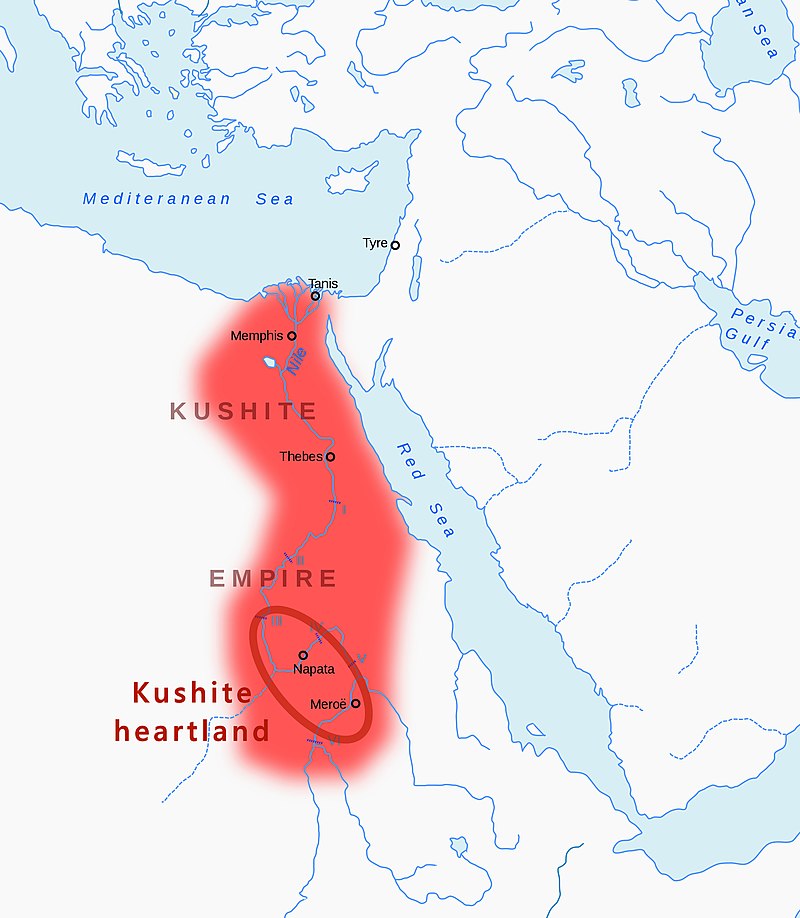
The Kingdom of Kush, located in present-day Sudan, faced a critical turning point due to an onslaught by the Kingdom of Axum. The Kingdom of Kush had been a formidable power in Northeast Africa, boasting advanced metallurgy and a robust economy fueled by agriculture and trade. Kush held sway over the Nile River region, benefiting from rich agricultural lands and strategic trade routes connecting sub-Saharan Africa with the Mediterranean.
Meanwhile, the Kingdom of Axum, situated in what is now Ethiopia and Eritrea, transformed from a small trading state into a dominant force. The rise of Axum was largely driven by strategic control of the Red Sea trade routes, linking the Indian Ocean with the Mediterranean. Axum's control over these trade networks increased its wealth and influence, creating an inevitability to challenge neighboring powers.
Military confrontations between Axum and Kush demonstrated Axum’s superiority. The decisive attack by Axum ended with the capture and sacking of Meroe, the capital of Kush. This not only led to the fall of the Kushite monarchy but also destabilized the region’s economic and political systems. Meroe, known for its iron production and impressive pyramids, faced destruction, ending its status as a powerful cultural and economic center.
The decline of Kush had profound effects on the region. The power vacuum created by Kush’s fall allowed Axum to expand its influence further west towards Nubia. The assimilated territories became vital conduits for Axum’s trade and cultural exchanges, altering the region's socio-economic landscape.
It's noteworthy that the Kingdom of Axum emerged as a prominent Christian state after adopting Christianity. This religion began to spread through the territories they controlled, including former Kushite regions, affecting the religious and cultural transformations therein.
Historical sources suggest that the Axumite campaigns against Kush were not solely for territorial expansion but also aimed to control critical economic resources and trade routes. The succession from Kush to Axum represents a shift in power dynamics in the eastern African kingdoms and their transformation over subsequent centuries.
#KingdomOfKush #KingdomOfAxum #Meroe #NortheastAfrica #TradeRoutes #MilitaryConflict #CulturalShift #NileRiverCivilizations #MoofLife

Explore the Life Moments of
 AI Twin