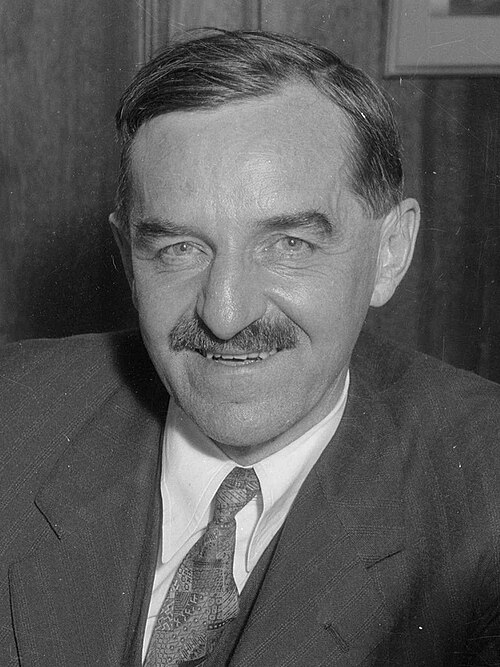
The history of socialism traces its roots back to the early 19th century as a response to the social and economic inequalities brought about by the Industrial Revolution. Early socialist thinkers like Robert Owen, Charles Fourier, and Henri de Saint-Simon envisioned a society where wealth and resources were shared more equitably among all members. These utopian socialists advocated for cooperative communities and the elimination of class divisions. However, socialism gained a more scientific and political framework with the works of Karl Marx and Friedrich Engels. In their *Communist Manifesto* (1848), they argued that history is a struggle between classes, and envisioned a revolutionary path where the working class would overthrow the capitalist system and establish a classless, stateless society based on common ownership of the means of production.
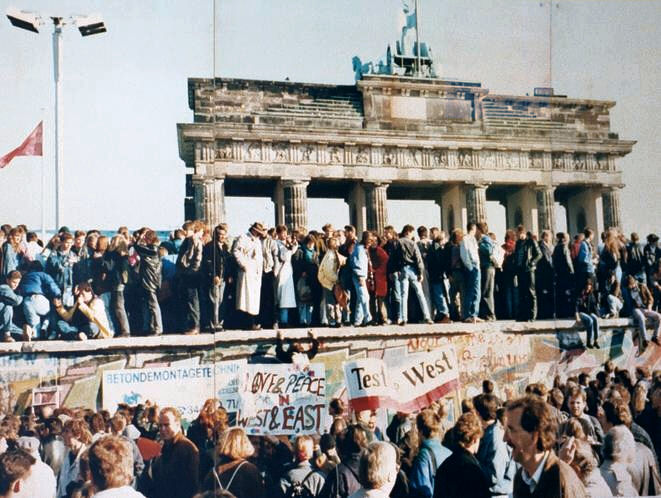
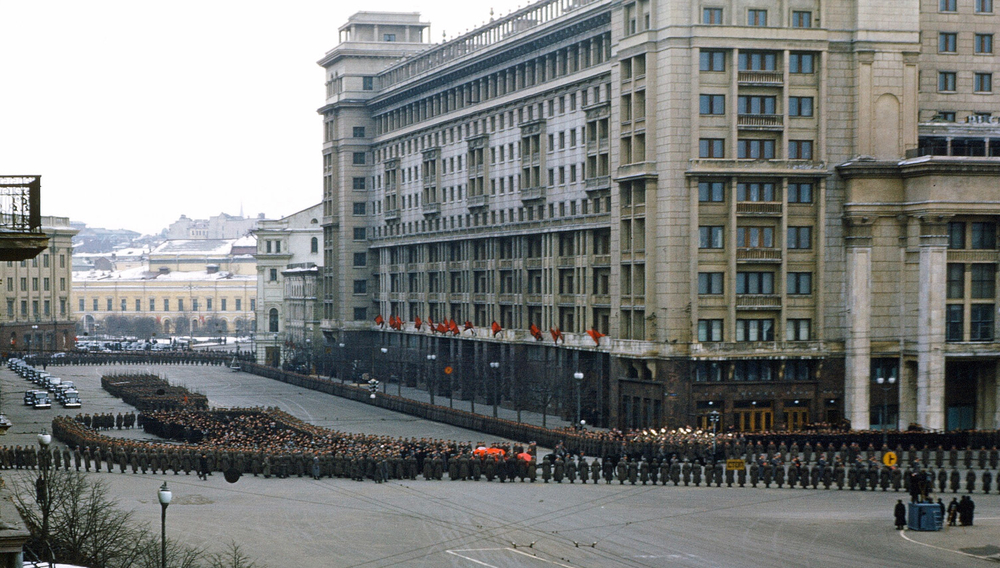
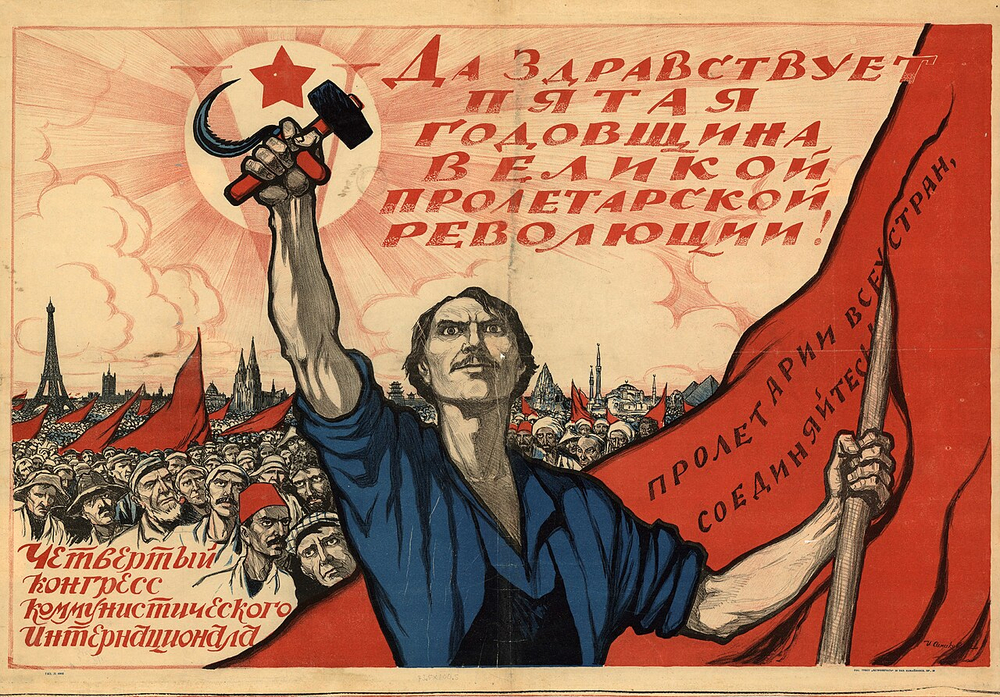
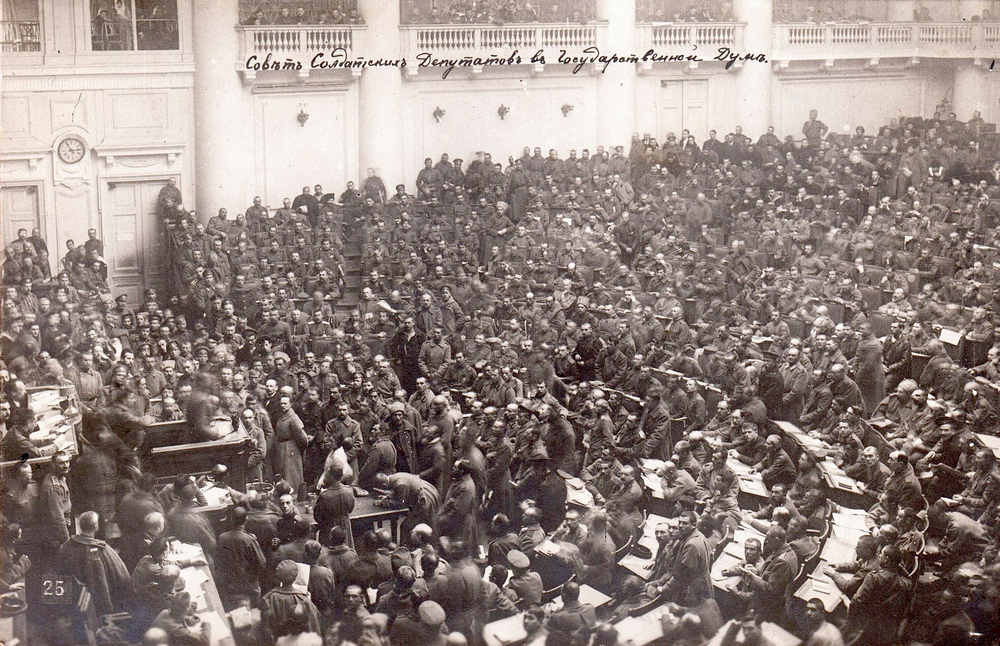
Throughout the 20th century, socialism evolved in various directions. The Russian Revolution of 1917 led to the establishment of the Soviet Union, the world’s first socialist state, based on Marxist-Leninist principles. This model influenced many nations, particularly in Eastern Europe, Asia, and parts of Latin America and Africa. At the same time, democratic socialism and social democracy gained ground in Western Europe, where political movements sought to combine socialist economic principles with democratic governance. Countries like Sweden and Norway implemented welfare state models that emphasized social equity, labor rights, and public services without abandoning democratic structures. While the fall of many Marxist-Leninist states at the end of the Cold War marked a decline in revolutionary socialism, the ideology continues to influence political discourse worldwide, especially in movements advocating for economic justice, environmental sustainability, and universal social protections.
\#MomentsOfLife #MoofLife\_Moment #MoofLife #HistoryOfSocialism #Marxism #SocialJustice #EconomicEquality #PoliticalIdeologies