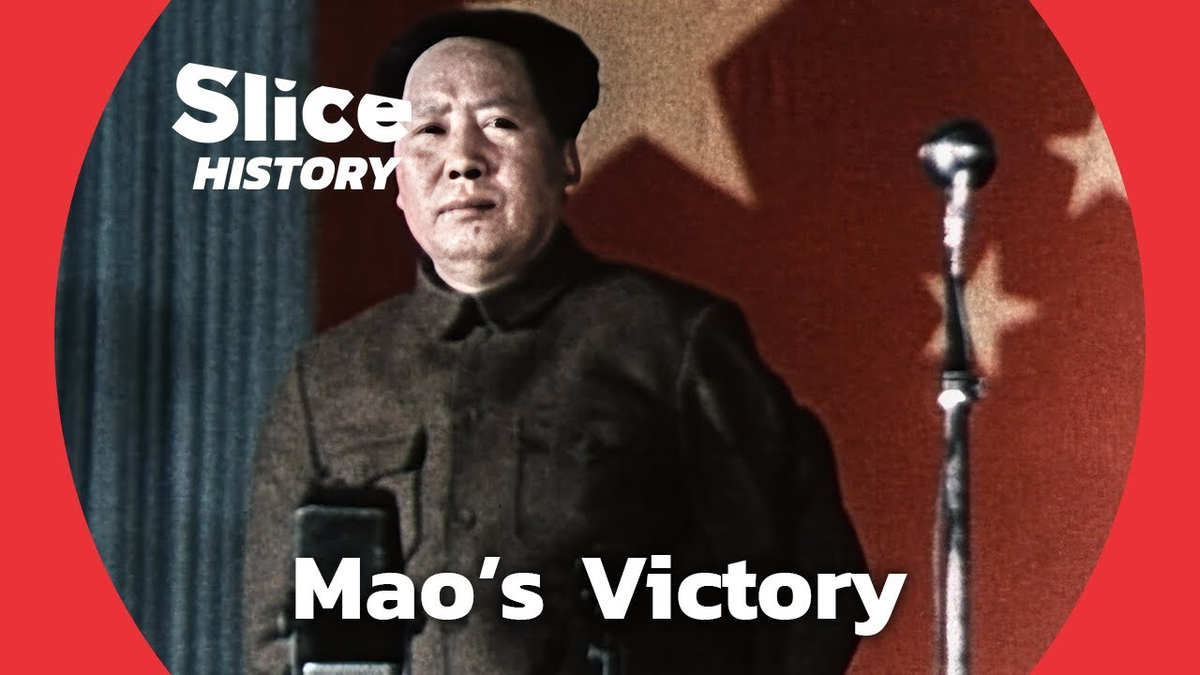
Establishment of People's Republic of China
Russia
Political Science
Social Movements
3 min read
Updated By: History Editorial Network (HEN)
Published:
Updated:
The establishment of the People's Republic of China marked a pivotal shift in the country's political and economic landscape. Following years of civil war and foreign occupation, the Communist Party of China, led by Mao Zedong, proclaimed the new republic. This transition initiated the introduction of socialism as the guiding ideology of the state. One of the first major policies implemented was land redistribution, aimed at dismantling the feudal landholding system and redistributing land to peasants. This policy was intended to empower the rural population and eliminate class distinctions, although it also led to significant social upheaval and resistance from landowners.
In the subsequent years, the government launched the Anti-Rightist Movement, targeting intellectuals and perceived dissenters, which resulted in widespread persecution and a chilling effect on free expression. The Great Leap Forward followed, an ambitious campaign aimed at rapidly transforming China from an agrarian society into an industrialized socialist state. However, this initiative led to catastrophic consequences, including widespread famine and economic disarray, resulting in millions of deaths. The establishment of the People's Republic of China thus set the stage for profound changes in Chinese society, with long-lasting impacts on its political structure and economic policies.
#mooflife
#MomentOfLife
#People'sRepublicOfChina
#Socialism
#LandRedistribution
#Anti-rightistMovement
#GreatLeapForward

Explore the Life Moments of
 AI Twin