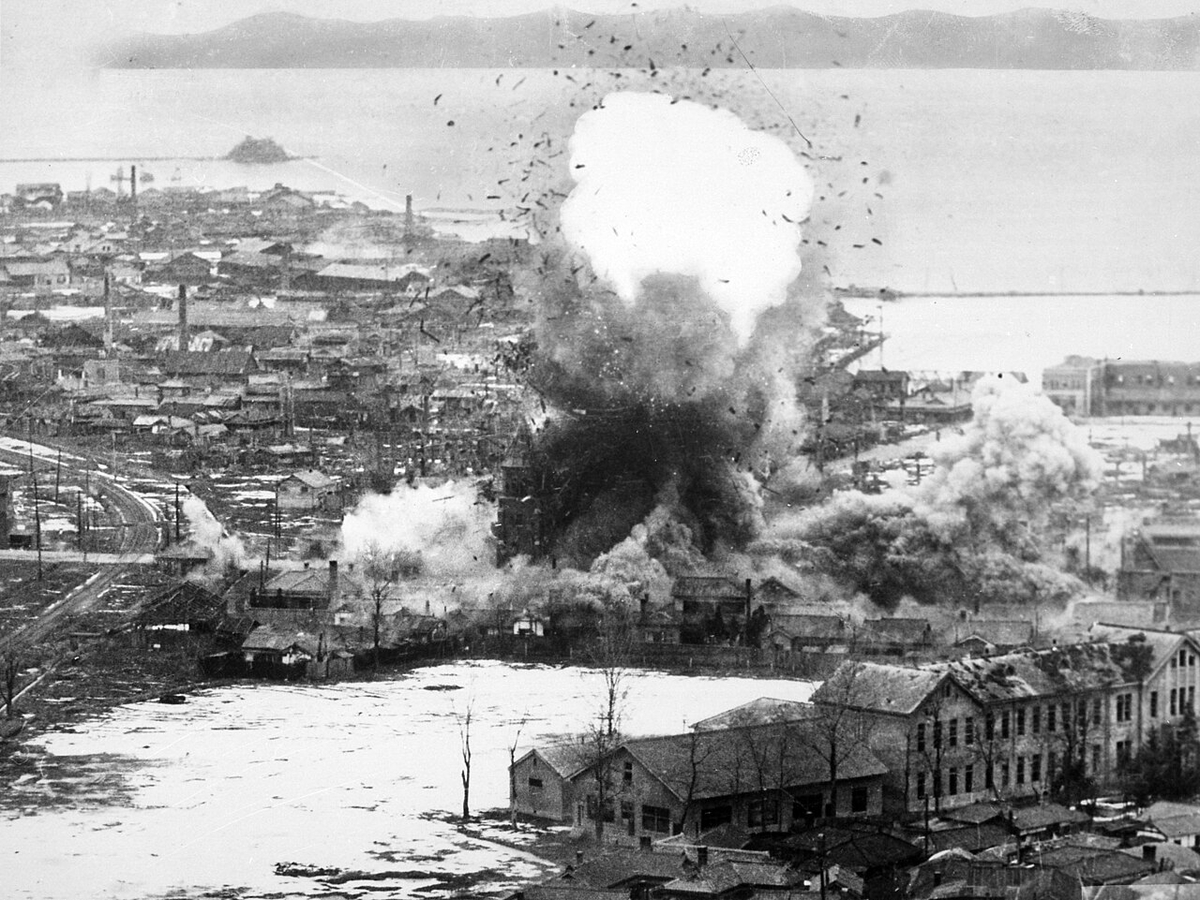
Socialist influence in Korean War
Russia
4 min read
Updated By: History Editorial Network (HEN)
Published:
The Korean War (1950–1953) was one of the most significant conflicts during the early Cold War era, deeply shaped by socialist ideologies and the global struggle between communism and capitalism. After World War II, Korea was divided along the 38th parallel, with the Soviet Union backing the North and the United States supporting the South. This division reflected the broader ideological rift between socialism, as promoted by the Soviet Union and later China, and Western democratic capitalism. North Korea, under Kim Il-sung, adopted a strict socialist framework and received significant military and logistical support from both the USSR and the newly formed People's Republic of China. This backing emboldened North Korea to launch an invasion of the South in June 1950, with the goal of reunifying the peninsula under a communist regime.
The influence of socialist nations went beyond mere support; it significantly shaped the course and intensity of the war. The Soviet Union provided training, weapons, and strategic guidance, while China’s entry into the war in late 1950, with hundreds of thousands of troops, dramatically altered the balance of power and prolonged the conflict. The war thus became a proxy battleground for Cold War rivals, with socialism and communism on one side, and capitalism and democracy on the other. The legacy of socialist involvement in the Korean War is still evident today, as the peninsula remains divided, and North Korea continues to adhere to a rigid, state-controlled socialist system, heavily influenced by the ideological and military foundations laid during the war.
\#MomentsOfLife #MoofLife\_Moment #MoofLife #KoreanWar #ColdWarHistory #SocialistInfluence #HistoricalConflict #NorthKorea #CommunismVsCapitalism #GlobalPolitics

Explore the Life Moments of
 AI Twin