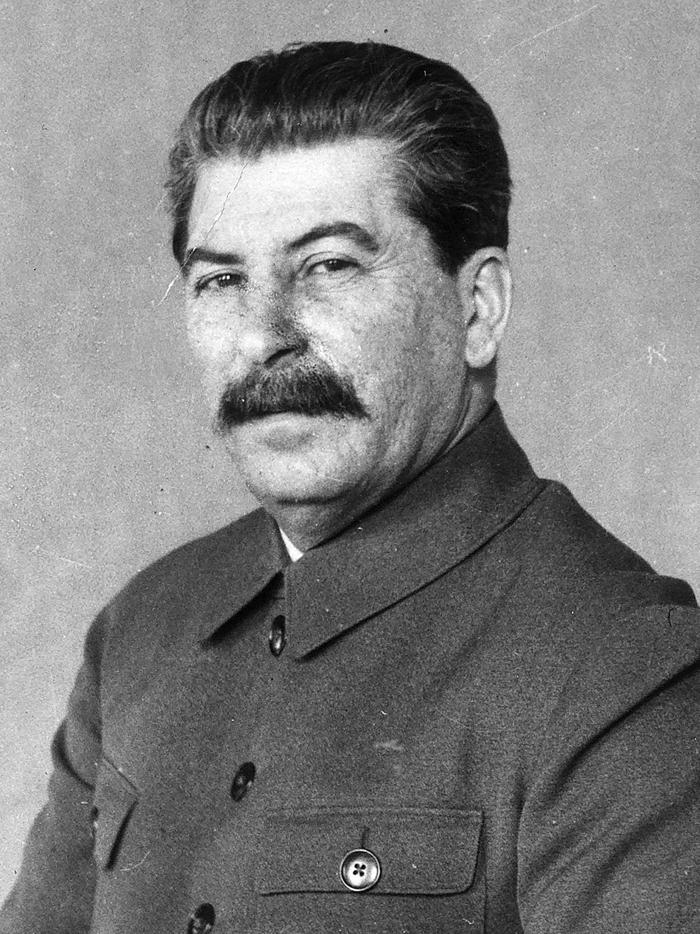
Stalin's Leadership and Soviet Union's Direction
Russia
Politics
Soviet Union
4 min read
Updated By: History Editorial Network (HEN)
Published:
Updated:
Stalin's leadership marked a pivotal shift in the direction of the Soviet Union, particularly after the Left Opposition was banned and Trotsky was exiled. This consolidation of power allowed Stalin to implement his vision of a 'higher stage of socialism.' One of the most significant policies during this period was the forced collectivization of agriculture. This initiative aimed to consolidate individual landholdings and labor into collective farms, which Stalin believed would increase agricultural productivity and support rapid industrialization. However, this policy led to widespread resistance among the peasantry, resulting in a catastrophic famine that caused millions of deaths. The harsh measures taken against those who opposed collectivization further exacerbated the situation, as the state sought to extract surplus grain to fund its ambitious industrial projects.
The surplus generated from the collectivized agriculture was redirected towards a program of rapid industrialization, primarily through the implementation of Five-Year Plans. These plans were designed to transform the Soviet economy from an agrarian base to an industrial powerhouse. The focus on heavy industry, such as steel and machinery, aimed to elevate the Soviet Union's status on the global stage. While the industrial output did increase significantly, the human cost was immense, with millions suffering from famine and repression. The policies enacted during Stalin's rule not only reshaped the Soviet economy but also had lasting impacts on the social fabric of the nation, leading to a legacy of hardship and resilience among the Soviet people.
#mooflife
#MomentOfLife
#Stalin
#SovietUnion
#Collectivization
#Industrialization
#Five-yearPlans

Explore the Life Moments of
 AI Twin