Initiation of the Cultural Revolution
Russia
Historical Events
Political Movements
Communism
3 min read
Updated By: History Editorial Network (HEN)
Published:
Updated:
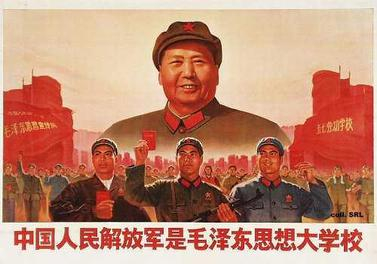
The Cultural Revolution was initiated by Mao Zedong as a response to perceived threats to his leadership and the ideological purity of the Communist Party. The movement began following a series of political maneuvers, including a public critique of Wu Han, a deputy mayor of Beijing, which was seen as a catalyst for broader ideological purges. Mao's actions were aimed at consolidating his power and reasserting his vision of Communism, which he believed was being undermined by bureaucratic elements within the party. This period was marked by widespread purges of party officials, including prominent figures like Liu Shao-chi, who were accused of deviating from Maoist principles. The Cultural Revolution mobilized the youth and the military, leading to mass rallies and the formation of Red Guards, who were tasked with enforcing Mao's revolutionary ideals. The movement sought to eliminate the 'Four Olds': old customs, old culture, old habits, and old ideas, which Mao viewed as obstacles to the advancement of socialism. The impact of the Cultural Revolution was profound, resulting in social upheaval, the destruction of cultural heritage, and significant human rights violations. Millions were persecuted, and the educational system was disrupted, leading to a generation that faced challenges in accessing education and employment opportunities. The Cultural Revolution ultimately reshaped Chinese society and politics, leaving a legacy that continues to influence China today.
#mooflife
#MomentOfLife
#CulturalRevolution
#MaoZedong
#Communism
#ChineseHistory
#PoliticalPurges

Explore the Life Moments of
 AI Twin