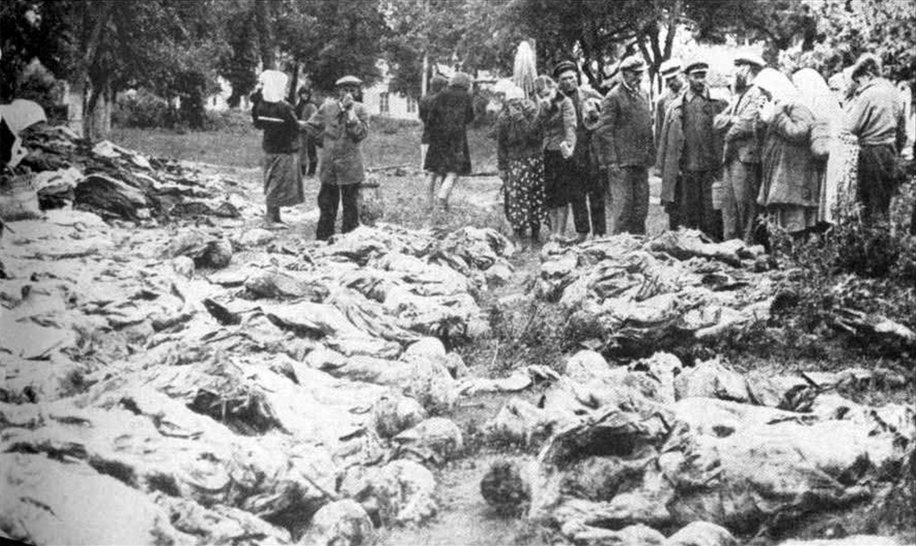
Stalin's Great Purge and Its Impact
Russia
Politics
Soviet Union
4 min read
Updated By: History Editorial Network (HEN)
Published:
Updated:
Stalin's Great Purge was a campaign of political repression in the Soviet Union that resulted in the execution and imprisonment of millions. This period, marked by widespread fear and paranoia, targeted individuals deemed as enemies of Joseph Stalin's regime. The purge primarily focused on members of the Communist Party, military leaders, and ordinary citizens who were suspected of dissent or disloyalty. The political climate during this time was heavily influenced by the Great Depression, which had begun earlier and was perceived by many socialists and communists as evidence of capitalism's failure. This context contributed to the atmosphere of suspicion and the justification for the purge, as Stalin sought to consolidate power and eliminate any potential threats to his authority.
The impact of the Great Purge was profound and far-reaching. It not only decimated the ranks of the Communist Party and the military but also instilled a culture of fear among the populace. Many people were forced to betray friends and family to avoid persecution, leading to a breakdown of trust within communities. The purges resulted in the execution of a significant number of individuals, while countless others were sent to labor camps, where many perished due to harsh conditions. The Great Purge effectively silenced opposition and dissent, allowing Stalin to maintain a tight grip on power. The long-term consequences included a weakened military and a society marked by trauma and repression, which would have lasting effects on the Soviet Union's political landscape and its citizens' lives.
#mooflife
#MomentOfLife
#Stalin
#GreatPurge
#SovietUnion
#PoliticalRepression
#HistoricalImpact

Explore the Life Moments of
 AI Twin