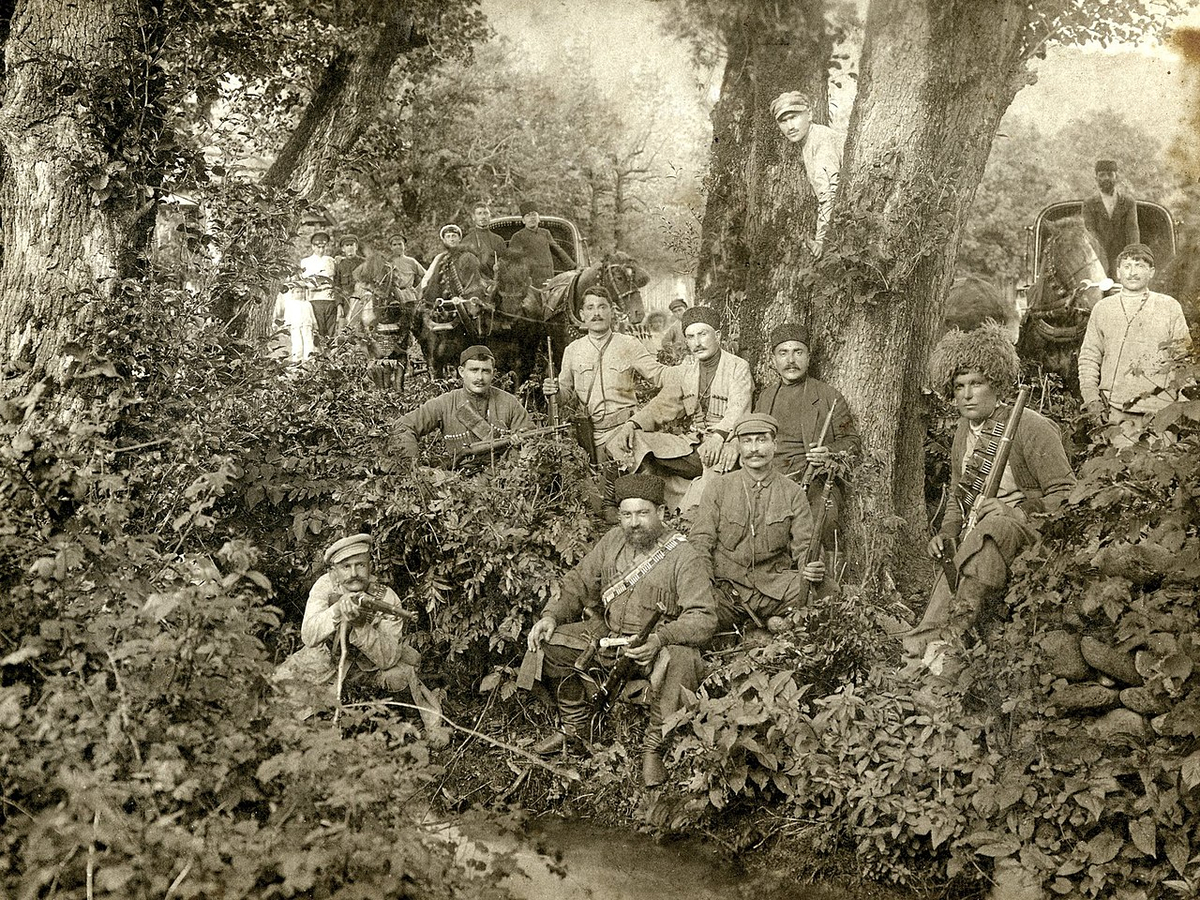
The August Uprising in Georgia
Russia
Uprisings
Georgia
3 min read
Updated By: History Editorial Network (HEN)
Published:
Updated:
The August Uprising in Georgia was an anti-Soviet rebellion that emerged from a coalition of Georgian nationalists and socialists. This uprising was part of a broader context of resistance against Bolshevik rule, which had increasingly resorted to suppression of various socialist factions and nationalist movements. The discontent among the Georgian populace stemmed from the imposition of Soviet authority and the perceived erosion of national identity and autonomy. The uprising was marked by widespread protests and armed resistance, reflecting the deep-seated grievances against the Soviet regime. The Bolshevik government responded with significant military force, leading to a violent crackdown on the rebellion. The suppression of the uprising resulted in severe repression in Georgia, including arrests, executions, and the establishment of a climate of fear among the population. This event highlighted the tensions between the Soviet central authority and regional aspirations for independence, as well as the challenges faced by the Bolsheviks in maintaining control over diverse ethnic groups within the Soviet Union. The aftermath of the uprising had lasting implications for Georgian society, contributing to a legacy of resistance against Soviet rule and shaping the national consciousness in the years to come.
#mooflife
#MomentOfLife
#Georgia
#AugustUprising
#SovietUnion
#Anti-sovietRebellion
#Nationalism

Explore the Life Moments of
 AI Twin