
Nigeria

The Giant of Africa
Related Lives

Burundi
The Land of a Thousand Hills

Nobel Prize in Literature
Inspiring through literature

Rugby World Cup
International Rournament in Rugby

Horror Movies
Nightmares on Screen

Greece
The Cradle of Western Civilization.

Olympics
The Grandest Stage of All


Timor-Leste (East Timor)
Land of the Rising Sun

1948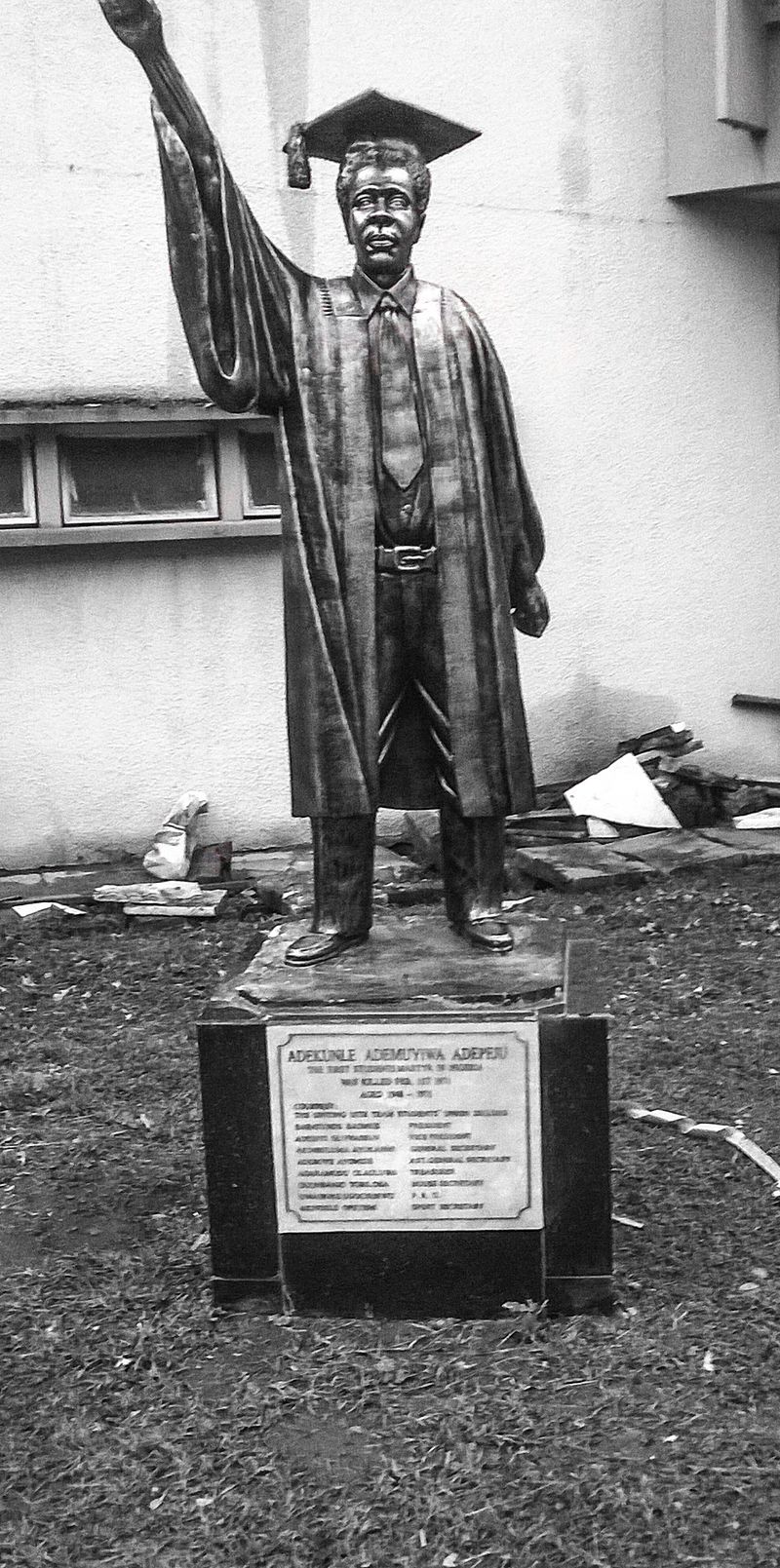
The University of Ibadan in Nigeria initiated its first courses in 1948, marking a pivotal moment in the country's educational landscape. Established as the first university in Nigeria, the institution played a crucial role in providing higher education opportunities to the Nigerian populace.
The inception of courses at the University of Ibadan brought forth a new era of academic excellence and innovation in Nigeria. The institution's focus on various fields of study laid the foundation for the development of skilled professionals across diverse industries. The curriculum was designed to meet the evolving needs of the Nigerian society, fostering intellectual growth and research advancements.
With the commencement of courses, students were afforded the opportunity to engage with a wide range of academic disciplines, thus broadening their knowledge and skill sets. This exposure not only enriched their educational experience but also equipped them with the tools needed to contribute meaningfully to the socio-economic development of the nation.
The impact of the University of Ibadan's first courses extended beyond its campus, influencing the trajectory of higher education in Nigeria. By setting a precedent for academic excellence, the institution inspired the establishment of additional universities across the country, thereby expanding access to quality education for future generations of Nigerians.
The event marked a significant milestone in the history of education in Nigeria, signifying the country's commitment to fostering a culture of learning and intellectual exploration. The legacy of the University of Ibadan's inaugural courses continues to resonate, shaping the educational landscape of Nigeria and empowering generations of students to pursue excellence in their academic pursuits.
#UniversityofIbadan #NigerianEducation #AcademicExcellence #HigherEducation #EducationalMilestone
View details1928
In southeastern Nigeria, the Aba Women's Riots erupted, prompting Igbo women to lead an anti-colonial revolt against British authorities. The catalyst was the imposition of direct taxation on women by the colonial administration, which caused widespread discontent among the local population. The women, faced with increased financial burdens and a threat to their traditional societal roles, organized mass protests to challenge the tax policy.
The protests quickly escalated into a significant resistance movement, with thousands of women demonstrating across the region. They utilized traditional Igbo practices, such as communal gatherings and symbolic protests, to amplify their voices and resist colonial oppression. The women's revolt was not only about tax grievances but also a broader resistance against social, economic, and political marginalization under British colonial rule.
The Aba Women's Riots had a lasting impact on Nigerian history and the anti-colonial struggle. The women demonstrated courage, resilience, and unity in the face of colonial injustice, inspiring future generations of Nigerians to resist oppressive systems. The riots also exposed the exploitative practices of the British colonial administration and contributed to the discourse on women's rights and political participation in Nigeria.
Overall, the Aba Women's Riots marked a pivotal moment in Nigeria's anti-colonial resistance, highlighting the power of grassroots movements and women's leadership in challenging colonial authority. The legacy of the uprising continues to resonate in the collective memory of Nigerians, serving as a reminder of the importance of standing up against injustice and advocating for social change.
#AbaWomenRiots #AntiColonialResistance #IgboWomenLeadership #NigerianHistory #GrassrootsMovement
View details1922
In 1922, the formation of the Nigerian National Democratic Party (NNDP) marked a pivotal moment in Nigeria's political history. The party was the first of its kind in the country, symbolizing a shift towards organized political engagement and representation.
The NNDP emerged in response to growing calls for Nigerian participation in decision-making processes that were previously dominated by colonial authorities. Led by Herbert Macaulay, a prominent nationalist figure, the party aimed to advocate for the interests of Nigerians and challenge colonial rule in a peaceful and democratic manner.
The formation of the NNDP provided a platform for Nigerians to voice their concerns and push for political reforms. It paved the way for greater awareness of civil rights and paved a path towards self-governance. The party's activities helped to galvanize nationalist sentiments and foster a sense of unity among diverse ethnic groups within the country.
The NNDP's influence extended beyond its formation, as it set a precedent for the emergence of other political parties in Nigeria. It played a crucial role in shaping the political landscape of the country and laying the groundwork for future struggles for independence.
Overall, the establishment of the Nigerian National Democratic Party in 1922 was a watershed moment in Nigeria's history. It represented a significant step towards self-determination and political empowerment for Nigerians. The legacy of the NNDP continues to be felt today, as Nigeria navigates its path towards progress and development.
#NigerianNationalDemocraticParty #HerbertMacaulay #PoliticalEmpowerment #ColonialResistance #NigerianHistory #NationalistMovement
View details1921
The enactment of the Clifford Constitution marked a significant shift in Nigeria's political landscape. This constitution was introduced to address the demands for greater representation and participation of Nigerians in the governance of their country. Prior to the Clifford Constitution, the colonial administration in Nigeria was centralized and excluded indigenous voices from the decision-making process.
The introduction of limited elective representation through the Clifford Constitution allowed for a small number of Nigerians to be elected into legislative councils. Although the number of elected seats was limited, this move opened up opportunities for Nigerians to have a voice in the legislative process and to advocate for their interests. This was a crucial step towards greater political inclusion and representation for the Nigerian people.
The impact of the Clifford Constitution was profound, as it laid the foundation for future constitutional developments in Nigeria. It paved the way for the gradual expansion of electoral representation and the eventual attainment of independence. The introduction of limited elective representation also contributed to the emergence of political leaders who would play key roles in shaping Nigeria's future.
In conclusion, the enactment of the Clifford Constitution, introducing limited elective representation in Nigeria, was a pivotal moment in the country's history. It marked a significant milestone in the struggle for political rights and paved the way for greater inclusion and representation of Nigerians in the governance of their own country. This event set the stage for the eventual independence of Nigeria and the emergence of a new era of self-governance and self-determination.
#CliffordConstitution #NigerianPolitics #LimitedRepresentation #PoliticalInclusion
View details1918
In Abeokuta, Nigeria, an uprising erupted against British colonial rule. The Egba people, led by their traditional rulers, fiercely resisted the oppressive policies enforced by the British administrators. This uprising was a culmination of years of tension and grievances over taxation, land expropriation, and the disregard for local customs and traditions.
The Egba people, known for their unity and strong sense of identity, organized themselves to combat the encroachment on their autonomy. They utilized their knowledge of the terrain and their determination to challenge the British authority. The uprising symbolized a collective effort to safeguard their sovereignty and resist the injustices imposed upon them.
As the conflict ensued, the Egba people engaged in guerilla warfare strategies, making it challenging for the British forces to suppress the rebellion. The resilience and tenacity displayed by the Egba fighters showcased their unwavering commitment to preserving their way of life and protecting their community from external interference.
The Egba uprising against British colonial rule in Abeokuta had significant repercussions. It highlighted the resistance of indigenous peoples against colonial powers and demonstrated the strength of unity in the face of adversity. The event also underscored the complexities of colonialism and the struggles faced by local populations in maintaining their independence and cultural heritage.
Ultimately, the Egba uprising stands as a testament to the resilience of the Nigerian people in the fight against colonial oppression and for self-determination. It serves as a reminder of the importance of recognizing and honoring the histories of resistance that have shaped the nation.
#EgbaUprising #BritishColonialRule #Abeokuta #Resistance #SelfDetermination #Nigeria
View details1914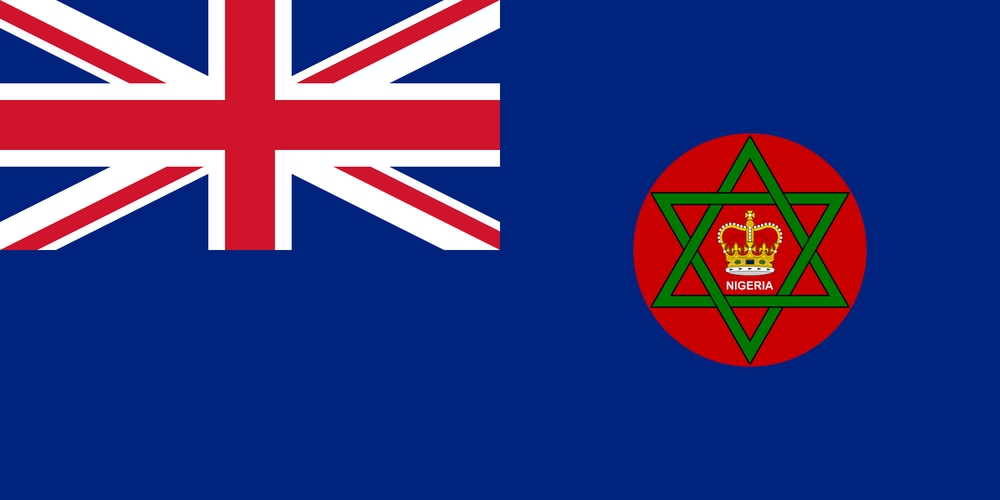
The event marks the official commencement of British colonial rule in Nigeria. Prior to this, Nigeria was a collection of diverse kingdoms and tribal regions. However, after various regions were annexed by the British during the 19th century, the country was amalgamated into one British protectorate in 1914.
Under British rule, Nigeria's political, social, and economic structures underwent significant changes. The British implemented a system of indirect rule, whereby local authorities were appointed to govern on behalf of the colonial administration. This system allowed traditional rulers to maintain some level of control, while ultimately answering to British officials. Additionally, British influence brought about the introduction of Western education, Christianity, and modern infrastructure such as railways and telecommunication networks.
The impact of British colonial rule in Nigeria was profound and long-lasting. The country's borders were redrawn, leading to the creation of artificial boundaries that did not align with pre-existing ethnic or cultural divisions. This would later contribute to ethnic tensions and conflicts in the post-colonial era. The extraction of natural resources for the benefit of the British Empire also had lasting consequences, as it disrupted local economies and led to the marginalization of certain regions.
The legacy of British colonial rule in Nigeria continues to shape the country's political landscape and societal dynamics. The scars of colonization can be seen in ongoing debates over federalism, resource distribution, and national identity. Despite gaining independence in 1960, Nigeria continues to grapple with the effects of its colonial past as it strives to forge a cohesive national identity and address deep-seated socio-economic disparities.
#BritishColonialRule #NigeriaHistory #LegacyOfColonization
View details1903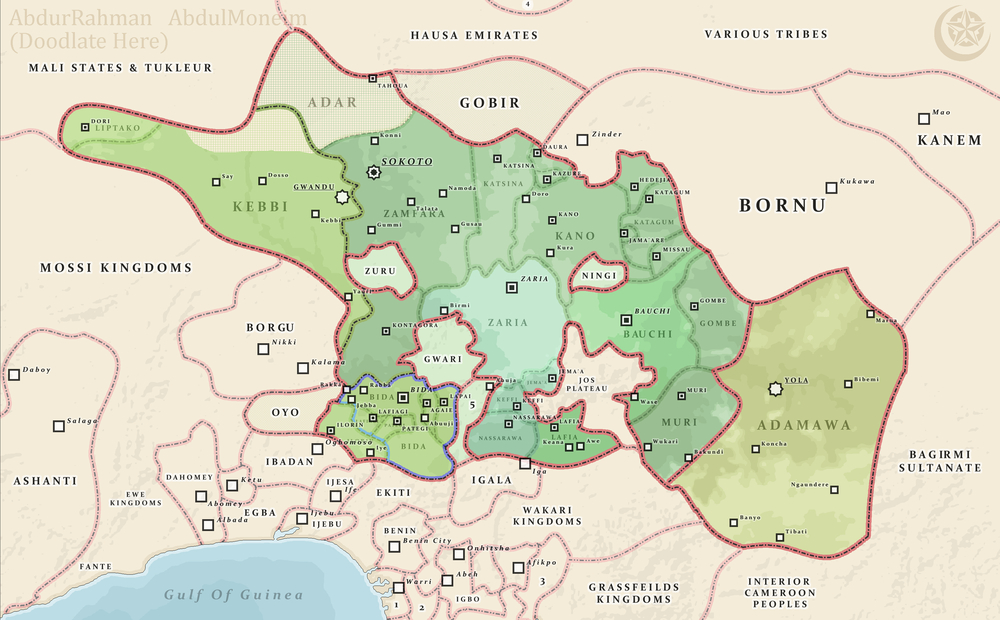
The Fall of the Sokoto Caliphate in Northern Nigeria marked a significant shift in power dynamics in the region. The British Empire, through a series of military campaigns, claimed supremacy over an expansive territory of over 500,000 square miles. The Sokoto Caliphate, which had been a prominent Islamic state in West Africa, was defeated by British forces, led by Lord Frederick Lugard.
The Sokoto Caliphate, established in the early 19th century by the Fulani Islamic scholar Usman dan Fodio, had wielded considerable influence over the territories of present-day Northern Nigeria. However, internal dissent and external pressures, including the encroaching British colonial forces, weakened the Caliphate. The British viewed the Caliphate as a potential threat to their expanding colonial interests in the region and sought to assert their authority.
The British military campaigns led to the defeat of the Sokoto Caliphate's forces in various battles, culminating in the eventual fall of Sokoto city, the capital of the Caliphate. This marked the end of the Caliphate's political and military power, as it was incorporated into the British colonial administration.
The impact of the Fall of the Sokoto Caliphate was profound, as it significantly altered the socio-political landscape of Northern Nigeria. The region came under direct British rule, leading to the imposition of new administrative systems and policies. The defeat of the Caliphate also had cultural and religious implications, as traditional structures were dismantled, and Islamic authority was undermined.
Overall, the Fall of the Sokoto Caliphate in Northern Nigeria represented a turning point in the history of the region, signaling the ascendancy of British colonial power and the decline of indigenous Islamic states. The legacy of this event continues to shape contemporary socio-political dynamics in Nigeria.
#SokotoCaliphate #BritishColonialism #NorthernNigeria #ColonialImpact
View details1893
The establishment of the Niger Coast Protectorate marked the formal consolidation of British control over various coastal territories in present-day Nigeria. This move was fueled by the British aim to counteract other European powers' increasing encroachment in the region. It was a strategic effort to safeguard British trade interests along the Gulf of Guinea and to prevent potential threats to their influence.
Prior to the establishment of the protectorate, the British had been gradually expanding their control over parts of the Nigerian coast through treaties with local rulers. The formal establishment solidified their authority and allowed for the imposition of British laws and customs in the region. This not only provided a legal framework for British administration but also facilitated the protection of British merchants and missionaries operating in the area.
The impact of the Niger Coast Protectorate was significant, as it laid the groundwork for subsequent British colonial rule in Nigeria. The protectorate served as a precursor to the broader British colonization of the Nigerian interior, leading to the eventual amalgamation of the region into the single entity known as Nigeria. This laid the foundation for the modern Nigerian state and had long-lasting implications for the political, social, and economic development of the country.
The establishment of the Niger Coast Protectorate underscores the complex legacy of colonialism in Nigeria, with lasting effects on the country's governance, ethnic relations, and economic structures. It remains a pivotal moment in Nigerian history, highlighting the dynamics of power, control, and influence that have shaped the nation's trajectory.
#BritishColonialism #NigerianHistory #ColonialLegacy #BritishEmpire #NigerianIndependence
View details1884
In 1886, British investors established the Royal Niger Company, aiming to exploit trade opportunities in the region. The company was granted a charter by the British government, giving it a monopoly over trade along the Niger River and its tributaries. This move was primarily motivated by the economic interests of the British Empire, seeking to dominate the lucrative palm oil and rubber trades in the Niger Delta area.
The establishment of the Royal Niger Company had a profound impact on the local economy and political landscape. The company's operations led to the further colonization and exploitation of the region, as they controlled trade routes and exerted influence over local communities. This eventually laid the foundation for British colonial rule in Nigeria.
Under the guise of promoting commerce and ending the slave trade, the Royal Niger Company expanded its control over the territory, leading to conflicts with local rulers and communities. This marked the beginning of a period of colonial domination that would last for decades.
The company's presence also brought about significant social and cultural changes in the region. The introduction of Western technologies, administrative systems, and Christianity had a lasting impact on the indigenous populations, reshaping their way of life and traditional practices.
In conclusion, the establishment of the Royal Niger Company by British investors in 1886 was a pivotal moment in the history of Nigeria. It marked the beginning of British colonialism in the region, leading to widespread economic exploitation and social transformation. The legacy of this event continues to shape the present-day socio-political landscape of Nigeria. #RoyalNigerCompany #BritishColonialism #NigerianHistory
View details1861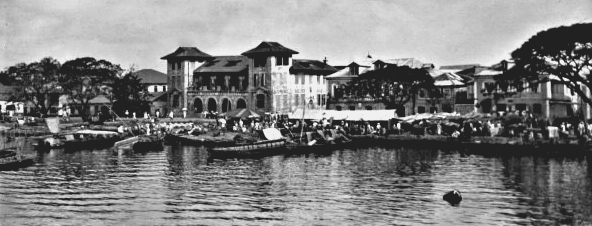
In the mid-19th century, Lagos was a thriving trade hub on the West African coast, attracting the interest of European powers. The British, aiming to expand their influence in the region, set their sights on Lagos. Tensions escalated between the British and the local rulers due to trade disputes and concerns over the spread of slavery.
The British Navy launched a sudden bombardment on Lagos, catching its defenders off guard. The sustained assault resulted in significant damage to the city and its infrastructure, forcing the local leaders to surrender. With the annexation of Lagos, Britain gained control over a strategic port and enhanced its presence in West Africa.
Following the bombardment, British administrators took charge of Lagos and implemented new policies that favored British interests. The local population faced changes in governance, economy, and social dynamics as British influence grew stronger. The annexation of Lagos laid the foundation for British colonial rule in Nigeria and marked a turning point in the region's history.
The event had far-reaching consequences for Lagos and its people. The city underwent rapid transformation under British colonial administration, leading to the displacement of indigenous communities and the imposition of new laws and customs. The annexation also set the stage for further British expansion in Nigeria and the eventual establishment of a colonial empire in the region.
The bombardment of Lagos and its annexation by Britain remain significant chapters in Nigeria's history, highlighting the impact of European imperialism on the African continent. The event underscores the complexities of colonial encounters and the enduring legacy of foreign intervention in shaping the destinies of nations. #LagosAnnexation #BritishNavy #Colonialism #Imperialism #NigerianHistory
View details1816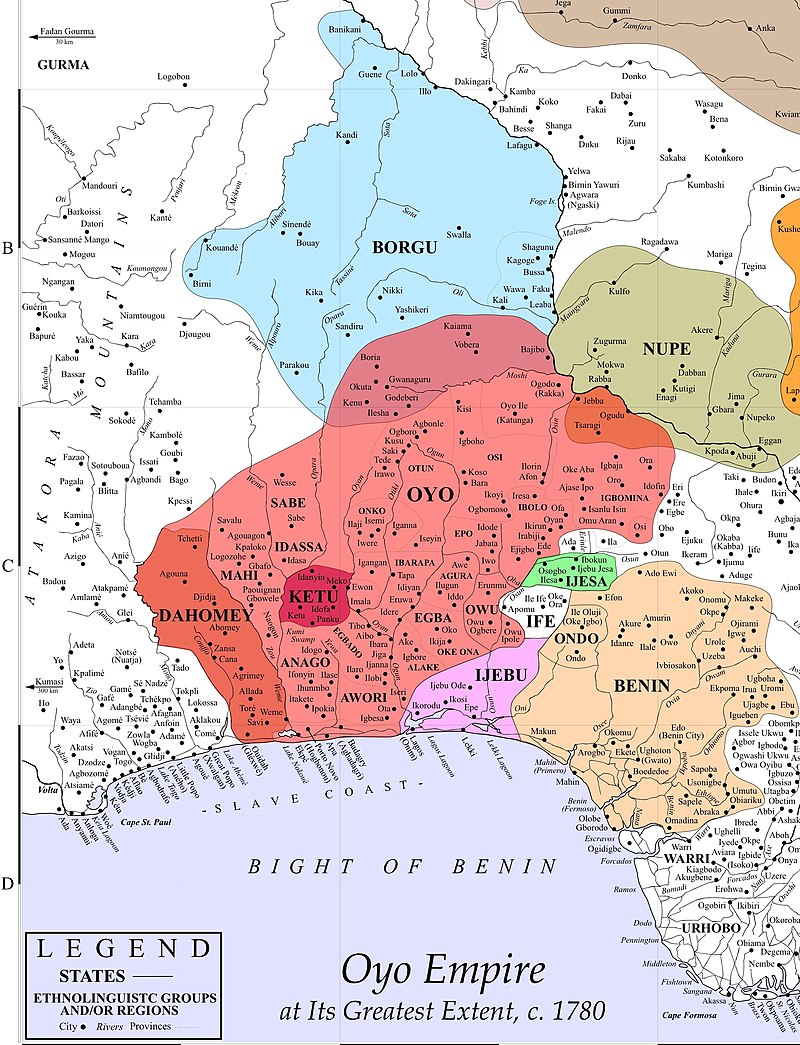
The Oyo Empire, once a powerful West African state known for its military strength and vibrant culture, faced a devastating blow when its capital, Oyo-Ile, was destroyed by Fulani Jihadists. The Oyo Empire had been a dominant force in the region for centuries, controlling vast territories and commanding respect from neighboring kingdoms.
The Fulani Jihadists, led by their charismatic leader, launched a campaign to expand their influence and spread their Islamic beliefs. The siege on Oyo-Ile was a strategic move to weaken the Oyo Empire's power and establish Fulani control over the region.
The fall of Oyo-Ile had far-reaching consequences. It marked the end of the Oyo Empire's dominance and triggered a period of political instability and upheaval in the region. The destruction of the capital city disrupted trade routes, led to the displacement of many inhabitants, and caused a widespread sense of uncertainty and fear among neighboring communities.
The event also had cultural implications, as it resulted in the loss of valuable artifacts, historical records, and architectural landmarks that were integral to the Oyo Empire's heritage. The destruction of Oyo-Ile served as a somber reminder of the fragile nature of empires and the ever-present threat of external invasions.
In the aftermath of the attack, the Oyo Empire struggled to recover and reclaim its former glory. The once-mighty empire was forced to confront a shifting political landscape and adapt to new power dynamics in the region.
Today, the ruins of Oyo-Ile stand as a testament to the empire's rich history and enduring legacy. The destruction of the Oyo Empire's capital by Fulani Jihadists remains a poignant chapter in Nigeria's past, underscoring the complexities of power, religion, and cultural heritage in the region. #OyoEmpire #FulaniJihadists #NigeriaHistory
View details1804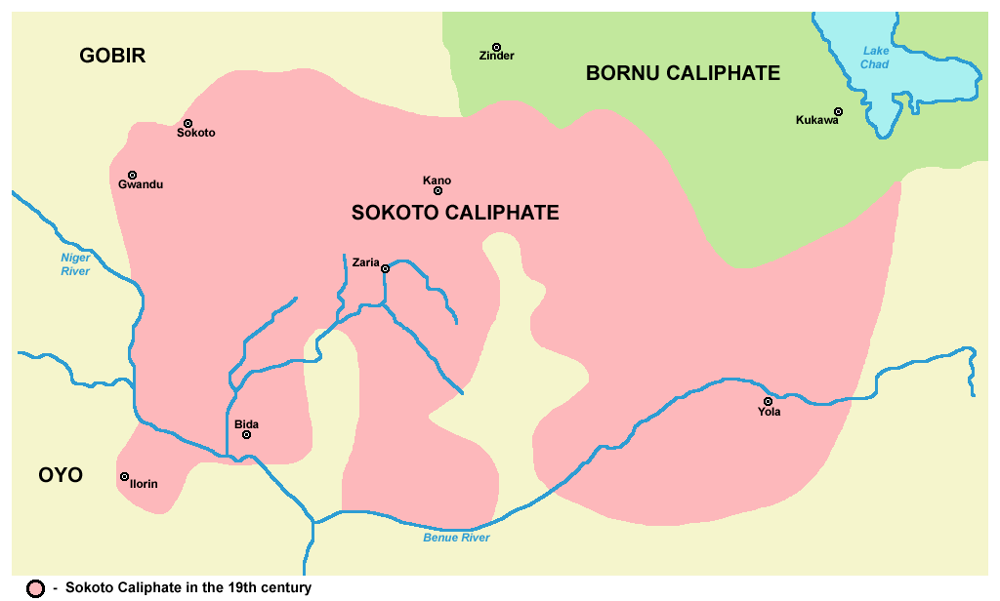
The rise of the Sokoto Caliphate under Usman dan Fodio marked a decisive turning point in the history of Nigeria. Usman dan Fodio, a charismatic scholar and leader, launched a Jihad against the corrupt Hausa rulers in the early 19th century. He sought to establish a purified Islamic state based on the principles of justice and equality. With a dedicated following and military prowess, Usman dan Fodio was able to defeat the Hausa rulers and establish the Sokoto Caliphate.
The impact of the rise of the Sokoto Caliphate was profound and far-reaching. It led to the consolidation of political power in the region and the spread of Islam. The caliphate introduced administrative reforms, Islamic law, and education systems that promoted learning and scholarship. It also facilitated trade and economic development, contributing to the prosperity of the region. The Sokoto Caliphate became a center of Islamic learning and culture, attracting scholars and students from across West Africa.
The rise of the Sokoto Caliphate under Usman dan Fodio paved the way for a new era in Nigerian history. It established a model of governance that combined Islamic principles with local traditions, shaping the political and social landscape of the region for years to come. The legacy of Usman dan Fodio and the Sokoto Caliphate continues to resonate in Nigeria today, influencing religious, cultural, and political practices.
#SokotoCaliphate #UsmandanFodio #IslamicRevival #PoliticalTransformation #CulturalInfluence
View detailsIn [Date], the establishment of the Emirate of Kano under the Fulani Empire marked a pivotal moment in the history of Nigeria. Led by Usman dan Fodio, the Fulani Empire sought to reform Islamic practices and establish a centralized political system in the region.
The Fulani Empire, with its capital in Sokoto, aimed to spread Islamic teachings and governance across West Africa. Usman dan Fodio, a prominent Islamic scholar, called for a jihad to overthrow corrupt rulers and establish a just and religiously guided society. The Emirate of Kano was one of the key territories brought under the control of the Fulani Empire during this period.
The establishment of the Emirate of Kano under the Fulani Empire led to significant changes in the region. Islamic law was implemented, local rulers were replaced by emirs appointed by the Fulani leadership, and a new administrative structure was put in place. This centralized system allowed for more efficient governance and the spread of Islamic teachings and culture.
The impact of the Fulani Empire and the Emirate of Kano extended beyond political and administrative changes. The cultural and religious influence of the Fulani rulers reshaped societal norms and practices in the region, leaving a lasting legacy that can still be seen in contemporary Nigeria.
Today, the Emirate of Kano remains an important cultural and historical symbol in Nigeria, reflecting the rich tapestry of its past and the enduring legacy of the Fulani Empire. The establishment of the Emirate of Kano under the Fulani Empire continues to be studied and celebrated as a key event in Nigerian history.
#EmirateOfKano #FulaniEmpire #NigerianHistory #UsmanDanFodio #IslamicGovernance
View details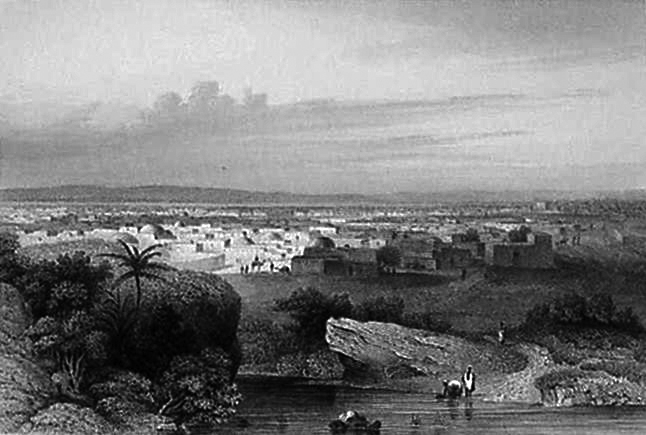
1639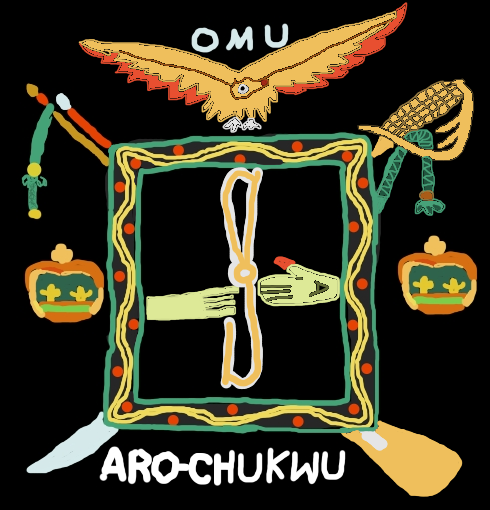
In the early 17th century, the Aro people, a subgroup of the Igbo ethnic group in present-day Nigeria, formed a coalition known as the Aro Confederacy. This confederacy played a crucial role in the trade networks of the region, serving as intermediaries between the coastal regions and the interior of Southeastern Nigeria. It was a union of several villages and communities under the leadership of the Arochukwu kingdom.
The formation of the Aro Confederacy was driven by economic interests, as it allowed the Aro to control trade routes and establish dominance in the region. The Aro controlled trade in goods such as palm oil, slaves, and firearms, which brought them wealth and power. Additionally, the Confederacy served as a religious and judicial authority, enforcing laws and settling disputes among its members.
The Aro Confederacy had a significant impact on the political landscape of the region, as it wielded considerable influence over neighboring communities and kingdoms. The Aro also played a role in the slave trade, capturing and selling slaves to European traders along the coast. This economic activity further increased the wealth and influence of the Confederacy.
Over time, the Aro Confederacy became a major player in the transatlantic slave trade, supplying a significant number of slaves to European traders. This solidified their position as key figures in the economic and political spheres of Southeastern Nigeria.
The creation of the Aro Confederacy marked a pivotal moment in the history of the Igbo people, shaping their interactions with neighboring groups and European powers. It was a time of both prosperity and conflict, as the Aro expanded their influence while also facing opposition from rival factions.
#AroConfederacy #IgboHistory #TradeNetworks #TransatlanticSlaveTrade #Nigeria
View details1599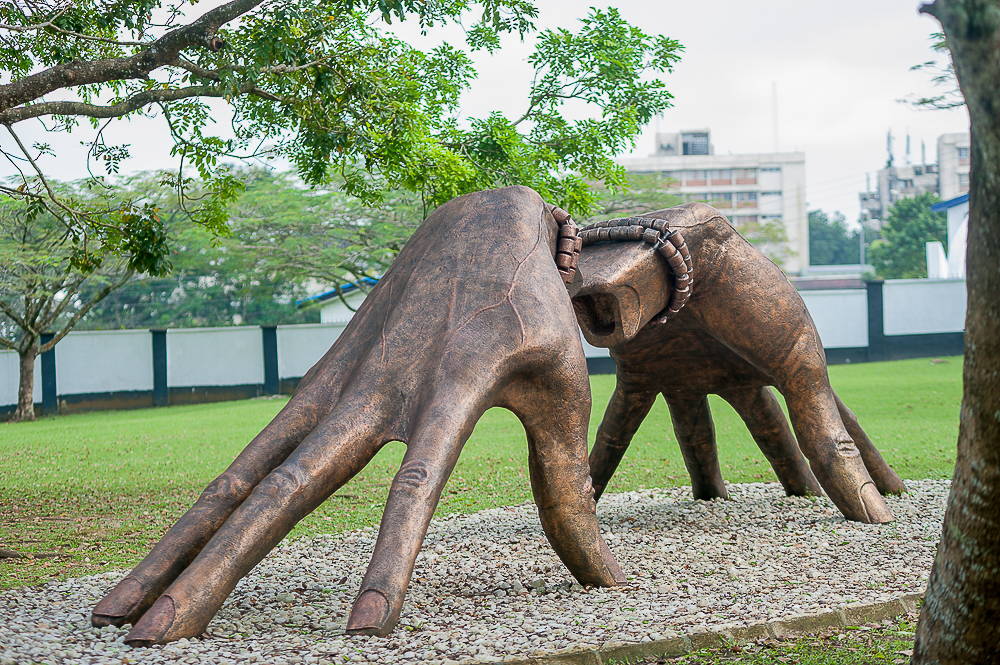
In 1600, Calabar emerged as a key player in the transatlantic slave trade. British merchants identified the region as strategically located for the capture and transportation of enslaved Africans to the Americas. The natural harbor of Calabar provided easy access for European ships, facilitating the loading of human cargo.
The demand for slaves in the New World fueled the growth of Calabar as a major slave trading hub. European powers established forts and trading posts along the Calabar River to secure their economic interests and control the flow of enslaved individuals. The local Efik people, who had long been engaged in slave trading within the region, formed alliances with the European traders to profit from this lucrative business.
The establishment of Calabar as a center for the slave trade had devastating consequences for the people of West Africa. Communities were raided, families torn apart, and individuals subjected to inhumane conditions during the brutal journey across the Atlantic. The scale of the trade from Calabar contributed significantly to the overall dehumanization and exploitation of African people during this dark chapter in history.
The repercussions of the transatlantic slave trade are still felt today, with lasting impacts on the social, economic, and cultural fabric of many African nations. The legacy of this period continues to shape discussions around reparations, historical memory, and human rights.
#CalabarSlaveTrade #TransatlanticTrade #EfikPeople #ImpactofSlavery #AfricanDiaspora
View details1472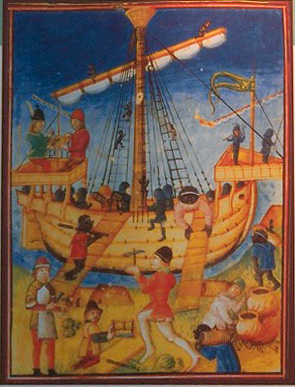
In 1472, Portuguese explorers arrived in Lagos, a bustling coastal town in what is now modern-day Nigeria. Led by the renowned navigator, Rui de Sequeira, the Portuguese expedition marked the beginning of European contact and trade in West Africa. The explorers were in search of new trade routes and valuable resources, such as gold and spices, which were abundant in the region.
The arrival of the Portuguese in Lagos had a profound impact on the local economy and society. It introduced new goods, technologies, and ideas to the region, transforming the trading landscape along the West African coast. The Portuguese established trade partnerships with local leaders, exchanging European goods like textiles, beads, and firearms for African commodities like gold, ivory, and slaves.
The influx of European merchants brought wealth and prosperity to Lagos, making it a key hub for trade in the region. The Portuguese presence also led to cultural exchanges between Europe and Africa, influencing art, language, and religious practices in the area. However, it also had negative consequences, such as the spread of diseases like smallpox and the rise of the transatlantic slave trade.
Overall, the arrival of the Portuguese in Lagos marked a significant turning point in the history of West Africa, paving the way for centuries of European colonial rule in the region. It laid the foundation for the transatlantic slave trade and the exploitation of African resources, shaping the socio-economic and political dynamics of the continent for years to come.
#PortugueseExplorers #WestAfricanTrade #CulturalExchange #EuropeanColonization #TransatlanticSlaveTrade
View details1463
Sultan Suni Ali, a renowned warrior, led the Songhai Empire to conquer the Hausaland region in Nigeria during the 15th century. This conquest was a strategic move by Suni Ali to expand the empire’s territory, increase trade routes, and gain control over key resources in the area. Hausaland, known for its rich cultural heritage and skilled artisans, offered significant economic and political advantages.
The conquest of Hausaland under Sultan Suni Ali had far-reaching impacts on the region. It led to the integration of Hausaland into the vast Songhai Empire, bringing about changes in governance, trade, and cultural exchange. The Hausa people became part of the thriving empire, benefiting from its administrative systems and military protection. Furthermore, the conquest strengthened the empire’s military prowess and solidified its position as a dominant power in West Africa.
Sultan Suni Ali’s military campaign in Hausaland was marked by strategic planning, superior tactics, and alliances with local leaders who supported his cause. His forces engaged in battles that were fierce and decisive, ultimately leading to the submission of Hausaland to the Songhai Empire. Suni Ali’s leadership and military acumen were instrumental in the success of this conquest, establishing him as a formidable ruler in the region.
Overall, the conquest of Hausaland by Sultan Suni Ali was a pivotal event in the history of West Africa. It reshaped political boundaries, cultural dynamics, and economic relationships in the region, leaving a lasting legacy that endured for generations. The integration of Hausaland into the Songhai Empire brought about new opportunities for trade, cultural exchange, and political stability, shaping the future trajectory of the region.
#SultanSuniAli #SonghaiEmpire #HausalandConquest #WestAfricanHistory #PoliticalIntegration #CulturalExchange
View details1450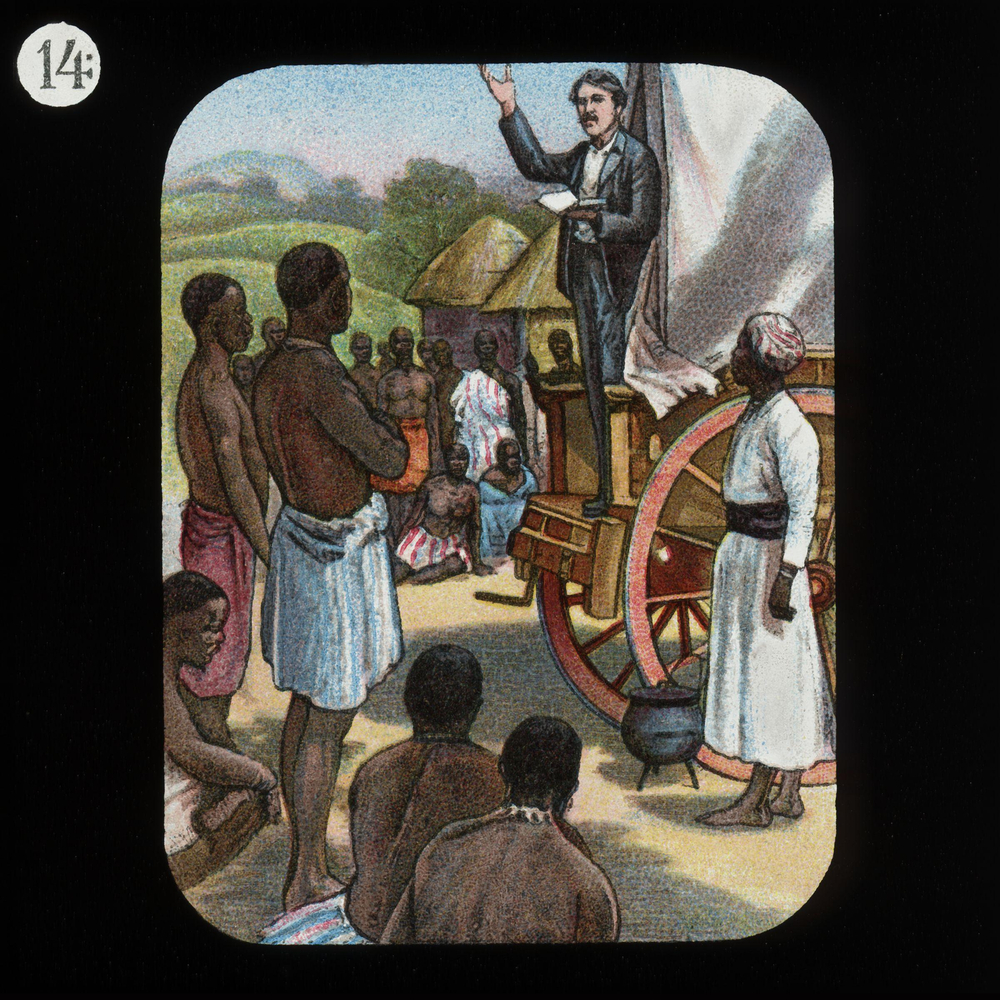
The arrival of the first Christian missionaries in Nigeria by Portuguese explorers marked a pivotal moment in the country's religious history. The Portuguese explorers, driven by a desire to spread Christianity, introduced the faith to the people of Nigeria. This event opened the doors for the Christian faith to take root and grow in the region.
The impact of the arrival of the missionaries was profound, as it laid the foundation for the establishment of Christianity in Nigeria. The missionaries brought with them not only the teachings of Christianity but also aspects of Western culture and education. They established churches, schools, and hospitals, which played a significant role in shaping the social and cultural landscape of Nigeria.
The introduction of Christianity by the Portuguese missionaries sparked a transformation in the spiritual beliefs and practices of the Nigerian people. Over time, Christianity spread across the country, influencing the lives of many and becoming a dominant religion in Nigeria.
This event set the stage for the development of Christianity in Nigeria, leading to the emergence of various Christian denominations and churches throughout the country. The legacy of the first Christian missionaries continues to resonate in Nigeria, shaping the religious identity and cultural heritage of the nation.
#PortugueseExplorers #ChristianityInNigeria #CulturalTransformation #ReligiousHistory
View details1249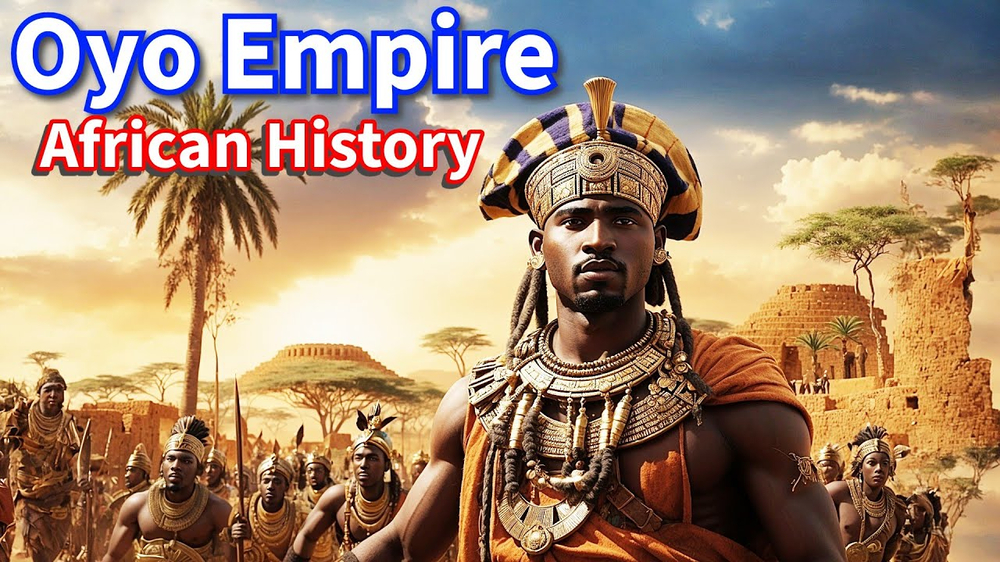
In 1250, the Oyo Empire, located in present-day Nigeria, experienced a significant turning point known as the Rise of the Oyo Empire. The empire had its roots in the Yoruba city-state of Oyo, which expanded through conquest and alliances to become a dominant force in the region. The empire's rise was propelled by strategic military alliances, a centralized government, and a sophisticated bureaucracy.
Under the leadership of powerful rulers like Oranmiyan and Ajaka, the Oyo Empire expanded its territory, established trade routes, and constructed a formidable army. Its military prowess was renowned, allowing the empire to exert control over neighboring regions and extract tribute from them. This expansion brought wealth and prestige to the empire, solidifying its position as a major political and economic power in West Africa.
The rise of the Oyo Empire had far-reaching impacts on the region. It facilitated the spread of Yoruba culture and language, as well as the development of trade networks that connected different parts of West Africa. The empire's political structure influenced neighboring societies, shaping the political landscape of the region for centuries to come. Additionally, the Oyo Empire became a center of cultural exchange, attracting merchants, scholars, and craftsmen from across the region.
Today, the legacy of the Oyo Empire continues to resonate in Nigeria and beyond. Its rich history and cultural heritage are celebrated, serving as a reminder of the empire's enduring influence on the region. The Rise of the Oyo Empire marked a pivotal moment in West African history, highlighting the power of strategic alliances, military might, and bureaucratic governance in shaping the destinies of nations.
#OyoEmpire #WestAfricanHistory #CulturalExchange
View details1099
In the 11th century, Islam began to spread in Northern Nigeria through various means such as trade, migration, and the influence of Islamic scholars. Traders from North Africa introduced the religion to the region, establishing networks that facilitated the exchange of goods and ideas. Over time, the Hausa city-states embraced Islam, leading to the construction of mosques and the adoption of Islamic practices.
The spread of Islam in Northern Nigeria had a profound impact on the region’s cultural, social, and political landscape. It brought about a sense of unity among the diverse ethnic groups as they embraced a common faith. Islamic law, known as Sharia, became a guiding principle in resolving conflicts and governing society. Education also flourished with the establishment of Quranic schools which became centers of learning and scholarship.
The adoption of Islam in Northern Nigeria led to the establishment of powerful Islamic caliphates such as the Sokoto Caliphate, which played a significant role in shaping the region's history. The Sokoto Caliphate, founded by Usman dan Fodio, became a formidable political and religious entity that promoted Islamic teachings and governance in the area. The caliphate's influence extended over vast territories, promoting peace and stability through the implementation of Sharia law.
The spread of Islam in Northern Nigeria continues to be a defining element of the region's identity to this day. The legacy of Islamic scholarship, architecture, and cultural practices are deeply ingrained in the fabric of Northern Nigerian society. The region's rich Islamic heritage serves as a cornerstone for its cultural diversity and religious tolerance.
#SpreadofIslam #NorthernNigeria #IslamicCaliphates #CulturalImpact #ShariaLaw
View details1095
The Rise of the Kano Kingdom in Northern Nigeria marked a significant turning point in the region's history. Situated strategically along trade routes, the kingdom quickly grew in power and influence. Led by skilled warriors and astute leaders, Kano expanded its territory through military conquests and alliances with neighboring states.
The kingdom's wealth was derived from trade in goods such as leather, cloth, and agricultural produce. This economic prosperity enabled the rulers to establish a thriving city with impressive city walls, mosques, and palaces. The Kano Kingdom also became a center of scholarship and Islamic learning, attracting intellectuals and scholars from far and wide.
The rise of Kano had a profound impact on the political landscape of northern Nigeria. Its influence extended across the region, leading to diplomatic ties with other powerful states. Through a combination of military strength, economic power, and diplomatic acumen, the kingdom solidified its position as a dominant force in the area.
The legacy of the Kano Kingdom continues to resonate in Nigeria's history and culture. Its architectural marvels, including the famous city walls, serve as a reminder of the kingdom's once-mighty presence. The city remains a bustling hub of commerce and culture, reflecting its enduring significance in the region.
The Rise of the Kano Kingdom in northern Nigeria showcases the enduring legacy of a powerful and influential civilization. It stands as a testament to the ingenuity and resilience of the people who built a thriving kingdom in the heart of West Africa. #KanoKingdom #NorthernNigeria #TradeRoutes #IslamicLearning #AfricanHistory
View details1000
In northern Nigeria, a significant development took place as the Hausa city-states were established. This marked a crucial phase in the region's history, shaping its political and cultural landscape. The Hausa people, known for their trading skills and agricultural expertise, founded several city-states such as Kano, Katsina, Zazzau, and Gobir.
These city-states prospered due to their strategic locations along trade routes, enabling them to engage in trade with neighboring regions. The Hausa city-states became centers of commerce and culture, attracting merchants and scholars from far and wide. This influx of trade and knowledge contributed to the economic and intellectual growth of the region.
The establishment of the Hausa city-states also led to the development of sophisticated political systems. Each city-state had its ruler and council of elders who governed the city and surrounding areas. They maintained diplomatic relations with neighboring city-states, forming alliances or engaging in conflicts when necessary.
Furthermore, the Hausa city-states were known for their unique architecture, with intricate mud-brick buildings and city walls. These structures not only served as defensive fortifications but also showcased the rich artistic traditions of the Hausa people.
The influence of the Hausa city-states extended beyond their borders, as they played a crucial role in the trans-Saharan trade network. Goods such as salt, leather, and textiles were exchanged for valuable commodities like gold and ivory. This trade network contributed to the prosperity of the city-states and facilitated cultural exchange with North African and Middle Eastern societies.
Overall, the establishment of the Hausa city-states in northern Nigeria was a pivotal moment in the region's history. It laid the foundation for a vibrant and diverse culture, marked by trade, governance, and architectural achievements. The legacy of the Hausa city-states continues to resonate in modern-day Nigeria, reflecting the resilience and ingenuity of the Hausa people. #Hausacitystates #NorthernNigeria #TradeandCulture
View details0899
The Rise of the Igbo Kingdom of Nri marked a significant development in the history of Nigeria. The kingdom, located in present-day Anambra State, emerged as one of the oldest in the region. It was believed to have been founded by the progenitor deity Eri and the priest-king, Eri I.
Nri Kingdom's governance was unique, relying on a religious and political system guided by a divine ruler known as the Eze Nri. This system helped maintain stability and unity among the Igbo people. The Eze Nri was revered as a spiritual leader and served as a unifying force for the communities under his authority.
The kingdom's influence extended beyond its borders, shaping cultural and religious practices in the surrounding regions. The Nri priests played a vital role in spreading Igbo traditions and customs, emphasizing the importance of arts, rituals, and ancestral worship.
The Nri Kingdom's economic prosperity was fueled by trade networks that stretched far and wide, connecting the Igbo people with neighboring communities. This facilitated the exchange of goods, ideas, and technologies, contributing to the kingdom's wealth and prestige.
The legacy of the Igbo Kingdom of Nri continues to resonate in present-day Nigeria, as it laid the foundation for Igbo identity and cultural heritage. The kingdom's emphasis on spirituality, governance, and economic development remains relevant in understanding the history and traditions of the Igbo people.
#IgboKingdom #NriKingdom #AnambraState #EzeNri #CulturalHeritage #TradeNetworks
View details0800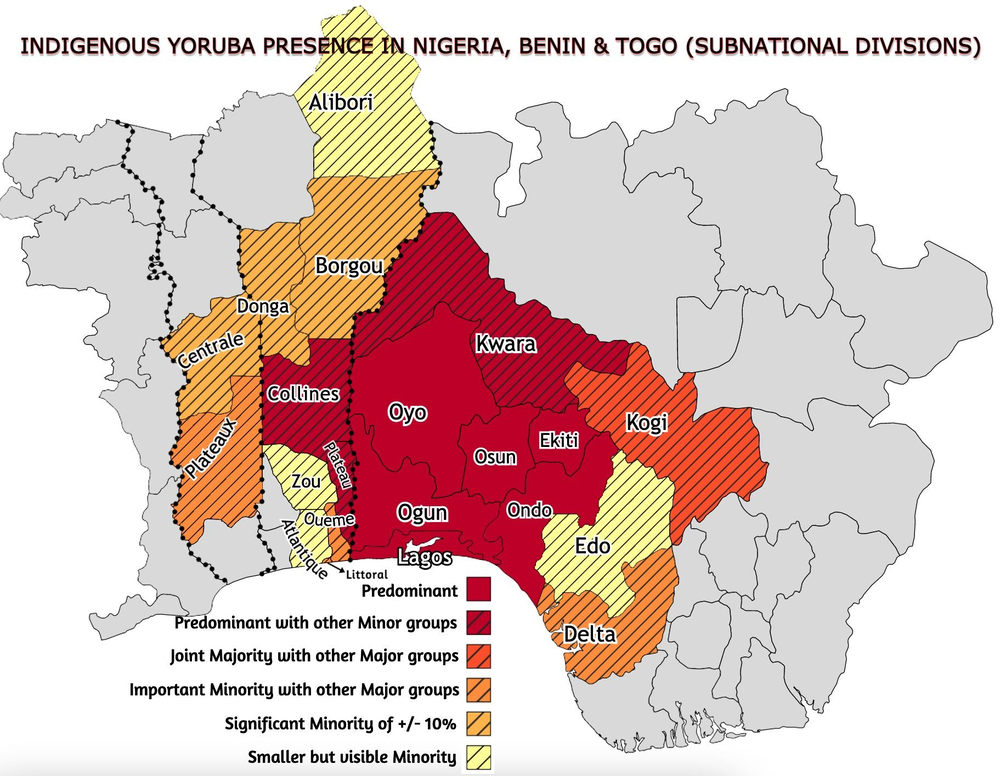
The expansion of the Yoruba city-states marked a crucial period in the history of Nigeria. This proliferation was driven by a mix of factors such as population growth, economic prosperity, and the desire for territorial dominance. The Yoruba people, known for their advanced urban centers and skilled craftsmanship, embarked on a journey to establish new settlements and strengthen their influence in the region.
As the Yoruba city-states expanded, there was an increase in trade networks, cultural exchanges, and the spread of advanced agricultural techniques. This led to a flourishing economy and the emergence of powerful monarchies ruling over vast territories. The expansion also played a significant role in shaping the political landscape of the region, with city-states like Ife, Oyo, and Ijebu becoming prominent players in regional politics.
The impact of this expansion was profound, paving the way for the establishment of a complex and sophisticated society. The Yoruba city-states developed intricate systems of governance, intricate art forms, and a rich spiritual tradition. This period also saw the rise of iconic landmarks such as the walls of Benin and the terracotta sculptures of Ife, which continue to mesmerize historians and art enthusiasts to this day.
In summary, the expansion of the Yoruba city-states was a pivotal moment in Nigerian history, marking the consolidation of power, the flourishing of culture, and the advancement of society. This event continues to resonate in the present day, serving as a testament to the ingenuity and resilience of the Yoruba people. #Yoruba #CityStates #Expansion #Nigeria
View details0799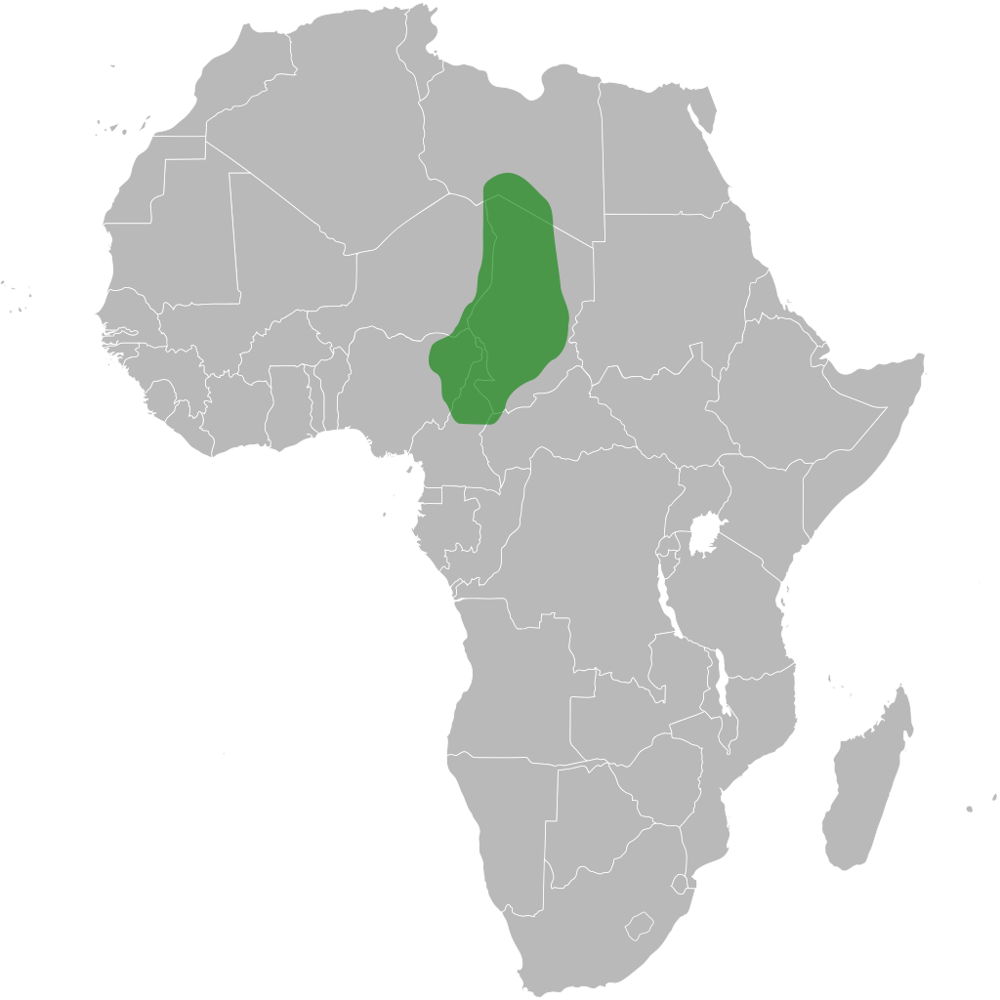
In the 9th century, the Kanem-Bornu Empire emerged in Northern Nigeria, establishing itself as a dominant force in the region. This empire was a result of the consolidation of the Kanem and Bornu kingdoms, which were influenced by the spread of Islam and trade networks in the Sahel region. The rulers of the Kanem-Bornu Empire, known as the Sayfuwa dynasty, were able to expand their territory through military conquests and strategic alliances with neighboring states.
The emergence of the Kanem-Bornu Empire had a significant impact on the political and economic landscape of Northern Nigeria. The empire became a major center of trade, connecting the Trans-Saharan trade routes with the markets of West Africa. This facilitated the exchange of goods such as salt, ivory, and slaves, contributing to the wealth and prosperity of the empire. Additionally, the adoption of Islam as the state religion brought about cultural and religious changes within the empire, influencing art, architecture, and governance.
The Kanem-Bornu Empire reached its peak during the reign of Mai Idris Alooma in the 16th century. Under his leadership, the empire expanded its territories, reaching as far as the shores of Lake Chad and becoming a powerful military force in the region. However, internal strife and external pressures from European colonial powers eventually led to the decline of the empire in the 19th century.
The emergence of the Kanem-Bornu Empire marked a significant period in the history of Northern Nigeria, shaping the political, economic, and cultural landscape of the region for centuries to come. The legacy of this empire is still evident in the traditions and customs of the indigenous peoples of Northern Nigeria today.
#KanemBornuEmpire #NorthernNigeria #SayfuwaDynasty #TradeRoutes #Islam #MaiIdrisAlooma #TransSaharanTrade #Colonialism #CulturalHeritage.
View details