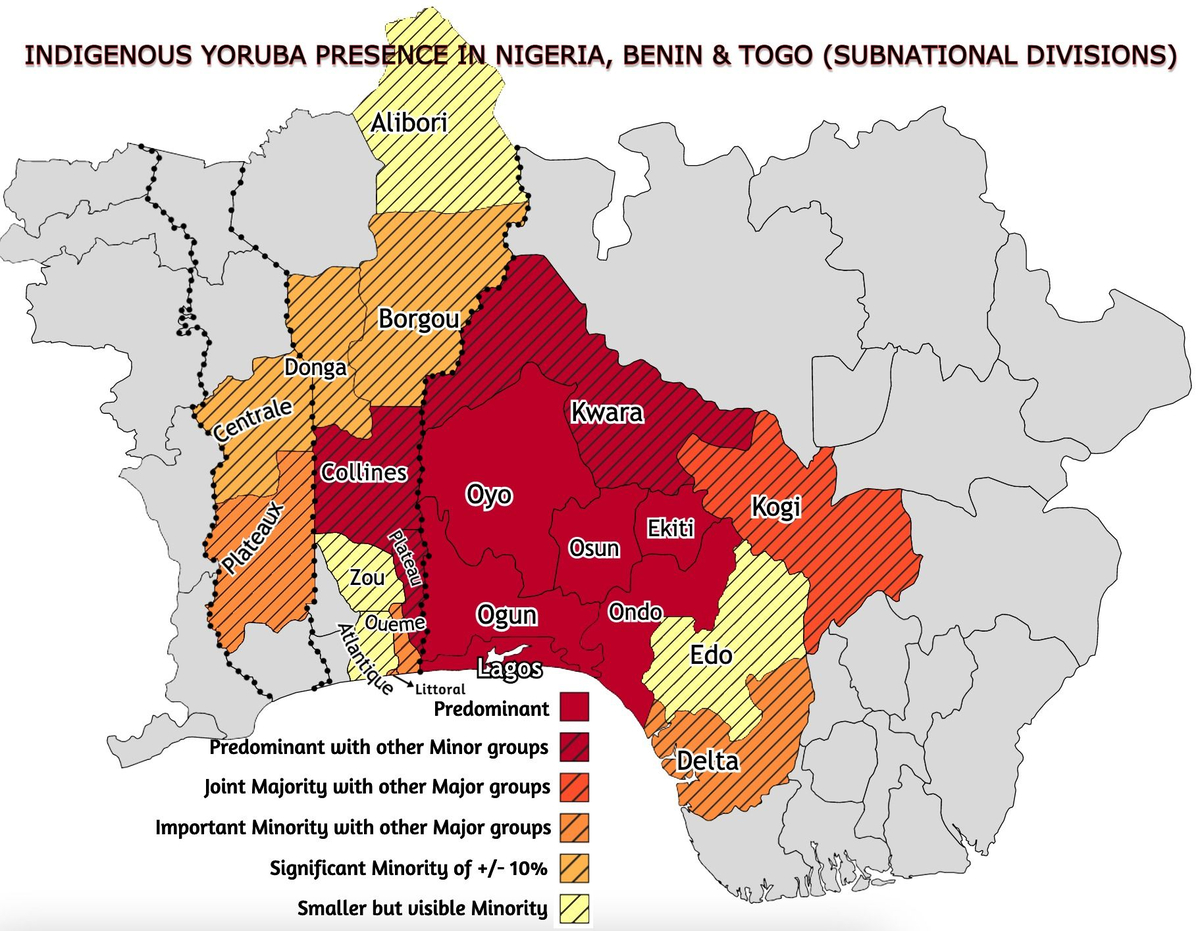
Yoruba City-States Expansion
Culture
4 min read
Updated By: History Editorial Network (HEN)
Published:
The expansion of the Yoruba city-states marked a crucial period in the history of Nigeria. This proliferation was driven by a mix of factors such as population growth, economic prosperity, and the desire for territorial dominance. The Yoruba people, known for their advanced urban centers and skilled craftsmanship, embarked on a journey to establish new settlements and strengthen their influence in the region.
As the Yoruba city-states expanded, there was an increase in trade networks, cultural exchanges, and the spread of advanced agricultural techniques. This led to a flourishing economy and the emergence of powerful monarchies ruling over vast territories. The expansion also played a significant role in shaping the political landscape of the region, with city-states like Ife, Oyo, and Ijebu becoming prominent players in regional politics.
The impact of this expansion was profound, paving the way for the establishment of a complex and sophisticated society. The Yoruba city-states developed intricate systems of governance, intricate art forms, and a rich spiritual tradition. This period also saw the rise of iconic landmarks such as the walls of Benin and the terracotta sculptures of Ife, which continue to mesmerize historians and art enthusiasts to this day.
In summary, the expansion of the Yoruba city-states was a pivotal moment in Nigerian history, marking the consolidation of power, the flourishing of culture, and the advancement of society. This event continues to resonate in the present day, serving as a testament to the ingenuity and resilience of the Yoruba people. #Yoruba #CityStates #Expansion #Nigeria
Primary Reference
The Spread of Islam in West Africa: Containment, Mixing, and ...

Explore the Life Moments of
 AI Twin