Formation of Aro Confederacy
Economic Dominance
4 min read
Updated By: History Editorial Network (HEN)
Published:
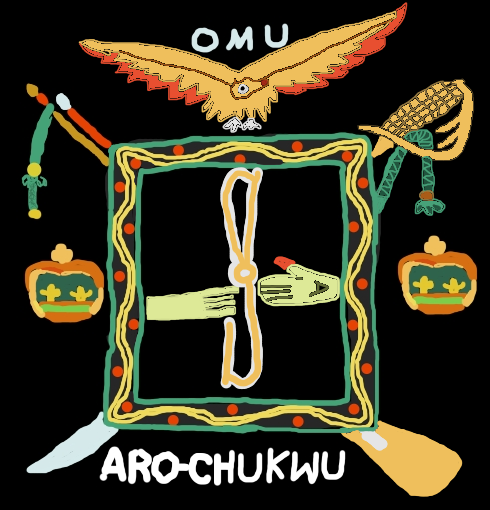
In the early 17th century, the Aro people, a subgroup of the Igbo ethnic group in present-day Nigeria, formed a coalition known as the Aro Confederacy. This confederacy played a crucial role in the trade networks of the region, serving as intermediaries between the coastal regions and the interior of Southeastern Nigeria. It was a union of several villages and communities under the leadership of the Arochukwu kingdom.
The formation of the Aro Confederacy was driven by economic interests, as it allowed the Aro to control trade routes and establish dominance in the region. The Aro controlled trade in goods such as palm oil, slaves, and firearms, which brought them wealth and power. Additionally, the Confederacy served as a religious and judicial authority, enforcing laws and settling disputes among its members.
The Aro Confederacy had a significant impact on the political landscape of the region, as it wielded considerable influence over neighboring communities and kingdoms. The Aro also played a role in the slave trade, capturing and selling slaves to European traders along the coast. This economic activity further increased the wealth and influence of the Confederacy.
Over time, the Aro Confederacy became a major player in the transatlantic slave trade, supplying a significant number of slaves to European traders. This solidified their position as key figures in the economic and political spheres of Southeastern Nigeria.
The creation of the Aro Confederacy marked a pivotal moment in the history of the Igbo people, shaping their interactions with neighboring groups and European powers. It was a time of both prosperity and conflict, as the Aro expanded their influence while also facing opposition from rival factions.
#AroConfederacy #IgboHistory #TradeNetworks #TransatlanticSlaveTrade #Nigeria
Primary Reference
Aro Confederacy - Wikipedia

Explore the Life Moments of
 AI Twin