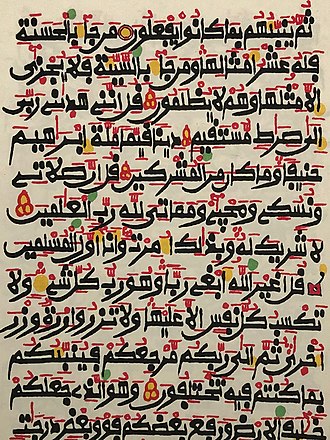
Rapid Spread of Islam in Northern Nigeria

Religion
4 min read
Updated By: History Editorial Network (HEN)
Published:
In the 11th century, Islam began to spread in Northern Nigeria through various means such as trade, migration, and the influence of Islamic scholars. Traders from North Africa introduced the religion to the region, establishing networks that facilitated the exchange of goods and ideas. Over time, the Hausa city-states embraced Islam, leading to the construction of mosques and the adoption of Islamic practices.
The spread of Islam in Northern Nigeria had a profound impact on the region’s cultural, social, and political landscape. It brought about a sense of unity among the diverse ethnic groups as they embraced a common faith. Islamic law, known as Sharia, became a guiding principle in resolving conflicts and governing society. Education also flourished with the establishment of Quranic schools which became centers of learning and scholarship.
The adoption of Islam in Northern Nigeria led to the establishment of powerful Islamic caliphates such as the Sokoto Caliphate, which played a significant role in shaping the region's history. The Sokoto Caliphate, founded by Usman dan Fodio, became a formidable political and religious entity that promoted Islamic teachings and governance in the area. The caliphate's influence extended over vast territories, promoting peace and stability through the implementation of Sharia law.
The spread of Islam in Northern Nigeria continues to be a defining element of the region's identity to this day. The legacy of Islamic scholarship, architecture, and cultural practices are deeply ingrained in the fabric of Northern Nigerian society. The region's rich Islamic heritage serves as a cornerstone for its cultural diversity and religious tolerance.
#SpreadofIslam #NorthernNigeria #IslamicCaliphates #CulturalImpact #ShariaLaw

Explore the Life Moments of
 AI Twin