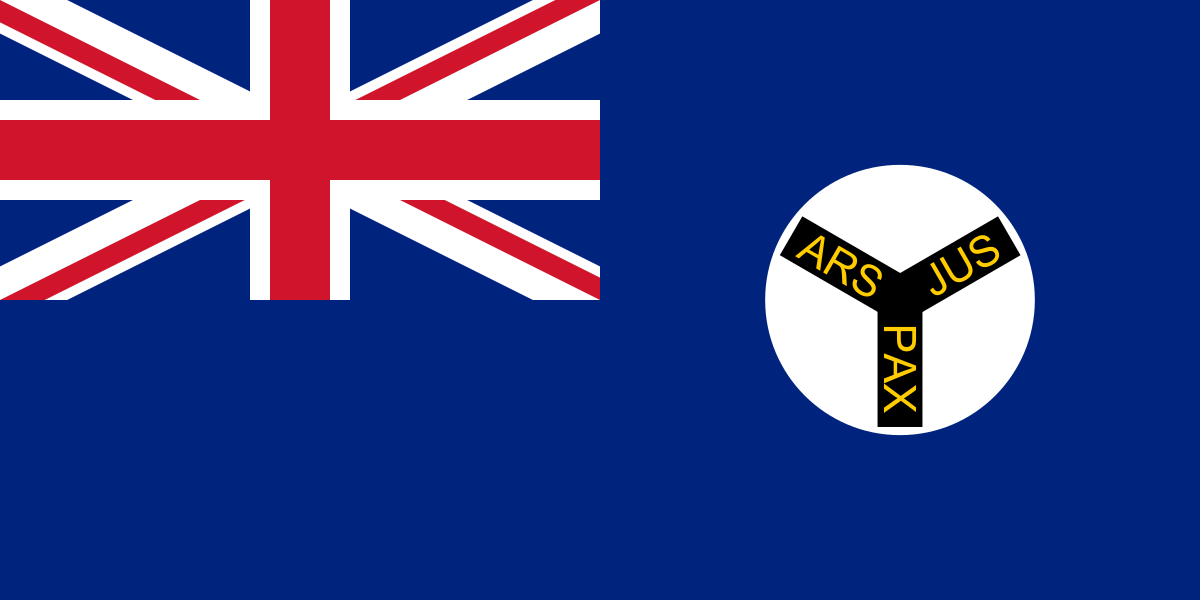
Establishment of the Royal Niger Company by British investors
Economic Downturn
4 min read
Updated By: History Editorial Network (HEN)
Published:
In 1886, British investors established the Royal Niger Company, aiming to exploit trade opportunities in the region. The company was granted a charter by the British government, giving it a monopoly over trade along the Niger River and its tributaries. This move was primarily motivated by the economic interests of the British Empire, seeking to dominate the lucrative palm oil and rubber trades in the Niger Delta area.
The establishment of the Royal Niger Company had a profound impact on the local economy and political landscape. The company's operations led to the further colonization and exploitation of the region, as they controlled trade routes and exerted influence over local communities. This eventually laid the foundation for British colonial rule in Nigeria.
Under the guise of promoting commerce and ending the slave trade, the Royal Niger Company expanded its control over the territory, leading to conflicts with local rulers and communities. This marked the beginning of a period of colonial domination that would last for decades.
The company's presence also brought about significant social and cultural changes in the region. The introduction of Western technologies, administrative systems, and Christianity had a lasting impact on the indigenous populations, reshaping their way of life and traditional practices.
In conclusion, the establishment of the Royal Niger Company by British investors in 1886 was a pivotal moment in the history of Nigeria. It marked the beginning of British colonialism in the region, leading to widespread economic exploitation and social transformation. The legacy of this event continues to shape the present-day socio-political landscape of Nigeria. #RoyalNigerCompany #BritishColonialism #NigerianHistory
Primary Reference
Royal Niger Company - Wikipedia

Explore the Life Moments of
 AI Twin