Rise of the Kanem-Bornu Empire
CulturalHeritage
4 min read
Updated By: History Editorial Network (HEN)
Published:
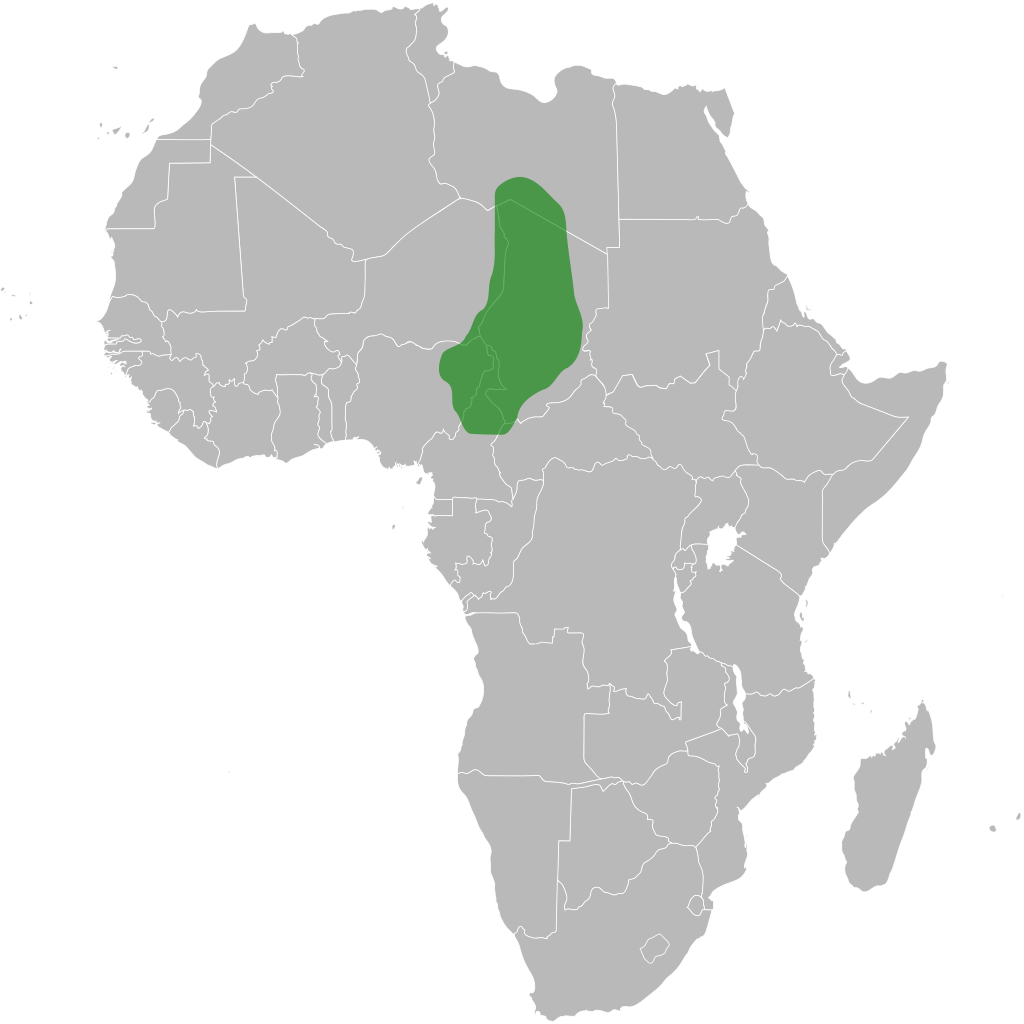
In the 9th century, the Kanem-Bornu Empire emerged in Northern Nigeria, establishing itself as a dominant force in the region. This empire was a result of the consolidation of the Kanem and Bornu kingdoms, which were influenced by the spread of Islam and trade networks in the Sahel region. The rulers of the Kanem-Bornu Empire, known as the Sayfuwa dynasty, were able to expand their territory through military conquests and strategic alliances with neighboring states.
The emergence of the Kanem-Bornu Empire had a significant impact on the political and economic landscape of Northern Nigeria. The empire became a major center of trade, connecting the Trans-Saharan trade routes with the markets of West Africa. This facilitated the exchange of goods such as salt, ivory, and slaves, contributing to the wealth and prosperity of the empire. Additionally, the adoption of Islam as the state religion brought about cultural and religious changes within the empire, influencing art, architecture, and governance.
The Kanem-Bornu Empire reached its peak during the reign of Mai Idris Alooma in the 16th century. Under his leadership, the empire expanded its territories, reaching as far as the shores of Lake Chad and becoming a powerful military force in the region. However, internal strife and external pressures from European colonial powers eventually led to the decline of the empire in the 19th century.
The emergence of the Kanem-Bornu Empire marked a significant period in the history of Northern Nigeria, shaping the political, economic, and cultural landscape of the region for centuries to come. The legacy of this empire is still evident in the traditions and customs of the indigenous peoples of Northern Nigeria today.
#KanemBornuEmpire #NorthernNigeria #SayfuwaDynasty #TradeRoutes #Islam #MaiIdrisAlooma #TransSaharanTrade #Colonialism #CulturalHeritage.
Primary Reference
Kanem-Bornu | History, Map, Culture, & Empire | Britannica

Explore the Life Moments of
 AI Twin