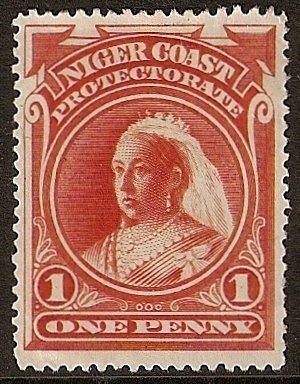
Formation of Niger Coast Protectorate.
Political
4 min read
Updated By: History Editorial Network (HEN)
Published:
The establishment of the Niger Coast Protectorate marked the formal consolidation of British control over various coastal territories in present-day Nigeria. This move was fueled by the British aim to counteract other European powers' increasing encroachment in the region. It was a strategic effort to safeguard British trade interests along the Gulf of Guinea and to prevent potential threats to their influence.
Prior to the establishment of the protectorate, the British had been gradually expanding their control over parts of the Nigerian coast through treaties with local rulers. The formal establishment solidified their authority and allowed for the imposition of British laws and customs in the region. This not only provided a legal framework for British administration but also facilitated the protection of British merchants and missionaries operating in the area.
The impact of the Niger Coast Protectorate was significant, as it laid the groundwork for subsequent British colonial rule in Nigeria. The protectorate served as a precursor to the broader British colonization of the Nigerian interior, leading to the eventual amalgamation of the region into the single entity known as Nigeria. This laid the foundation for the modern Nigerian state and had long-lasting implications for the political, social, and economic development of the country.
The establishment of the Niger Coast Protectorate underscores the complex legacy of colonialism in Nigeria, with lasting effects on the country's governance, ethnic relations, and economic structures. It remains a pivotal moment in Nigerian history, highlighting the dynamics of power, control, and influence that have shaped the nation's trajectory.
#BritishColonialism #NigerianHistory #ColonialLegacy #BritishEmpire #NigerianIndependence
Primary Reference
Niger Coast Protectorate - Wikipedia

Explore the Life Moments of
 AI Twin