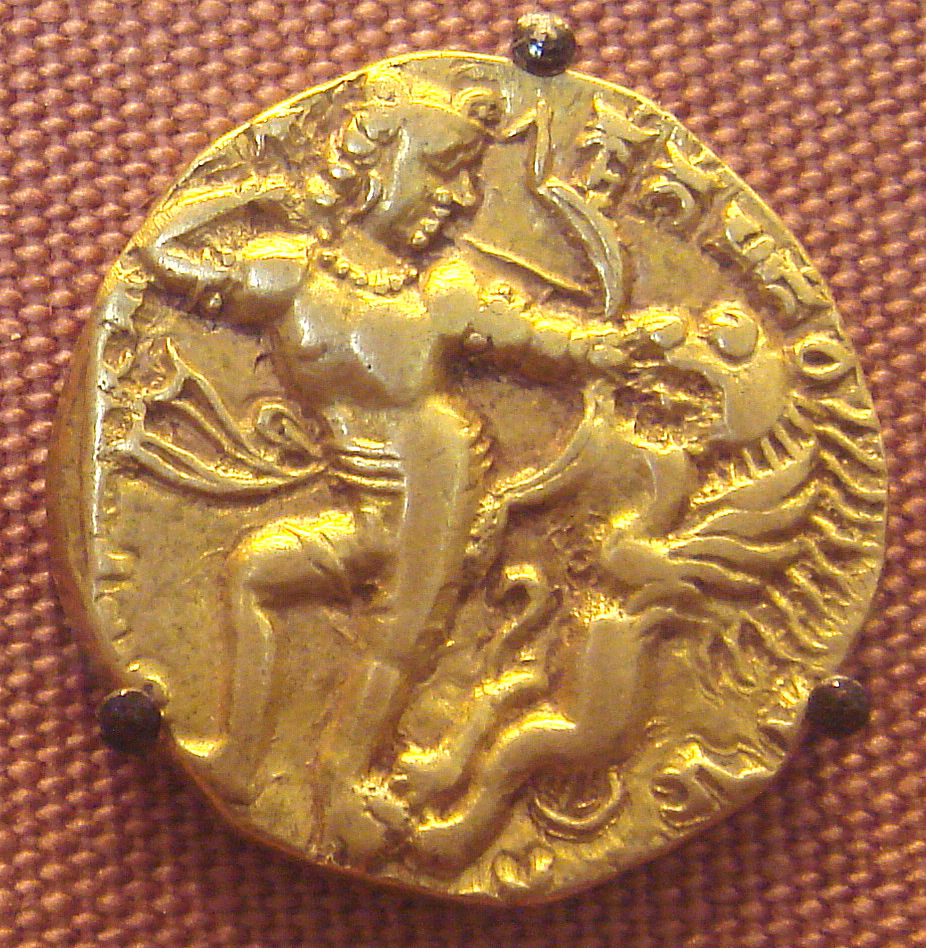
Kumaragupta I, Adopted the title of Mahendraditya.
7 min read
Updated By: History Editorial Network (HEN)
Published:
In AD 413, Kumaragupta I, the ruler of the Gupta Empire in India, adopted the title of Mahendraditya, signaling a significant period in ancient Indian history. The Gupta Empire, often referred to as the "Golden Age" of India, was characterized by extensive achievements in arts, science, political administration, and culture. Kumaragupta I's reign marked both a continuation and a consolidation of these advancements.
The Gupta Empire and Kumaragupta I
The Gupta Empire was founded by Sri Gupta in the early 4th century, but it was under Chandragupta I and his successors that the empire expanded significantly. Kumaragupta I, the son of Chandragupta II, ascended the throne around AD 413. His adoption of the title "Mahendraditya" is significant for understanding the political and cultural milieu of the time. The title, combining "Mahendra" (a name of the god Indra, symbolizing supreme power) and "Aditya" (meaning son of Aditi, representing solar divinity), emphasized his divine right to rule and his supreme authority.
Reign and Achievements
Kumaragupta I's reign is noted for maintaining the stability and prosperity established by his predecessors. The Gupta administration was highly efficient, with a well-structured bureaucracy and a balanced approach to governance. Under Kumaragupta I, the empire witnessed a continued flourishing of trade, both internal and international, contributing to economic prosperity.
Cultural Flourishing
One of the hallmarks of the Gupta period was its cultural and intellectual renaissance. Kumaragupta I's reign saw remarkable achievements in literature, science, and the arts. The period is known for the creation of classical Sanskrit literature, including works by the renowned poet and dramatist Kalidasa. Scientific advancements, particularly in mathematics and astronomy, were significant, with scholars like Aryabhata making pioneering contributions.
Religious and Architectural Contributions
Kumaragupta I was a patron of various religions, including Hinduism, Buddhism, and Jainism. This period saw the construction of numerous temples and stupas, which are exemplary of Gupta architecture. The Dashavatara Temple in Deogarh, for instance, is an excellent example of Gupta temple architecture, featuring intricate carvings and elaborate sculptures.
Challenges and Legacy
Despite the general prosperity, Kumaragupta I's reign was not without challenges. Toward the end of his rule, the Gupta Empire faced threats from the Pushyamitras and the Huns. Kumaragupta's ability to fend off these invasions showcased his military prowess and strategic acumen, although these threats would later contribute to the empire's decline after his reign.
Kumaragupta I's adoption of the title Mahendraditya symbolizes the Gupta dynasty's peak in terms of cultural, political, and economic achievements. His rule reinforced the ideals of the Gupta Empire and set a high standard for his successors.
#MomentsOfLife #MoofLife_Moment #MoofLife #KumaraguptaI #GuptaEmpire #AncientIndia #GoldenAge #Mahendraditya #CulturalRenaissance #HistoricalEvents

Explore the Life Moments of
 AI Twin