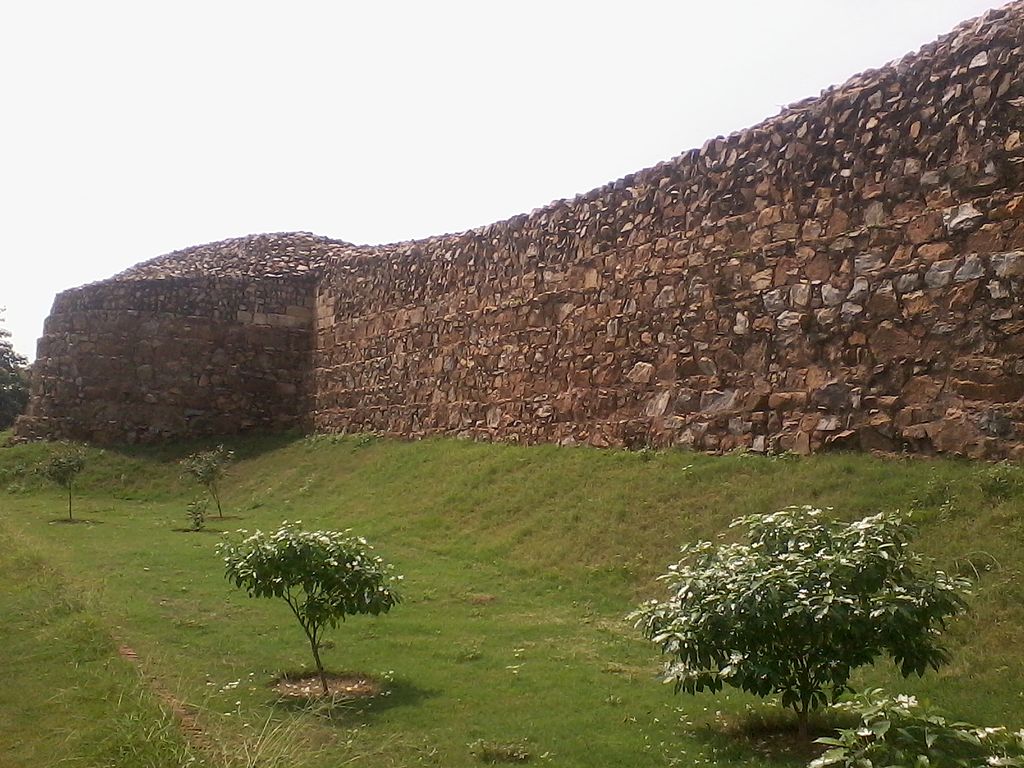
Delhi is re-established by Bilan Deo Tomar also known as Anangpal Tomar
7 min read
Updated By: History Editorial Network (HEN)
Published:
In AD 736, Delhi witnessed a significant moment in its history when it was re-established by Bilan Deo Tomar, also known as Anangpal Tomar. This event marked the revival and establishment of Delhi as a significant political and cultural center in northern India, laying the groundwork for its future prominence.
The Context
The early medieval period in India was a time of significant political and territorial reorganization. The decline of the Gupta Empire had given rise to several regional powers, and the northern Indian landscape was dotted with various small kingdoms and principalities. The Tomar dynasty, of Rajput origin, emerged as a key player in this dynamic period.
Anangpal Tomar and the Tomar Dynasty
Anangpal Tomar, also known as Bilan Deo Tomar, was a ruler of the Tomar dynasty, which traced its lineage back to the Rajputs. The Tomars were originally based in the present-day Gwalior region and gradually expanded their influence northwards. Anangpal Tomar's re-establishment of Delhi is often considered a strategic move to secure control over the fertile and strategically vital region of the Yamuna River.
Re-establishment of Delhi
Anangpal Tomar's efforts to rebuild and fortify Delhi were pivotal. Delhi had been a site of historical significance, but it had declined in prominence. By re-establishing Delhi, Anangpal Tomar aimed to create a stronghold that could serve both as a political center and a defensive bastion. This move was not only strategic for controlling trade routes but also for asserting Tomar dominance in the region.
Contributions and Legacy
Fortifications and Urban Development
Anangpal Tomar is credited with constructing the Lal Kot, a fort that served as the nucleus of his new capital. The Lal Kot, with its robust walls and strategic location, provided a formidable defense against potential invaders. This fortification later played a crucial role in the region's defense and was expanded by subsequent rulers, becoming a foundational structure in Delhi's complex urban history.
Cultural Impact
The re-establishment of Delhi under the Tomar dynasty also had significant cultural implications. It became a center for the flourishing of arts and culture. The Tomars were patrons of Hindu temples and architecture, contributing to the cultural and religious landscape of the region.
Strategic Importance
The strategic importance of Delhi, re-established by Anangpal Tomar, cannot be overstated. Its location on the banks of the Yamuna River made it a critical juncture for trade and military campaigns. The city's revival under the Tomars set the stage for its future as a prominent political center, which would later attract the attention of successive dynasties and empires, including the Chauhans, the Delhi Sultanate, and the Mughal Empire.
Historical Significance
The re-establishment of Delhi by Anangpal Tomar in AD 736 is a landmark event in Indian history. It marked the beginning of Delhi's transformation into a major urban and political center, a role it continues to play to this day. Anangpal's vision and strategic foresight laid the groundwork for Delhi's enduring legacy as a seat of power and culture in India.
#MomentsOfLife #MoofLife_Moment #MoofLife #DelhiHistory #AnangpalTomar #TomarDynasty #IndianHistory #MedievalIndia #HistoricalEvents #DelhiReestablishment

Explore the Life Moments of
 AI Twin