The Kushan Empire's Origins
CulturalFlourishing
4 min read
Updated By: History Editorial Network (HEN)
Published:
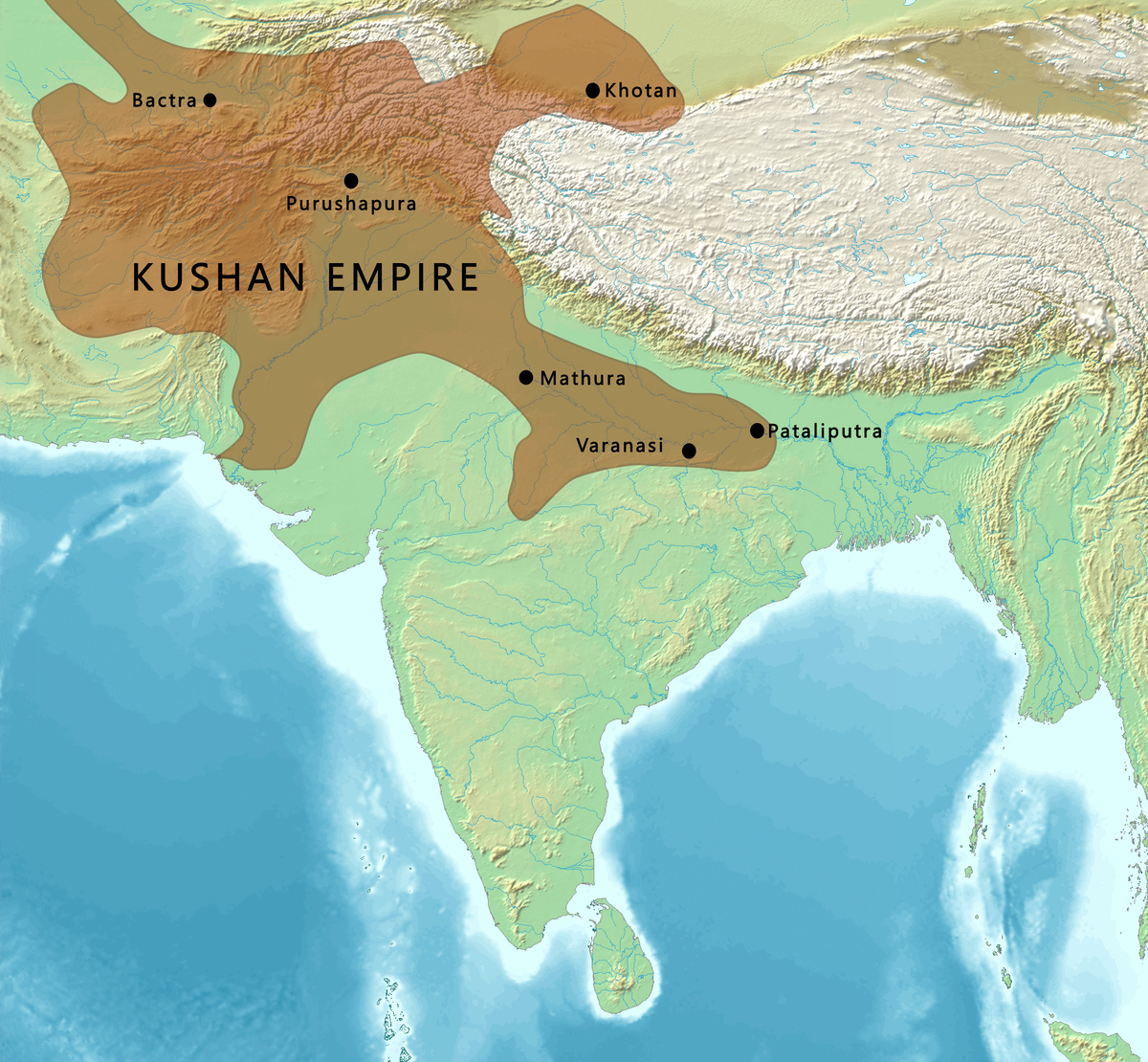
The establishment of the Kushan Empire by Kujula Kadphises marked a significant turning point in the history of ancient India. Kujula Kadphises, a powerful leader of Central Asia, unified various tribes under his rule to create a vast empire that extended from the borders of China to the Indus River. This empire played a crucial role in facilitating trade along the famous Silk Road, connecting the East and West.
Under Kujula Kadphises' leadership, the Kushan Empire experienced a period of great prosperity and cultural flourishing. The Kushans were known for their tolerance towards different religions, which allowed Buddhism to spread widely throughout their empire. This period also saw the blending of Greek, Persian, Indian, and Chinese influences, leading to a unique artistic and architectural style that characterized Kushan culture.
The Kushan Empire's impact on India can still be seen today in the Gandhara art style, which combined Hellenistic and Indian elements to create a distinctive artistic tradition. This fusion of cultural influences helped to shape the artistic landscape of the region for centuries to come.
The legacy of the Kushan Empire endured long after its eventual decline, as its influence continued to be felt in the political and cultural landscape of South Asia. The Kushans left a lasting impact on Indian history, paving the way for future dynasties and shaping the cultural identity of the region.
#KushanEmpire #KujulaKadphises #AncientIndia #CulturalFlourishing

Explore the Life Moments of
 AI Twin