Christmas

The season of giving and joy.
About
#Christmas
#Christmas_Timeline
#Christmas_history
#Christmas_History_Timeline
#When_did_the_Christmas_Start
Life Classification
Festival
Life ID
EL2701883384445
Verified Name
christmas
Life Type
Entity Life
Life Editor(s)
History Editorial Network (HEN)
Life Privacy
Public
Subscription
Elite
Created On
2024-12-15
Updated On
2025-12-21
Connect
Related Lives

South Korea
The Land of Morning Calm

Armenia
Gateway to Ancient Traditions and Scenic Beauty

President of the Italian Republic
Head of State

Niger
Land of the Sahel

Kenya
The Cradle of Humankind

Sweden
The Land of the Midnight Sun

Honduras
Heart of Central America

Chile
Land of poets and penguins.

2023
Ukraine made a significant change by officially adopting the Revised Julian calendar for Christmas. This decision shifted the celebration of Christmas to December 25, aligning it with many Western countries. Historically, Ukraine observed Christmas on January 7 according to the Julian calendar, similar to several other Orthodox Christian nations.
The alteration reflects a broader trend of aligning with Western traditions and distancing from Russian influence. The change emerged in the context of ongoing geopolitical tensions and a cultural reevaluation of traditional affiliations and practices. The decision was endorsed by religious leaders and political authorities in Ukraine, highlighting a unified approach to the transition.
Public opinion in Ukraine revealed mixed feelings; however, surveys indicated that a significant proportion of the population supported the move. This change is expected to foster greater unity with Western Europe and improve the coherence of international celebrations and holidays. It also simplifies the integration of Ukrainian communities abroad, as they now share the same date for Christmas celebrations.
The adaptation of the Revised Julian calendar is part of Ukraine's broader strategy of Western integration, reflecting its aspirations towards European Union membership and closer ties with NATO. Adjusting the Christmas celebration serves as both a cultural and political statement, signaling Ukraine's evolving identity and priorities.
#Christmas #Ukraine #RevisedJulianCalendar #CulturalChange #Geopolitics #WesternIntegration #EU #NATO #PublicOpinion #Tradition and #MoofLife
View detailsBethlehem, the historical and religious center significant to millions worldwide, witnessed the cancellation of its public Christmas celebrations due to the ongoing conflict between Israel and Hamas. This decision was made by local authorities to ensure the safety and security of residents and visitors amidst the intensifying violence. Bethlehem, known for its annual, globally recognized Christmas festivities, often draws thousands of pilgrims and tourists each season. The decision to cancel the public events marked a significant interruption in a long-standing tradition.
The Israel-Hamas conflict, characterized by recurring clashes, airstrikes, and rocket fire, had escalated to a point where public gatherings posed considerable risks. The safety concerns were paramount, pushing local officials to forgo the celebrations in favor of reducing potential dangers. Previous years saw the Manger Square, the Church of the Nativity, and various local markets bustling with visitors, vendors, and ceremonies. These locations, typically central to the celebrations, remained quieter than usual, with increased security presence and fewer tourists.
Local businesses, which rely heavily on the tourism influx during this period, faced substantial economic impacts due to the lack of visitors. Hotels, restaurants, and souvenir shops reported significant declines in revenue, adding to the economic strain already imposed by the protracted conflict.
Religious leaders expressed their sadness over the cancellation but emphasized the importance of peace and safety. They called on the international community to support efforts to achieve a sustainable resolution to the conflict, hoping it would pave the way for future celebrations without fear.
Statistical data from previous years indicated that Bethlehem's Christmas events significantly contribute to the local economy and community morale. The cancellation underscored the broader impact of the Israel-Hamas conflict on day-to-day life, extending beyond the immediate war zones and affecting international religious and cultural practices.
#MoofLife #ConflictImpact #BethlehemChristmas #SafetyFirst #PeaceEfforts
View details2018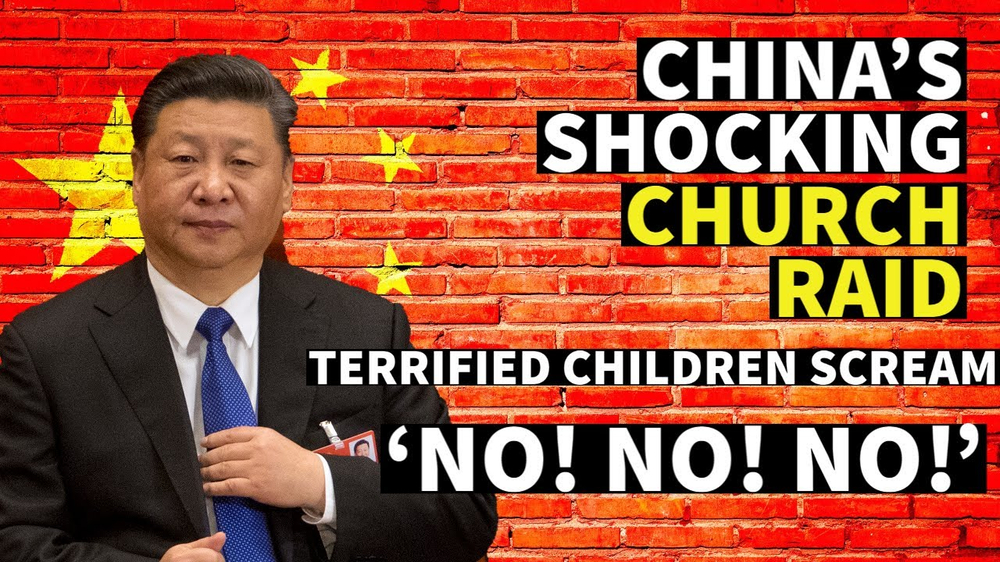
In December, Chinese authorities conducted raids on Christian churches across the country. The raids primarily targeted unregistered or "underground" churches, which had chosen to operate independently of the state-sanctioned religious organizations. Officials forced the closure of numerous congregations and removed Christmas decorations from their premises. This was part of a broader crackdown on religious practices not officially authorized by the Chinese government.
Background checks revealed that these actions were consistent with the Chinese Communist Party's increased control over religious activities. The government has been systematically tightening its grip on religious institutions to ensure they align with state ideologies and policies. Churches that failed to comply with registration requirements or resisted state-imposed regulations were particularly vulnerable to such enforcement measures.
The impact of these raids extended beyond the immediate disruption of church services. Many congregants were left without a place of worship during a significant period for Christians. Additionally, the removal of Christmas decorations underscored the government's stance towards minimizing Western cultural influences. Such actions contributed to growing international scrutiny and criticism, highlighting the ongoing struggles for religious freedom in China.
Reports estimated that thousands of attendees were impacted by the closures. Though exact numbers were difficult to ascertain due to the underground nature of many congregations, eyewitness accounts and local reports painted a picture of widespread disruption.
#ChurchRaids #ReligiousFreedom #ChristmasCrackdown #MoofLife
View details2007
The Scottish Parliament passed legislation prohibiting large retail businesses from operating on Christmas Day. This development was part of a broader effort to protect employees' rights and ensure they could spend the holiday with their families. The legislation targeted retailers over 280 square meters in size, enforcing closure on what is widely considered a significant cultural and religious holiday.
Before this legislative move, debates surfaced about the commercial demands placed on workers during holidays. Trade unions had expressed concerns about employees being obliged to work during times traditionally reserved for family and rest. Evidence showed increasing trends of retail businesses staying open to capitalize on consumer activity during Christmas, potentially eroding the holiday's traditional observance.
The legislative measure received broad support from worker unions and various communities, emphasizing human well-being over commercial interests. Retail sector employees highlighted how the new law allowed them to enjoy uninterrupted holidays consistently, improving their work-life balance and overall satisfaction.
The impact of this legislation was multifaceted. Economically, although there was initial apprehension about potential revenue loss, retail analysts later noted negligible long-term financial impacts as consumer spending habits adjusted accordingly. Socially, the move was well-received for reinforcing the importance of personal time, contributing to increased morale among retail workers.
By legislating the closure of large shops on Christmas Day, Scotland took a definitive step towards prioritizing social values and workers' rights within the retail industry. This initiative set a precedent, influencing labor practices and holiday observance policies.
#MoofLife #WorkersRights #RetailIndustry #FamilyFirst #ChristmasClosure
View details2004
The Christmas Day (Trading) Act came into effect in England and Wales, establishing a regulation that barred large retail stores from operating on Christmas Day. The Act targeted shops with a retail floor space greater than 280 square meters, as smaller stores were exempt. This legislation was introduced amidst growing concerns about the erosion of traditional family values and the over-commercialization of Christmas.
Before the Act, there was pressure on shop employees to work on Christmas Day, despite the holiday's cultural and religious significance. This situation resulted in many families being unable to spend the day together. The retail sector had been increasingly active during holidays, driven by consumer demand and competitive pressures. However, advocacy groups and labor unions argued that the day should be reserved for rest, reflection, and family gatherings.
The impact of the Christmas Day (Trading) Act was notable. It provided retail workers with a guaranteed day off, promoting work-life balance within the sector. Retailers had to adapt their operations and schedules, leading to an increased emphasis on pre-Christmas sales. Interestingly, statistics showed that consumers adjusted their shopping behaviors, with a noticeable spike in spending before the holiday.
This legislative action was part of broader efforts to preserve Christmas Day as a period of national observance and private celebration rather than commercial activity. It underscored the importance of maintaining cultural traditions and protecting the rights of workers within the commercial landscape.
#ChristmasDayAct #RetailRegulation #FamilyFirst #HolidayTraditions #MoofLife
View details2000
During the lead-up to the holiday season, the Federal Reserve opted to boost the U.S. banking money supply to meet the increased consumer demand typical of Christmas shopping. This strategic decision was guided by the recognition of the season's high-volume retail activity and its potential to strain financial liquidity. Economists observed that the heightened consumer spending during this period could necessitate a more significant flow of money through the banking system.
The decision involved increasing the availability of money to ensure that banks could meet the surge in withdrawals and transactions. This move was crucial in maintaining consumer confidence and ensuring smooth financial operations during the peak shopping season. The increase in money supply helped prevent liquidity shortages and enabled banks to support the higher transaction volumes without disruptions.
Statistical insights from that period indicated a noticeable increase in retail sales, driven primarily by holiday shopping. The National Retail Federation reported that holiday sales accounted for a significant percentage of annual retail revenues, reflecting the critical importance of the season to the overall economy. By increasing the money supply, the Federal Reserve could support this vital economic activity, preventing potential slowdowns or financial bottlenecks.
Moreover, the infusion was also aimed at stabilizing interest rates, which could have been adversely affected by heightened demand for cash and credit. The action taken by the Federal Reserve demonstrated a proactive approach in managing the annual economic cycle, highlighting the role of monetary policy in responding to predictable seasonal patterns.
This adjustment in the money supply was a crucial measure to ensure economic stability and support consumer spending, illustrating the importance of strategic financial interventions in response to predictable market demands.
#USBanking #MoneySupply #ChristmasShopping #EconomicPolicy #RetailEconomy #FederalReserve #MoofLife
View details1991
Following the dissolution of the Soviet Union, Russia saw a major shift in its socio-political landscape. One significant change was the reinstatement of Orthodox Christmas as a state holiday. Under Soviet rule, many religious practices were suppressed, and Christmas had been stripped of its official status. However, with the fall of the Soviet regime, the Russian government moved to restore numerous cultural and religious traditions, among them Orthodox Christmas.
Orthodox Christianity, being the largest religion in Russia, had deep historical roots predating the Soviet era. The recognition of Orthodox Christmas as a public holiday was seen as a restoration of a significant cultural heritage. It facilitated the resurgence of religious freedom and traditions that had been curtailed for decades. The change allowed citizens to openly celebrate the birth of Jesus Christ with liturgical events, family gatherings, and festive activities.
This alteration impacted various facets of Russian society. Economically, the holiday spurred an increase in consumer activity related to the festivities. Socially, it fostered a sense of unity and cultural identity. Official statistics showed a marked increase in church attendance during the Christmas season, indicating a revival of religious practice among the populace. Furthermore, educational institutions integrated the tradition into their holiday calendars, allowing future generations to connect with their cultural and religious background.
In conclusion, the move to reinstate Orthodox Christmas as a state holiday marked a significant shift in post-Soviet Russia, reflecting broader changes in national identity, cultural revival, and religious freedom. It illustrated how the country sought to reclaim and celebrate its heritage in the new political landscape.
#MoofLife #OrthodoxChristmas #CulturalRevival #ReligiousFreedom #PostSovietRussia #RussianTraditions
View details1984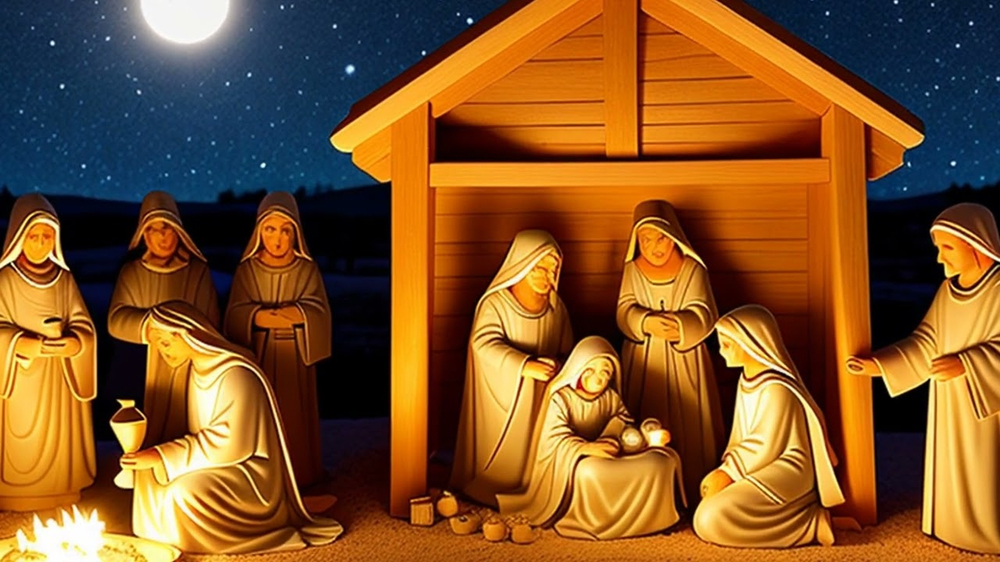
The U.S. Supreme Court ruled in Lynch v. Donnelly that a city-owned Christmas display, which included a Nativity scene, did not violate the First Amendment. The case arose when Pawtucket, Rhode Island, erected a Christmas display in a public park. The display included traditional symbols like Santa Claus, reindeer, and a Nativity scene featuring the infant Jesus, Mary, and Joseph.
Residents and a local civil liberties organization challenged the display, arguing that it constituted a government endorsement of religion, thus violating the Establishment Clause of the First Amendment. The legal argument centered on whether a government-sponsored religious display could exist without infringing on the constitutional principle of the separation of church and state.
The Supreme Court ruled in favor of the city, with a majority opinion stating that the display had "legitimate secular purposes", including celebrating a national holiday and depicting the origins of that holiday. The Court held that not all religious symbols are strictly for religious promotion; they can also be a part of cultural heritage.
This ruling set a precedent for how religious symbols can be used in public spaces, influencing subsequent cases and debates about the separation of church and state. It indicated a more lenient interpretation of the Establishment Clause, acknowledging the potential dual nature of religious symbols.
#LynchvDonnelly #SupremeCourt #FirstAmendment #ReligiousDisplay #CulturalHeritage #ChristmasDisplay #ConstitutionalLaw #MoofLife
View details1965
In an era when football schedules included festive fixtures, a historical match took place between Blackpool and Blackburn Rovers. The game was notable for being the last official English football match played on Christmas Day. Held at Blackpool's home ground, Bloomfield Road, this encounter ended in a 4-2 victory for the home team.
The match attracted a substantial crowd, emphasizing the popularity of football even on holidays. Stan Mortensen, who played for Blackpool, was one of the standout performers, using his experience and skill to contribute to his team's success. Blackburn Rovers, although determined, could not cope with the attacking play demonstrated by their opponents. Goals from both teams added to the overall excitement, but Blackpool ultimately secured the win.
This event marked the end of a long-standing tradition. Christmas Day football had been a fixture in English football since the late 19th century. However, changes in social customs, including increased travel and family-oriented celebrations during the holiday season, led to its conclusion.
This change reflected broader shifts in English football and society. The Football League decided to preserve the holiday spirit associated with Christmas while avoiding the competition clashes and logistical challenges it brought. As a result, Boxing Day matches became the new norm, continuing the festive football tradition without encroaching on Christmas Day celebrations.
The Blackpool versus Blackburn Rovers match remains an important part of football history, symbolizing both an end and a transformation in how the sport aligned with cultural practices.
#FootballHistory #Blackpool #BlackburnRovers #1960sFootball #ChristmasDayMatch #MoofLife
View details1962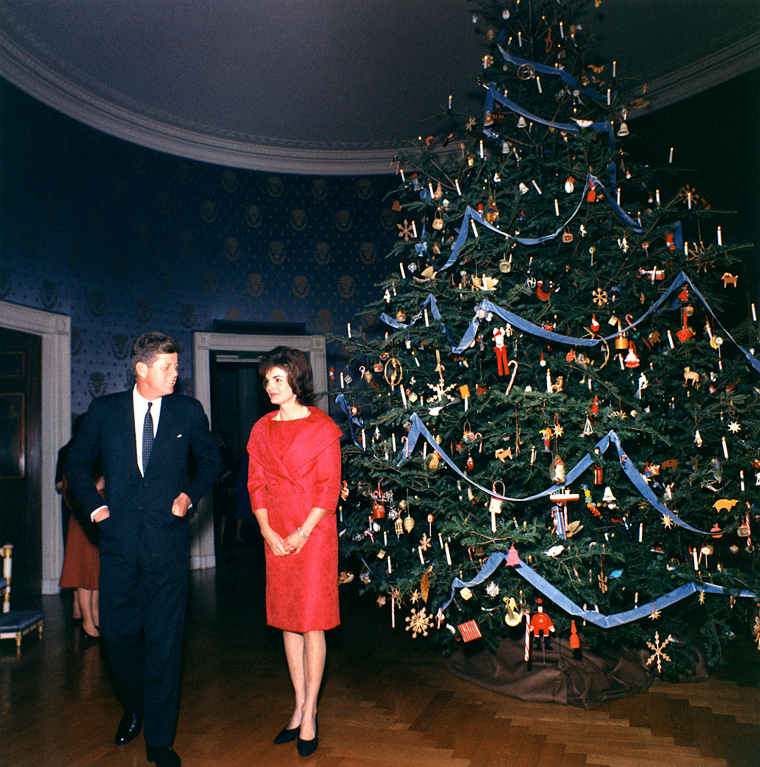
The display of the official White House Christmas tree by President John F. Kennedy and First Lady Jackie Kennedy represented a key instance in presidential holiday traditions. Bringing a sense of warmth and community, the event fostered a spirit of celebration within the nation's highest office. The tree, adorned meticulously, became a focal point for White House decorations, reflecting both contemporary trends and elegance. This specific presentation marked the Kennedy family's effort to merge American holiday customs with their unique sense of style and cultural appreciation.
The Kennedy administration's approach to the Christmas tree display had deeper connotations, symbolizing unity and a brief respite from global tensions during the Cold War era. The First Lady, known for her refined taste and keen sense of artistry, spearheaded the decorating efforts. Her choices resonated with the public, blending traditional holiday themes with modern aesthetics. Utilizing ornaments and lights, the festive tree captured the essence of the holiday spirit, bringing joy to both the White House and the broader American populace.
The event's impact extended beyond immediate aesthetics; it set a precedent for future administrations, establishing a standard for holiday decoration and public engagement. Media coverage of the event contributed to the perception of the White House as not just a political stronghold but also a center for cultural and social activities. The display, reaching millions through television and print, highlighted the presidency's role in national traditions.
This occasion was significant within the context of American history and the Kennedy era, reflecting the administration's influence on public life and culture. Through this gesture, the Kennedys reinforced the importance of family, celebration, and shared values during the holiday season. The Christmas tree became a symbol of hope, continuity, and a collective American identity, fostering a sense of unity during challenging times.
The legacy of the Kennedy Christmas tree display influenced subsequent presidential holidays, embedding the tradition more deeply into the fabric of American cultural practices. It underscored how the presidency can impact national sentiment through simple yet potent actions.
#WhiteHouseChristmas #KennedyLegacy #HolidayTraditions #PresidentialHistory #ColdWarEra #CulturalImpact #AmericanUnity #MoofLife
View details1930
The festive song 'We Wish You a Merry Christmas' has its origins in the West Country of England. As part of the region's culture, caroling played a prominent role in community celebrations. These performances often involved groups singing door-to-door, a practice that dates back to the 19th century when such songs were a mode of expressing goodwill, especially during the holiday season.
The song, characterized by its repetitive and cheerful melody, became popular due to its easy-to-remember lyrics and the engaging nature of the tune. This particular Christmas carol not only symbolized the spirit of sharing and festivity but also reinforced social bonds through collective singing. Over time, 'We Wish You a Merry Christmas' became a cornerstone of holiday music, contributing to the seasonal cheer during family gatherings and public celebrations alike.
This song's inclusion in various Christmas music collections and its frequent airing on radio stations helped it garner widespread recognition. Eventually, the melody and message spread beyond the West Country, finding a place in international holiday traditions. The song epitomized the simplicity and joy associated with Christmas, making it a staple across various platforms, including television specials, holiday movies, and festive events.
#ChristmasCarols #WeWishYouAMerryChristmas #EnglishHeritage #CommunalCelebrations #HolidayTraditions #MoofLife
View details1929
During the early period of the Soviet Union, the government initiated an intense campaign to reduce the influence of religion, particularly targeting the Christian tradition. In Moscow, children were encouraged to protest against Christmas as part of this broader anti-religious effort. One notable tactic was having children spit on crucifixes, symbolizing a rejection of Christian values and the celebration of Christmas. This event reflected the state’s attempt to establish atheism and loyalty to communist ideology.
The campaign was aggressive and well-organized. Educational institutions played a crucial role in promoting these anti-religious activities. Teachers, under state directive, discouraged students from participating in Christmas festivities, viewing them as bourgeois and counter-revolutionary. Instead, they were urged to engage in actions that disrespected religious symbols, fostering a sense of disdain for Christianity among the young generation.
Statistics from this period indicate a significant drop in religious observance, with church attendance dwindling as a result of these campaigns. Additionally, several churches were repurposed for secular uses, further diminishing the public presence of Christianity. These efforts were part of a broader drive to transform society according to Soviet ideals and eradicate what was viewed as the antiquated influence of religion.
The long-term impact of this event contributed to the widening gap between the state and religious institutions. It also marked a generation of Soviet citizens who grew up under policies that sought to eradicate religious rituals and replace them with secular, state-sanctioned activities.
#MoofLife #AntiReligionCampaign #SovietUnion #CommunistIdeology #ChristmasProtest #HistoricalEvents
View details1914
During World War I, the Western Front was the backdrop for a remarkable period of unofficial ceasefire known as the Christmas truce. This truce saw soldiers from both sides, primarily British and German forces, temporarily halt hostilities to celebrate Christmas. Troops emerged from their trenches, engaging in friendly interaction despite the tumultuous conflict.
Notably, amidst the ceasefire, football matches were organized, symbolizing a brief reprieve from the war. Reports suggest that these impromptu games involved soldiers using makeshift balls, and the matches were played on the frozen ground of No Man’s Land. Some accounts estimate that hundreds of soldiers participated or observed these games. The truce extended beyond football, as soldiers exchanged gifts, sang carols, and shared food and drink.
The Christmas truce was primarily a grassroots effort among the lower ranks, and in many areas, ceasefires were independently negotiated by soldiers on the front lines. However, such fraternizations were met with disapproval by high command on both sides, and efforts were made to prevent recurrences. After this event, barriers to such ceasefires were reinforced, making the Christmas truce a unique and singular occurrence in the history of World War I.
The temporary pause in fighting allowed for a moment of humanity and solidarity, highlighting the shared experiences of soldiers caught in a protracted and grueling conflict. It provided a stark contrast to the broader war, which saw millions of casualties and widespread devastation.
The Christmas truce remains a potent reminder of the common humanity that can transcend even the most entrenched conflicts. Today, it is frequently cited as a moment of peace and goodwill amidst a brutal and sustained war.
#MoofLife #ChristmasTruce #WorldWarI #FootballGames #PeaceInConflict
View detailsDuring World War I, an extraordinary event unfolded during the initial months of conflict. Soldiers on the Western Front, traditionally enemies, engaged in informal truces around Christmas. This period became known for temporary ceasefires that interrupted the brutality of warfare.
The background to these truces was rooted in the excruciating and continuous battles between the Allied forces and the Central Powers. The conditions in the trenches were harsh, with cold weather adding to the misery of soldiers already struggling with the omnipresent threat of death. However, the approach of Christmas brought a collective spirit that transcended national affiliations.
Reports indicate that the truces began when German soldiers started decorating their trenches with candles and Christmas trees, while singing carols that could be heard across the front lines. British soldiers reciprocated by singing their own holiday songs. This led to soldiers cautiously emerging from the trenches, calling temporary truces, during which they met in No Man's Land.
The impact of these truces was profound. For a brief period, hostilities ceased, and soldiers from opposing sides interacted peacefully. They exchanged gifts such as tobacco, food, and souvenirs. Symbolic items like buttons and helmets were also swapped. Beyond gift-giving, these truces saw soldiers engaging in social activities, including impromptu football matches.
One notable match is reputed to have ended with a score of 3-2, highlighting a rare instance of camaraderie. Though the extent of participation varied along the front, the truces demonstrated a shared humanity, even amidst conflict.
The general outcry from military higher-ups reflected their discomfort with these unsanctioned ceasefires. Commanders were concerned about fraternization eroding the resolve to fight. As a result, subsequent directives aimed to prevent such occurrences by ensuring close surveillance and rotations.
In conclusion, the informal Christmas truces remain a testament to the human capacity for compassion, even in dire circumstances. The event reflected a temporary, yet significant respite in one of history’s most harrowing conflicts.
#ChristmasTruce #WorldWarI #SharedHumanity #NoMansLand #HistoricalEvent #WarAndPeace #MoofLife
View details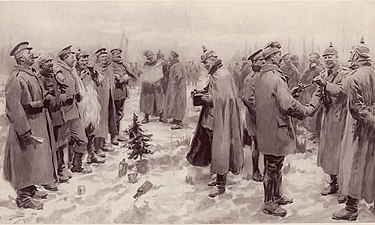
1904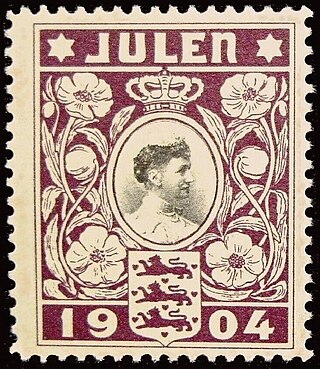
In an effort to combat the growing tuberculosis epidemic, Denmark introduced an innovative fundraising method intended to raise awareness and support for this pressing public health issue. This initiative involved the issuance of the first Christmas seal, a form of decorative stamp attached to mail, often during the holiday season.
The Christmas seal was an additional purchase for citizens, allowing them to contribute directly to tuberculosis-related causes through their regular holiday mailing activities. The funds generated were allocated towards public health initiatives, including treatment facilities, patient care, and educational campaigns to inform the public about tuberculosis prevention and care.
This small but significant step garnered widespread support, signaling community engagement in tackling diseases through grassroots contributions. The success of Denmark's Christmas seal inspired similar efforts internationally, aiding in tuberculosis control efforts worldwide.
#TBawareness #PublicHealth #Fundraising #ChristmasSeal #MoofLife
View details1897
The practice of placing a star at the top of Christmas trees to symbolize the Star of Bethlehem was documented as becoming widespread. This tradition holds significant cultural and religious meaning, representing the star that, according to the Bible, guided the Wise Men to the birthplace of Jesus Christ. The practice itself can be traced back to earlier celebrations of Christmas, but its documentation marked a clear recognition and standardization of the custom.
The widespread adoption of this practice helped unify the symbolic acts of Christmas decoration across Christian communities. It provided a tangible connection to the Nativity story, reinforcing the religious aspect of the holiday in households participating in the tradition. This act became a staple in Christmas tree decorating rituals, often accompanied by family gatherings and the retelling of the Nativity story.
The star's representation drew from biblical texts and religious teachings, emphasizing the spiritual significance of Christmas. Over time, the star became an integral part of Christmas symbolism, found not only on trees but also in various forms of holiday decorations and even in commercial advertising.
Adopting the star as a central element in Christmas tree decoration also had a social impact, becoming a point of shared cultural practice. It enhanced the festive atmosphere, contributed to the aesthetic of public and private spaces during the holiday season, and provided a consistent symbol that various cultures within Christianity could rally around.
The documentation of this practice helped historians, cultural researchers, and religious scholars understand the evolution of Christmas traditions. It offered insights into how holiday practices spread and became standardized in different regions, contributing to the broader study of cultural diffusion and religious practices.
#ChristmasTradition #StarOfBethlehem #CulturalPractice #ReligiousSymbolism #MoofLife
View details1889
On Christmas Day, two football clubs, Preston North End and Aston Villa, faced each other in a match in England. This event is notable due to its timing, occurring during the festive season when families typically gathered for celebrations, making it a unique intersection of sport and holiday traditions.
Preston North End, known for their early dominance in English football, went into the match as a formidable team. Aston Villa, equally competitive, added to the anticipation of the game. The conditions on the day were typical of winter, adding to the challenges both sides faced on the pitch.
The match attracted a significant number of spectators, reflecting the popularity of football even during holiday times. The teams played with commitment, showcasing their skills and determination. While specific statistics of the match are less documented, the fact that it was played on Christmas Day adds an interesting chapter in the history of football in England.
The match held implications beyond the scoreline. It highlighted the enthusiasm for football and its ability to draw crowds even on days traditionally reserved for family gatherings. This event is remembered for how it represents the blending of sports with social and cultural practices.
Overall, the Christmas Day match between Preston North End and Aston Villa remains a notable part of football history, showing the sport's deep roots in English culture and its capability to bring people together in celebration.
#FootballHistory #ChristmasMatch #PrestonNorthEnd #AstonVilla #SportsTradition #MoofLife
View details1879
Lewis's department store in Liverpool, England, initiated a new concept by opening the first Christmas grotto. This innovation emerged as a strategic move to attract more customers. The idea was to create a festive atmosphere, drawing families and children into the store. The Christmas grotto featured a Santa Claus, decorations, and interactive elements.
The concept benefited both the store and customers. For Lewis's, the grotto increased footfall and sales during the holiday season. For families, it provided a unique and enjoyable shopping experience. This initiative demonstrated how seasonal attractions could enhance retail environments.
The success of the Christmas grotto in Lewis's department store influenced other retailers to adopt similar strategies. It marked the beginning of a tradition that spread to various parts of the world. Seasonal grottos became a staple in department stores, malls, and community centers, contributing to the commercialization of Christmas.
Lewis's department store played a crucial role in shaping holiday shopping experiences. The Christmas grotto became a symbol of festive celebrations and retail ingenuity.
#MoofLife #Christmas #RetailInnovation #HolidayTraditions #Liverpool #MarketingStrategy
View details1875
Louis Prang, a German immigrant and lithographer, made a notable contribution to American culture when he introduced the Christmas card. Prang had emigrated to the United States and established a successful printing business. His skills in chromolithography, a method of making multi-color prints, set the stage for his innovation.
Prang's introduction of the Christmas card to the American market added a new tradition to the festive season. Before his contribution, the exchange of Christmas cards was primarily a European custom. By leveraging his printing technology, Prang was able to produce visually appealing cards featuring intricate designs and vibrant colors, which quickly gained popularity among Americans.
The impact of Prang's Christmas cards was significant. It facilitated the widespread adoption of a new holiday practice and also provided a socially considerate way to convey seasonal greetings. Prang capitalized on this by producing a variety of cards, each with unique artwork and themes, which appealed to a broad audience. This not only influenced social practices but also fostered an environment where card exchanges became a staple of Christmas celebrations.
Prang's pioneering work in the commercial production of Christmas cards earned him the title 'father of the American Christmas card.' His efforts turned this seasonal practice into a booming industry and encouraged artistic expression through card design, transforming how Americans connected with each other during the holidays.
#ChristmasTradition #Innovation #CulturalImpact #MoofLife
View details1871
For decades before its reestablishment, Christmas Day had been largely prohibited in Scotland due to the influence of the Reformation and the strict Scottish Presbyterian Church. These religious shifts had driven Christmas celebrations underground, viewing them as too rooted in Catholic tradition and opposing their perceived frivolity and extravagance.
The reinstatement marked a significant societal shift. Modernization and changing perceptions toward both religious practices and holiday observances played pivotal roles. Industrialization brought about a more structured working environment with greater attention to workers' rights and the importance of holiday observances for social well-being.
The impact on the local culture was substantial. Many Scots began to embrace traditional Christmas activities, like gift-giving, family gatherings, and feasts, that had long been customary in other regions of the United Kingdom. This moment facilitated the reintroduction of festive customs and fostered a more unified cultural identity through shared celebration.
Quantitatively, the broader acceptance of Christmas contributed to economic stimulation. The holiday season saw a surge in retail activities as demand grew for seasonal goods, from decorations to food items. Many businesses began to capitalize on the festive season, developing marketing strategies and sales promotions aligned with Christmas.
Reinstating Christmas as a public holiday reflected and accelerated wider shifts in societal values, underscoring the move toward greater secularism and inclusivity of varied traditions within mainstream culture.
#Christmas #Scotland #PublicHoliday #CulturalShift #FestiveCelebration #MoofLife
View details1870
In the late 1800s, Christmas was declared a federal holiday in the United States. This decision came after many years of evolving traditions and debates. Initially, early American settlers, including the Puritans, were opposed to the celebration of Christmas due to its roots in pagan festivals and a preference for simplicity and piety. Despite this resistance, various immigrant groups brought their own customs, gradually shaping the American Christmas celebration.
During the 19th century, Christmas began to gain popularity in the United States, partly influenced by literature and the media, including works by authors such as Charles Dickens, whose stories emphasized themes of goodwill and charity. As Christmas traditions, such as decorating trees, exchanging gifts, and family gatherings, became more widespread, the need for formal recognition grew.
The declaration of Christmas as a federal holiday marked a significant shift in national attitudes. This move allowed citizens nationwide to universally observe the day, providing an opportunity for family reunions and a break from work, fostering a sense of unity and shared culture. The impact of this decision contributed to the commercialization of Christmas, with businesses capitalizing on the holiday season through sales and promotions, further embedding Christmas into the American economic and cultural fabric.
By formally acknowledging Christmas, the U.S. government highlighted the importance of inclusivity and cultural celebrations in a diverse society. This decision supported the establishment of a common national identity, encouraging various communities to integrate Christmas traditions into their own lifestyles.
#MoofLife #Christmas #FederalHoliday #AmericanTraditions #CulturalShift #HistoricalImpact
View details1862
Thomas Oliphant, a Scottish musician, contributed to Christmas traditions by adding lyrics to the melody of "Deck the Halls." The tune itself originated in Wales, known as "Nos Galan," a traditional New Year's Eve carol. Oliphant crafted English lyrics that focused on the festive spirit of decorating the home with greenery and celebrating with merriment. These lyrics became widely adopted, embedding themselves deeply in Christmas culture.
"Deck the Halls" has become one of the most enduring Christmas songs. The song invites people to spread joy, encapsulating key festive elements like hospitality, music, and community gatherings. The inclusion of Oliphant's words provided a new dimension to the melody that focused on the visual and social aspects of the celebration. It added a British touch to a previously Welsh tradition, contributing to the rich tapestry of multicultural influences in Christmas music.
The song’s impact includes its widespread use in holiday programming, commercials, and community events. It reflects a combination of simplicity and cheerful themes, which ensures its lasting popularity. "Deck the Halls" is now a staple in Christmas music, performed by numerous artists and rendered in countless styles globally, reinforcing the universality of the holiday spirit.
#Christmas #Music #CulturalHeritage #DeckTheHalls #HolidayTraditions #MoofLife
View details1860
In the mid-nineteenth century, Panettone, an Italian sweet bread, became intertwined with Christmas celebrations. Originating from Milan, this dome-shaped bread, characterized by its soft and airy texture, was initially a luxury item known for its rich ingredients such as butter, eggs, and sugar. The inclusion of candied fruits and raisins further distinguished Panettone from more humble bread offerings.
Several factors contributed to Panettone's rise in popularity during this period. Improvements in milling techniques and food preservation methods made the necessary ingredients more accessible and affordable. Additionally, innovations in yeast production allowed for the creation of a dough that could rise significantly, giving Panettone its distinctive lightness.
Milanese bakers began to produce Panettone on a larger scale, marking it as a special holiday treat. With the extension of railway networks, this festive bread could be transported efficiently over long distances, allowing it to reach a broader audience throughout Italy. As people from various regions began to embrace and incorporate Panettone into their holiday traditions, its association with Christmas celebrations solidified.
The market demand for Panettone during the holiday season surged, and the bread became a staple on festive tables. This shift not only reflected changing consumption patterns but also signaled the emergence of shared cultural practices. Panettone started to feature prominently in holiday menus, gift exchanges, and festive gatherings.
The commercial success of Panettone spurred further innovation. Bakers experimented with various flavors, fillings, and packaging, enhancing the bread's appeal. Over time, Panettone's reputation as a symbol of Italian Christmas extended beyond national borders, reaching international markets and becoming a global holiday treat.
#PanettoneHistory #ItalianTradition #ChristmasBread #MoofLife
View details"Jingle Bells," originally titled "The One Horse Open Sleigh," was created by James Lord Pierpont. He composed this song for a Thanksgiving church program in Savannah, Georgia. The song's catchy melody and simple, fun lyrics quickly gained popularity, leading to its publication. It became widely recognized as a secular Christmas song.
Initially, "Jingle Bells" was not intended to be specific to Christmas. The song’s theme revolves around the winter pastime of sleigh riding, which was an enjoyable activity during the colder months. However, its association with Christmas grew over time as the song's lively and cheerful nature made it a holiday favorite.
The impact of the song was substantial. Its melodies transcended the boundaries of the United States, becoming popular in various parts of the world. "Jingle Bells" played a significant role in shaping the holiday music genre, often being featured in Christmas programs and performances.
The song's simplicity allowed musicians from various backgrounds to incorporate it into their festive repertoires. Both the melody and lyrics became easy to remember for all age groups, from children to adults, making it an integral part of holiday celebrations.
"Jingle Bells" has also been recorded by many artists over the years, spanning different music styles. This versatility ensured its place as one of the season's most enduring and beloved songs. The song's influence continued to grow as it found its way into countless movies, TV shows, and advertisements during the holiday season.
Overall, the publication and rise of "Jingle Bells" as a widely recognized secular Christmas song highlights the cultural shift in holiday celebrations, emphasizing joy and communal activities. It stands as a testament to how a simple tune can become an everlasting part of holiday traditions.
#ChristmasMusic #HolidayTraditions #WinterSongs #JamesLordPierpont #MoofLife
View details
In the mid-19th century, there was an observed trend concerning the legal recognition of Christmas in the United States. By the end of the decade, fourteen states, including some from the New England region, had officially adopted Christmas as a legal holiday. This recognition stemmed from increasing public and cultural support for the celebration, which had strong colonial roots but was influenced significantly by European customs and practices.
Earlier, Christmas celebrations in America had varied greatly and were often marked by social and community activities. However, as the holiday became more prominently celebrated in private homes and focused on family gatherings and gift-giving, its popularity grew. This shift aligned with broader societal changes, including the industrial revolution and urbanization, which altered family and work dynamics.
The official designation of Christmas as a legal holiday meant that it became a day of rest and celebration, legally acknowledged by both public institutions and private businesses. It marked a departure from previous centuries where Puritanical influences had minimized Christmas observances in New England. The legal acceptance signified a broader cultural embrace and unified various regional practices into a standardized national holiday.
This legal recognition helped establish traditions that continue to be observed in contemporary society, emphasizing themes like family unity, generosity, and reflection. It also contributed to an economy centered around holiday consumerism, with industries geared towards festive goods and services.
Overall, the decision by these states to recognize Christmas legally played a crucial role in setting a framework for how the holiday would be celebrated in future generations.
#MoofLife #Christmas #CulturalShift #LegalHoliday #FamilyTradition #HistoricalRecognition
View details1850
Godey's Lady's Book played a crucial role in popularizing the Christmas tree tradition in America when it published images featuring decorated Christmas trees. This influential publication, widely read by American families, catered primarily to middle and upper-class women and was a major medium for shaping domestic trends and cultural practices.
During the mid-19th century, Christmas celebrations in the United States were evolving. German immigrants had brought with them the tradition of the Christmas tree, which was initially contained within immigrant communities. The image in Godey's Lady's Book depicted Queen Victoria and her family gathered around a decorated Christmas tree, an adaptation of an earlier illustration from Britain. The portrayal resonated with American readers, sparking interest and contributing to the assimilation of the Christmas tree tradition into mainstream American culture.
The magazine's wide circulation meant that this depiction reached a large audience, effectively endorsing the Christmas tree as a desirable addition to holiday celebrations. As a result, the tradition, previously unfamiliar to many Americans, became more widely accepted and practiced. The Christmas tree soon emerged as a central symbol of Christmas festivities across the United States.
Overall, the publication of these images in Godey's Lady's Book significantly impacted American holiday customs by contributing to the widespread adoption of the Christmas tree. This moment demonstrates the power of media in shaping cultural traditions and practices.
#ChristmasTradition #CulturalShift #HistoricalMedia #AmericanHoliday #GodeysLadysBook #19thCentury #MoofLife
View details1848
In the 19th century, an illustration of the British royal family with a Christmas tree at Windsor Castle was published. This moment provided a substantial boost to the tradition of decorating Christmas trees in Britain. Prior to this, the custom was largely an upper-class and German tradition, with Queen Victoria's husband, Prince Albert, having introduced it from his native Germany.
The image depicted the royal family gathered around a decorated Christmas tree adorned with candles, ornaments, and small gifts. The publication of this image in a popular magazine brought the royal practice to the attention of the general public. As a result, the tradition of having a Christmas tree in the home rapidly spread among the middle and working classes in Britain.
This moment had a lasting cultural impact, solidifying the Christmas tree as a central symbol of Christmas celebrations. The widespread adoption of this custom was part of broader changes in how Christmas was celebrated in Britain, moving towards more family-centered activities and festive decorations.
#RoyalChristmas #CulturalTraditions #19thCentury #BritishHistory #ChristmasTree #MoofLife
View details1843
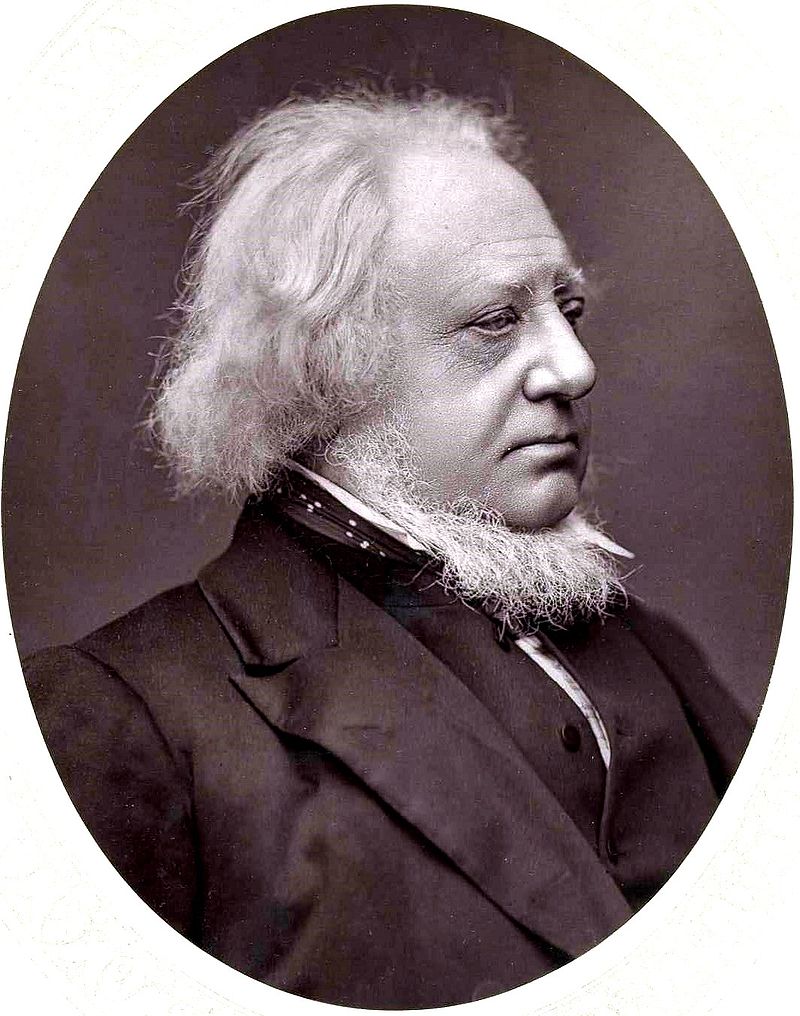
In the mid-19th century, Sir Henry Cole, a prominent figure in the British postal system and an advocate for postal reform, recognized the need for a convenient way to send holiday greetings. Cole approached his friend, artist John Callcott Horsley, to create a design for a card that people could send to convey their Christmas and New Year's wishes.
The result was a triptych design featuring a central panel showing a festive family gathering, flanked by images of charitable acts. The greeting on the card read, "A Merry Christmas and a Happy New Year to You." This innovation introduced a new tradition of exchanging holiday sentiments more efficiently, at a time when sending handwritten letters was the norm.
The card was printed in lithography, a technique allowing for mass production. Around 1,000 copies were initially produced and sold for a shilling each. While the design was simplistic, its introduction marked a practical response to the demands of the rapidly expanding postal service and the growing population.
The commercial Christmas card quickly gained popularity, facilitating the spread of personal and social connections during the holiday season. This practice laid the groundwork for the greeting card industry, which continues to flourish today, with billions of cards sent annually worldwide. It also contributed to the evolving culture of Christmas as a time of both personal expression and commercial activity.
#MoofLife #ChristmasTradition #PostalHistory #GreetingCards #SirHenryCole
View detailsCharles Dickens published "A Christmas Carol," capturing widespread attention as it brought forth a renewed interest in the celebration of Christmas. At the time, the festive season had been fading in popularity, with traditional customs diminishing. Dickens, influenced by his own struggles with poverty and his empathetic nature towards the less fortunate, used his literary skills to craft a compelling narrative to address social issues.
"A Christmas Carol" tells the story of Ebenezer Scrooge, a miser transformed by the visitation of three spirits on Christmas Eve. The novella highlighted themes of redemption, generosity, and compassion. Dickens' storytelling merged social criticism with a heartfelt plea for charity and kindness, resonating with readers across various socio-economic backgrounds.
The book was published at a critical juncture, selling 6,000 copies in its first week. It has never been out of print since its release, reflecting its profound and lasting impact. The characters, especially Scrooge, became emblematic of the spirit of Christmas, challenging individuals to reflect on their own behaviors and attitudes towards others.
The narrative's popularity prompted the revival of several Christmas customs, including family gatherings, feasting, and community goodwill. The reemergence of these traditions fostered a collective sense of joy and unity during the festive season. Additionally, the novella bolstered the idea of Christmas as a time for caring for the less fortunate, inspiring charitable acts and social reforms.
Overall, Dickens' work not only revived Christmas traditions but also underscored the importance of empathy and generosity. This publication played a pivotal role in shaping modern celebrations and attitudes towards the holiday. It stands as a testament to the power of literature to influence cultural norms and social values.
#CharlesDickens #ChristmasCarol #ChristmasSpirit #Literature #SocialImpact #VictorianEra #Charity #Empathy #MoofLife
View details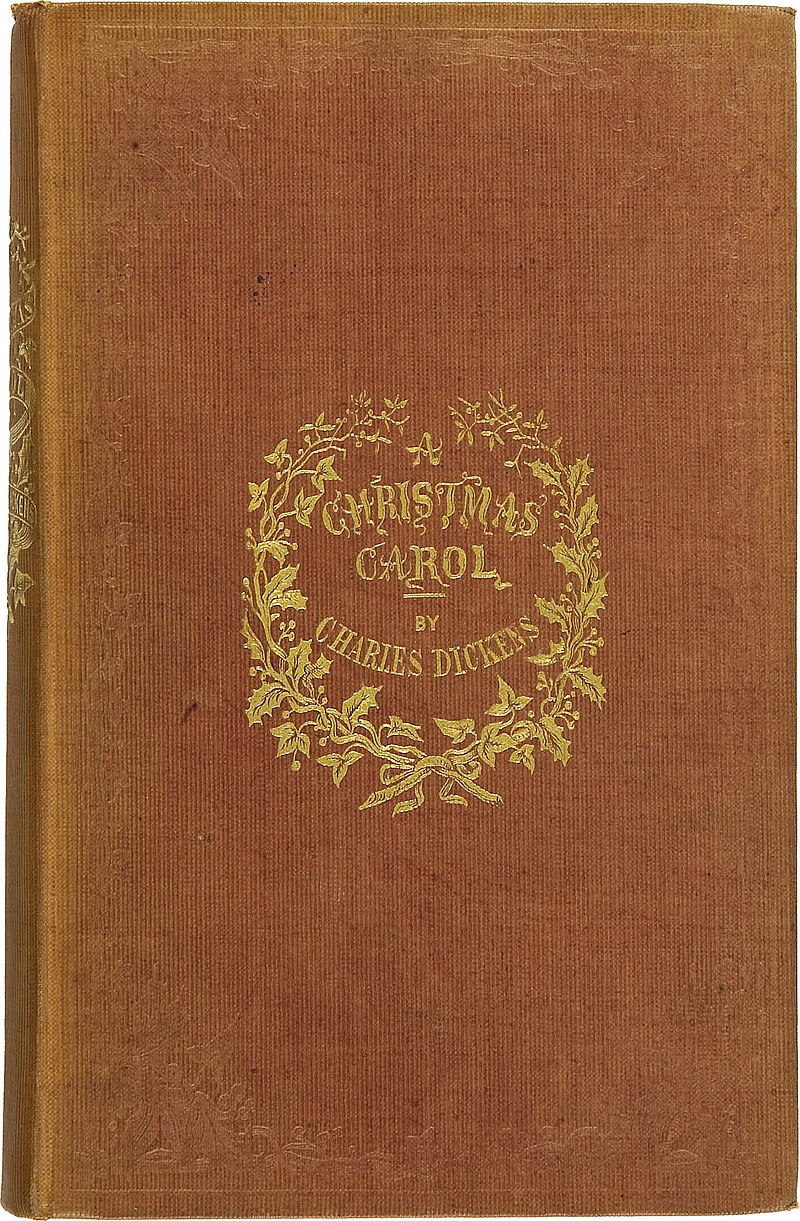
In the early 19th century, the industrial revolution was transforming society and creating new opportunities for communication and commerce. Amid this period of change, Sir Henry Cole, a prominent figure in the development of the British postal system, played a pivotal role in what would become a longstanding tradition. Seeking a way to encourage ordinary people to use the new postal services, he partnered with artist John Callcott Horsley to create an innovative product—a commercial Christmas card.
The card featured a triptych design. The central panel depicted a family celebrating together, complete with festive cheer, while the side panels illustrated acts of charity. This design was unique in its time, making the card not only a greeting but also a gentle reminder of the charitable spirit associated with the holiday season.
The initial print run was approximately 1,000 cards, sold for a shilling each, making this an accessible yet novel way for people to send holiday greetings. The commercial Christmas card became an instant success, rapidly gaining popularity among the public. It met with mixed reactions; some praised the convenience and creativity, while others criticized the depiction of a child consuming a glass of wine.
The inception of the commercial Christmas card had broad implications. It spurred the growth of the greeting card industry, leading to the formation of many businesses dedicated to card production. In modern times, billions of Christmas cards are exchanged annually around the world, highlighting the enduring legacy of Sir Henry Cole's innovation.
This simple yet profound idea of sending a card to express sentiments during the holiday season has expanded beyond Christmas to other occasions, embedding itself into cultures globally. It underscores the significance of personal connections and the expression of goodwill.
#MoofLife #ChristmasTraditions #GreetingCards #HenryCole #IndustrialRevolution #PostalHistory
View details