
Christmas

The season of giving and joy.
Related Lives

South Korea
The Land of Morning Calm

Armenia
Gateway to Ancient Traditions and Scenic Beauty

President of the Italian Republic
Head of State

Niger
Land of the Sahel
President of the Italian Republic
Head of State

Bhutan
Land of the Thunder Dragon

Kenya
The Cradle of Humankind

China
Land of Silk

0379
Following the revival of Orthodox Christianity during the reign of Emperor Theodosius I, Christmas was introduced in Constantinople. This event marked the formal adoption of December 25th as the official celebration of the birth of Jesus Christ in the Eastern Roman Empire. Prior to this period, the community primarily celebrated January 6th, known as Epiphany, which commemorated both the birth and baptism of Jesus Christ.
The adoption of December 25th in the Byzantine capital was influenced by the practices already established in the Western Roman Empire. The promotion of this date aimed to unify Christian practices across the empire and strengthen the orthodox faith against growing heretical movements. This strategic move sought to consolidate ecclesiastical authority and provide a clear declaration of orthodoxy.
The establishment of Christmas in Constantinople had considerable religious, social, and political implications. Religiously, it reinforced Nicene Christianity, distinguishing it from Arian beliefs which were prevalent at the time. Socially, the new celebration introduced novel liturgical festivities, which included a midnight vigil and subsequent festive gatherings. Politically, the imperial endorsement of this celebration underlined Theodosius I's commitment to restoring and promoting orthodox Christianity within the empire.
Historical accounts suggest an increase in church attendance during this period, reflecting widespread acceptance of the newly introduced celebration. Furthermore, the synchronization of the date with the Roman Saturnalia and Sol Invictus festivals facilitated smoother integration among the populace. This integration bolstered the visibility and influence of Orthodox Christianity across both urban and rural regions.
The formal introduction of Christmas solidified the religious calendar within Constantinople, aligning it with the broader Christian world, thus enriching the cultural and spiritual fabric of the city. This alignment played a crucial role in shaping the future practices and traditions of Eastern Orthodox Christianity.
#MoofLife #Constantinople #OrthodoxChristmas #TheodosiusI #ReligiousHistory #ChristianUnity
View details0336
The first documented instance of Jesus's birth being celebrated on December 25 is recorded in the Chronograph of 354. This ancient Roman calendar assembled by the early Christian community marks a significant moment in the history of Christianity and its traditions. Prior to this period, there were various dates observed among different Christian groups for commemorating the birth of Jesus. The decision to celebrate on December 25 may have been influenced by existing Roman festivities such as the celebration of the winter solstice and the festival of Sol Invictus, which honored the 'Unconquerable Sun.'
These Roman festivities were periods of great joy and were marked by public gatherings, feasts, and the exchange of gifts. By coinciding the celebration with these popular pagan traditions, early Christians strategically aligned their observance with existing customs, likely aiming to facilitate the conversion to Christianity and make it easier for converts to accept the new faith.
The impact of this documentation was profound in establishing a unified date for the celebration of the Nativity, which eventually spread through the Roman Empire and later throughout the entire Christian world. This helped solidify December 25 as the central date for the celebration, thereby contributing to the formation of Christmas traditions that continue to be observed globally.
The data from the Chronograph of 354 is crucial, as it represents the earliest existing evidence of the Christmas celebration as it is known today. The text not only provides historical evidence but also aids in understanding the early church’s strategies in establishing Christian traditions.
In conclusion, the documentation found in the Chronograph of 354 marks a foundational step in the establishment of Christmas traditions, intertwining religious significance with cultural adaptation.
#Christmas #ReligiousHistory #AncientRome #ChristianTraditions #CulturalIntegration #MoofLife
View details0300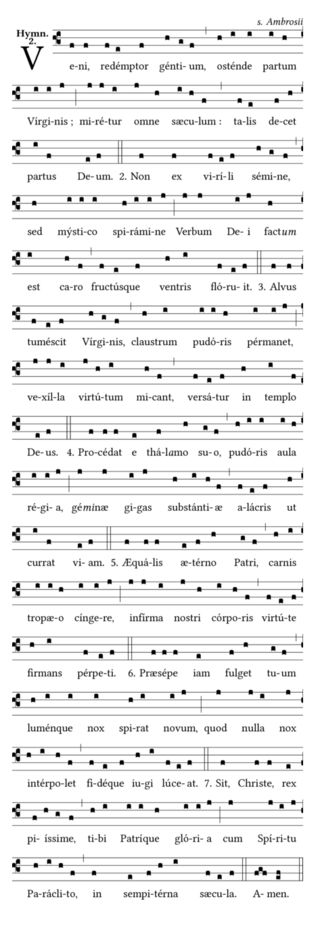
In early Christian Rome, the practice of creating hymns to celebrate significant religious events took root. The composition of some of the earliest Christmas hymns, such as "Veni Redemptor Gentium," is attributed to this period. Written by Ambrose of Milan, a bishop and influential theologian, these hymns were designed to extol the spiritual and theological significance of Christ's birth.
"Veni Redemptor Gentium," which translates to "Come, Redeemer of the Nations," addressed core beliefs central to the Christian faith, emphasizing the divinity and humanity of Jesus Christ. This hymn was likely used in liturgical settings, aiding congregations in focusing their worship and celebrations on the advent of Christ and the hope and salvation associated with his birth.
The impact of these earliest hymns was substantial. They played a role in solidifying the observance of Christmas as a key Christian holiday, reinforcing its themes and teachings through music and communal singing. The structured and poetic nature of hymns like "Veni Redemptor Gentium" made theological concepts more accessible and memorable to the populace, contributing both to the spread and the entrenchment of Christian doctrine across the Roman Empire.
Engaging congregations through music added a dynamic and emotional layer to religious practice, which helped in cohesive community building. Furthermore, the creation and use of such hymns set a precedent for the composition of religious music in Western Christianity, influencing liturgical traditions for centuries to follow.
#EarlyChristianity #ChristmasHistory #AncientRome #ChurchMusic #ReligiousHymns #MoofLife
View detailsThe Annunciation marks the moment when the conception of Jesus was announced. According to Christian tradition, the event occurred nine months before Christmas. The Annunciation is detailed in the Gospel of Luke, where the angel Gabriel is sent by God to the Virgin Mary in Nazareth. Gabriel informs Mary that she has found favor with God and would conceive a child by the Holy Spirit, naming him Jesus.
This announcement had significant theological implications for Christianity, establishing the divine nature of Jesus' birth. The conception of Jesus without an earthly father emphasized his status as the Son of God. This event is a cornerstone of Christian belief, laying the foundation for the narrative of Jesus' life, death, and resurrection.
The Annunciation has been depicted in various forms of art throughout history, including paintings, sculptures, and literature, influencing both religious and cultural spheres. The event is commemorated in the Christian liturgical calendar, celebrated by various denominations in recognition of its importance in the story of Jesus Christ.
#MoofLife #Annunciation #Christianity #Theology #Christmas #ReligiousStudies #BiblicalEvent
View detailsThe decision by the early Christian Church to establish a fixed day for Christmas was a strategic move. This decision was rooted in aligning the birth of Jesus with the winter solstice, a time celebrated in various cultures with festivals marking the return of longer days. The choice of December 25 was also significant as it positioned Christmas exactly nine months after the Annunciation, the celebration of the angel Gabriel announcing to Mary that she would conceive Jesus.
By setting this specific moment for Christmas, the Church aimed to provide a consistent framework for worship and to incorporate and sanctify existing pagan traditions. Prior to this, there had been diverse opinions and celebrations regarding the timing of Jesus's birth. With this fixed moment, the Church could unify its followers under a common tradition and facilitate the observance of a distinct Christian festival.
This timing addressed multiple goals: aligning with the natural rhythm of the seasons, which held deep cultural significance, and offering an alternative to the Roman pagan festival of Saturnalia and the celebration of the birthday of the Sun God, Sol Invictus. These festivals already involved feasting, gift-giving, and general merriment, thus easing the acceptance of Christmas practices.
The establishment of December 25 had far-reaching impacts on Christian liturgy and the societal framework in which these rituals were performed. Over time, it helped mold the social and religious fabric of Western civilization and established a cornerstone for one of the most significant celebrations in Christianity.
#ChurchDecision #ChristmasHistory #WinterSolstice #Annunciation #MoofLife
View details0274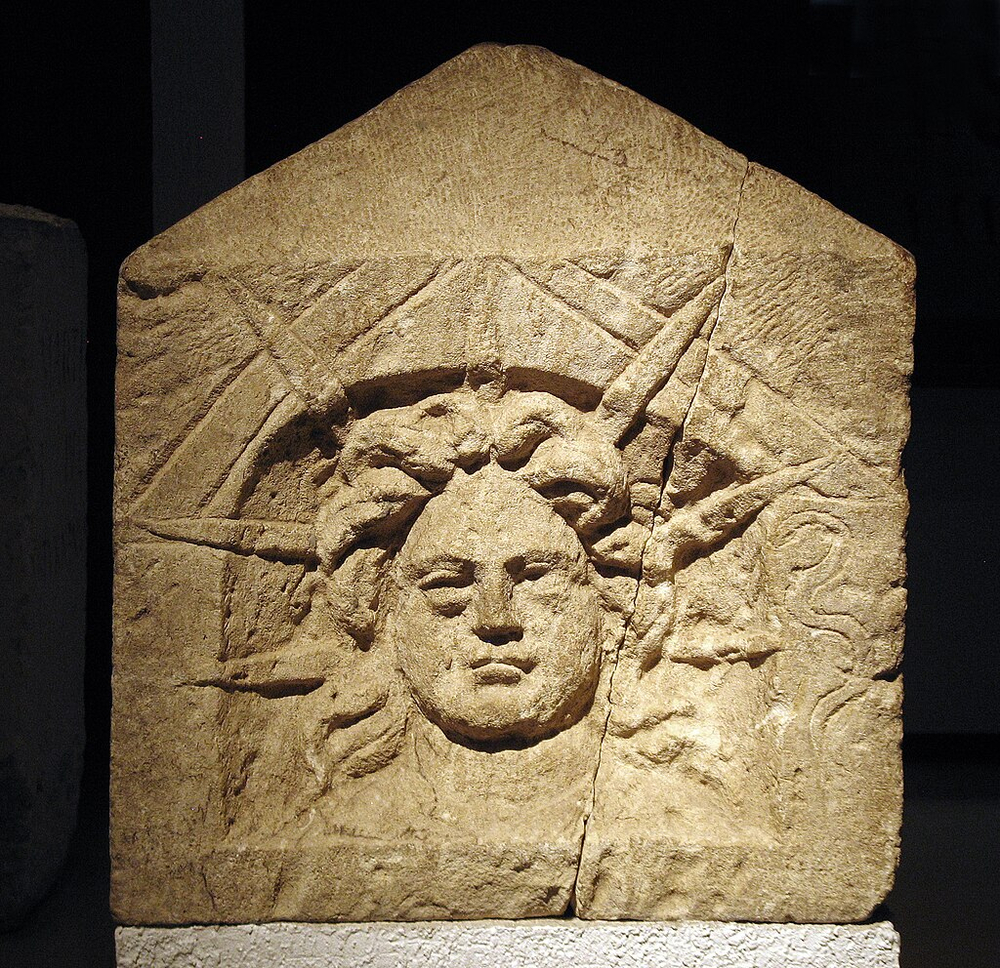
Roman Emperor Aurelian formally established the festival known as Dies Natalis Solis Invicti, meaning 'Birthday of the Invincible Sun.' This observance sought to honor Sol Invictus, the sun god whose worship symbolized the continuity of the Roman Empire’s power and the unifying force across the diverse regions under Roman rule.
The creation of this festival aimed to strengthen the cult of Sol Invictus, ensuring a central religious identity. This act of institutionalizing the celebration reflected Aurelian's broader policies of promoting centralized state cults. The festival, held at the end of December, coincided with the time of the winter solstice when the renewal of the sun's power became perceptible. This association with the sun at its weakest and the promise of its imminent strength served as a powerful symbol for the stability and longevity of the empire.
Aurelian’s decision to dedicate this day to Sol Invictus can be viewed in the context of his other reforms, which included military restructuring and economic policies. Consolidating religious practices under a state-endorsed deity was part of a strategic effort to reinforce the common identity among the citizenry, stitching together the various cultural and religious traditions within the empire.
This festival’s observance involved sacrifices, games, and public feasts, aiming to unite people in joyous celebration and reaffirm their loyalty to the emperor and the divine patron of Rome. Resplendent ceremonies and rituals underscored the emperor's role as Pontifex Maximus, pivotal in maintaining the pax deorum, the peace of the gods.
Although originally a pagan festival, Dies Natalis Solis Invicti’s date and thematic emphasis on light and rebirth eventually influenced the Christian tradition of Christmas. The alignment with the rebirth of the sun predated its association with the birth of Christ, yet provided a seamless temporal and symbolic transition for early Christians.
Historians note that the establishment of this festival played a role in the broader historical transitions within the Roman Empire and the subsequent adoption of Christianity as the state religion.
#RomanHistory #EmperorAurelian #SolInvictus #SunWorship #ReligiousFestivals #PaganRoots #CulturalUnity #AncientTraditions #HistoricalFoundation #MoofLife
View details