
Christmas

The season of giving and joy.
Related Lives

South Korea
The Land of Morning Calm

Armenia
Gateway to Ancient Traditions and Scenic Beauty

President of the Italian Republic
Head of State

Niger
Land of the Sahel

Japan
The Land of the Rising Sun

Argentina
Land of the Tango

Mauritius
Island Rythms

Arkansas
The Natural State

1841
Prince Albert, after marrying Queen Victoria, introduced the Christmas tree tradition to Britain. Coming from Germany, where Christmas trees were a festive tradition, Albert brought this custom to the British royal family. He set up a decorated tree in Windsor Castle which quickly caught the public's imagination. The detailed account of the royal family's Christmas celebrations was published and widely circulated through the Illustrated London News. This publication showed illustrations of the royal family gathered around a decorated tree, marking a pivotal point in British Christmas traditions.
The impact was widespread and swift. As soon as the images reached the public, families across Britain began adopting the practice. Merchants started selling Christmas ornaments, and within a few years, having a decorated tree had become a common sight in British homes during the festive season. This practice was not new in Albert's homeland, but it was unique to Britain, making it a distinctive cultural synthesis.
The Christmas tree tradition continued to evolve and became an integral part of Christmas celebrations in Britain, symbolizing family togetherness and festive cheer. Its popularity surged along with the exchange of gifts and other Christmas-related activities, solidifying its place in British culture.
The adoption of the Christmas tree is a clear example of how cultural practices can be influenced and integrated through marriage and monarchy, perpetuating a new tradition that becomes a standard part of life in a different society.
#CulturalInfluence #RoyalChristmas #ChristmasTree #MoofLife
View details1835
The term 'Christmas tree' was documented for the first time in 1835. This event marked a notable point in the cultural adoption of the Christmas tree tradition in England. The origin of decorating trees for Christmas can be traced back to Germany, where such practices were part of the cultural customs during the festive season.
The introduction of the Christmas tree to Britain is often attributed to Queen Charlotte, the German wife of King George III, who reportedly set up the first Christmas tree at Windsor Lodge. However, it was not until Prince Albert, the German husband of Queen Victoria, popularized the custom in the 1840s that the Christmas tree became widespread in English households.
A clear record of a Christmas tree being mentioned in English text underscores the gradual integration of a tradition once foreign to British culture. This moment in history signifies an increase in the exchange of cultural practices within Europe and reflects broader social and cultural shifts towards a more interconnected and diverse set of festive customs.
The Christmas tree rapidly became a central symbol of the Christmas celebration in England. By the mid-19th century, the presence of decorated trees in homes, churches, and public spaces was firmly established. This practice also illustrated changes in family dynamics and the commercialization of Christmas, with ornaments, lights, and tree stands becoming widely available for purchase.
Statistics show that the adoption of the Christmas tree tradition grew steadily, with many British homes, by the latter half of the 19th century, incorporating a variety of decorations including handcrafted ornaments and, eventually, store-bought items. The economics of Christmas also expanded, influenced by this new tradition, contributing to a festive market that encouraged the exchange and sale of holiday items.
The recording of 'Christmas tree' in the English language marks a pivotal point in the celebration of Christmas, reflecting the growing influence of cross-cultural traditions and the evolution of holiday festivities in a period of significant social change.
#ChristmasTree #CulturalHistory #HolidayTraditions #MoofLife
View details1832
Queen Victoria's enthusiasm for a Christmas tree significantly influenced the British populace, cementing the custom as part of British festive traditions. Before her endorsement, the practice of displaying Christmas trees was relatively unknown in Britain. The Queen's introduction of the tree came from her familiarity with German traditions through her mother, Princess Victoria of Saxe-Coburg-Saalfeld.
Queen Victoria’s first Christmas tree was set up in her childhood at Kensington Palace. Inspired by her mother’s German heritage, the decoration involved wax candles, trinkets, and sugar ornaments. Her journal entry revealing her joy upon seeing the tree for the first time helped garner public interest.
The influence of the royal family cannot be underestimated in terms of shaping public customs. By documenting her personal delight in having a decorated tree and celebrating the festive season, Queen Victoria played a crucial role in popularizing the Christmas tree. This documentation evidenced a shift in public behavior and festive social practices. The British people's adoption of the Christmas tree tradition contributed to a broader cultural shift in how Christmas was celebrated in Britain.
Developments in the printing press and media during Queen Victoria’s reign ensured that images and descriptions of royal customs and practices reached a wider audience efficiently. Illustrated publications, particularly in publications like the Illustrated London News, showcased the decorated trees within the royal household, encouraging the public to emulate the practice.
The adoption of the Christmas tree was not only a matter of festive decoration but also illustrated the influence of cultural exchange within European nobility. The tradition has been carried forward, becoming an entrenched part of British, and subsequently global, holiday traditions.
Queen Victoria’s open celebration of the Christmas tree characterizes an example of how royal practices can influence broader social traditions. The Christmas tree today stands as a universal symbol, transcending its origins and continuing as a core element in festive celebrations around the world.
#ChristmasTradition #QueenVictoria #CulturalAdoption #RoyalInfluence #MoofLife
View details1822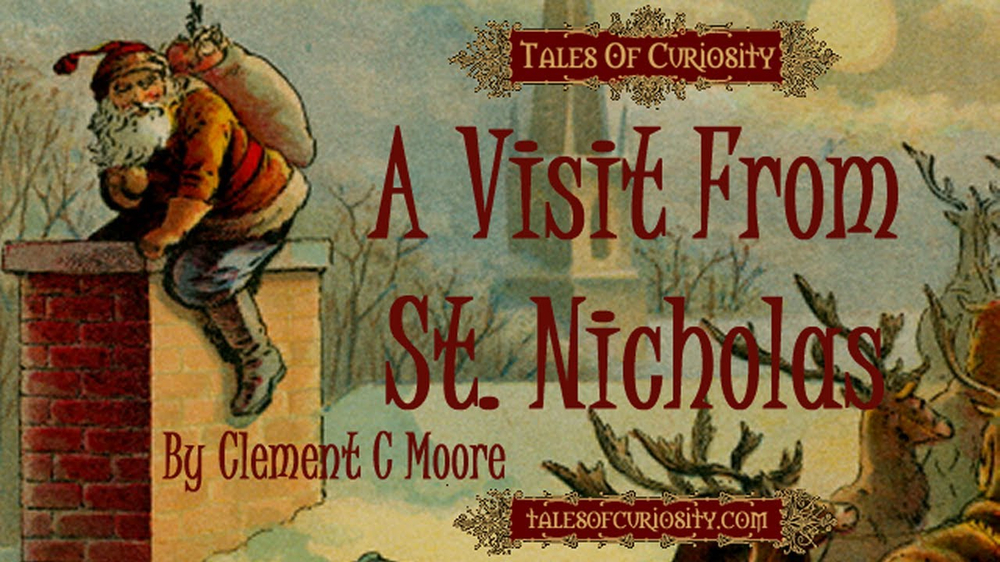
Clement Clarke Moore wrote the poem "A Visit from St. Nicholas," more commonly known as "'Twas the Night Before Christmas," in the early 19th century. Moore, a professor of Oriental and Greek literature, authored the poem for his children. The poem was not initially intended for publication, but a family member sent it to the New York Sentinel, which published it anonymously.
The poem played a significant role in shaping the modern image of Santa Claus. Prior to its publication, depictions of Santa Claus were varied and inconsistent. Moore's poem described Santa as a jolly, plump figure who travels in a sleigh pulled by reindeer, with a bag full of toys for children. This image quickly became popular and has endured in American culture.
The poem's impact extended beyond the United States. It influenced Christmas traditions globally, promoting the idea of Santa Claus as a central figure in holiday celebrations. Interestingly, the poem includes the first reference to Santa's sleigh being pulled by "eight tiny reindeer."
"A Visit from St. Nicholas" also contributed to the increasing popularity of Christmas as a significant holiday in America. The description of family, children, and gift-giving emphasized the domestic and joyful character of the holiday, aligning with the changing cultural attitudes of the time.
Moore's contribution to literature and holiday traditions remains profound. The poem is widely read to children during the Christmas season, and its simple but enduring verses continue to capture the imagination of people worldwide.
#ChristmasTraditions #SantaClaus #LiteraryImpact #Poetry #CulturalInfluence #MooreLife
View details1750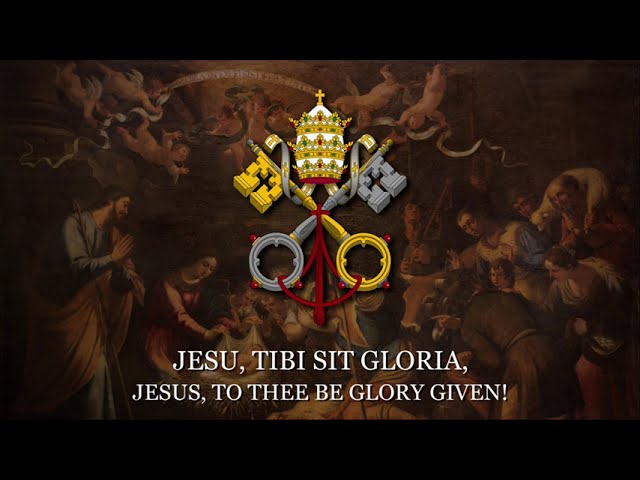
The hymn "Adeste Fideles," known in English as "O Come All Ye Faithful," appeared in its modern form in the mid-18th century. The authorship of the hymn remains uncertain, but John Francis Wade, an English hymnist, is often credited with compiling and popularizing it. Wade included it in his publication ‘Cantus Diversi’ of Gregorian chants. This hymn played a role in the Catholic liturgical celebrations around Christmas.
"Adeste Fideles" was written in Latin and later translated into numerous languages. The initial Latin version featured four verses, with subsequent versions including additional verses contributed by various composers. Frederick Oakeley, an Anglican priest who later converted to Catholicism, is responsible for the widely recognized English translation.
The hymn's melody, characterized by its rising and falling contours, has been attributed to several composers and appears in numerous hymnals. The spread of this Christmas carol illustrates its deep integration into Christian musical traditions. Congregations during Christmas services would sing "Adeste Fideles" in celebration of the birth of Jesus Christ, marking a communal and spirited inclusion in worship practices.
Historical records indicate that the hymn was embraced by both Protestant and Catholic communities, showcasing its broad appeal. This cross-denominational adoption can be seen as indicative of the hymn's popularity and its role in unifying Christian worship during the festive season. The use of "Adeste Fideles" in choirs and Christmas Masses remains prominent, contributing to its enduring legacy in Christian music.
#Christmas #AdesteFideles #HymnHistory #JohnFrancisWade #LiturgicalMusic #FaithfulGathering #MoofLife
View details1681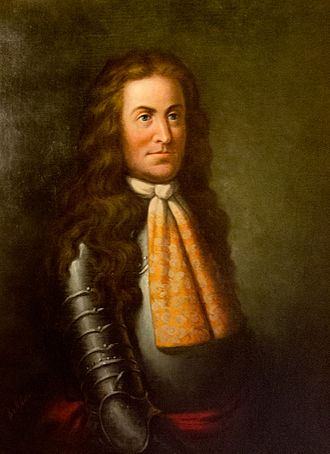
Governor Edmund Andros revoked the ban on Christmas observance in Boston during the rule of the Dominion of New England. The ban had been implemented by the Puritans, who viewed Christmas celebrations as pagan and unbiblical. They associated such observances with excess, idolatry, and a lack of piety. Consequently, traditional rituals such as decorating, feasting, and dancing were prohibited, and public observance of the holiday was suppressed.
The revocation of the ban signaled a shift in policy and religious tolerance. Governor Andros, an appointee of King James II of England, aimed to impose a more Anglican religious practice, which included the celebration of Christmas. His decision was part of a broader effort to consolidate control over the colonies and lessen the rigorous Puritanical influence that permeated New England at the time.
The impact of lifting the ban was immediate yet controversial. It did not result in universal acceptance among the local population, as many Puritans continued to resist the festivities. However, it marked the beginning of a gradual acceptance of Christmas traditions within the wider colonial society. Over time, more colonists began to adopt European-style Christmas customs, integrating them into their cultural practices.
This moment in history also underscored the tension between religious freedom and governance, illustrating how policy decisions could influence and alter cultural and religious practices. Today, it is viewed as an early instance of the complex relationship between politics and religion in American history.
#MoofLife #ReligiousTolerance #ColonialHistory #ChristmasCelebration #CulturalShift
View details1660
Following a period of Commonwealth rule under Oliver Cromwell, which saw the suppression of many public festivities, the monarchy was restored under King Charles II. This restoration marked a significant change in the cultural and social landscape of England. One notable change was the reestablishment of Christmas as a legal holiday.
During the Interregnum when Puritans held power, many traditional celebrations were curtailed. They viewed such festivities, including Christmas, as superfluous and distracting from religious observance. The Puritans passed laws that minimized Christmas celebrations, forbidding activities such as feasting and decorations. This was in stark contrast to earlier times when Christmas was widely celebrated with various forms of merriment.
When Charles II ascended to the throne, he brought with him a more relaxed and festive approach to governance. Christmas, thus, was reinstated as a holiday, embodying the return to pre-Puritan social norms. This move was widely welcomed, as it signified a return to traditional festive customs and allowed people to engage openly in long-standing celebrations.
The cultural impact was considerable, with public celebrations resuming across England. Festivities included feasting, games, and the decoration of homes and public spaces. Restoring Christmas also had an economic impact, as markets and merchants benefited from the renewed, widespread celebrations.
Although exact figures are not available, contemporary accounts suggest widespread popular support for the reestablished holiday, indicating a restoration not just of a royal figure, but of cultural traditions deeply valued by the populace. The reinstatement of Christmas as a legal holiday was a symbolic assertion of merriment and a return to historical customs, opposed to the austere rule of the Puritans.
#ChristmasRestored #CharlesII #CulturalImpact #PublicCelebrations #MoofLife
View details1659
In the mid-17th century, Puritan authorities in Boston introduced measures to prohibit the observance of Christmas. The Puritans, who had a strong influence in the Massachusetts Bay Colony, viewed the holiday with skepticism and disapproval due to its associations with non-religious customs and perceived remnants of pagan traditions. They believed that the festive activities, such as feasting, dancing, and general revelry, distracted from their strict religious practices and principles.
The Puritans emphasized sobriety, piety, and devout worship and considered the Christmas celebration incompatible with these values. As a result, they decided to outlaw the observance of Christmas. This decision was legally reinforced, with penalties imposed on those found celebrating the holiday. The law aimed to suppress activities they deemed inappropriate, ensuring that the community maintained its focus on spiritual discipline and moral integrity.
The prohibition on Christmas observance had a notable social impact on the colony. Although some residents adhered to the ban, others continued to celebrate quietly or in secrecy, showing a divergence in attitudes toward the holiday. This tension highlighted the cultural and religious differences within the community and the challenges in enforcing the law uniformly.
The ban reflected the broader Puritan ethos that sought to align public behavior with their religious doctrine. It illustrates the extent to which the authorities could regulate personal and communal practices based on their interpretation of religious propriety. Over time, as the colony evolved and the Puritan influence waned, these restrictive measures were eventually relaxed, and Christmas celebrations gradually returned to favor.
By examining this historical moment, one can understand the complex intersection of religion, law, and society in early colonial America and the ways in which cultural practices were policed and resisted. The Boston Christmas ban serves as an example of how ideological beliefs can shape public policy and impact collective behaviors.
#ChristmasHistory #PuritanBoston #ReligiousRegulation #EarlyColonialAmerica #MoofLife
View details1647
During the Puritan rule in England, Christmas celebrations were outlawed as part of a broader attempt to eliminate what was considered immoral or excessive behavior. The Puritans, who sought to promote a pious and devout lifestyle, viewed the revelries associated with Christmas — such as feasting, drinking, and playing games — as contrary to their values. The Parliamentary ordinances banned traditional festivities, including the public display and sale of Christmas decorations, and also prohibited the keeping of holidays as part of their religious observances.
The suppression of Christmas led to widespread discontent among the populace, for whom the holiday had significant cultural and social importance. In response, crowds began to use football matches as a form of protest and as a symbol of festive misrule. Football, which was already a popular and often unruly pastime, became a way for people to assert their desire for celebration and communal gatherings despite the restrictions imposed by the Puritan government.
The impact of outlawing Christmas and the defiance through football was notable. It highlighted the tension between the government's attempts to enforce moral discipline and the people's resistance to such controls, particularly during a period when the population was already experiencing the hardships of political upheaval and civil war. The football protests were less about the sport itself and more about reclaiming a sense of community and festivity that the government had sought to suppress.
These events underscore the deep-rooted significance of traditional celebrations and how they can act as focal points for societal resistance. The public outcry and continued underground celebrations showed the limits of the Puritans' control and set the stage for the eventual restoration of traditional festivities with the return of the monarchy.
#ChristmasBan #SocialHistory #PublicProtest #CulturalHeritage #MoofLife
View details1640
The Parliament of Scotland abolished the observance of Christmas following the ascendancy of the Presbyterian Covenanters. Historically, Christmas celebrations were perceived to be in line with Roman Catholic traditions, which the Presbyterian movement sought to reform. The Covenanters aimed to purify the church from practices they considered non-biblical.
The decision reflected broader socio-political dynamics of the time. The Reformation had significantly altered religious practices, and there was increasing resistance against institutions seen as imposing hierarchical or ceremonial excesses. The clergy, upon gaining influence, petitioned for reformations. The ruling body declared Christmas, and other related festivities, to be against core Presbyterian values, emphasizing simplicity and sobriety in worship.
This abolition had immediate and long-term social impacts. Traditional festivities, which included feasting, games, and community gatherings, were largely suspended. Infractions could lead to fines or other penalties, illustrating the state's role in regulating citizens' private lives. The ministers and community leaders were tasked with ensuring compliance, often leading to shifts in public morale and community structure as ordinary citizens adjusted to the absence of a long-held cultural practice.
The legislation marked a clear delineation from previous governance and added to the ongoing northern European trend of reducing Catholic-influenced ceremonies. This change persisted for several decades; the restoration of traditions did not occur until the 18th century when moderation in religious and cultural practices re-emerged.
#ParliamentOfScotlandAbolishesChristmas #Covenanters #ReligiousReform #CulturalShift #HistoricalLegislation #MoofLife
View details1637
In the 17th century, the Parliament of Scotland was influenced heavily by Presbyterianism, a branch of Protestant Christianity. The leadership and broader Presbyterian movement had significant concerns about practices and observances they deemed unbiblical or rooted in Catholic traditions. This ideological stance led to a substantial decision when the Parliament moved to make the celebration and public observance of Christmas illegal.
Presbyterians believed in a form of worship and observance strictly aligned with their interpretation of the Bible, and Christmas was seen as a festival that had no scriptural basis and was tied to pagan festivities and Catholic rituals, which they sought to eliminate from their practice.
Outlawing Christmas was part of broader religious reforms and efforts to purify the church and society from what were viewed as corruption and excesses. This decision served to reinforce the strict religious and moral code within Scotland at the time. The impact was extensive, affecting all aspects of social and religious life. People were prohibited from engaging in traditional Christmas customs, including feasts, games, and gatherings, which would have typically marked the occasion.
Adherence to the ban was strictly enforced and it reflected the broader authority Presbyterians had over the legislative processes and societal norms. This action was part of a series of measures aimed at consolidating Protestant reforms and ensuring a particular doctrinal purity that the leadership desired.
The decision to outlaw Christmas observance was, therefore, not only a religious statement but also a powerful assertion of control by the ruling authorities of the time. It was an attempt to align the population’s practices with the Presbyterian view of proper Christian worship and morality.
#ReligiousReform #Presbyterianism #HistoricalLegislation #CulturalImpact #MoofLife
View details1629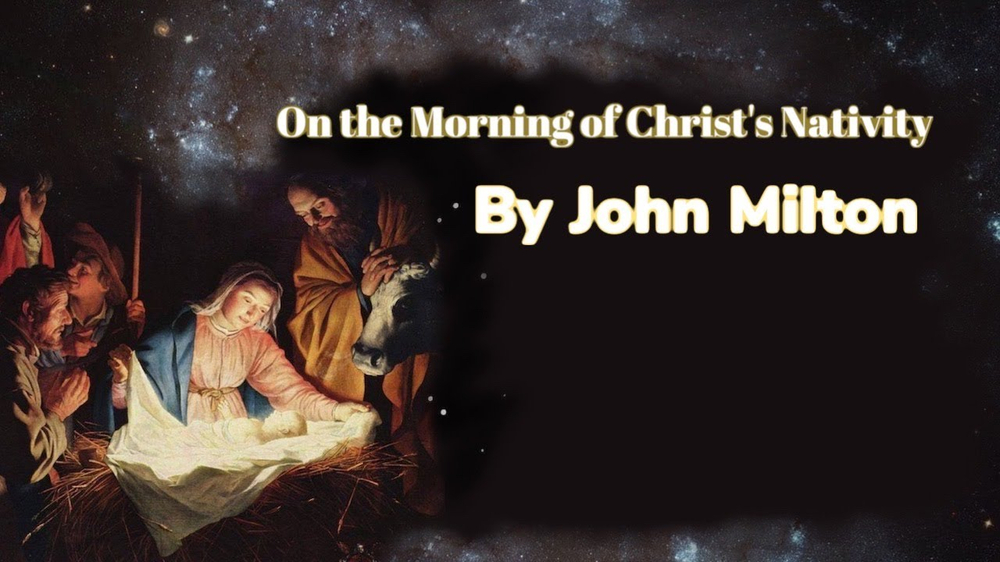
In December, John Milton wrote "On the Morning of Christ's Nativity," a poem that marked his early engagement with epic themes and complex formal structure. Milton was a student at Cambridge when he composed this work, and it is widely regarded as his first significant piece. The poem is composed of 27 stanzas and blends classical traditions with Christian themes, depicting the birth of Christ in a way that reflects Milton's deep study of literature and theology.
Milton's writing reflects a careful balance of reverence for religious tradition and the ambition of a young poet striving for literary distinction. He drew from various sources, including the Bible and classical mythology, to create a vivid narrative that has since been lauded for its lyrical quality and rich imagery.
The poem begins with a prelude, followed by three main sections that describe the nativity, the response in heaven, and the subsequent peace on earth. It serves not only as a testament to Milton's poetic skills but also as a reflection of the religious and cultural influences of the time.
"On the Morning of Christ's Nativity" has had a lasting impact on English literature, demonstrating early talent that would later culminate in Milton’s magnum opus, "Paradise Lost". This poem remains a significant achievement, representing Milton’s ability to fuse religious fervor with poetic innovation.
#MoofLife #LiteraryHistory #JohnMilton #Poetry #Christmas #CulturalInfluence
View details1618
James VI commanded the celebration of Christmas in Scotland despite the country's strong Presbyterian stance which generally opposed such festivities. The monarch's directive aimed to align the Scottish Church with certain Anglican practices, fostering uniformity across his kingdoms. This mandate for Christmas observance faced resistance from the Kirk, which held significant influence over the Scottish populace.
The expectation was that enforcing church attendance for Christmas services would solidify James VI's religious reforms. However, the actual response from the people was underwhelming. The attendance at church services remained low, indicating a general reluctance to adopt these changes. These low attendance figures underscored a deep-rooted adherence to Presbyterian doctrines and customs over the imposed royal policies.
The Kirk's resistance to the celebration of Christmas can be traced to its strict interpretation of Scripture, which did not sanction Christmas as a religious holiday. This was compounded by widespread skepticism of what was seen as an Anglican imposition. The attempted reforms highlighted the broader conflict between the monarchy's attempts at religious uniformity and the local traditions and beliefs that prevailed among the Scottish people.
#JamesVI #ChristmasReforms #ReligiousPolitics #ChurchAttendance #ScottishHistory #MoofLife
View details1607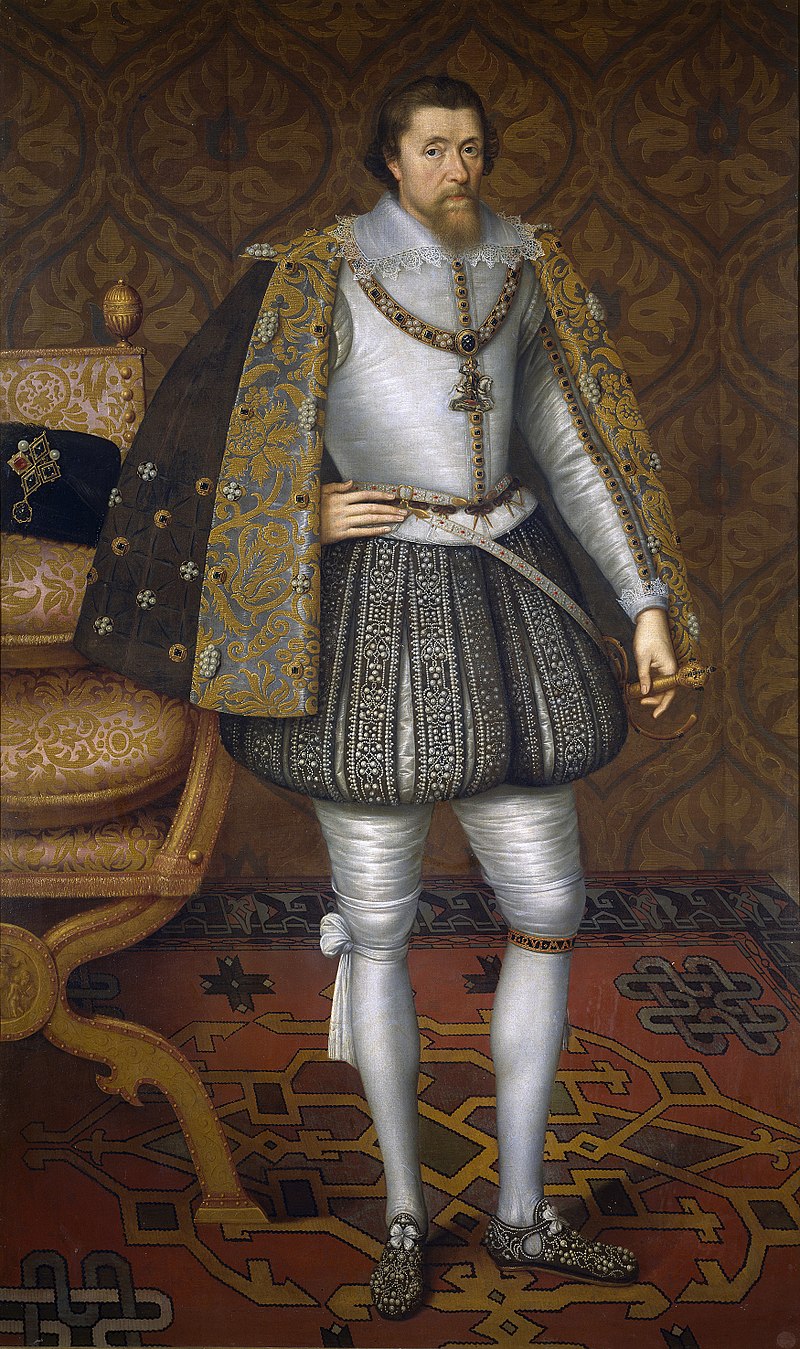
King James I of England was enthusiastic about the arts and culture, emphasizing the importance of celebration and festivity. During his reign, he promoted elaborate events and gatherings at court. Among these occasions, he insisted on a Christmas play and court games, blending entertainment with tradition. This endorsement aimed to elevate the festive spirit and create a sense of unity and joy among the aristocracy and his courtiers.
The decision to prioritize a Christmas play and court games was grounded in the monarch's desire to foster cultural engagement and to solidify his court as a center of artistic patronage. By involving his court in these activities, King James I sought to enhance the visibility of the monarchy and reinforce the social hierarchies of his time. This initiative reflected his broader strategy to manage and sustain his influence over the realm.
The impact of these Christmas celebrations was multifaceted. The court became a vibrant hub of activity, fostering closer relationships among the elite and offering a forum for political alliances and discussions. Additionally, the emphasis on dramatic performances and games exemplified the period's broader cultural trends, often inspired by classical themes and Renaissance ideals.
Crucially, this tradition also highlighted the significance of communal participation in festive events within the royal court, setting precedents for future celebrations. The choice of entertainment resonated with the political and social contexts, allowing the monarchy to cultivate loyalty and goodwill among his subjects.
Overall, King James I's insistence on a Christmas play and court games is an accessible reflection of his broader objectives in governance, leveraging cultural festivities to fortify his rule and enhance communal ties.
#KingJamesI #ChristmasPlay #CourtGames #CulturalHeritage #MonarchicalInfluence #FestiveTradition #MoofLife
View details1550
The poinsettia, known scientifically as Euphorbia pulcherrima, is a plant native to Mexico. It carries important cultural significance in its homeland, where it is called "Flor de Nochebuena," meaning "Flower of the Holy Night." The plant's link to Christmas traces back to its vibrant red and green foliage, which naturally align with the festive colors of the holiday season.
The association began with a legend originating in Mexico. According to the story, a poor child wished to offer a gift to celebrate Jesus' birth. With no money to buy a present, the child gathered a bouquet of wild plants found by the roadside. Though they were mere weeds, upon being placed at the nativity scene, these humble offerings miraculously transformed into the beautiful red blooms of the poinsettia.
This transformation was seen as a Christmas miracle that connected the plant to the celebration of Christ's birth. The poinsettia quickly became popular in Mexican Christmas traditions, symbolizing purity, hope, and goodwill. As Spanish missionaries brought the plant back to Europe, its reputation as the "Christmas flower" spread. Over time, people around the world adopted the tradition, incorporating the poinsettia into their own holiday decorations.
The impact of this legend extends globally, influencing Christmas customs across various cultures. The poinsettia's vibrant red and green leaves have become a quintessential part of holiday decor, celebrated for their beauty and the story of giving they represent. Market studies show that poinsettias are one of the most popular potted plants sold in North America during the Christmas season, reflecting their deep-rooted connection with the holiday.
#PoinsettiaLegend #ChristmasTradition #CulturalHeritage #BotanicalHistory #FlowerOfTheHolyNight #MoofLife
View details1539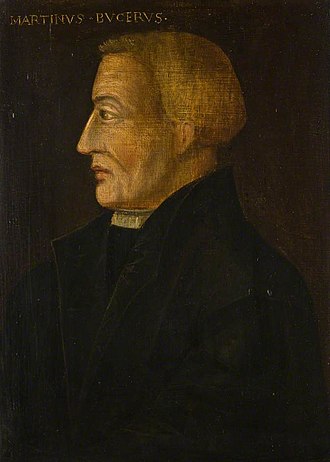
Under the leadership of Martin Bucer, a notable Protestant reformer, a Christmas tree was placed in the Cathedral of Strasbourg. This event marked one of the earliest known instances of a Christmas tree being used in a church setting, reflecting evolving religious traditions during the Reformation. The introduction of the tree was part of efforts to create new, meaningful customs that could coexist with Protestant values.
Placing a Christmas tree in a prominent cathedral such as Strasbourg's was a deliberate move to influence public worship and celebrate the birth of Jesus in a manner that blended old customs with new Protestant ideals. At a time of significant religious reform, this action helped to retain familiar cultural elements while promoting the new Protestant doctrine.
The choice of Strasbourg for this event was significant as the city was a hub for intellectual exchange and Reformist activity. Bucer's initiative set a precedent, contributing to the gradual acceptance and spread of the Christmas tree tradition in other Protestant regions.
This event highlights the adaptive nature of religious celebrations and their capacity to absorb and reframe earlier customs within new theological contexts. It also underscores the role of influential leaders like Martin Bucer in shaping rituals and their meanings for future generations.
#MoofLife #Reformation #ChristmasTraditions #ChurchHistory
View details1426
John Awdlay, a chaplain in Shropshire, documented 25 Christmas carols, a record that illustrates one of the early traditions of caroling in England. As a cleric, Awdlay's work provides insight into the religious and social practices of the time. His listing signifies how caroling was already integrated into the festive season, hinting at its communal and celebratory functions.
The act of singing carols, both within sacred spaces and in communal gatherings, suggests these songs were an essential part of regional celebrations. The inclusion of multiple carols indicates that diverse melodies and lyrics were employed, reflecting various aspects of the Christmas narrative and spirit. Awdlay's documentation confirms caroling's role in society, supporting the hypothesis that these practices helped to foster communal ties during festive occasions.
From a historical perspective, this incident provides valuable data on medieval Christmas customs and music. It offers scholars a basis to explore the evolution of Christmas celebrations in England. Additionally, Awdlay's record contributes to our understanding of how music and festivities were intertwined with religious observances. This moment underscores the importance of music as a cultural and social binder long before modern traditions solidified.
#JohnAwdlay #ChristmasCarols #CarolingTradition #MedievalEngland #FestiveMusic #HistoricalRecords #CulturalPractices #MoofLife
View details1377
King Richard II of England hosted a grand Christmas feast at Westminster. This event required comprehensive planning and preparation to serve an extravagant array of meats, prominently featuring 28 oxen and 300 sheep. It showcased Richard II's dedication to glorifying his reign and emphasizing the prosperity of his kingdom.
The feast's scale and abundance of food were a clear reflection of both the period's customs and the significance placed on royal hospitality. Such events were pivotal occasions where the king could reinforce the hierarchy and remind his subjects of his wealth and power. Nobles and dignitaries from across the realm were invited, providing a strategic opportunity for the king to strengthen alliances and display his benevolence.
The economic impact of this feast can be seen in the amount of resources mobilized. The sheer number of oxen and sheep required significant coordination with local producers and suppliers. It also underscored the agricultural advancements of the time.
Ensuring such a large-scale feast proceeded smoothly was a testament to the administrative efficiency. Organizing the logistics of gathering, preparing, and serving such vast quantities of food illustrated the complexity of managing the royal household.
#MoofLife #RoyalFeast #HistoricalEvent #EconomicImpact #RichardII
View details1223
St. Francis of Assisi revolutionized Christmas celebrations with the first Nativity play in Greccio.
In the small town of Greccio, Italy, St. Francis of Assisi initiated what is widely recognized as the first Nativity play. Drawing from his deep religious devotion and understanding of the Christian faith, St. Francis sought to create a tangible and immersive experience of the birth of Jesus Christ. Recognizing the power of visual storytelling, he set up a live representation of the Nativity scene, incorporating real people and animals to authentically depict the story of Christ's birth.
The staging of this Nativity scene was a groundbreaking approach at the time, providing the local community and pilgrims an opportunity to engage with the Christmas story in a novel and vivid manner. This initiative not only made the biblical narrative more accessible to the laypeople but also reinforced the communal and familial aspects of the festive celebration.
St. Francis's reenactment featured not just the manger, but figures representing Mary, Joseph, the baby Jesus, shepherds, and animal attendees, among others. Accompanying this live scene, traditional carols were sung, enhancing the spiritual atmosphere and facilitating a collective participatory experience.
The impact of this initiative was significant, influencing Christian liturgical practices and paving the way for widespread adoption of Nativity plays and scenes in churches and homes across the world. It elucidated St. Francis's innovative spirit in religious practice and his dedication to deepening the faith experience for ordinary people.
Through this event, St. Francis's vision highlighted the importance of creativity in worship and contributed to the enduring customs observed during the Christmas season. His efforts have persisted through centuries, continually influencing how millions of people celebrate and reflect upon the Nativity story each year.
#NativityPlay #ChristianTraditions #ChristmasHistory #StFrancis #LiveNativity #ReligiousInnovation #GreccioItaly #MoofLife
View details1199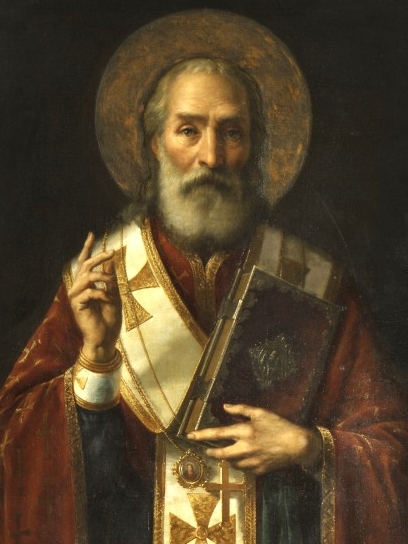
Nicholas of Myra, also known as St. Nicholas, was a revered figure in Christian tradition known for his generosity and acts of kindness. His reputation as a gift-giver spread, initially through local stories, to various parts of Europe. In the Netherlands, his legacy became an essential part of the culture and societal fabric, embedding the tradition of gift-giving.
In the Middle Ages, stories of St. Nicholas were brought to the Netherlands by European sailors and traders who had heard of his deeds. The Dutch people embraced these stories, celebrating St. Nicholas on December 6th, which was his feast day. This day became associated with the sharing of gifts and sweets, primarily among children, symbolizing Nicholas's charitable spirit.
As the practice grew in popularity, it began to influence other parts of Europe. The tradition of St. Nicholas merged with local customs, leading to a variety of festive celebrations. In Germany, St. Nicholas became known as "Sinterklaas," a name that would later evolve into "Santa Claus" when Dutch settlers brought the tradition to America.
This spread of St. Nicholas's gift-giving tradition had a significant impact on Christmas celebrations. It reinforced the idea of charity and kindness, central themes in the tenure of St. Nicholas. The custom of giving gifts served as a reminder of these values, integrating them into broader cultural practices during the festive season.
Historical records indicate that these traditions led to corresponding increases in festive market activities and the craft of making toys and sweets. Merchants noted increased sales of such items, resulting in economic benefits for local economies during the period leading up to Christmas.
Understanding the widespread adoption of St. Nicholas's practices offers a glimpse into how cultural and religious traditions can cross borders and evolve. The transformation of St. Nicholas into a symbol of universal generosity exemplifies the potential for shared cultural heritage to shape communal behaviors and societal norms.
#MoofLife #StNicholas #GiftGiving #CulturalTraditions #ChristmasImpact
View details1131
On December 25, 1131, a significant recorded mention of the term 'Christmas' was identified as 'Cristes-messe.' The word's appearance in written form offers insight into the linguistic and cultural history of the early Middle Ages. This period was marked by the gradual Christianization of Europe, following the spread of Christianity through various regions, influencing language and traditions.
The term 'Cristes-messe' derives from Old English, combining 'Crist' (Christ) and 'messe' (mass), indicating the church service held in honor of the birth of Jesus Christ. This nomenclature encapsulates the fusion of Christian liturgical practices with vernacular language, illustrating the integration of religious observance within everyday life.
The recording of 'Cristes-messe' provides historical evidence of Christmas celebrations in medieval Christian society. This period saw the establishment of Christmas as a principal feast day within the liturgical calendar. It reflects the increasing importance placed on commemorating the birth of Jesus, which was celebrated through various religious ceremonies and communal gatherings.
Data from subsequent years show that the celebration of Christmas involved various customs, including feasting, gift-giving, and the performance of religious plays. The precise recording of 'Cristes-messe' points to the evolving documentation practices of the time, assisting historians in tracing the development of cultural and religious practices.
Furthermore, the event underscores the role of the church in consolidating and disseminating religious observance. Religious leaders and scribes were instrumental in recording religious events and terminology, contributing to the standardization and propagation of Christian holidays.
#MoofLife #Christmas #Cristesmesse #MedievalHistory #ReligiousCustoms #Christianity
View details1100
During a period in the early 12th century, the transfer of Christmas traditions to encompass the Twelve Days of Christmas took place. Spanning from December 25 to January 5, this duration was designated as a time for extended celebration, marking a shift in how the Christian community observed the festive period.
Initially, Christmas celebrations were constrained to a single day, December 25, focusing on commemorating the birth of Jesus Christ. The decision to extend this to twelve days allowed for a more prolonged period of festivity, influencing how Christmas was celebrated in various Christian societies. The Twelve Days began on Christmas Day and concluded on the eve of Epiphany, January 6. This period embodies rich traditions, including feasts, music, gift-giving, and religious observances.
The impact of this change was felt across many regions. It facilitated the incorporation of different local customs and practices into the Christmas celebrations. For example, during the Twelve Days, various communities participated in special church services, plays, and songs that recounted the nativity story and other biblical events. It also became a period when rulers and nobility would host feasts and celebrations for their subjects and courtiers, fostering a sense of communal sharing and festivity.
Religious significance was paramount, with each day often associated with particular saints or religious themes. The practice intensified the spiritual observance surrounding the nativity, supporting the church's broader goal of reinforcing Christian teachings and community spirit during this sacred time.
Socially, the Twelve Days of Christmas became a unifying period, bridging various customs under a common framework of celebration. While statistics from the exact period are unavailable, the legacy of the Twelve Days of Christmas is evident in enduring traditions such as the singing of Christmas carols and the cultural motif of "twelve days" referenced in music and literature.
Overall, the transition to celebrating Christmas over twelve days enriched the cultural and religious fabric of Christian societies, embedding a structure of prolonged festivity that has persisted through centuries.
#MoofLife #ChristmasHistory #TwelveDaysOfChristmas #CulturalTraditions #ReligiousObservances
View detailsAdam of St. Victor, a prominent medieval composer and poet, became notable for his contributions to liturgical music. Among his innovations was the introduction of melodies for carols that were derived from popular songs. This shift occurred during a period when church music was predominantly Gregorian chant, which followed strict, formal structures.
Adam's decision to use tunes familiar to the general population marked a considerable change in church music and practices. By incorporating recognizable melodies, he facilitated greater congregational participation and engagement. This initiative demonstrates an early instance of blending sacred content with secular forms, potentially making sacred music more accessible and appealing to laypeople.
The impact of Adam's work was multifaceted. First, it influenced the development of carol singing, which gradually became a staple during Christmas festivities. Churches adopting his approach found increased attendance during services featuring these carols. Moreover, Adam's work showed an early understanding of using popular culture to reinforce religious practices.
The broader implications of Adam's introduction of these adapted carols can be observed in the evolution of Western music. He laid the groundwork for the inclusion of more diverse and relatable musical forms within religious contexts. This innovative approach had a lasting influence on the development of medieval music and beyond, paving the way for the eventual flourishing of polyphony and other complex musical forms in later centuries.
#ChurchMusic #MedievalMusic #Christmas #Carols #AdamOfStVictor #MoofLife
View details1066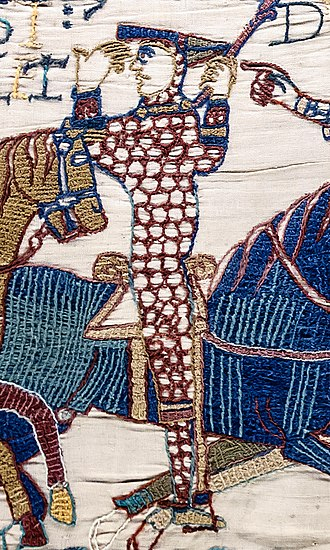
The coronation of King William I of England took place on Christmas Day at Westminster Abbey. William, also known as William the Conqueror, claimed the English throne following his victory at the Battle of Hastings against King Harold II. The succession dispute arose after the death of Edward the Confessor, leading to the Norman invasion of England.
During the coronation, the church was filled with clergy and nobility bearing witness to William's rise to power. Archbishop Ealdred of York and Geoffrey of Coutances performed the ceremony in both Anglo-Saxon and Norman languages. The dual-language practice underscored the political and cultural integration effort necessary for William's rule.
The event had significant repercussions. It marked the beginning of Norman rule in England, bringing about vast administrative, legal, and architectural changes. The feudal system was reinforced, altering land ownership patterns and significantly impacting the English aristocracy. William commissioned the Domesday Book, a comprehensive survey of his new kingdom, which remains a critical resource for historians studying medieval England.
The blending of Norman and Anglo-Saxon cultures led to linguistic and societal transformations, influencing the development of the English language and governance systems. Norman castles and cathedrals replaced older structures, signifying the consolidation of Norman influence.
The coronation ceremony itself was reportedly marked by tension. As voices inside the church cheered for William, guards outside misinterpreted the noise as unrest, triggering a violent response. The incident reflects the volatile atmosphere of England during the transition of power.
William's reign set the stage for the future of the English monarchy, impacting legal systems and aristocratic structures that persisted for centuries. His coronation on Christmas Day symbolized not only the unification of church and state but also the beginning of a new era in English history.
#MoofLife #EnglishHistory #WilliamTheConqueror #NormanInvasion #MedievalEngland #CulturalIntegration
View details1038
The word 'Christmas' was first recorded as 'Crīstesmæsse' in old texts. This event marked the initial known use of the term in the English language, derived from the Old English words 'Crīst' and 'mæsse,' meaning 'Christ' and 'mass.' The usage of 'Crīstesmæsse' reflects the early Christian influence in England, a period when religious observance was becoming more formally organized and documented. The term specifically references the mass in honor of Christ's birth, a pivotal celebration in the Christian calendar.
The recognition of 'Crīstesmæsse' in written records indicates the assimilation of Christian traditions into English society. This development happened during a time when the Church held considerable influence over both cultural and political spheres. Documented terminology provided a standardized reference for religious observances associated with the nativity of Jesus Christ, which had been celebrated in various forms since the early centuries of the Christian era.
The introduction and recording of 'Crīstesmæsse' did more than just name a holiday; it signified the spread of Christian doctrine and the solidification of significant religious practices. Religious and historical scholars often use the appearance of such terms in texts as markers of cultural and societal evolution. These records help trace the spread of Christianity through Europe and offer insights into the medieval calendar and festivities.
#MoofLife #Christmas #History #LanguageEvolution #CulturalInfluence #ChristianTraditions
View details0950
In medieval Europe, the tradition of nativity scenes gained prominence when they were first introduced in Rome. These depictions illustrated the birth of Jesus Christ and included key figures such as Mary, Joseph, the infant Jesus, shepherds, an angel, and a few animals like a donkey and ox. The concept originated from early Christian traditions which sought to visually convey biblical stories to a largely illiterate population. St. Francis of Assisi is often credited with popularizing the nativity scene in Italy, setting a precedent that the Roman Church would follow.
The installation of these scenes in Roman churches and public spaces served both religious and educational purposes. They became focal points during Christmas celebrations, reinforcing the narrative of Jesus' humble birth, and fostering communal gatherings. The adoption of nativity scenes by the Roman Church underscored their importance in liturgical practice and within the ecclesiastical tradition.
Over time, the practice expanded beyond church walls into homes of the devout, transforming personal devotions and family traditions. Craftsmen began specializing in creating these figures, contributing to the local economies and artistic heritage. This had a profound impact on the visual culture of Christianity, emphasizing Incarnation theology and humanizing the divine narrative.
The proliferation of nativity scenes in Rome marked an influential development in Christian piety and artistic expression, with a legacy that persisted and spread across medieval Europe and into the modern world.
#NativityScenes #Rome #ChristmasTradition #Christianity #ArtAndReligion #MoofLife
View details0855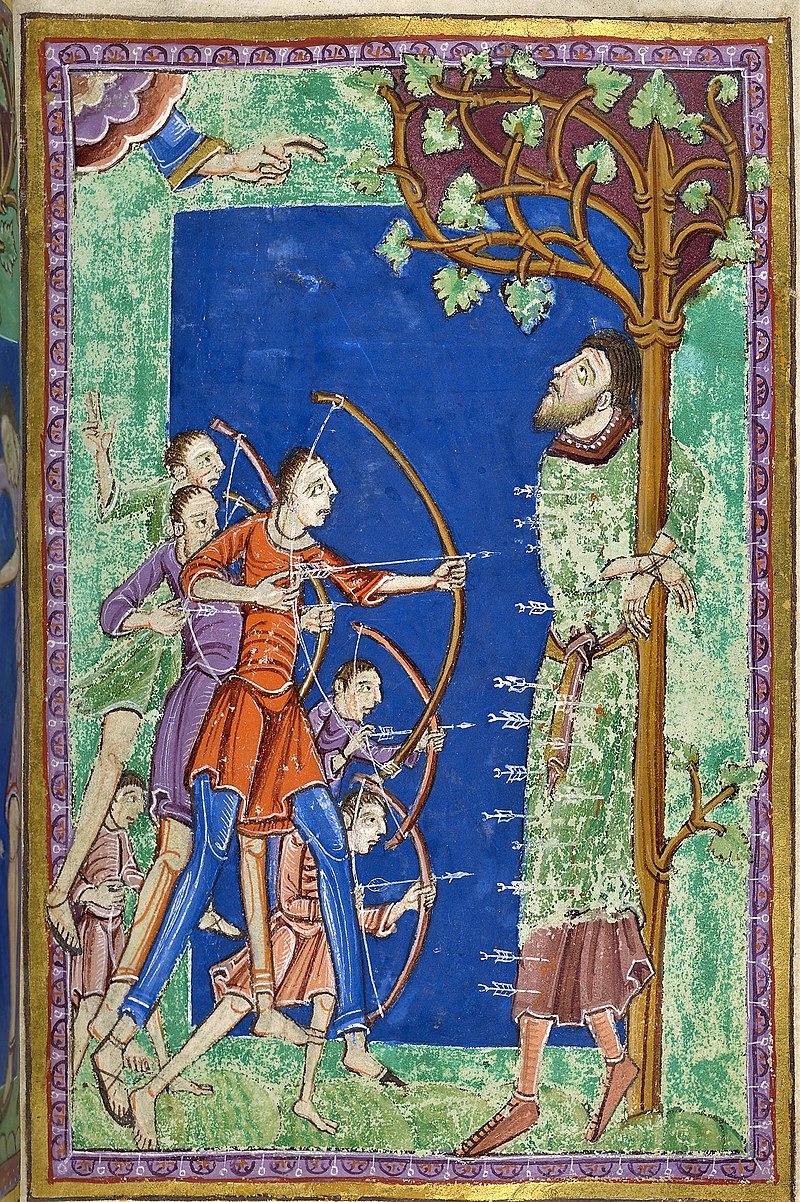
King Edmund the Martyr ascended to the throne on a Christmas Day, marking his formal anointment. The event took place in East Anglia, one of the Anglo-Saxon kingdoms in what is now eastern England. Edmund succeeded Æthelweard and was recognized for his Christian faith and piety. During this period, European monarchs were often anointed on significant religious occasions to emphasize divine blessing on their reign.
This ceremonial act symbolized the divine approval of Edmund’s rule and underscored the connection between the church and the monarchy. The Christian church played a crucial role in legitimizing kings, and anointment ceremonies were seen as acts of religious as well as political importance. The bishops and nobles present during the ceremony reinforced the unity of secular and ecclesiastical powers.
Edmund's reign was characterized by the increasing threat from Viking invasions. His anointment was a pivotal instance that aligned him with the ecclesiastical authorities, strengthening his position against the external pressures. Edmund is remembered for his resistance against the Vikings, though he ultimately met martyrdom at their hands.
The impact of his anointment on Christmas Day reverberated through history, solidifying his legacy as a devoted Christian martyr king. Edmund’s leadership and martyrdom were later celebrated, and he was canonized for his unwavering faith and sacrifice. His death led to his veneration, and several churches were dedicated in his honor throughout England.
#MoofLife #KingEdmund #MedievalHistory #AngloSaxon #Christianity #VikingInvasions #RoyalAnointment #MonarchyAndChurch #EarlyMiddleAges
View details0567
The Council of Tours, a significant meeting of church officials, made the decision to officially declare the twelve days from Christmas to Epiphany as a sacred festive season. Prior to this, various local traditions existed, but there was no unified observance of this period within Christendom. The Council aimed to standardize religious practices and liturgical calendars across regions, promoting cohesion within the Christian community.
This declaration was instrumental in shaping the way Christmas was celebrated. The twelve-day period, often referred to as Christmastide, established structured religious observances and feast days. These twelve days created a framework for numerous customs and traditions, such as the Feast of Stephen on the day after Christmas and the Feast of the Holy Innocents, marking the events associated with the Nativity and the subsequent visit of the Magi.
The formal recognition of this period also had significant cultural ramifications. It encouraged the spread of Christianity by integrating religious festivities into the lives of ordinary people, making the faith more accessible and relatable. This period of festivity became intrinsic to communal life, with emphasis on both religious and social gatherings.
Ultimately, the Council's declaration had enduring effects on both religious practices and cultural traditions within Christian societies. It influenced the liturgical year and fortified the Christmas season as a central and enduring celebration in the Christian world.
#Festival #Religion #Christmas #Tradition #Christianity #MoofLife
View details0387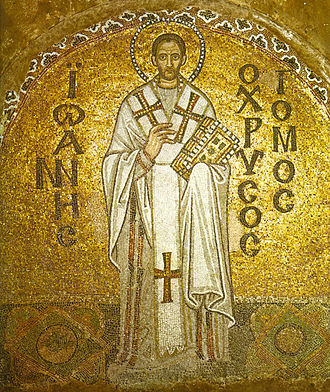
John Chrysostom, the Archbishop of Constantinople, introduced Christmas celebrations in Antioch to mark the birth of Jesus Christ. This event was part of his broader agenda to emphasize orthodox Christian beliefs and practices. Previously, the birth of Jesus was celebrated alongside Epiphany on January 6th, a feast commemorating both Jesus' birth and baptism.
The decision to separate Christmas from Epiphany and recognize it on December 25th aligned Antioch with the Roman Church, which had been celebrating it on this date since the mid-4th century. Chrysostom’s move aimed to unify the liturgical practices and consolidate the theological understanding of Christ’s incarnation in alignment with Nicene Christianity.
This initiative had significant impacts on the liturgical calendar and Christian practices. It cemented December 25th as the universal date for celebrating Jesus' birth across both Eastern and Western Christian traditions. This established a precedent for the celebration of distinct feasts, facilitating the development of Christmas-specific liturgies, hymns, and theological reflections.
John Chrysostom's influence and eloquence in preaching played a critical role in the acceptance and spread of this practice. It underscored the importance of the incarnation, a core tenet of Christian faith, highlighting the doctrine that God became human in the person of Jesus. This reinforcement of theological teaching through liturgical practice helped in combating various heresies of the time.
The formalization of Christmas on December 25th contributed to the creation of new worship traditions, such as nativity plays, and the proliferation of new forms of Christian art, including nativity scenes and iconography focused on the birth of Christ. Over time, these developments significantly influenced Christian cultural practices and the broader societal way of celebrating and understanding the significance of Christmas.
#JohnChrysostom #ChristianTraditions #ChristmasHistory #Antioch #ReligiousPractices #MoofLife
View details0380
In the Catacomb of Saint Valentine in Rome, the earliest known depiction of the Nativity was discovered. This catacomb, an ancient subterranean burial site, is primarily recognized for its early Christian art and relics. The artwork, a fresco, provides valuable insights into the depiction of significant Biblical events by early Christians.
The fresco portrays key figures of the Nativity scene--the infant Jesus, Mary, and Joseph. It demonstrates early Christian efforts to visually narrate the story of Jesus' birth. This discovery underscores the importance of the Nativity event in early Christian theology and worship practices. Additionally, it reflects the use of art for religious education and inspiration among worshippers of the time.
The Catacomb of Saint Valentine holds diverse historical narratives, including this key depiction which enhances the understanding of Christian iconography in antiquity. The artwork adds to the corpus of early Christian art and emphasizes the longevity and continuity of Nativity depictions in Christian history.
#MoofLife #Christmas #NativityArt #EarlyChristianity #HistoricalArt #BiblicalArt #CatacombOfSaintValentine
View details