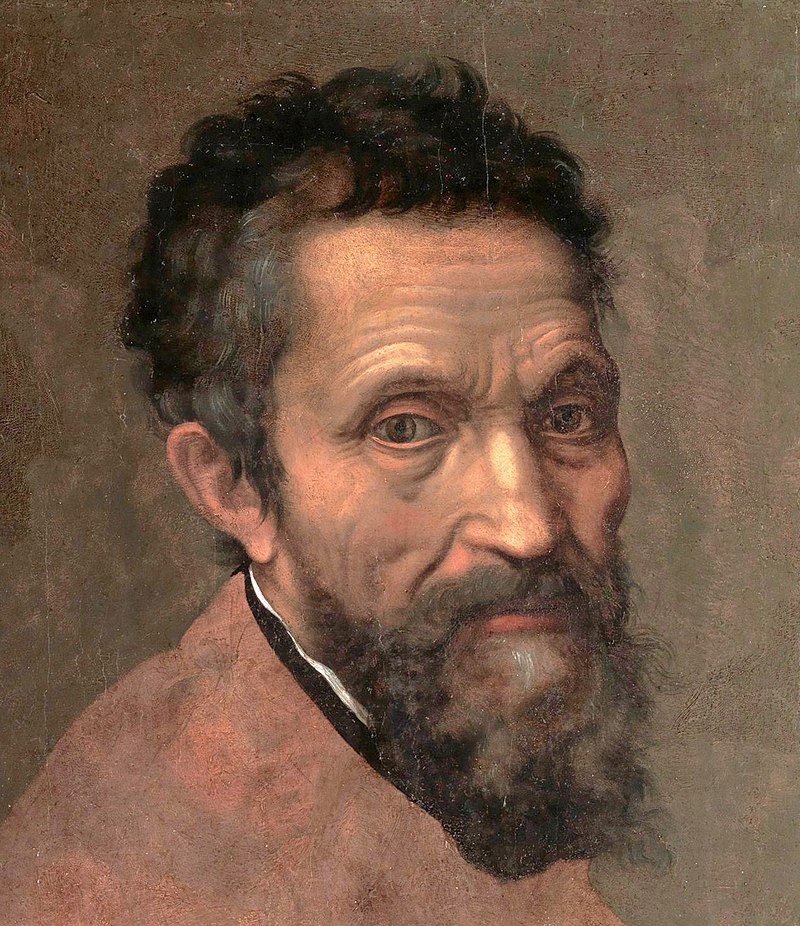
Albert Camus
The Absurdist Philosopher
1
2
3
1954
Albert Camus: Advocate for Algerian prisoners and human rights during the Algerian War.
1954
Albert Camus' 'Summer' essays delve into existentialism, Mediterranean beauty, and profound reflections on humanity.
1954
Albert Camus's Attempt at Peace Amidst Algerian War
1952
Camus Resigns from UNESCO Over Franco Decision: Ethical Stand Against Totalitarian Regime
Oct-1951
Camus's "The Rebel" explores rebellion's ethical implications, sparking intellectual debate and controversy.
1950
Albert Camus and Albert Einstein Sponsor Peoples' World Convention for Global Engagement and Peace.
1950
Albert Camus: Anarchist Writer and Philosopher Promoting Freedom and Social Justice
1949
Mental Health Struggles in Alber Camus's Marriage: Impact of Infidelity and Personal Turmoil
1949
"Albert Camus' Les Justes: Moral complexities of revolutionary violence in historical context"
1948
Post-WWII existential play by Camus reflects societal unrest and philosophical concerns, directed by Barrault.
1948
Albert Camus critiques Spanish Civil War in essay "Why Spain?" for play "L'État de Siège"
1948
Albert Camus aligned with anarchist principles, sparking new interpretations of his work at a meeting.
1947
Albert Camus's Revolutionary Syndicalist Trade Union Movement: Groupes de Liaison Internationale (GLI)
1947
Albert Camus's "The Plague" explores human suffering and revolt in a fictional epidemic - a classic existential tale.
1946
Camus challenges violence in post-war society in 'Neither Victims nor Executioners'.
28-Mar-1946
Albert Camus' "The Crisis of Man" lecture at Columbia University explores existential concerns post-WWII.
1945
Albert Camus shifts from absurdism to revolt in "Letters to a German Friend."
1945
"Premiere of Albert Camus's 'Caligula' at Théâtre Hébertot Reflects Existentialism in Post-War Theater"
1945
Albert Camus Advocates for Reforms in Algeria Amid Massacre aftermath.
1945
Albert Camus: Balancing Parenthood and Philosophy in Transformative Period
1944
Albert Camus: Pivotal Works on Existentialism, Absurdity, and Human Condition
1944
Albert Camus' Le Malentendu marks a pivotal moment in theatre during wartime, exploring existential themes.
1943
Camus's WWII essays: evolving Absurd philosophy and moral resistance amidst turmoil.
1943
Camus and Sartre: Influential Existentialist Friendship in Post-War Paris.
1943
Albert Camus: Resistance Writer for Combat newspaper in WWII France
1942
Albert Camus' "The Stranger" explores life's absurdity through protagonist Meursault's existential journey.
1942
Albert Camus's "L'Étranger": Defining Absurdist Literature with Global Influence
Oct-1942
Albert Camus' 'Le Mythe de Sisyphe' shapes existentialism and absurdism with profound impact.
03-Dec-1940
Albert Camus marries Francine Faure: A union shaping existential thought amidst political turmoil.
1940
Albert Camus faces layoff amid German occupation, leading to exile and artistic evolution.
1
2
3
Related Lives
John F. Kennedy
35th president of the United States
Matthew McConaughey
The Texas Troubadour
Ryan Reynolds
Canadian actor, producer, and entreprene
Melinda French Gates
Philanthropist