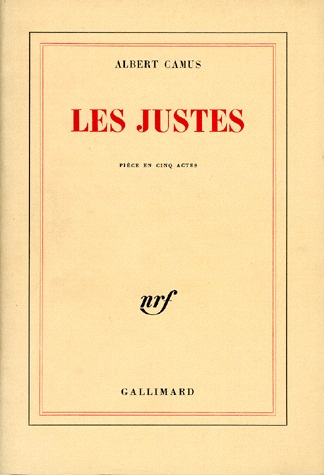
"Albert Camus' Les Justes: Moral complexities of revolutionary violence in historical context"
France
Entertainment
Political
4 min read
Updated By: History Editorial Network (HEN)
Published:
Albert Camus' play "Les Justes" (The Just Assassins) premiered at the Théâtre Hébertot in Paris. This piece highlighted themes of justice, morality, and the complexities of revolutionary acts. The play was set against the backdrop of a real historical event—the 1905 assassination of Grand Duke Sergei Alexandrovich in Russia.
"Les Justes" critically examined the philosophical and ethical implications of violence used for political purposes. Camus, who was already established as a key intellectual figure, used the play to explore the tension between means and ends, a theme consistent with his broader existential and absurdist philosophy. The production was neither lavish nor minimalist but aimed to focus attention on the moral questions raised by the text.
The debut performance was met with considerable attention from both critics and the general public. The audience included avid followers of Camus' work and intellectuals interested in the moral questions of their time. Critical reception was mixed but highlighted the play's depth in probing ethical issues. The actors' performances were noted for their intensity and commitment to the complex characters they portrayed.
"Les Justes" presented a nuanced view of revolutionary violence, avoiding glorification while deeply engaging with its moral ambiguities. This treatment offered both a critique and an understanding of the motives behind political assassinations. The play's engagement with such timely issues contributed to ongoing debates about justice, revolution, and morality in the post-World War II landscape.
#Camus #LesJustes #Revolution #Morality #TheaterHistory #Philosophy #PoliticalEthics #MoofLife
Primary Reference
The Just Assassins - Wikipedia
Explore the Life Moments of
 AI Twin