Albert Camus's Attempt at Peace Amidst Algerian War
France
Political
4 min read
Updated By: History Editorial Network (HEN)
Published:
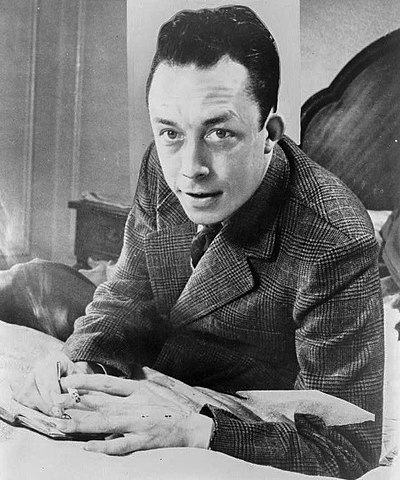
Albert Camus, a renowned philosopher and writer, found himself at a critical juncture during the outbreak of the Algerian War. Born in Algeria to a French family, Camus had deep connections to both French and Algerian cultures. When hostilities erupted between the French colonial government and Algeria's National Liberation Front, Camus took a distinctive stance by advocating for a civil truce. His proposal aimed to halt violence and seek a peaceful resolution, rather than exacerbating the conflict.
Camus's appeal for a civil truce was grounded in pragmatic and humanitarian concerns. He believed that continued violence would only lead to greater suffering for both French and Algerian civilians. Despite his efforts to foster dialogue, his truce proposal was met with strong resistance. Both the French authorities and Algerian nationalists rejected his call, each side firmly entrenched in their positions and unwilling to compromise. For the French, maintaining control over Algeria was a matter of national pride and territorial integrity. For Algerian nationalists, the fight was a crucial struggle for freedom and independence.
The rejection of Camus's plea underscored the deep-rooted tensions and the challenges of finding common ground amidst a colonial conflict. The war would continue for several more years, leading to significant casualties and further straining the relations between the two groups. Camus's endeavor is recognized as a poignant example of the complexities of advocating for peace in a divided world. His call for a truce, though unsuccessful, highlighted the importance of compassion and dialogue in addressing conflicts.
#AlgerianWar #AlbertCamus #CivilTruce #FrenchColonialism #HumanitarianEfforts #ConflictResolution #MoofLife
Primary Reference
Albert Camus - Wikipedia
Explore the Life Moments of
 AI Twin