Camus and Sartre: Influential Existentialist Friendship in Post-War Paris.
France
Political
Philosophy
4 min read
Updated By: History Editorial Network (HEN)
Published:
Updated:
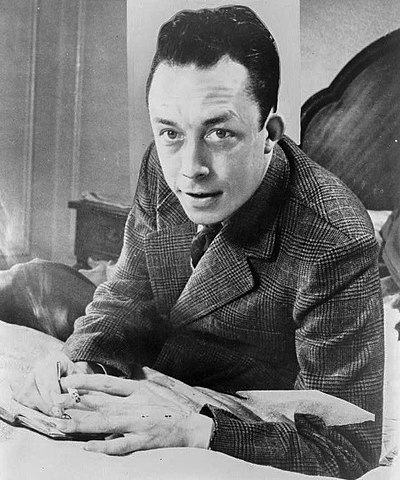
Following his return to Paris after a period of resistance activity and writing during the war, Albert Camus met Jean-Paul Sartre. This meeting marked the beginning of a relationship between two of the most influential existentialist thinkers of the 20th century. Camus, already known for his work "The Stranger," and Sartre, with his philosophical treatises like "Being and Nothingness," found common ground in discussions about existentialism, human freedom, and the absurd.
Their conversations often took place in Parisian cafés, where intellectuals gathered to debate contemporary issues. Camus and Sartre's dialogue contributed significantly to post-war French intellectual life. This friendship was underpinned by mutual respect and a shared understanding of the human condition, although their views would diverge in later years, especially on political matters.
Camus was working as the editor-in-chief of Combat, an underground newspaper that became vocal in advocating for justice and reform in the aftermath of the war. Sartre, a prolific writer and philosopher, was simultaneously gaining recognition for his exploration of existentialist ideas. Their camaraderie fostered a fertile environment for philosophical and literary discourses that resonated widely.
Despite the eventual estrangement between the two thinkers, their early interactions in Paris played a crucial role in shaping the existentialist movement. The friendship between Camus and Sartre remains a topic of interest for scholars, emphasizing the importance of intellectual exchange in shaping philosophical thought.
#Camus #Sartre #Existentialism #Philosophy #Paris #IntellectualHistory #WWIIPostWar #MoofLife
Primary Reference
Camus, Sartre and de Beauvoir - ART & ARCHITECTURE, mainly
Explore the Life Moments of
 AI Twin