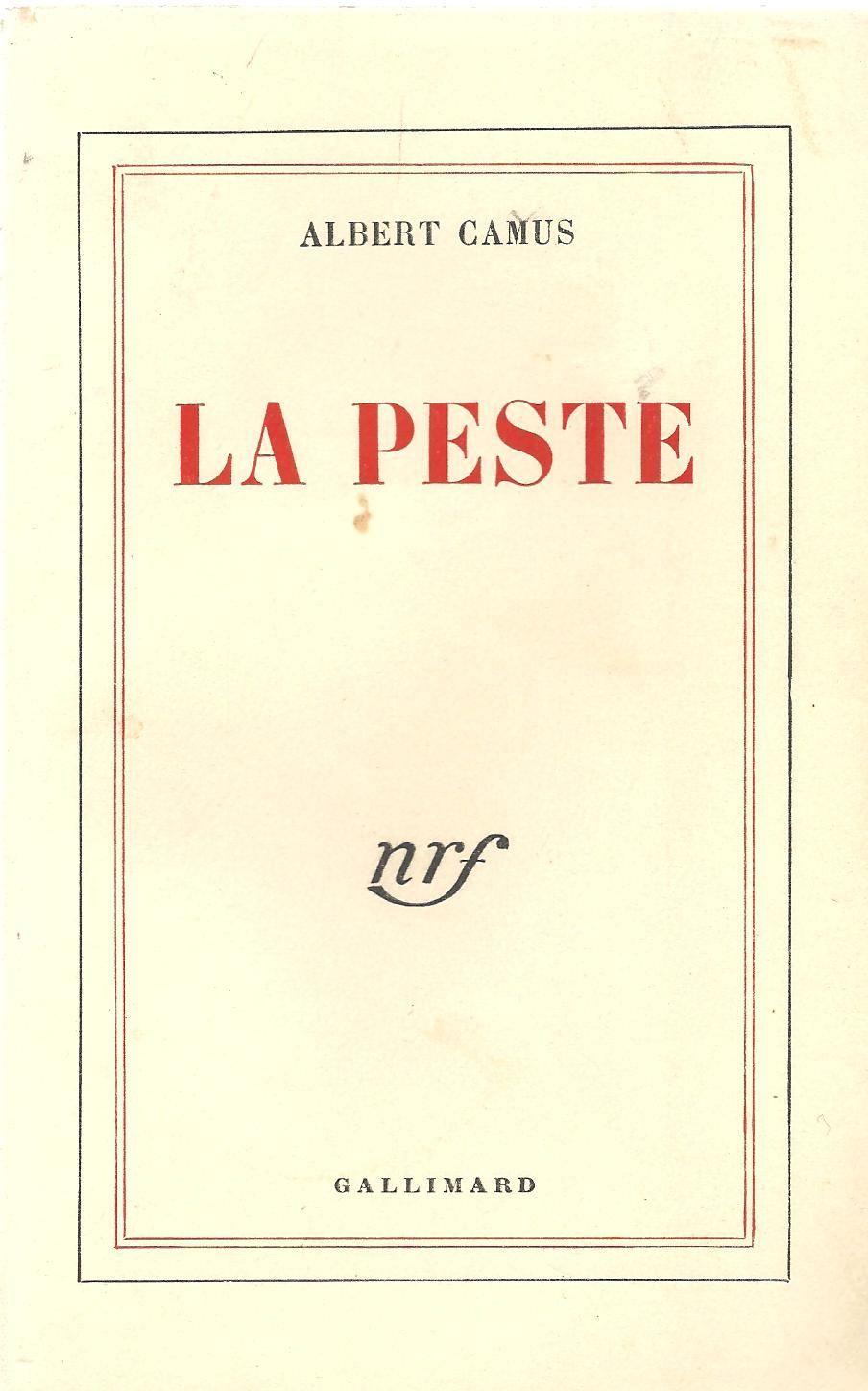
Albert Camus's "The Plague" explores human suffering and revolt in a fictional epidemic - a classic existential tale.
France
Literature
Philosophy
4 min read
Updated By: History Editorial Network (HEN)
Published:
Albert Camus, a French-Algerian philosopher and writer, published his novel "La Peste" ("The Plague"), which marked the start of his second cycle focused on revolt. "The Plague" is an allegorical tale set in the fictional town of Oran, which is struck by a deadly epidemic. Through this narrative, Camus explores themes of human suffering, solidarity, and the struggle against an indifferent universe.
The publication marked a pivotal moment in Camus's literary career as he transitioned from themes of the absurd, embodied in his earlier works like "L'Étranger" and “Le Mythe de Sisyphe,” to themes of collective revolt and resistance. The novel was well-received by critics and readers alike, further solidifying Camus's influence in existential and philosophical literature.
The backdrop of post-World War II Europe, with its collective trauma and search for meaning, rendered "The Plague" particularly resonant. Readers interpreted the epidemic as a metaphor for the spread of totalitarianism and the human condition's perennial struggle against arbitrary and crushing forces.
"La Peste" had a significant impact on existentialist literature and thought. Discussions on the nature of evil, freedom, and ethical responsibility were invigorated by Camus’s portrayal of ordinary people confronting extraordinary circumstances. It also contributed to the discourse on existentialism and humanism, topics central to mid-20th century philosophical inquiry.
Sales of "The Plague" were strong, bolstering Camus's reputation as one of the leading intellectuals of his time. The book's exploration of communal struggle and moral resilience resonated widely in a world grappling with the aftermath of war and the specter of new conflicts.
#AlbertCamus #Existentialism #Philosophy #LaPeste #ThePlague #HumanCondition #LiteraryImpact #MoofLife
Primary Reference
Albert Camus - Wikipedia
Explore the Life Moments of
 AI Twin