Albert Camus faces layoff amid German occupation, leading to exile and artistic evolution.
France
Political
IntellectualFreedom
3 min read
Updated By: History Editorial Network (HEN)
Published:
Camus received notification of his layoff from the newspaper Paris-Soir amid the escalating German occupation of France. Paris was rapidly transforming under the occupation, with many institutions struggling to maintain operations. The impact of the occupation on media and journalistic integrity had already become inevitable. Paris-Soir, once a thriving daily, now faced constraints in its ability to report freely, leading to job cuts and operational restructuring.
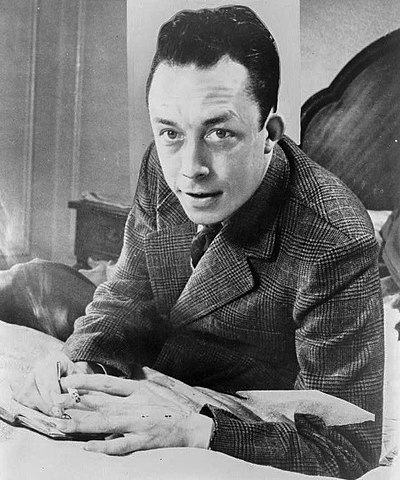
Albert Camus, then a young and aspiring journalist, faced a critical juncture in his career. The layoff symbolized more than financial instability; it signified the suppression of intellectual freedom, a theme he would explore extensively in his later works. The broader intellectual community in Paris was under siege, with many forced to choose between collaboration, censorship, and exile.
Camus decided to flee Paris, seeking refuge and a new path outside the city’s confines. The departure represented a search for creative freedom and a stand against the oppressive regime. The displacement marked a notable transition in his life and work, influencing his subsequent literary and philosophical pursuits.
#AlbertCamus #GermanOccupation #ParisSoir #IntellectualFreedom #MoofLife
Primary Reference
Walking Camus's Paris - The Paris Review
Explore the Life Moments of
 AI Twin