Camus Resigns from UNESCO Over Franco Decision: Ethical Stand Against Totalitarian Regime
France
Political
Ethics
5 min read
Updated By: History Editorial Network (HEN)
Published:
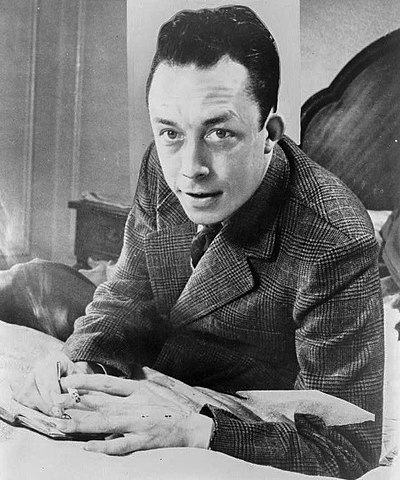
Albert Camus, the renowned French-Algerian philosopher and writer, resigned from his position at UNESCO in opposition to a controversial decision by the UN. UNESCO, as a specialized agency of the United Nations tasked with promoting peace and collaboration through education, science, and culture, had endeavored to reconcile diverse global perspectives. However, the organization faced a significant ethical challenge when the United Nations decided to admit Spain under the leadership of General Francisco Franco as a member.
Franco's regime had risen to power following the Spanish Civil War, establishing a dictatorship characterized by oppression and lack of political freedoms. This autocratic rule led to widespread human rights abuses and suppression of dissent. Many intellectuals and political activists, including Camus, viewed the Francoist government as antithetical to the principles of democracy and justice.
Camus' resignation was a calculated act of protest, reflecting his consistent advocacy for human rights and his opposition to totalitarian regimes. His decision brought substantial attention to the ethical implications of welcoming Franco-led Spain into the global community. This act was both a personal and professional risk, as his involvement with UNESCO was prominent in his career.
The impact of Camus' resignation resonated across the international community, highlighting the ethical responsibilities of global organizations. It spurred debates on the criteria for membership within the UN and the importance of aligning actions with foundational values. His resignation is often cited as a distinctive example of individual dissent against political decisions perceived as morally compromising.
Camus' departure from UNESCO was emblematic of his broader philosophical beliefs, particularly his commitment to integrity and justice. It underscored the tension between political pragmatism and ethical principles, a recurring theme in his works. This moment remains a pertinent illustration of how individual actions can challenge and influence institutional policies.
#AlbertCamus #UNESCO #PoliticalProtest #HumanRights #InternationalRelations #EthicsInPolitics #FrancoSpain #PhilosophicalActivism #MoofLife
Primary Reference
Albert Camus - Wikipedia
Explore the Life Moments of
 AI Twin