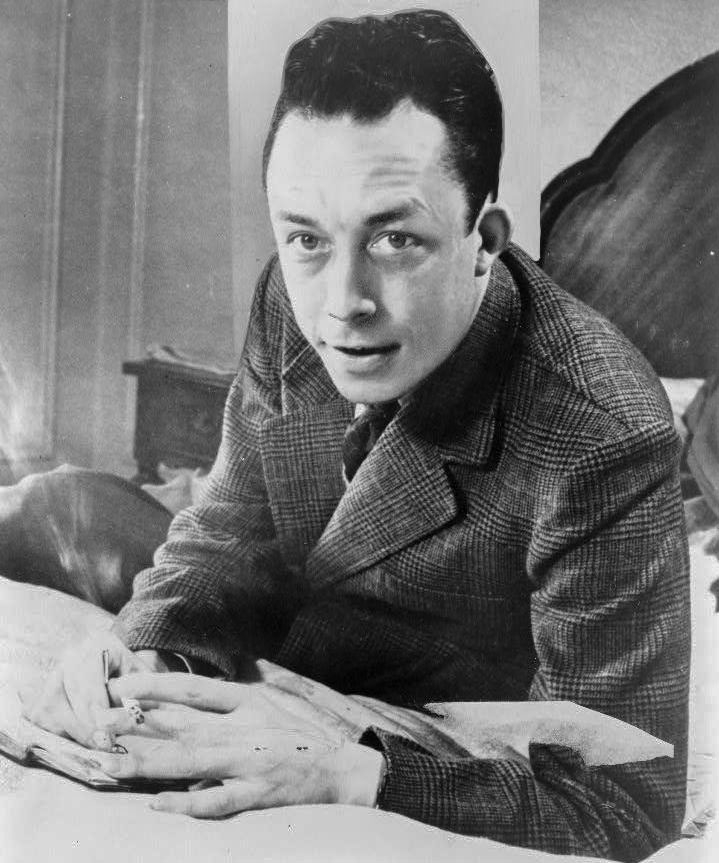
"Premiere of Albert Camus's 'Caligula' at Théâtre Hébertot Reflects Existentialism in Post-War Theater"
France
Entertainment
Philosophy
3 min read
Updated By: History Editorial Network (HEN)
Published:
In the mid-twentieth century, the Théâtre Hébertot in Paris premiered Albert Camus's play "Caligula." This work, centered on the mad Roman Emperor Caligula, delved into existential themes such as the absurdity of life, power, and the human condition. The production marked a key moment in post-war French theatre, reflecting the philosophical underpinnings of existentialism, a movement significant in that period.
Camus had conceptualized "Caligula" during the interwar period, but its public staging held particular resonance after the turmoil of World War II. The play challenged audiences to confront the darker aspects of human nature and the arbitrary nature of power, paralleling contemporary reflections on authoritarian regimes.
The premiere of "Caligula" was attended by a notable audience, including intellectuals and critics. Its reception was mixed: while praised for its intellectual depth and audacity, some found its stark themes unsettling. Yet, the play's staging catalyzed conversations around existentialist philosophy and its intersection with literature and theatre.
Statistics show that Camus's works saw a marked increase in readership post-premiere, indicating growing public interest in existential themes. "Caligula" itself went on to be performed in various countries, underlining its international impact.
#MoofLife #AlbertCamus #Theatre #Existentialism #Philosophy #PostWarTheatre #Caligula
Primary Reference
Le Malentendu; Caligula | ALBERT CAMUS | First edition
Explore the Life Moments of
 AI Twin