
Barbados

The Gem of the Caribbean
About
#Barbados
#Barbados_Timeline
#Barbados_History
#Barbados_History_Timeline
Life Classification
Country
Life ID
EL3255260964461
Verified Name
barbados
Life Type
Entity Life
Life Editor(s)
History Editorial Network (HEN)
Life Privacy
Public
Subscription
Elite
Created On
2024-12-16
Updated On
2026-02-15
Connect








2026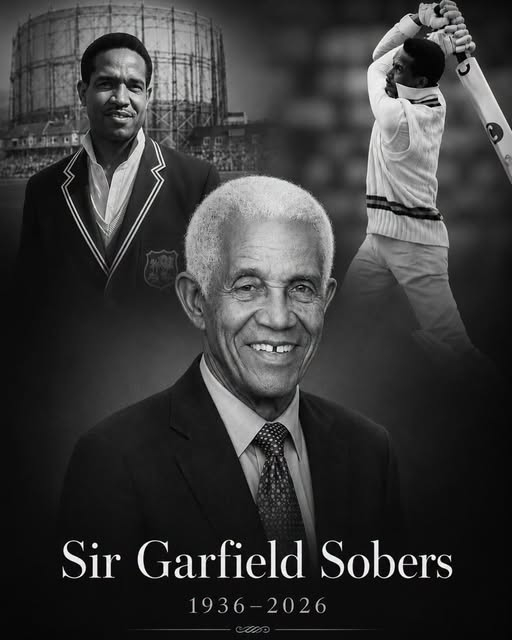
Barbados mourned the death of legendary West Indies cricketer Sir Garfield Sobers, who died on 17/07/2026 at the age of 89. Born in Bridgetown on 28/07/1936, Sobers was recognised as one of cricket's greatest all-rounders and was named a National Hero of Barbados in 1998. During his international career from 1954 to 1974, he played 93 Test matches for the West Indies, scoring 8,032 runs, including 26 centuries, and taking 235 wickets. His unbeaten 365 against Pakistan in Kingston in 1958 stood as the highest individual Test score until 1994.
Prime Minister Mia Mottley announced national mourning following his death, recognising Sobers' contribution to Barbadian and Caribbean sporting history. A state funeral was held on 29/07/2026 at Kensington Oval in Bridgetown, a venue closely associated with his cricketing career. Sobers had captained the West Indies in 39 Test matches and was knighted in 1975 for his services to cricket. His funeral brought public recognition to a sporting career spanning two decades and his longstanding status as a Barbadian national hero.
View detailsIn the general election held on 11/02/2026, Prime Minister Mia Mottley led the Barbados Labour Party (BLP) to a third consecutive clean sweep, winning all 30 seats in the House of Assembly. The result marked the third time under Mottley’s leadership that the BLP secured a 30–0 outcome, following identical victories in 2018 and 2022.
Official results confirmed that the BLP obtained 69.83% of the popular vote nationwide. Despite the decisive margin in parliamentary seats, voter turnout was reported at approximately 30%, the lowest recorded in a Barbadian general election. The vote was conducted across all constituencies under the supervision of the Electoral and Boundaries Commission, with polling stations open throughout the island on election day.
The main opposition Democratic Labour Party (DLP), led by Ralph Thorne, failed to secure representation in the legislature. Thorne himself was defeated in the St. John constituency by BLP candidate Charles Griffith. The outcome left the House of Assembly without elected opposition members, continuing the pattern established in the previous two elections.
With the 2026 result, Mottley became only the second Caribbean political leader to achieve three separate national parliamentary clean sweeps, following former Grenadian Prime Minister Keith Mitchell. The repeated 30–0 outcomes consolidated the BLP’s dominance in Barbados’ parliamentary system during Mottley’s tenure.
Following the confirmation of results, Mottley addressed supporters and later declared Friday, 13/02/2026, a national bank holiday to commemorate the victory. Celebrations took place in Bridgetown and other parts of the island as party supporters gathered following the announcement.
After the election, Mottley was officially sworn in as Prime Minister by Jeffrey Bostic. During the ceremony, she confirmed that her Cabinet would be sworn in the following Monday, outlining plans to continue governance under the renewed mandate. In statements following her swearing-in, Mottley referenced economic management, climate resilience initiatives, and regional cooperation as ongoing priorities.
International responses followed shortly after the results were declared. The United States Secretary of State extended congratulations, as did several regional Caribbean leaders, acknowledging the electoral outcome and reaffirming diplomatic relations with Barbados.
The 11/02/2026 general election continued a political trend that began in 2018, when the BLP first achieved a complete parliamentary sweep under Mottley’s leadership. The repetition of this result in 2022 and again in 2026 underscores the party’s sustained electoral strength, despite historically low voter turnout in the most recent contest.
Election Summary:
• Winning Party: Barbados Labour Party (BLP)
• Seats Won: 30 / 30
• Popular Vote: 69.83%
• Opposition Leader: Ralph Thorne (DLP) – 0 seats
View details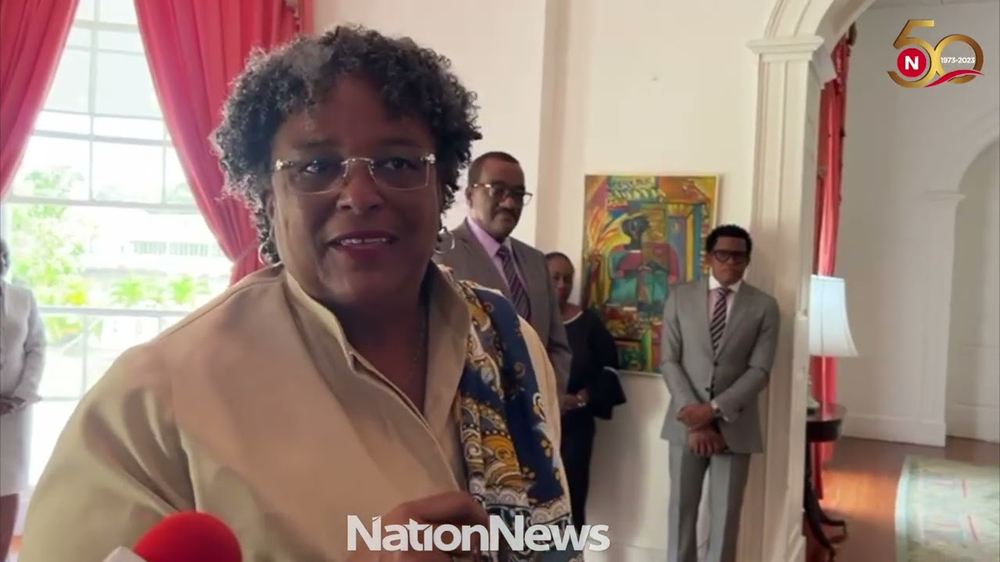
2025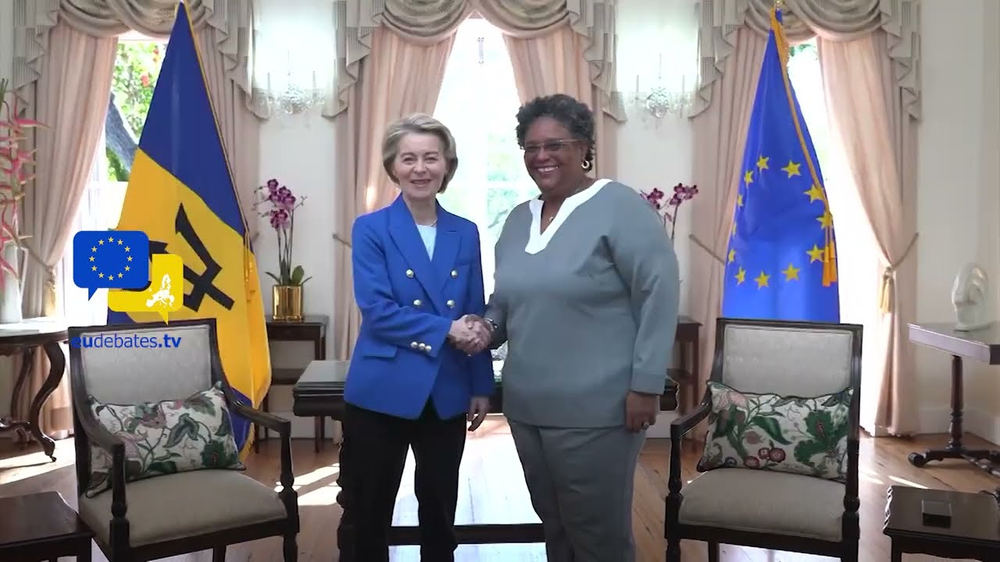
In a bold leap toward Caribbean energy sovereignty, the Renewstable Barbados project officially launched on February 19, 2025, in a ceremony attended by European Commission President Ursula von der Leyen and Barbadian Prime Minister Mia Mottley, marking a cornerstone of EU-Caribbean green collaboration. This €200 million joint venture, spearheaded by the European Union, the Government of Barbados, and French innovator HDF Energy in partnership with Rubis, pioneers a 50 MW solar photovoltaic plant integrated with on-site green hydrogen electrolysis, storage, and fuel cell technology, plus lithium-ion batteries, to deliver baseload power by mid-2028. Targeting Barbados's 100% renewable energy goal by 2030 and carbon neutrality, the facility addresses solar intermittency, slashing reliance on costly imported fossil fuels that drain 10% of the island's GDP annually.
Backed by €41 million from the Green Climate Fund and European Investment Bank financing, the project exemplifies EU's €1 billion commitment to 13 Caribbean nations via the Global Energy Transition Forum, tripling renewables and doubling efficiency by 2030. Proponents, including Hydrogen Europe, hail it as a scalable model for small island states, fostering 200 local jobs, tech transfers, and export potential for green hydrogen, while enhancing grid resilience against hurricanes. Critics, however, flag high upfront costs and water demands for electrolysis in a drought-prone region, urging diversified funding to avert debt traps. As construction ramps up, Renewstable not only powers Barbados's future but ignites a regional renaissance in clean, stable energy, blending European ingenuity with tropical ambition for climate-vulnerable paradises.
View details2024
Barbados emerged as the focal point of the cricket world when it hosted the finals of the ICC World Twenty20 event, a major tournament in the sport’s calendar. The choice of Barbados for this high-profile event was no surprise given its rich cricketing history and reputation for hosting major international matches. The Kensington Oval, the island's premier cricket ground, was the venue for the finals, known for its enthusiastic crowd and vibrant atmosphere.
The tournament showcased intense competition among leading cricketing nations, drawing significant global viewership and media coverage. The final match saw two top teams compete in a closely contested game, reflecting the high standard of talent present in the T20 format. Both teams displayed exceptional skill in batting, bowling, and fielding, contributing to a thrilling spectacle.
This event had a substantial impact on local tourism and economy, with an influx of international visitors providing a boost to hotels, restaurants, and other businesses. The local culture and hospitality were on full display, enhancing Barbados’s image as a welcoming and vibrant destination.
From a statistical perspective, the finals broke several records, including highest individual scores, and most wickets by a player, contributing to discussions among cricket analysts and enthusiasts. The logistical success of the event demonstrated Barbados’s capability to host large-scale international sports events.
#ICCWorldT20Finals #KensingtonOval #BarbadosCricket #MoofLife
View details2022
The High Court of Barbados declared the country's laws against buggery and 'gross indecency' to be unconstitutional, effectively decriminalizing same-sex sexual activity. This landmark ruling overturned sections of legislation that had criminalized such activities, which dated back to the colonial era. The laws had stated that consensual same-sex relationships between adults could result in life imprisonment.
The case was brought forward by two LGBTQ+ rights organizations: the Eastern Caribbean Alliance for Diversity and Equality (ECADE) and the Trans Advocacy and Agitation Barbados. They argued that the laws infringed upon constitutional rights to privacy, liberty, and the protection of the law without discrimination on any grounds.
Statistics from various human rights organizations highlighted systemic discrimination faced by the LGBTQ+ community in Barbados. Prior to this ruling, members of the community reported harassment, marginalization, and limited access to healthcare and social services due to the criminalization of their sexual orientation.
The court's decision was seen as a significant victory for human rights and LGBTQ+ equality in the Caribbean. It aligned Barbados with a growing number of countries around the world that had decriminalized same-sex relationships, contributing to the global movement towards recognizing and respecting LGBTQ+ rights.
Legal experts and activists pointed out that this ruling could catalyze further judicial and legislative reforms within the region. There was also an anticipation of potential economic benefits, as more inclusive societies often attract global tourism and investment.
However, challenges remained. Social attitudes and cultural norms would require ongoing efforts to shift towards greater acceptance and equality. Advocacy groups stressed the importance of continued education and dialogue within communities to foster a more inclusive society.
#Barbados #LGBTQRights #Decriminalization #HumanRights #Equality #MoofLife
View detailsA pivotal step towards national transformation was taken in Barbados with the formation of a review commission tasked with drafting a new constitution. This initiative aimed at completing the draft by the end of 2024 represents a significant move for the island nation since becoming a republic. The review commission comprises legal experts, political analysts, and representatives from various social sectors to ensure a comprehensive and inclusive approach to the new constitutional framework.
The rationale behind this undertaking includes addressing contemporary issues and making governance more reflective of Barbadian society's evolving needs. The existing constitution, rooted in colonial history, no longer fully resonates with the principles and aspirations of a modern, independent Barbados. This initiative intends to bolster democratic processes, individual rights, and institutional reforms.
Numerous consultations with the public and stakeholders aim to gather diverse perspectives. Transparency and public engagement are cornerstones of this process. Statistical evidence supports that nations with inclusive constitutional processes tend to experience greater political stability and trust in governance.
The initiative is not without challenges. Balancing the diverse views within Barbadian society necessitates keen mediation to achieve consensus while maintaining the core values of democracy and justice. The economic impact is also under consideration, ensuring that changes do not impose undue burdens on any section of society.
As the review commission works towards the ambitious deadline, the progress of this endeavor is keenly observed both domestically and internationally, reflecting Barbados' commitment to strengthening its democratic framework.
#BarbadosConstitution #DemocracyInAction #GovernanceReform #PublicConsultation #MoofLife
View detailsSantia Bradshaw was appointed as the Deputy Prime Minister of Barbados after a prolonged vacancy of the position spanning over a decade. This appointment marked a pivotal shift in Barbados' political landscape, as the role had been unoccupied for 12 years. Bradshaw's appointment brought renewed focus to the government structure and highlighted her significant contributions to Barbadian politics.
Prior to her new role, Santia Bradshaw had a distinguished career in public service. She was known for her work in education and as an advocate for social issues. Her tenure in government roles, including serving as the Minister of Education, Technological and Vocational Training, showcased her leadership capabilities and a strong commitment to addressing pivotal issues faced by the nation.
The impact of Bradshaw's appointment extends beyond the political mechanics. It represents a step towards greater inclusion and gender representation in Barbados' political sphere. Her role is particularly significant in the context of evolving democratic practices and the ongoing efforts to solidify governance structures. This event is poised to alter the trajectory of administrative operations and strategic priorities in Barbados, signaling a renewed commitment to effective governance.
Her appointment was widely discussed among political analysts and citizens alike, reflecting both the anticipation and the substantial responsibilities now resting on her shoulders. Bradshaw’s new role is expected to influence key policy decisions, energize governance processes, and possibly inspire increased civic participation among the populace.
Relevant statistics at the time indicate that public confidence in government showed signs of variability. Analysts will observe whether this appointment affects these trends positively. As the first female Deputy Prime Minister of Barbados, Bradshaw's leadership will likely be a focal point for future discussions on political reforms and gender parity in leadership roles.
#BarbadosPolitics #Leadership #Governance #GenderEquality #PublicService #HistoricAppointment #MoofLife
View details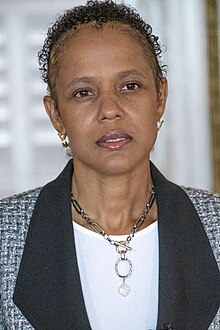
The Barbados Labour Party (BLP), under the leadership of Mia Mottley, achieved a historic victory in the national elections. For the second consecutive time, the BLP secured all 30 seats in Parliament. This remarkable win affirmed Mottley's strong leadership and the confidence of Barbadian citizens in her administration.
Mottley, who became the first female Prime Minister of Barbados, had led the country through significant socio-economic challenges, including the aftermath of natural disasters and the COVID-19 pandemic. Her government implemented various policies aimed at economic stabilization, healthcare system improvement, and infrastructural development.
The sweeping victory not only solidified BLP's dominant position in the political landscape but also underscored citizens' endorsement of Mottley's governance approach. The voter turnout reflected the population’s engagement and willingness to continue on the path charted by the incumbent government.
Mottley’s administration is now expected to leverage their decisive mandate to further their policy agenda. The task ahead involves tackling economic recovery, advancing social justice, and sustaining environmental resilience against climate change impacts.
The BLP's clean sweep in the election also casts a spotlight on the state of opposition parties, which face the challenge of regrouping and re-strategizing to remain relevant in Barbadian politics.
#BarbadosPolitics #MiaMottley #BLPWin #DemocracyInAction #ElectionResults #MoofLife
View details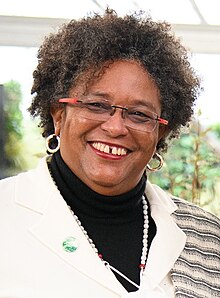
2021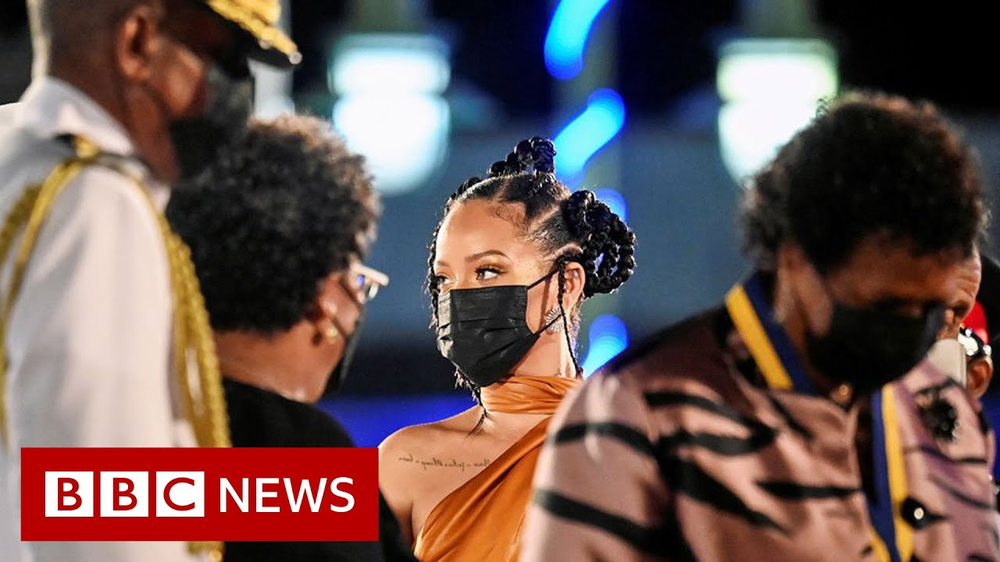
Barbados transitioned from a Commonwealth realm to a republic, thereby abolishing the Monarchy. This restructuring in governance resulted in replacing the Governor-General with the President. Sandra Mason was sworn in as the country’s first President. The transition marked the final step in Barbados' journey towards complete political sovereignty.
This significant shift in governance followed years of public discourse and political effort, reflecting a persistent desire among the island's leadership and citizens to establish a fully autonomous national identity. As a result, the island ceased to recognize the British Monarch as its head of state, solidifying its break from colonial-era structures.
This change was widely regarded as a move to ensure that Barbados' leadership represents all citizens' interests more effectively, prioritizing national values and perspectives. The restructuring also demonstrated a commitment to redefining the country's international relationships and affirming its status as an independent republic.
The inauguration ceremony involved various national traditions, celebrating Barbadian culture and history. Statements from global and regional leaders praised Barbados for taking this step towards further self-determination. This transformation underlines a broader wave of republicanism seen across several former British colonies.
With Sandra Mason assuming the role of President, Barbados now seeks to advance its political, social, and economic agendas without constitutional ties to the British Monarchy. This transition aims to foster a specific national identity and pride, strengthening the country's capacity to navigate future challenges independently.
#BarbadosRepublic #EndOfMonarchy #PoliticalSovereignty #RepublicTransition #BarbadosHistory #MoofLife
View detailsSandra Mason was elected by both houses of parliament as the first President of Barbados, marking a significant political transition for the nation. The election took place in the context of Barbados transitioning from a constitutional monarchy to a republic, ending its formal association with the British Crown. Mason, who previously served as the Governor-General of Barbados, was chosen unanimously by the members of both the Senate and the House of Assembly.
This decision followed longstanding discussions and efforts to assert Barbados's national identity and sovereignty. The move reflected a broader regional trend towards republicanism in the Caribbean. Mason's election underscored the island's maturing democratic processes and commitment to self-determination.
The impact extended beyond the political realm, fostering national pride and a stronger sense of identity among Barbadians. The transition was celebrated widely, with ceremonies highlighting Barbados's history and cultural heritage. The change to a republic was also seen as an opportunity to address local issues more directly without colonial oversight.
Statistics related to the election include the participation of all 29 members of the House and all 21 senators in the vote, where Mason received a unanimous show of support. Her election symbolized unity and a collective vision for the future of Barbados.
#Barbados #Republic #SandraMason #NationalIdentity #MoofLife
View details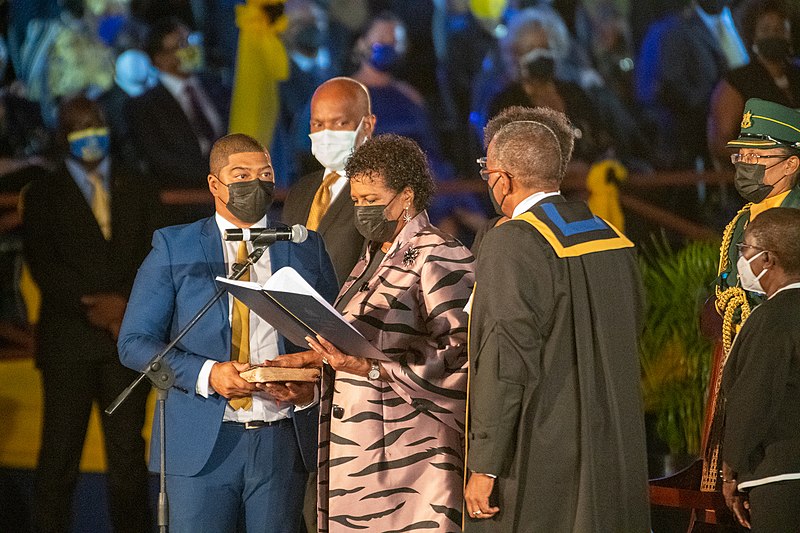
La Soufrière volcano, located on the Caribbean island of St. Vincent, began erupting, resulting in an extensive ash fall that reached as far as Barbados. The eruption had been anticipated due to seismic activity observed in the preceding months. The volcanic ash, carried by prevailing winds, blanketed large areas of Barbados, creating a thick layer that impacted daily life and required immediate response.
In the wake of the eruption, the government of Barbados launched a comprehensive cleanup campaign to manage the fallout. The cleanup involved various agencies and community members who worked together to remove the ash from public spaces, roads, homes, and businesses. The ash fall posed health risks, including respiratory issues, prompting officials to distribute masks and advise residents on safety measures.
The environmental impact was significant, affecting air quality and water sources. Agricultural lands suffered, with crops and livestock exposed to the ash, leading to concerns about food security and economic repercussions for farmers. The transportation sector was also disrupted, with visibility on roads reduced and flights grounded at the Grantley Adams International Airport.
Efforts were made to assess the full extent of the damage and to allocate resources for recovery. International aid and expertise were sought to support the local agencies. The event highlighted the vulnerabilities of island nations to natural disasters and the importance of preparedness and resilient infrastructure.
#LaSoufrière #VolcanoEruption #BarbadosCleanup #AshFall #PublicHealth #EnvironmentalImpact #CommunityEffort #BarbadosPreparedness #IslandResilience #MoofLife
View details
2020
Governor General Sandra Mason made an official announcement regarding Barbados's decision to transition from a constitutional monarchy to a republic. This announcement marked a pivotal shift in the nation's governance structure. Barbados, an island nation in the Caribbean, had been under British colonial rule since the 17th century and gained independence in 1966. However, the British monarch remained the nation's head of state.
The decision to remove the monarchy is aimed at establishing Barbadian sovereignty and reflecting national identity. It underscores growing sentiments of national pride and a desire for self-governance. This move follows discussions and recommendations from various commissions and political parties over the years advocating for a shift to a republic.
The impact of this decision is significant both domestically and internationally. For Barbados, it represents a step towards full autonomy, allowing them to redefine constitutional and political frameworks to better suit their needs. This change is expected to be symbolic of the nation's maturity and progress since its independence.
Internationally, Barbados's move is seen as part of a broader trend among former British colonies in the Caribbean seeking to re-evaluate their relationship with the British Crown. It sparks discussions on decolonization and self-determination in the region. The transition involves amending the constitution and establishing new roles for existing institutions.
Prime Minister Mia Mottley's administration has been supportive of this transition, emphasizing its importance in fostering national unity and pride. Surveys indicate that a significant portion of the population supports this shift, viewing it as an essential step towards modernizing the nation's political structure.
In conclusion, the announcement by Governor General Sandra Mason reflects Barbados's intent to assert its sovereignty and transition to a republic, reflecting deep-rooted national sentiments and aspirations for greater self-determination.
#BarbadosRepublic #Sovereignty #MoofLife
View detailsIn an official announcement by the government, Barbados confirmed its first two cases of COVID-19. These cases marked the beginning of the island nation's battle against the global pandemic. Barbados, known for its tourism-driven economy, suddenly faced new challenges as it updated its public health strategies and policies to tackle the virus.
The Ministry of Health and Wellness disclosed that the two individuals had recently traveled, which suggested imported cases. This underscored the necessity of increased vigilance at ports of entry and the implementation of stringent screening measures. In response, authorities ramped up testing capabilities and launched public education campaigns to promote social distancing, hand hygiene, and the wearing of masks.
This moment of the pandemic brought an abrupt shift in daily life and required immediate government action and public adherence. Barbados saw an impact on its healthcare system, with preparations to increase hospital capacity and quarantine facilities. The government also introduced economic stimulus packages and social support initiatives to mitigate the economic downturn resulting from reduced tourism and other economic activities. Emergency legislation was enacted to close schools, limit gatherings, and impose curfews as additional steps to prevent the spread of the virus.
The announcement of the first two COVID-19 cases marked the starting point of an evolving situation, where public health measures were continuously adapted in response to local and international developments. As the pandemic progressed, Barbados coordinated its efforts with international health organizations and sought assistance to ensure the availability of medical supplies and staff preparedness.
#PublicHealth #BarbadosPandemicResponse #COVID19 #EconomicImpact #MoofLife
View details2018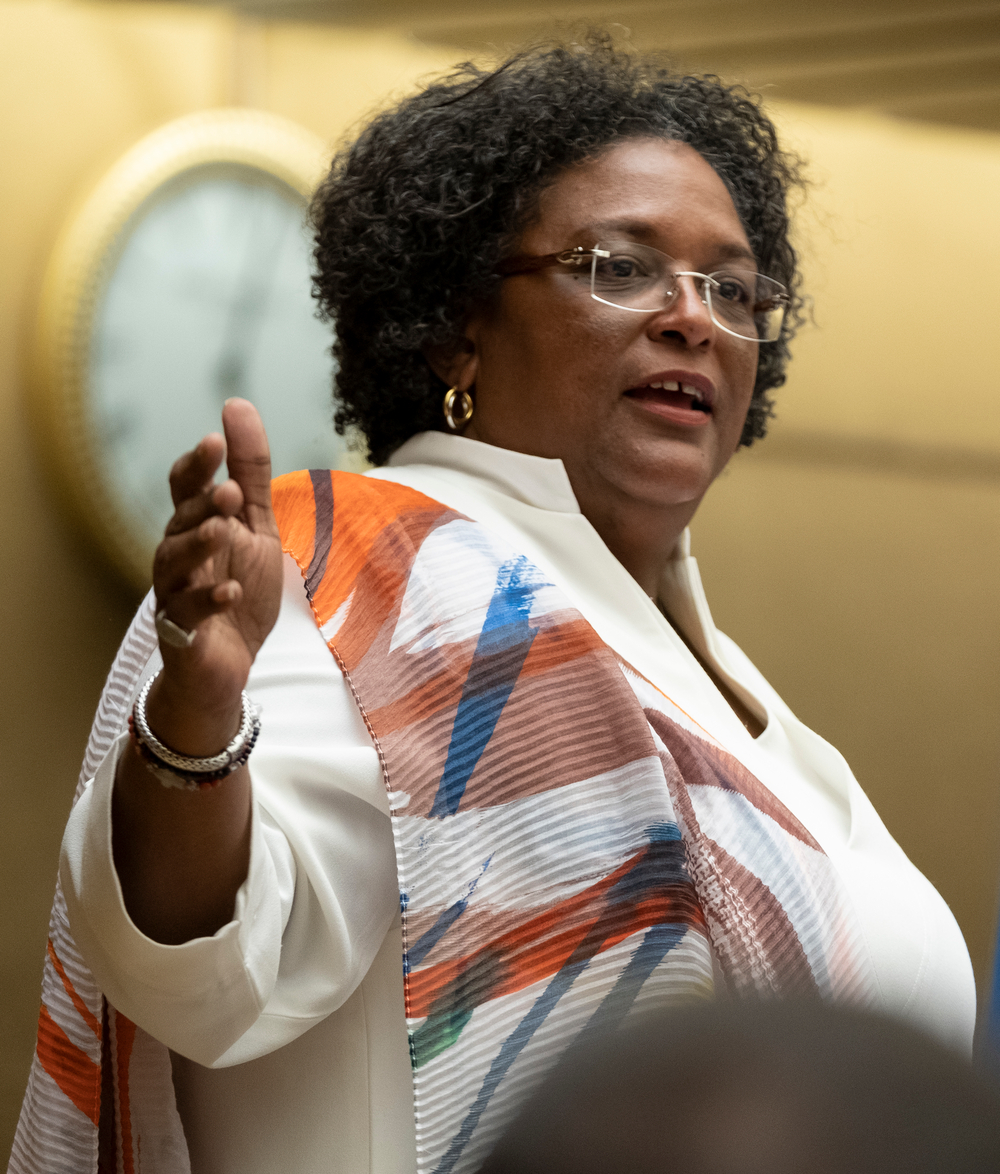
The Barbados Labour Party (BLP), under the leadership of Mia Mottley, secured a crucial electoral victory. This win resulted in Mottley becoming the first female Prime Minister of Barbados. The BLP's success in the election marked a significant shift in the political landscape of the country.
Prior to the election, Barbados was grappling with economic challenges, including high public debt and low growth rates. The Democratic Labour Party had been in power for a decade, and many citizens were looking for a change in leadership to address these pressing issues.
The BLP's electoral campaign focused on promises of economic recovery, job creation, and improved social services. The party's message resonated with voters, who turned out in large numbers to cast their ballots. The BLP won all 30 seats in the House of Assembly, a rare and decisive victory that underscored the public's desire for a new direction.
Mia Mottley's ascension to the position of Prime Minister was historic, as she became the first woman to hold the office in the nation's history. Her leadership was seen as a progressive step for gender equality in the Caribbean and provided inspiration to women and girls across the region.
The BLP's victory and Mottley's leadership were expected to bring about significant policy changes aimed at revitalizing the economy and improving the quality of life for citizens. The new administration faced the daunting task of implementing reforms and addressing the economic challenges that had been a focal point of their campaign.
#BLP #MiaMottley #FirstFemalePM #BarbadosPolitics #Economy #GenderEquality #ElectionResults #MoofLife
View details2017
The European Union published a blacklist consisting of 17 non-EU jurisdictions accused of facilitating tax avoidance schemes. This list included Barbados and marked an effort to combat global tax evasion and promote fairer tax practices. The EU identified these countries based on several criteria, including transparency, the adoption of anti-tax avoidance measures, and their participation in international tax affairs.
The publication of the blacklist was part of a larger campaign to address concerns over tax havens that allow multinational companies and wealthy individuals to reduce their tax liabilities illegitimately. The move was driven by various reports and investigations, such as the Panama Papers, which highlighted extensive use of offshore tax schemes.
For Barbados, inclusion in the blacklist had significant financial implications, affecting its reputation and potentially discouraging investment. The country had been promoting itself as an attractive destination for international business through favorable tax regulations. However, being labelled by the EU as a jurisdiction that enables tax avoidance put pressure on Barbados to reform its tax system and align with international standards.
The blacklist served as a wake-up call to governments globally to enhance tax transparency and eliminate harmful tax practices. Many jurisdictions on the list faced economic consequences, such as potential sanctions, reputational damage, and increased scrutiny from international financial bodies. In response, several countries, including Barbados, pledged to amend their tax laws and cooperate with the EU to avoid remaining on the blacklist.
Overall, the EU's publication of the blacklist underscored the increasing global focus on tax fairness and accountability, prompting affected jurisdictions to reconsider their policies. The initiative was intended to ensure a level playing field in the international market and foster a more transparent global tax environment.
#TaxAvoidance #EUBlacklist #Barbados #InternationalRelations #GlobalTaxReform #EconomicImpact #MoofLife
View details2011
Bridgetown, the capital city of Barbados, alongside its historical Garrison, gained recognition as a UNESCO World Heritage Site. This designation underscored the area's rich historical and cultural significance. Bridgetown's development began in the 17th century when it became an important port in the Caribbean, facilitating trade, especially of sugar, which was the backbone of Barbados’ economy.
The Garrison, positioned strategically to protect the island, functioned as the British Empire’s military headquarters in the Caribbean during the 18th and 19th centuries. Spanning over 150-acres, the Garrison includes notable structures such as the George Washington House, where the first U.S. president briefly resided in the 1750s, the main guard house, and several barracks.
This recognition highlighted the architectural and urban heritage that reflects the transmission of European culture to the Caribbean and its adaptation to local conditions. Bridgetown’s well-preserved historic buildings, combined with the ancient military installations, offered insight into the colonial era’s communal infrastructure.
The potential impact of this UNESCO status includes bolstered tourism, preservation of the historic site, and an enhanced global awareness of Barbados’ cultural landscape. Statistics indicated a steady influx of tourists, accounting for a significant portion of GDP, spurred by the site's international recognition. The designation also meant increased governmental and international support for maintaining and safeguarding these structures against modern developmental pressures and environmental threats.
Tags: #BridgetownHistory #BarbadosGarrison #UNESCOHeritage #CulturalPreservation #HistoricTourism #MoofLife
View details2010
David Thompson, who was serving as the Prime Minister of Barbados, passed away while in office after a battle with pancreatic cancer. His death led to Freundel Stuart, previously serving as Deputy Prime Minister and Attorney General, being appointed as his successor. As the 7th Prime Minister of Barbados, Stuart had to navigate a period of political transition and economic challenge.
Thompson's tenure had been marked by efforts to stabilize the economy and address social inequalities. His passing left a void in the Democratic Labour Party (DLP) leadership. Stuart, known for his legal expertise and political experience, was seen as a steadying hand capable of continuing Thompson's policies and vision.
The transition in leadership came at a time when Barbados was grappling with the global economic downturn. The country's GDP growth rate had been fluctuating, and unemployment levels were a concern. Stuart’s administration had to focus on economic recovery plans and maintaining social welfare programs amidst these economic pressures.
Beyond the immediate political impact, the event highlighted the resilience of the Barbadian political system and the ability of its leaders to manage unexpected changes in leadership. Stuart's ascension to the role of Prime Minister was a testament to the continuity and stability within the DLP.
#Barbados #FreundelStuart #PoliticalLeadership #EconomicRecovery #DavidThompson #MoofLife
View detailsThe incident occurred at the Tudor Street store, Campus Trendz, in Bridgetown, Barbados. During a robbery, a fire was started, which engulfed the store, leading to a tragic loss of life. Six young women, who were employees, lost their lives due to the rapid spread of the fire and the inability to escape. This event shocked the entire nation and highlighted concerns regarding criminal activity and public safety measures.
The tragedy led to an outpouring of grief across Barbados, resulting in a national day of mourning on 10 September. This act of observance was a reflection of the collective sorrow and solidarity with the families of the victims. It brought the community together in a profound expression of empathy and support for those affected.
The event also sparked discussions on workplace safety regulations, emergency preparedness, and the need for improved fire safety protocols in commercial establishments. Authorities faced scrutiny from the public, leading to calls for stricter enforcement of laws and better preventive measures to avoid such tragedies in the future.
Statistically, this incident became one of the deadliest of its kind in the country's recent history, intensifying the urgency for reforms. The response from both the government and private citizens was significant, as efforts were made to honor the victims and ensure that such an event would not recur.
#MoofLife #Barbados #CampusTrendz #NationalMourning #PublicSafety
View details
In the heart of the Caribbean, Barbados hosted the finals of the ICC World Twenty20 event from the last day of April until mid-May. The matches took place at Kensington Oval, a renowned cricket ground known for its rich history and vibrant atmosphere. This was a significant event in the world of cricket, with numerous teams from various countries competing for the coveted title.
Barbados, an island nation with a deep affinity for cricket, welcomed both players and fans with open arms. The local economy saw a surge in activity due to the influx of tourists. Hotels, restaurants, and shops were bustling, providing a boost to the hospitality sector. The region's infrastructure, including transportation and telecommunications, was tested and generally rose to the occasion, ensuring smooth operations throughout the event.
Specifically, the West Indies' participation was a focal point, with local supporters rallying passionately behind their team. The matches were characterized by high scores, showcasing the aggressive and fast-paced nature of Twenty20 cricket. Teams employed innovative strategies and demonstrated excellent fielding, highlighting the evolution and growing competitiveness of the sport.
The finals culminated in an exciting match, with England emerging victorious over Australia. England's Kevin Pietersen was adjudged the Player of the Tournament for his consistent and impactful performances. The event concluded with a closing ceremony that celebrated the spirit of cricket and Barbados' role as a gracious host.
This ICC World Twenty20 event was not just a display of extraordinary cricketing talent but also a testament to Barbados’ ability to host large-scale international events. The island’s successful management of the event cemented its reputation as a premier cricketing destination.
#Cricket #Barbados #EventHosting #Twenty20 #SportingEvent #MoofLife
View detailsThe UK's Prince Harry and Prince Seeiso of Lesotho hosted the Sentebale Charity Polo Event in Barbados to raise awareness and funds for children and young people affected by HIV/AIDS in Lesotho. Sentebale, co-founded by the two princes, focuses on providing vital support, including healthcare, education, and psycho-social assistance to some of Lesotho's most vulnerable children.
This event marked an important collaborative effort to address the challenges faced by HIV/AIDS-affected youth in the African nation. Participants and donors gathered to contribute to the cause while enjoying the sport of polo. The choice of Barbados as the venue highlighted the global nature of the initiative and drew international attention to the plight of the children supported by Sentebale.
The charity polo event played a significant role in fundraising, securing essential resources needed for continuing Sentebale's mission. The proceeds from the event were used to expand the programs and services offered by the organization, directly impacting the lives of many children in Lesotho. These programs not only focused on immediate medical needs but also aimed at long-term empowerment through education and skill development.
The collaboration between Prince Harry and Prince Seeiso exemplified cross-border partnerships and highlighted the critical role of international support in tackling global health issues. This event garnered media attention and heightened awareness about the ongoing struggle against HIV/AIDS in the region.
The polo event underscored the importance of sport as a medium for philanthropy and community engagement. It also reaffirmed the commitment of high-profile individuals to humanitarian causes. Through such initiatives, Sentebale has continued to make strides in reducing the stigma associated with HIV/AIDS and in providing hope and opportunities for affected children.
#SentebaleCharityPolo #HIVAIDSAwareness #PrinceHarry #PrinceSeeiso #ChildrenInNeed #BarbadosEvent #PhilanthropyInSports #MoofLife
View details2008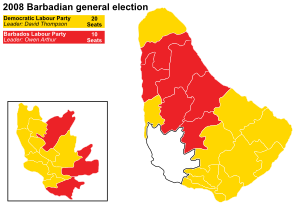
In January, the Democratic Labour Party (DLP) secured a major victory in Barbados' general elections. The party, led by David Thompson, defeated the incumbent Barbados Labour Party (BLP) which had been in power for over a decade. This electoral win marked a significant shift in the political landscape of the country.
David Thompson, a seasoned politician, had served in various governmental roles before ascending to the leadership of the DLP. The victory was largely attributed to public dissatisfaction with the ruling party's handling of the economy and social services. Voters were concerned about rising living costs, unemployment rates, and the perceived lack of transparency and accountability in the government.
The election results saw the DLP winning 20 seats out of 30 in the House of Assembly, a clear indication of the public's desire for change. This landslide victory enabled the DLP to implement their manifesto promises, focusing on economic growth, social development, and strengthening democratic institutions.
The aftermath of the election led to various policy changes and reforms aimed at addressing the issues raised during the campaign. The DLP's leadership stressed the importance of economic stability, job creation, and improved public services.
Hashtags:
#DemocraticVictory #PoliticalShift #BarbadosElections #DavidThompson #NewEra #GovernmentReform #EconomicGrowth #PublicServices #MoofLife
View details2007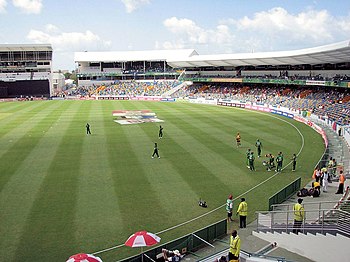
Barbados hosted several matches of the Cricket World Cup, including the final, from 4 March to 28 April. This prestigious tournament attracted cricket fans from around the world, showcasing Barbados as an essential location for international cricket. The matches held at Kensington Oval in Bridgetown were crucial. The stadium, with a seating capacity of around 28,000, underwent significant renovations to meet the standards required for hosting such a global event.
The organization of the event by the International Cricket Council (ICC) aimed to create a competitive and engaging atmosphere, highlighting the cricketing talents of the participating nations. Several key matches took place in Barbados, drawing large audiences and media coverage. The tournament saw impressive performances, with teams battling for the ultimate prize in One Day International (ODI) cricket.
Impact on Barbados was substantial, both economically and culturally. The influx of tourists boosted local businesses, hotels, and restaurants. Local infrastructure improvements for the event, including upgrades to transportation and public facilities, had lasting benefits beyond the tournament. The visibility from hosting the World Cup enhanced Barbados's reputation as a premier destination for sports tourism.
Statistically, the World Cup featured numerous thrilling matches. The final match, held at Kensington Oval, was particularly noteworthy. The venue was packed with cricket enthusiasts witnessing history being made. The event's successful execution underscored Barbados's capability to host major international sporting events, reinforcing its position on the global sports map.
The tournament underscored the critical role of cooperation between the ICC, local organizers, and government authorities in delivering a seamless event. This cooperation ensured the safety, security, and enjoyment of all participants and spectators.
#CricketWorldCup #Barbados #KensingtonOval #SportsTourism #MoofLife
View details2006
The Caribbean Court of Justice (CCJ) rendered its first judgment, marking a pivotal development in Barbados' judicial history by formally ending its reliance on the UK Privy Council. The CCJ was established to serve as a regional judicial body, aiming to foster legal autonomy among Caricom member states. Prior to this, the highest appellate court for Barbados and many Caribbean nations was the UK Privy Council, a holdover from the colonial era.
The inauguration of the CCJ was driven by a desire for a judicial mechanism that better reflected the Caribbean's unique legal, social, and economic realities. Barbados, alongside other members of Caricom, was instrumental in its formation. The court's dual role includes original jurisdiction over the interpretation and application of the Treaty of Chaguaramas, responsible for caricom’s single market and economy, as well as appellate jurisdiction from member states' national courts.
The transition to the CCJ signified an assertion of judicial self-reliance and independence. It was viewed as a strategic step in decolonization, enabling Barbados to exercise greater control over its legal matters. This move was anticipated to enhance access to justice, given the geographical and financial barriers associated with the Privy Council. The setting of the CCJ headquarters in Trinidad and Tobago demonstrated a commitment to address regional issues more directly and effectively.
The CCJ's establishment and its first ruling underscored a critical shift towards regional integration and empowerment, aligning legal systems more closely with the needs and contexts of Caribbean societies. The court's decisions were expected to contribute significantly to the growth of a consistent and coherent body of Caribbean jurisprudence, promoting stability and predictability in the region's legal landscape.
#CaribbeanIntegration #BarbadosJudiciary #DecolonizationEfforts #CCJ #RegionalJustice #MoofLife
View detailsThe implementation of the Caribbean Single Market and Economy (CSME) marked a transformative development in the region's economic landscape. The CSME was agreed upon by members of the Caribbean Community (CARICOM) to foster economic integration and cooperation among member states, including Barbados. This strategic initiative aimed to create a seamless economic space allowing for the free movement of goods, services, capital, and labor.
The groundwork for CSME was laid through various treaties and agreements, particularly the Revised Treaty of Chaguaramas, which established CARICOM and provided the legal framework for the single market and economy. The goal was to enhance economic efficiency and competitiveness, reduce barriers to trade, and create larger markets for businesses. This move was seen as essential to improve the economic resilience and reduce the vulnerability of small economies like Barbados to external shocks.
With the activation of the CSME, Barbados, along with other member states, committed to several measures. These included harmonizing economic policies, laws, and regulations, establishing a common external tariff, and simplifying complex rules to support intra-regional trade. For instance, professionals in fields such as medicine, engineering, and accounting were granted the ability to practice across member states without the need for additional permits. The free movement of skilled labor aimed to address labor shortages, stimulate job creation, and leverage specialized talent across the region.
The impact of the CSME was multifaceted. It facilitated larger scale production and distribution networks, contributing to the growth of both the private sector and foreign direct investment in the region. Barbados, being a significant player within CARICOM, saw opportunities to diversify its economy, boost tourism, and attract international businesses seeking access to the broader regional market. This integration also intended to improve standards of living by offering more employment opportunities and fostering socio-economic development.
However, challenges such as disparities in development among member states, implementation delays, and regulatory synchronization remained obstacles. Continuous dialogue and cooperation were necessary to address these issues and fully capitalize on the potential benefits of the CSME.
#CSME #CARICOM #Barbados #RegionalIntegration #EconomicGrowth #LaborMobility #Trade #MoofLife
View details2005
HM Glendairy Prison in Barbados experienced a substantial riot and fire, compelling the government to seek military assistance from neighboring islands. At the time, the prison housed nearly 1,000 inmates, significantly exceeding its intended capacity. Tensions had been escalating among the prisoners due to overcrowding, poor living conditions, and internal conflicts.
The outbreak of violence resulted in inmates taking control of several parts of the facility. The ensuing chaos saw extensive property damage, including the destruction of multiple cell blocks. As the riot escalated, fires broke out, destroying large portions of the prison infrastructure and severely hampering containment efforts.
Barbadian authorities, recognizing the severity of the situation, requested aid from regional military forces. Troops from neighboring countries, including Trinidad and Tobago and Jamaica, arrived to assist in regaining control of the prison and securing the safety of its inmates and staff.
The cost of the damage was extensive, running into millions of dollars. The event brought attention to the pressing issues within the prison system, including the need for reform and improved conditions. The Glendairy incident led to a reevaluation of correctional facilities’ operational standards and prompted improvements within the criminal justice system.
#Barbados #PrisonRiot #MilitaryAssistance #OvercrowdingIssues #CriminalJusticeReform #MoofLife
View details2003
The last commercial flight of the British Airways Concorde from Barbados to London marked the end of an era in supersonic passenger travel. The Concorde, developed jointly by British Airways and Air France, had been an icon of aviation since its introduction into commercial service. This particular aircraft, known for its distinctive delta wing design and needle-nose, could reach speeds of Mach 2.04, twice the speed of sound, reducing transatlantic flight times significantly.
The service between Barbados and London was particularly popular among affluent travelers and business executives, offering unmatched speed and luxury. The decline in passenger numbers, high operational costs, and a shift towards more fuel-efficient aircraft contributed to the decision to retire the fleet. Additionally, the devastating Concorde crash in 2000, which killed 113 people, had a lasting impact on the aircraft's reputation and passenger confidence.
On this historic final flight, passengers, including aviation enthusiasts and loyal Concorde customers, boarded the aircraft in Barbados for their last supersonic journey across the Atlantic. The event drew significant media attention, highlighting the Concorde's legacy and its impact on aviation history. The plane was greeted in London with a water cannon salute and a ceremony celebrating its contributions to commercial aviation.
For nearly three decades, the Concorde symbolized progress and the potential for cutting-edge technology in commercial air travel. Its retirement marked the end of supersonic passenger service, leaving a gap that the aviation industry continues to explore filling with new innovations.
#Concorde #BritishAirways #AviationHistory #Supersonic #Barbados #MoofLife
View detailsThe Barbados Labour Party (BLP), led by Owen Arthur, secured a decisive victory in the national elections. Under Arthur's leadership, the BLP, which has been one of the two major political parties in Barbados, managed to garner the trust of the electorate, resulting in the party maintaining its governance stance. This victory ensured Owen Arthur continued as Prime Minister, offering continuity in the administration.
The BLP's win was marked by several key promises and policies that appeared to resonate with the voters. The focus was on economic stability, social programs, and infrastructural development. Owen Arthur, an economist by training, had previously served as the Prime Minister, and his administration had been associated with notable economic growth and diplomatic engagements.
The election was characterized by a strong turnout, reflecting robust citizen engagement in the democratic process. The victory was evidenced by the BLP securing a majority of the parliamentary seats, which underscored substantial support across various constituencies. This period also witnessed a dynamic political landscape with active participation from opposing parties, contributing to a general sense of political vitality in Barbados.
Economic indicators during Arthur’s tenure showed modest growth, and the election results were seen as a mandate for continuing his economic and social policies. The BLP aimed to tackle issues like unemployment and education reforms, and their victory suggested public approval of their governance approach.
This electoral outcome had a significant impact on the political stability and policy direction of Barbados. It reinforced the BLP’s role as a key player in the country’s political arena. Owen Arthur’s experience and policy direction were pivotal in shaping voter confidence which culminated in the electoral win.
#BarbadosElections #OwenArthur #BLPWin #PoliticalStability #EconomicGrowth #PublicPolicy #MoofLife
View details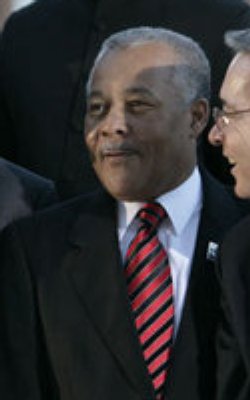
1995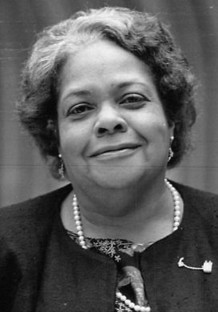
Dame Ruth Nita Barrow, the pioneering Governor-General of Barbados, passed away following complications from a stroke. Dame Nita's tenure as Governor-General marked a significant chapter in Barbados' history, as she was the first woman to hold this esteemed office. Her career was characterized by a steadfast commitment to public service and significant contributions to health, education, and social justice.
Before her appointment as Governor-General, Dame Nita held various impactful roles, including Director of the World Health Organization's Global Programme for Primary Health Care for Women and Children, reflecting her dedication to global health issues. Her leadership extended beyond Barbados as she actively participated in international organizations, advocating for policies that improved health and educational outcomes worldwide.
Her death after a stroke left a palpable void in the nation. Many citizens and leaders remembered her as a trailblazer and a compassionate servant to her country and the world. Her work inspired a generation of women and girls in Barbados and beyond, showcasing that barriers could be broken with dedication and integrity.
In remembering Dame Nita Barrow, her contributions to Barbados and her impact on global health policies remain indelible. She is celebrated for her pioneering spirit and her dedication to service.
#GovernorGeneral #HealthAdvocate #PublicService #Trailblazer #MoofLife
View details1994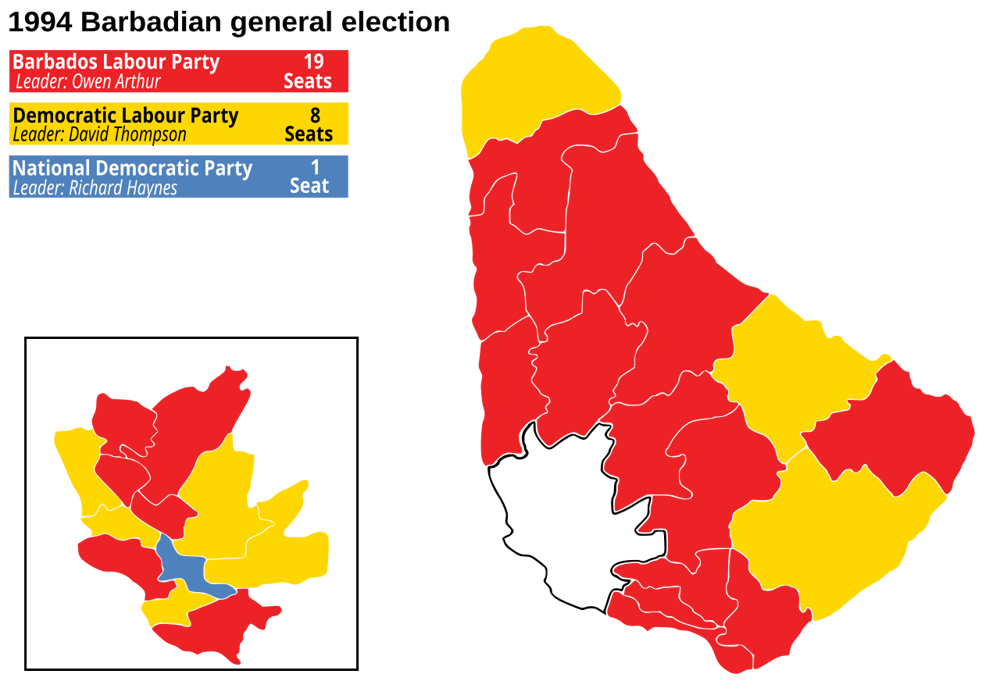
The Barbados Labour Party (BLP), under the leadership of Owen Arthur, won the national election. This event was characterized by a pivotal shift in political power within Barbados. Prior to the election, the Democratic Labour Party (DLP) had been the governing party, influencing policies and national development. However, various socio-economic challenges, including inflation and employment concerns, resulted in a loss of public confidence in the DLP.
Owen Arthur, well-recognized in Barbadian politics, spearheaded the BLP's campaign. His focus on economic reform and development resonated with the electorate, promising improvements and stability. The BLP's forward-looking agenda attracted considerable support, leading to their electoral victory.
The election results indicated a clear preference for change. The BLP secured a majority of the seats in the House of Assembly. This outcome allowed Owen Arthur to become the Prime Minister, a role in which he was to implement his ambitious economic and social policies aimed at revitalizing Barbados's economy and improving the quality of life for its citizens.
The electoral shift had significant implications for the political landscape in Barbados. It marked the beginning of a period marked by efforts to modernize the economy, attract foreign investment, and improve public infrastructure. Owen Arthur's government also focused on education and health reforms, intending to enhance the overall well-being of the population.
Key statistics from the election highlighted a decisive win for the BLP, reflecting the population's demand for change and new leadership. The success of Arthur and his party in this election had long-lasting impacts, influencing future political strategies and governance in Barbados.
#MoofLife #BarbadosPolitics #BLPVictory #OwenArthur #EconomicReform
View details1991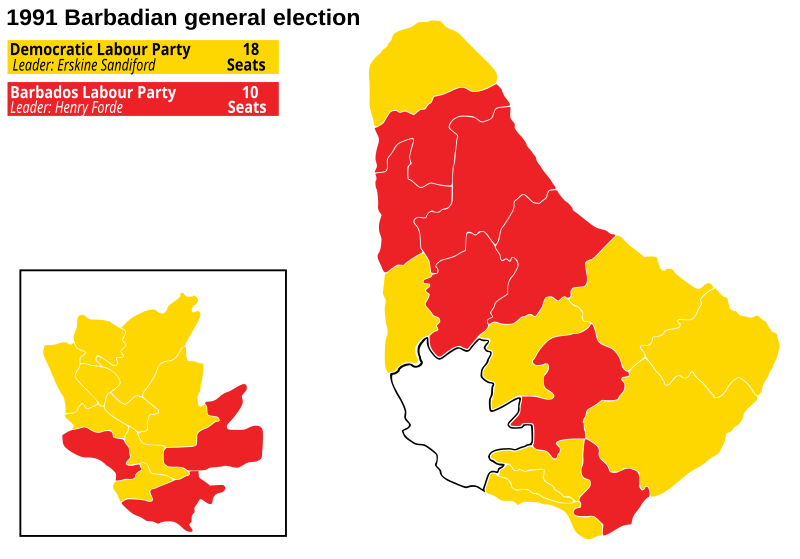
The Democratic Labour Party (DLP), under the leadership of Erskine Sandiford, secured victory in the election for the Barbados House of Assembly. During this election, the House of Assembly underwent a structural change, transitioning to 28 single-member constituencies. This shift was designed to enhance representation and ensure that each constituency would elect one representative.
Erskine Sandiford, a seasoned politician within the DLP, capitalized on this electoral reform to steer the party to victory. The change aimed to strengthen the democratic process in Barbados by promoting accountability and closer ties between elected officials and their constituents.
The election results reflected a significant shift in political dynamics. The DLP leveraged its platform of economic stabilization and social development to gain the electorate's trust. Voter turnout and constituency engagement showed a greater level of civic participation, illustrating the public's response to the new structure.
In the broader context, this election highlighted the evolving nature of Barbados’s political landscape. The move to single-member constituencies ensured a more equitable representation, addressing previous concerns about disproportionate influence in larger, multi-member constituencies.
The successful implementation of this policy by the DLP and Sandiford’s leadership marked a notable point in the administration of political affairs in Barbados. It also set a precedent for subsequent electoral reforms aimed at refining and improving the nation’s democratic processes.
#BarbadosElection #DLPSuccess #ErskineSandiford #BarbadosHouseofAssembly #PoliticalReform #MoofLife
View details