
Barbados

The Gem of the Caribbean
Related Lives

Armenia
Gateway to Ancient Traditions and Scenic Beauty

President of the Italian Republic
Head of State

Niger
Land of the Sahel

Germany
The Land of Ideas

President of Chad
Head of the State
El Salvador
Land of Volcanoes and Beaches

China
Land of Silk
South Korea
The Land of Morning Calm

1536
Pedro A. Campos, a Portuguese explorer, arrived at what is now Barbados during his voyages across the Atlantic. He found the island uninhabited, which paved the way for him to claim it for Portugal. Upon his arrival, he was struck by the unique appearance of the island’s fig trees, which had long, hanging aerial roots that resembled beards. This distinct feature inspired him to name the island 'Os Barbados,' meaning 'the bearded ones' in Portuguese.
The discovery of Barbados by Campos had several implications. Firstly, it marked the beginning of European awareness and subsequent colonization efforts in the Caribbean region. The island's strategic location and natural resources attracted further interest from European powers. Over time, this initial claim by Portugal set the stage for eventual settlement and development by other colonial powers, including the British, who later established lasting control over the island.
The naming of Barbados encapsulated the exploratory zeal of the period and reflected the trend of European explorers naming new territories based on prominent physical characteristics or their own experiences. Pedro A. Campos's naming of Barbados remains a testament to the influence of natural features on place names during early exploration periods.
#PortugueseExplorers #BarbadosHistory #EarlyExploration #ColonialCaribbean #OsBarbados #MoofLife
View details1518
The Spanish Crown tasked Judge Rodrigo de Figueroa with identifying regions inhabited by the Carib people. This assignment was part of a larger effort to regulate indigenous populations in the Caribbean. Judge de Figueroa's investigation revealed that indigenous people from Los Barbudos (Barbados), as well as the islands of the Gigantes (Aruba, Bonaire, and Curaçao), had been removed from their homelands. His report asserted that these populations were not Caribs and deemed their enslavement improper.
This determination had a significant impact on Spanish colonial policies. It highlighted the need for clearer distinctions between various indigenous groups and underscored the legal and ethical considerations regarding their treatment. The findings likely influenced the implementation of laws and practices aimed at the protection of non-Carib Indians, acknowledging their distinct sociocultural identities. These populations were recognized as requiring different approaches compared to the Caribs, who were often marginalized and subjected to exploitation.
Judge de Figueroa’s findings contributed to ongoing debates about the rights of indigenous peoples under Spanish rule. They provided crucial information that could help inform more humane colonial practices. By identifying and advocating for the protection of specific groups, the report played a role in shaping the broader governance of newly encountered societies in the Caribbean.
#CaribbeanHistory #IndigenousRights #ColonialPolicies #EthicalGovernance #MoofLife
View details1512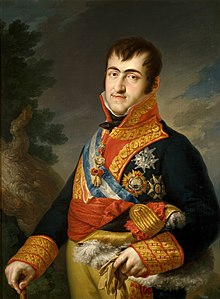
King Ferdinand of Spain issued an order for the capture of Caribs from various Caribbean islands, including Los Barbudos (Barbados), Dominica, Martinique, Saint Lucia, Saint Vincent, Grenada, and Tobago. The Caribs had shown significant resistance to the spread of Christianity, which was part of the Spanish colonial objectives. This action took place during a period when European powers were intensifying their efforts to convert indigenous populations to Christianity, often through forceful means.
The Caribs, known for their strong opposition to external domination, posed a challenge to Spanish colonial plans. The resistance centered on their refusal to abandon their traditional beliefs and lifestyles in favor of European-imposed Christianity. These indigenous groups’ defiance was problematic for King Ferdinand's vision of a unified Christian empire in the New World.
The order to capture the Caribs had several significant impacts. It led to increased military action against the Caribs, resulting in numerous conflicts and subsequent captures. This furthered the decline of the Carib population due to warfare, enslavement, and the devastations brought by the European colonizers. Such acts also instilled fear and compliance among other indigenous groups who witnessed the consequences of opposing colonial and religious alterations.
Demographically, this resulted in the reduction of the Carib population on these islands, altering the social and cultural landscape of the Caribbean. The forced assimilation and displacement disrupted indigenous societies, leading to lasting changes in the region's demographic makeup.
King Ferdinand's policy exemplified the brutal enforcement of religious conversion and European colonization strategies, highlighting the wider context of imperial expansion and the significant resistance by indigenous populations. This moment reflects the broader struggle between colonizers and indigenous groups over religious, cultural, and territorial control.
#ColonialHistory #IndigenousResistance #CaribbeanHistory #ForcedConversion #HistoricalConflict #MoofLife
View details1511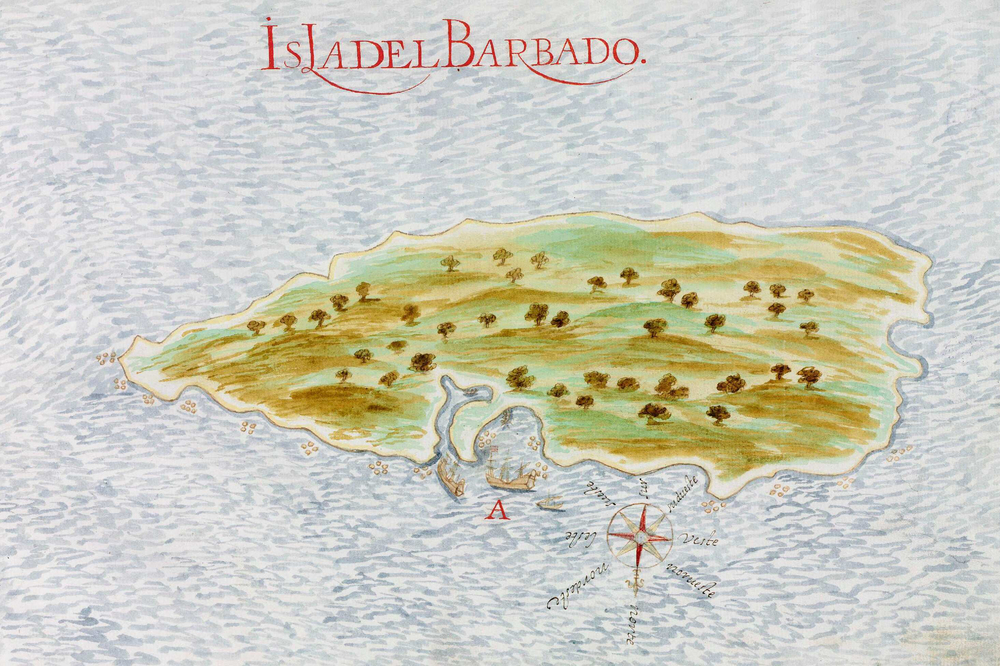
During the early 16th century, Spanish explorers navigated the Caribbean Sea, mapping out islands that were previously unknown to Europeans. In the context of these explorations, a significant development took place when the Spanish monarchy formally recognized an island in the Lesser Antilles group, branding it as 'Los Barbudos' owing to its bearded fig trees. This recognition came from King Ferdinand of Spain, who also acknowledged other regions such as Cobaco (present-day Tobago) and another location referred to as Mayo, whose exact identification remains uncertain.
Inclusion on Spanish maps underscored the strategic interests of Spain in this region, reflecting their ongoing ambition to expand territorial claims and influence. This was part of a broader pattern of European conquests and colonization efforts. Despite being one of the smaller islands, Barbados' documentation marked its entry into European consciousness, subsequently affecting its historical trajectory.
Substantial changes ensued from this mapping exercise. By charting and naming these islands, it initiated detailed European scrutiny and eventual settlement. This set the stage for future economic developments, including sugar cane plantations, driven by European powers seeking to capitalize on the islands' fertile lands. These activities profoundly influenced the demographic, cultural, and socio-economic landscape of Barbados and the Caribbean.
Barbados' mention on the Spanish maps and the subsequent European involvement were pivotal in transforming its future, leading from an era of indigenous habitation into one deeply interwoven with global colonial trade networks.
#BarbadosHistory #ColonialEra #SpanishExploration #CaribbeanIslands #MoofLife
View details