
Barbados

The Gem of the Caribbean
Related Lives

Armenia
Gateway to Ancient Traditions and Scenic Beauty

President of the Italian Republic
Head of State

Niger
Land of the Sahel

Germany
The Land of Ideas

Hungary
Tales of the Danube

Iraq
The Cradle of Civilization
Timor-Leste (East Timor)
Land of the Rising Sun
India
The Land of Diversity and Vibrant Culture.

1986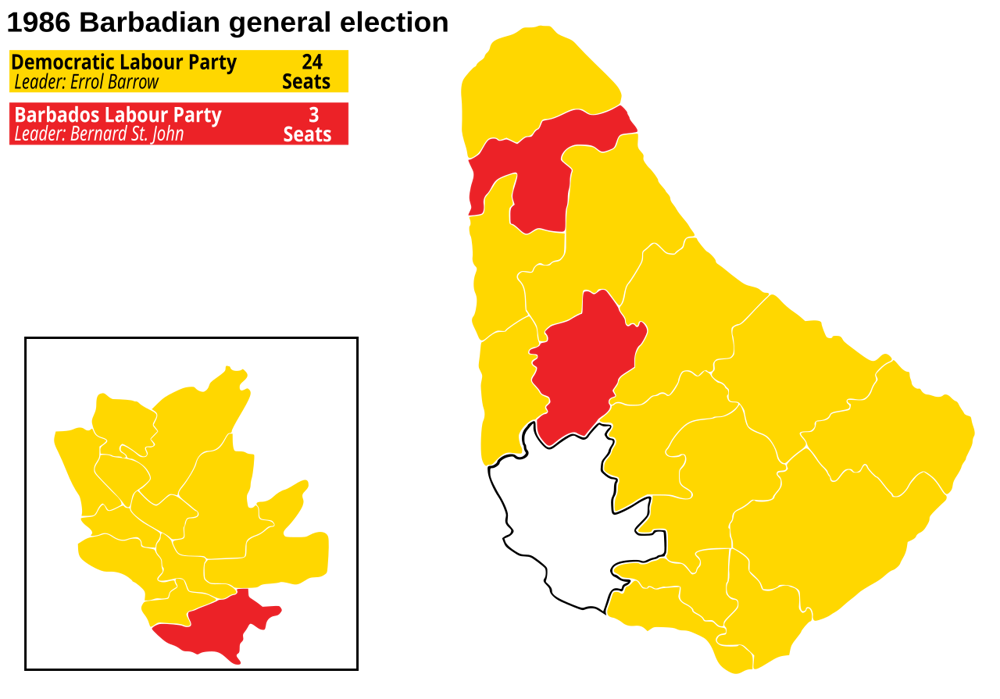
The Democratic Labour Party (DLP), led by Errol Barrow, secured a substantial victory in the national elections, marking a pivotal moment in Barbados' political landscape. This election saw the DLP winning 24 out of 27 seats in the House of Assembly. The Barbados Labour Party (BLP), on the other hand, managed to secure only three seats. This was a marked change from the preceding administration, reflective of a shift in public sentiment towards Barrow's vision for economic and social development.
Errol Barrow, a seasoned politician and former Prime Minister, campaigned on promises of promoting self-reliance, economic growth, and improving social services within the country. His leadership and policies addressed pressing issues such as unemployment and the need for more equitable wealth distribution. Barrow's experience and approach resonated with the electorate, driving the DLP's sweeping victory.
The election's outcome had significant implications for Barbados' governance and policy direction, reinforcing democratic processes and accountability. The shift in power signified a public mandate for new strategies in addressing economic challenges and social inequalities. Furthermore, the DLP's ascent under Barrow reinstated confidence in governmental responsiveness to the needs of the populace.
#MoofLife #DLPVictory #ErrolBarrow #BarbadosElections #PoliticalChange
View details1985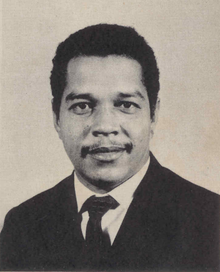
The transition in the office of the Prime Minister in Barbados occurred after the passing of J.M.G.M. 'Tom' Adams. Adams had been a leading figure in Barbadian politics, serving as Prime Minister since his party's victory in the general elections. His leadership focused on economic development, infrastructure improvement, and social programs. Adams' sudden death created an immediate need for political stability.
Harold Bernard St. John, who was serving as Deputy Prime Minister under Adams, stepped up to become the 3rd Prime Minister of Barbados. St. John's political career included various ministerial roles, and he was recognized for his dedication to public service and governance. His assumption of the role of Prime Minister was seen as a continuation of the policies set forth by Adams, aiming at ensuring economic stability and growth for Barbados.
St. John's tenure was marked by efforts to maintain confidence in the government and manage the transition smoothly. This period saw continued focus on improving public services and managing external economic relations, particularly in tourism and finance, significant sectors for the island nation's economy. Under St. John's leadership, the administration sought to uphold the legacy of progress and development championed by his predecessor.
The impact of this leadership change was notable in maintaining the continuity of government policies and programs, thus avoiding any potential disruptions that could arise from a sudden change in leadership. The new Prime Minister’s ability to assure the public and international partners of Barbados's stability played a crucial role during this transition period.
#MoofLife #Barbados #PoliticalTransition #LeadershipChange
View details1983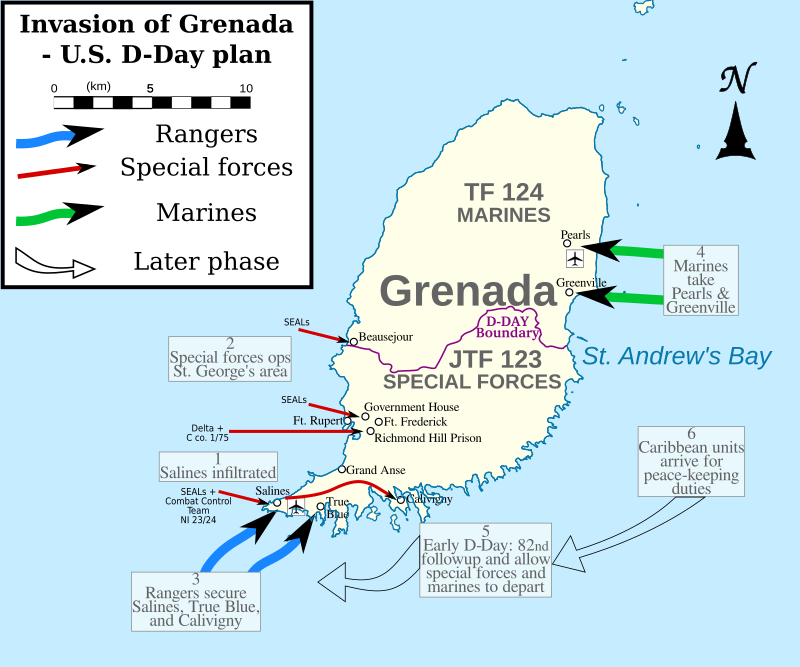
Operation Urgent Fury involved the United States and forces from Barbados and other Caribbean nations launching a military invasion of Grenada. The objective was to overthrow the existing regime, which had established a Marxist-Leninist government. This operation was initiated in response to regional concerns over the stability and direction of Grenada's political landscape, particularly fears of further Soviet and Cuban influence in the Caribbean.
The invasion saw approximately 7,000 U.S. troops, alongside 300 troops from various Caribbean countries, directly engage with Grenadian and Cuban defenders. Combat operations commenced with an amphibious landing followed by paratroop drops, quickly overwhelming the Grenadian forces. The military operation was completed within days, leading to the establishment of a pro-Western interim government.
The impact of the operation was multifaceted. Politically, it resulted in the displacement of the Grenadian Marxist regime, leading to the installation of a government aligned with Western democratic ideals. Strategically, it signaled U.S. intent to counter Soviet and Cuban influence in the region, reinforcing its geopolitical stance during the Cold War. Within Grenada, the invasion led to a reconstruction effort aimed at restoring democratic governance and economic stability.
Statistically, the operation involved coordinated military efforts from American and Caribbean forces, resulting in a relatively short yet intense conflict. Roughly 100 members of the Grenadian and Cuban armed forces were killed, with U.S. forces sustaining 19 fatalities and an additional 116 wounded.
The broader implications of Operation Urgent Fury were felt in international relations, with the U.N. General Assembly denouncing the invasion, while many Western nations and Caribbean allies expressed support for the action taken to restore order and governance in Grenada.
#OperationUrgentFury #GrenadaInvasion #ColdWar #CaribbeanPolitics #RestoringDemocracy #MoofLife
View details1981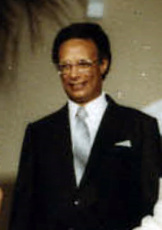
The Barbados Labour Party (BLP), under the leadership of J.M.G.M 'Tom' Adams, secured a decisive victory in the national elections. This event marked a continuation of the BLP's influence in Barbadian politics and signaled the public's confidence in Adams' vision for the country's economic and social future. Leading up to the election, the BLP focused on policies aimed at economic stabilization, educational improvements, and bolstered social services, addressing pressing national issues.
Adams, who had previously served as Prime Minister, was a notable figure in Barbadian politics, steering the party towards addressing economic challenges and fostering development. His administration was recognized for prudent fiscal management and efforts to diversify the economy, reducing dependence on traditional agricultural exports.
The election results were a strong endorsement of the BLP's platform, with the party securing a majority of the parliamentary seats. This outcome reinforced Adams' leadership and policy initiatives, and his administration continued to prioritize infrastructure development, economic diversification, and social equity.
This political period was characterized by efforts to modernize the economy, stimulate growth, and address the needs of a growing population. The BLP's victory also highlighted the dynamic nature of Barbadian democracy and the electorate's engagement in shaping their government's trajectory.
#BarbadosHistory #BLPVictory #TomAdamsLeadership #EconomicDevelopment #PoliticalChange #MoofLife
View details1979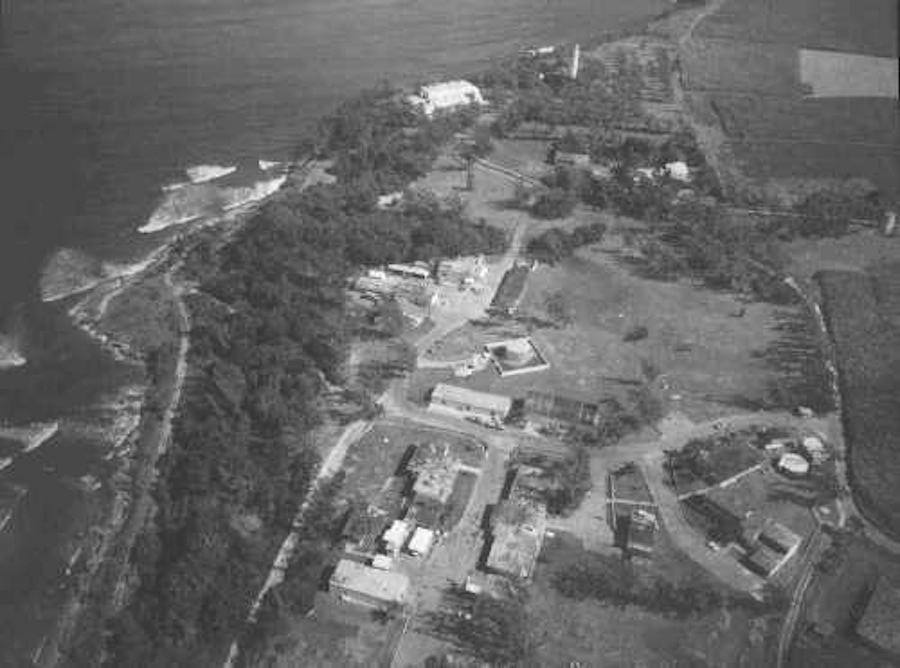
The closure of the U.S. Naval Facility at Harrison's Point in St. Lucy marked the end of a significant operational period. Commissioned in early October 1957, the facility was part of Cold War-era strategic developments and played a role in surveillance and maritime defense. Over its operational years, the facility contributed to the regional security apparatus, being one of the several global listening posts equipped to detect submarine movements during the height of geopolitical tensions between superpowers.
In its decades of service, the facility involved collaboration between U.S. military personnel and local Barbadians. The presence of the facility had an economic impact on nearby communities, providing employment and fostering local development. With advanced listening technology, the base was an integral element in the broader network of U.S. military installations dedicated to monitoring potential threats and ensuring the security of maritime routes in the Atlantic Ocean.
At the time of its decommissioning, the facility's shutdown reflected changes in geopolitical strategies and technological advancements, leading to the consolidation of surveillance capabilities. The withdrawal of the U.S. Navy from Harrison's Point involved the redeployment of equipment and personnel, and the transition of the site to local government authorities.
The historical significance of this facility remains in its contribution to regional security and the socio-economic footprint left in St. Lucy. For residents and military historians, the base is a reminder of a period characterized by international military cooperation and technological development in maritime defense.
#BarbadosHistory #USNavy #NavalFacility #ColdWar #RegionalSecurity #MilitaryHistory #StLucy #BarbadosCommunity #MoofLife
View details1977
British Airways' Concorde, designated G-BOAE, undertook its inaugural journey to Barbados, marking a pivotal development in aviation history as both nations embraced supersonic flight. This event also saw Queen Elizabeth II embarking on her first supersonic flight from Barbados to the United Kingdom, showcasing the advanced capabilities and potential of the Concorde.
The aircraft, renowned for traveling at speeds exceeding Mach 2, significantly reduced flight duration between distant locations. This flight not only served as a demonstration of technological advancement but also symbolized the strengthening of international relations. The Concorde embodied significant progress in aerodynamics, propulsion, and materials science, a testament to the collaborative efforts in aerospace engineering.
Onboard statistics highlighted a cruising altitude of 60,000 feet, doubling that of conventional aircraft, and a transatlantic journey time cut to approximately three and a half hours. Such efficiency indicated a new era for transoceanic travel, where passengers could experience rapid, luxury air travel.
The British Airways' Concorde flights to Barbados became synonymous with luxury and prestige, attracting international tourism and economic benefits to the region. The seamless integration of these flights into regular service underscored the evolving landscape of global air travel.
#AviationHistory #SupersonicFlight #BritishAirways #Concorde #Barbados #MonarchFlight #MoofLife
View details1976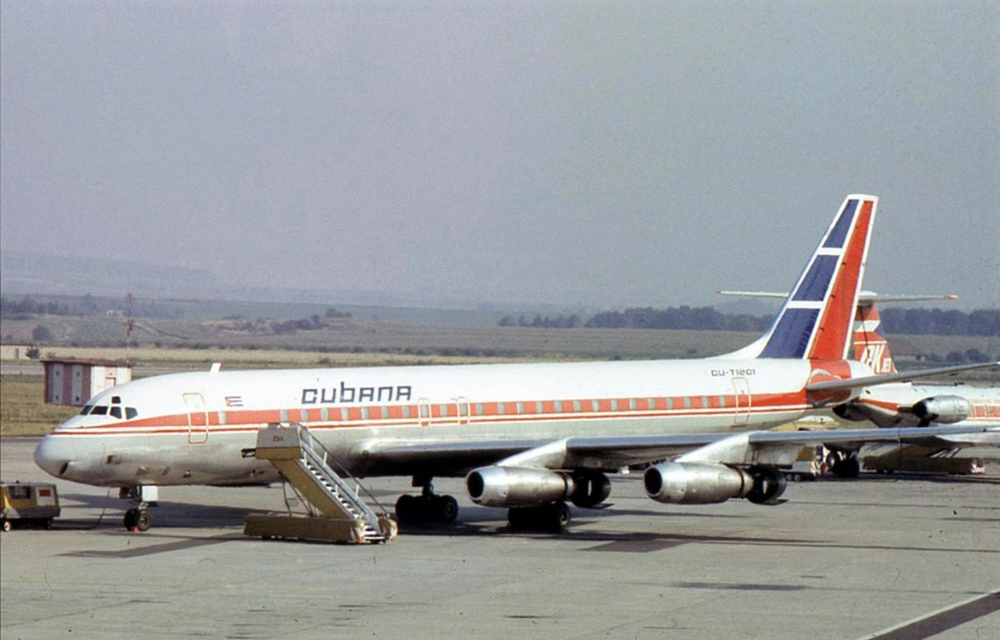
Cubana Flight 455 took off from Sir Grantley Adams International Airport with 73 passengers and crew on board. Shortly after departure, the aircraft was bombed, causing it to crash into the sea off Barbados. Everyone on board perished in this tragic incident.
Investigations revealed that explosive devices had been planted by anti-Castro militants, leading to immediate suspicion of political motives. The bombers were believed to have connections with the Cuban exile community in the United States, specifically groups opposed to Fidel Castro’s regime. These groups were known to engage in violent actions aimed at destabilizing the Cuban government.
In the aftermath, the crash resulted in heightened tensions between Cuba, the United States, and other countries in the region. The incident drew international attention to the risks of political violence spilling into civilian spaces, causing widespread calls for stronger aviation security measures and cooperation among nations against terrorism.
The 73 lives lost included Cuban athletes returning from international competitions, North Korean and Guyanese citizens. The international dimension of the victims underscored the far-reaching impact of the attack, prompting global mourning and condemnation.
#MoofLife #AviationSecurity #PoliticalViolence #CubaUSRelations
View detailsThe Barbados Labour Party (BLP), under the leadership of J.M.G.M. "Tom" Adams, achieved a notable victory in the general election held in Barbados. Tom Adams, who led the BLP, had pursued a campaign focused on addressing the economic challenges and social issues that were prevalent in Barbados at the time. His leadership and policy proposals struck a chord with the electorate, leading the BLP to secure a significant number of seats in the House of Assembly.
This election marked a pivotal point in Barbados' political landscape, shifting the control from the Democratic Labour Party (DLP) to the BLP. Tom Adams’ administration aimed to implement policies that would stimulate economic growth, improve public services, and enhance social welfare programs. The voter turnout was notably high, reflecting the public's engagement and interest in the political future of their nation.
Economically, the new government faced the task of managing inflation and unemployment, both critical concerns for the population. The BLP’s victory was seen as a mandate for change and a push towards economic rejuvenation. Tom Adams’ leadership was characterized by an emphasis on developing infrastructure, expanding the tourism sector, and fostering a more diversified economy.
The election also underscored the evolving democratic processes in Barbados, contributing to a more vibrant political discourse. The support for the BLP reflected the public’s desire for a new direction and confidence in the party’s capability to govern effectively. This event also had implications for Barbados' position within the Caribbean region, as it navigated its role on a regional and international stage.
The BLP's win under Tom Adams' leadership had a lasting impact on the political and economic trajectory of Barbados, setting the stage for subsequent developments.
#BarbadosElections #TomAdams #BLPVictory #PoliticalChange #EconomicGrowth #BarbadosLabourParty #CaribbeanPolitics #MoofLife
View details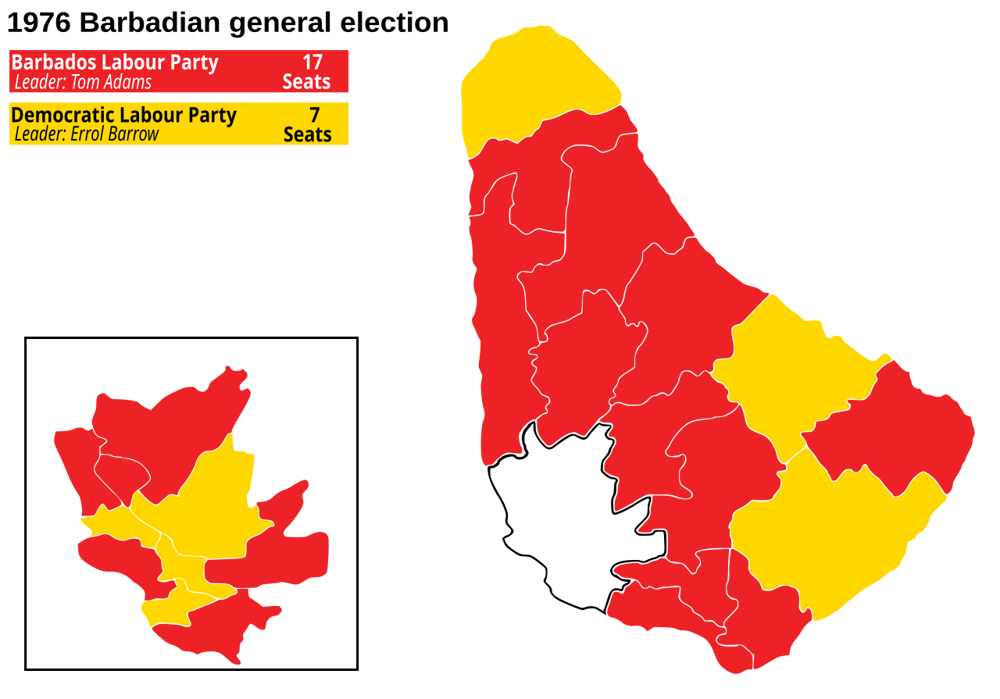
1973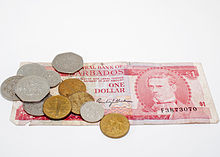
Barbados’ economic trajectory took a substantial turn when the Central Bank of Barbados issued the initial Barbados dollar notes for circulation. This moment marked the end of the use of the Eastern Caribbean dollar within the country, a clear signal of asserting monetary independence. The Eastern Caribbean dollar had been in use since its introduction by the Eastern Caribbean Currency Authority, serving multiple territories in the region.
The introduction of the Barbados dollar came as a strategic move intended to foster national autonomy and economic sovereignty. The Central Bank of Barbados, established to oversee the country’s monetary policy, played a critical role in this transition. The presence of a national currency allowed for greater control over inflation, interest rates, and the overall financial stability of Barbados.
The exchange at the time of transition was set at par with the Eastern Caribbean dollar, ensuring a smooth switchover with minimal disruption for residents and businesses. The Barbados dollar was pegged to the US dollar, a policy decision aimed at maintaining stability and encouraging investor confidence.
This strategic shift laid the groundwork for Barbados to craft independent economic strategies tailored to its unique economic landscape. It marked the beginning of a new phase where national interests could be promoted more effectively through tailored fiscal and monetary policies.
#MonetaryIndependence #CentralBank #BarbadosEconomy #EconomicSovereignty #MoofLife
View detailsFour Caribbean nations—Barbados, Trinidad and Tobago, Jamaica, and Guyana—agreed to a partnership by signing the Treaty of Chaguaramas. The goal was to establish the Caribbean Community and Common Market (CARICOM). This initiative was built on the vision of creating an economically integrated community to improve the lives of their citizens through collective self-reliance and cooperation.
The Treaty of Chaguaramas laid the groundwork for economic collaboration, aiming to reduce trade barriers and facilitate the free movement of goods, services, capital, and labor within the region. The agreement also encompassed a plan for greater political cooperation among member states in areas of foreign policy and regional security.
CARICOM's formation emerged from a history of colonialism and the desire for the Caribbean countries to assert greater control over their economic destinies. This regional integration was seen as a strategic move to better negotiate terms of trade, secure foreign investment, and foster economic growth.
The establishment of CARICOM included the creation of several institutions, such as the CARICOM Secretariat to support the implementation of policies and decisions. Additionally, it aimed to provide a single economic space for approximately 6 million people, promoting collective bargaining power on the global stage.
While CARICOM faced various challenges, including economic disparities among its member states and the complexities of integrating smaller economies, it represented a critical step toward regional unity and economic resilience.
#MoofLife #CARICOM #RegionalIntegration #EconomicCooperation #CaribbeanUnity
View details
1972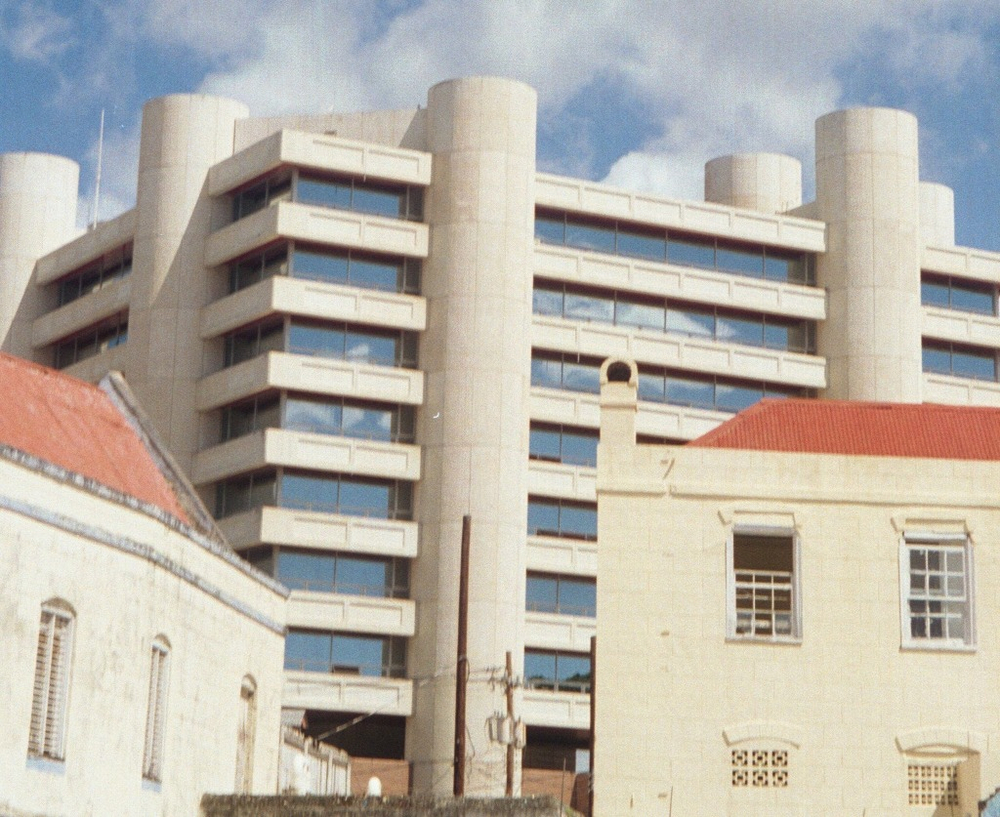
The establishment of the Central Bank of Barbados by an Act of Parliament marked a pivotal development in the country’s financial landscape. Prior to its formation, the financial system in Barbados was largely regulated by external entities, primarily British banks. The need for a central institution to manage monetary policy and support economic growth became evident as Barbados advanced its own economic and political framework.
The Act laid down the legislative foundation for the Central Bank's operations, emphasizing its key objectives: maintaining financial stability, ensuring a robust and efficient payment system, and supporting sustainable economic growth. The Central Bank was endowed with the authority to issue the Barbadian dollar and manage the country’s foreign reserves, marking a move towards economic self-reliance.
One notable impact of the Central Bank's creation was the consolidation of financial regulations under one institution, resulting in more cohesive and comprehensive monetary policies. This consolidation helped to stabilize the local currency and fostered increased confidence among investors, both domestic and international. The Bank also played a crucial role in steering the economy through periods of financial turbulence by offering critical financial guidance and interventions when necessary.
In addition to its primary duties, the Central Bank of Barbados took on the responsibility of fostering financial literacy and inclusion. Initiatives were established to educate the public about financial management, thereby contributing to broader economic stability. Furthermore, the act of establishing the Bank enabled Barbados to have a greater say in negotiations with international financial institutions, giving it a platform to advocate for more favorable terms and conditions that align with its national interests.
The establishment of the Central Bank of Barbados signaled a new chapter in the nation's economic narrative, positioning it for more sustained and independent economic planning and development.
#BarbadosEconomy #FinancialStability #CentralBank #EconomicGrowth #MoofLife
View details1971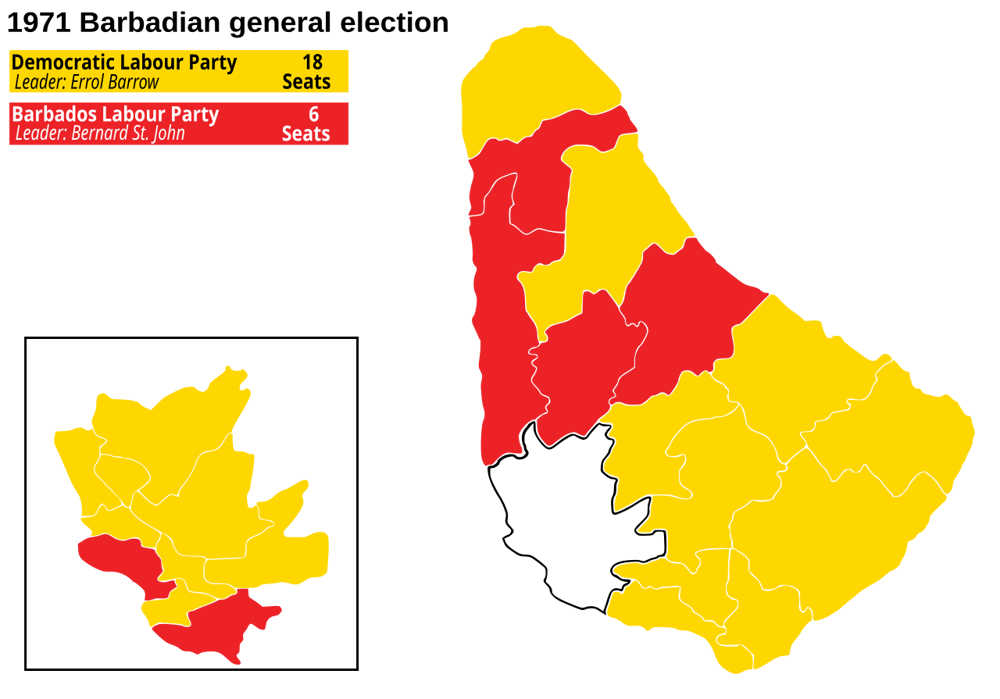
The Democratic Labour Party (DLP), led by Errol Barrow, secured an electoral victory in Barbados. This marked a pivotal point in Barbadian politics, as the party's win reinforced its significance in the island's political landscape. Errol Barrow, already a key political figure and former Prime Minister of Barbados, had campaigned on a platform emphasizing social and economic development, education reform, and improvements in public welfare.
The electoral win by the DLP was characterized by a renewed mandate from the populace, reflecting widespread support for Barrow's vision for national progress. During the preceding political tenure, the DLP administration implemented notable policies aimed at infrastructural development and social justice, including the establishment of free secondary education. These accomplishments likely contributed to the party's appeal to the electorate.
In terms of impact, the election reinforced the continuity of the DLP’s policies aimed at furthering economic development and educational reform. Barrow's leadership was instrumental in transforming Barbados's social infrastructure, fostering a climate that promoted greater equity and access to resources.
The DLP's continued governance had significant implications for the socio-economic direction of Barbados. Its policies were aligned with enhancing local industry, reducing unemployment, and promoting educational opportunities. By bolstering the welfare state, Barrow ensured that the benefits of economic growth were more widely distributed among the Barbadian populace.
Conclusively, the DLP's electoral victory under Barrow's leadership solidified his influence in Barbadian politics and underscored the party's role in shaping the country's future. This period was marked by strategic efforts towards comprehensive development, setting a foundation that would impact Barbados for years to come.
#BarbadosPolitics #ErrolBarrow #DLPElectionVictory #SocialDevelopment #MoofLife
View details1969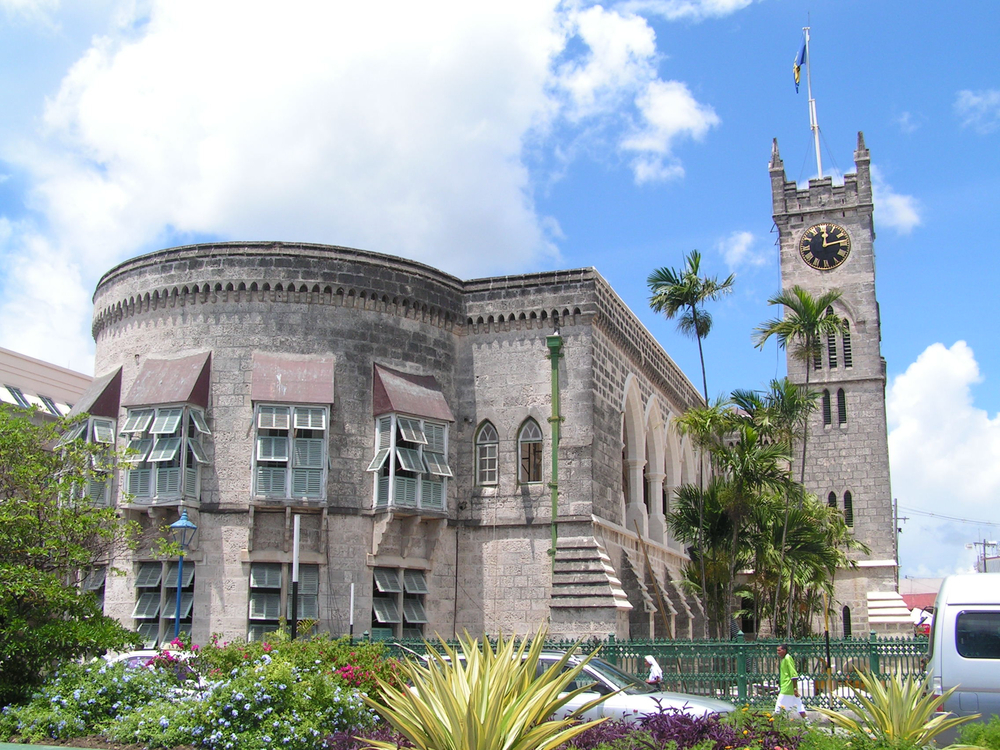
Prior to the Disestablishment of Anglican Church, the Anglican Church held a position of formal recognition and privilege within the state apparatus of Barbados, serving as the established church. This status had historically endowed the church with certain privileges, including state financial support and a prominent role in public ceremonies and education.
The disestablishment, implemented through the Anglican Church (Date of Disestablishment) Order, represented a legislative shift aimed at separating church and state. This move was driven by a broader trend towards secularization and the desire to ensure equality among different religious groups within the nation. The decision effectively removed the Anglican Church's official status as the state church, ending any formal connections between the government and the church.
One major impact of this change was the realignment of religious and public life in Barbados. By severing formal ties, the state sought to create a more inclusive environment for multiple faiths, reflecting the growing diversity of the population. Economically, the Anglican Church had to adapt to the loss of state support and find new ways to sustain its activities and properties. Socially and culturally, this decision promoted the principles of religious freedom and democracy, reinforcing the nation's commitment to these values.
Relevant statistics around this event include the proportion of Barbados's population that identified as Anglican at the time, which was substantial. A considerable number of Barbadians were directly or indirectly affected by the policy change and had to navigate the implications on their religious practices and community engagements.
The disestablishment signified the government's intention to ensure all religious organizations operated independently of state influence, proving a milestone in the nation's journey towards a modern, secular state framework.
#MoofLife #ReligiousFreedom #ChurchAndState #BarbadosHistory #AnglicanChurch #Secularization
View details1968
The establishment of Barbados Community College (BCC) marked a pivotal moment in the educational landscape of Barbados. Prior to the founding of BCC, many Barbadians seeking higher education had limited local options and often pursued studies overseas, entailing significant financial and logistical challenges. Recognizing the need for accessible higher education within the country, the government initiated the creation of BCC to provide a broad spectrum of opportunities for post-secondary education.
BCC's formation aimed to address various educational needs of the Barbadian population through diverse programs. The institution offered courses in liberal arts, sciences, technical and vocational training, and teacher education. This initiative was intended to foster a well-rounded workforce, equipped to meet the demands of the local and regional economies.
Within the first few years of its operation, BCC enrolled hundreds of students, signaling a positive public response. The college quickly became an important institution for workforce development, meeting the growing need for skilled labor in various industries. The accessibility of education at BCC helped to democratize learning opportunities, allowing students from various socioeconomic backgrounds to pursue tertiary education without leaving the island.
The launch of BCC had far-reaching effects on Barbados's education system and its overall socio-economic development. By providing more comprehensive educational facilities locally, the college contributed to the reduction of brain drain, as more students preferred to remain in Barbados for their studies and subsequently entered the local job market. This retention of talent significantly supported the nation's development sectors and public services.
BCC's establishment underscored the government's commitment to enhancing educational infrastructure and human capital development. Over time, the college expanded its curriculum and facilities to include a wider range of disciplines and modern educational technologies, aligning with evolving industry needs.
#EducationReform #LocalEducation #WorkforceDevelopment #BarbadosGrowth #BCCFoundation #MoofLife
View details1966
Barbados, an island country in the Caribbean Sea, was officially admitted to the United Nations following the adoption of Security Council Resolution 230. This milestone represented a significant step in the post-colonial history of Barbados, having gained independence from the United Kingdom earlier that same year. Admission to the UN signaled Barbados's emergence as a sovereign entity on the global stage, capable of engaging in diplomatic affairs and contributing to international dialogue.
At the time of its UN entry, Barbados had a population of approximately 240,000 people. The inclusion in the United Nations allowed Barbados to advocate for its interests and participate in various UN programs, ranging from social and economic development to cultural exchange. Barbados's entry was indicative of broader decolonization movements occurring worldwide, particularly across Africa, Asia, and other parts of the Caribbean, as former colonies sought to forge independent paths and join global governance structures.
The impacts of Barbados's UN membership included greater international recognition and opportunities for development assistance. It also provided a platform for Barbados to address issues pertinent to small island developing states, such as climate change, disaster preparedness, and sustainable development.
As a member of the UN, Barbados could engage in peacekeeping missions and contribute to discussions on international security, although with its small size and limited military capabilities, its principal contributions centered around advocacy and diplomatic support. Furthermore, Barbados joined various UN agencies and bodies, expanding its ability to influence global policies affecting trade, education, health, and human rights.
The decision of the Security Council to adopt Resolution 230 and admit Barbados to the UN marked an important chapter in the nation's history, underscoring its newfound autonomy and its role within the international community.
#Barbados #UNMembership #Decolonization #GlobalDiplomacy #SmallIslandStates #MoofLife
View detailsBarbados, under the leadership of Prime Minister Errol Barrow, undertook a monumental transformation. Barbados shifted from being a British colony to an autonomous state within the Commonwealth. This change was a culmination of many years of political negotiations and a drive towards self-governance that had been building momentum since the early 20th century.
Economic changes and social movements in Barbados had long been advocating for more substantial local control and representation. The Barbadian society, characterized by its colonial past with deep-rooted influences from the British Empire, began to show a strong desire for self-determination. The colony’s educational advancements, the establishment of trade unions, and the evolution of its political landscape contributed to this growing call for independence.
Errol Barrow, a prominent figure in Barbadian politics, played a key role in this transition. As the Prime Minister, Barrow spearheaded negotiations with the United Kingdom, seeking a peaceful and structured transfer of power. Under his leadership, Barbados achieved a significant structural change, moving from colonial rule to becoming a sovereign nation. This shift allowed Barbados to have its own governance structures, embodying the aspirations of its people and bringing a sense of national pride and identity.
The impact on the nation was multifaceted. Politically, Barbados adopted a parliamentary democracy akin to the British system, maintaining the British monarch as the ceremonial head of state, and establishing the Governor-General as her representative in Barbados. Economically, the country continued to focus on sugar exports, while also diversifying into tourism and offshore finance in the ensuing years. Socially, there was a renewed cultural resurgence as Barbadians began to celebrate and promote their heritage and identity with greater fervor.
Barbados’ journey towards autonomy marked a critical chapter in the island's history. It established a template for orderly and peaceful transitions for other colonies. The success of such a transition evidenced the power of diplomacy, leadership, and the unified vision for the future of the Barbadian people.
#BarbadosIndependence #ErrolBarrow #CommonwealthNations #BarbadianHistory #PoliticalTransition #MoofLife
View detailsThe Democratic Labour Party (DLP), led by Errol Barrow, achieved a decisive victory in the parliamentary elections in Barbados. This electoral success marked a pivotal point as it was the final election held before the island nation gained independence from British colonial rule. Under Barrow's leadership, the DLP secured the trust of the electorate, reflecting a strong desire for self-governance and national development.
Errol Barrow, an advocate for social reform and economic diversification, focused his campaign on improving the standard of living for Barbadians. His promises included expanding educational opportunities, advancing healthcare services, and boosting the economy through investments in tourism and industry. Barrow's vision resonated with many voters, who were eager to see substantive changes in the island's governance and societal structure.
The victorious DLP government implemented policies that laid the groundwork for a smooth transition to independence. This period was characterized by significant legislative and institutional changes aimed at equipping the new nation with the necessary tools for self-administration and development. Under Barrow's leadership, there was a concerted effort to modernize the economy, reduce social inequalities, and promote national identity.
Statistically, the election signified a consolidation of support for the DLP, with the party capturing a majority of the parliamentary seats. The campaign and subsequent victory demonstrated a clear mandate for Barrow's vision of an independent Barbados, setting the stage for the island's departure from its colonial past.
In the broader context, the success of the DLP in this election had lasting impacts on Barbados's political landscape. It underscored the effectiveness of well-articulated policies that addressed the immediate concerns of the population while also preparing for long-term national interests. Barrow's administration played a crucial role in shaping the newly independent state’s foundation, influencing Barbados' post-independence trajectory.
#MoofLife #Barbados #DLPElectionVictory #ErrolBarrow #IndependenceJourney #PoliticalHistory
View details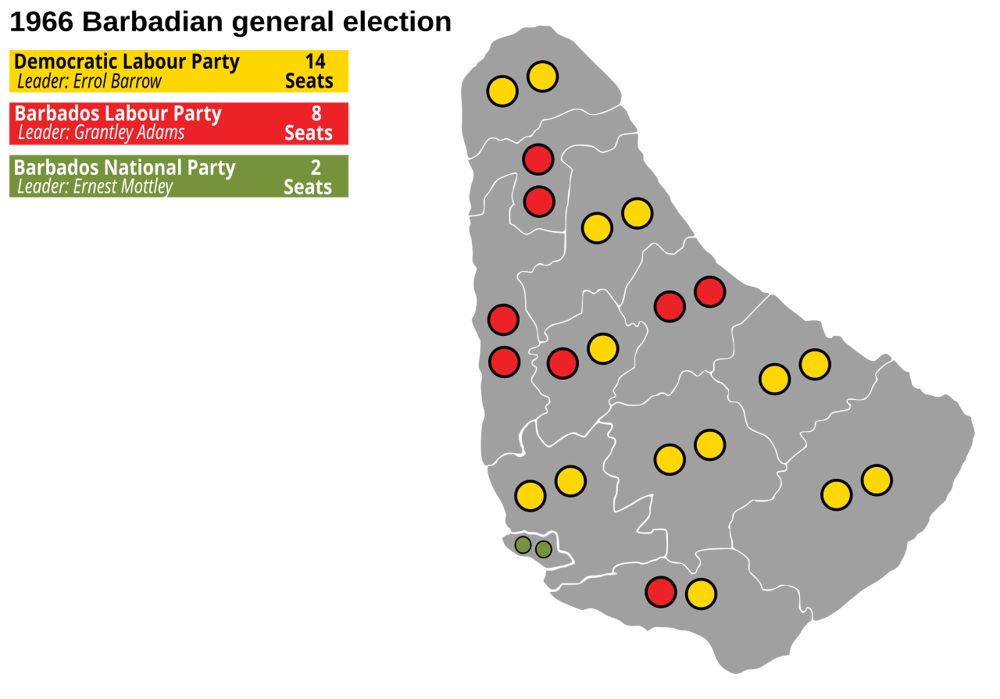
1964
In Barbados, the structural transformation of the legislative body occurred with the replacement of the Legislative Council by the Senate. This change signified a move towards greater political maturity and efficiency in governance. Additionally, the voting age was lowered from 21 to 18 years, expanding the democratic participation of younger Barbadians. This amendment was aligned with global trends recognizing the capability of younger citizens to contribute to electoral processes.
The Senate, designed as the upper chamber in the bicameral system, was established to provide a more balanced and considerate review of legislation passed by the House of Assembly. It aimed to include a diverse array of voices, with members appointed based on merit rather than direct election, ensuring that expert and non-partisan insights could influence legislative discourse.
The reduction in the voting age reflected a shift towards more inclusive political engagement. By enfranchising individuals aged 18 to 20, the government acknowledged their role in society and their ability to make informed choices about their future and leadership. This change was crucial in a post-colonial context where nation-building required the active involvement of youthful energy and perspectives.
Statistically, this legislative reform brought approximately 10% more citizens into the electorate, leading to broader representation and more comprehensive voter turnout in subsequent elections. The infusion of youthful voters was expected to influence policy priorities and inject fresh ideas into the political arena, helping to drive forward national development agendas.
These reforms were part of a broader move towards modernizing the political structure of Barbados and ensuring that its governance system was aligned with the principles of democracy and effective representation. They also reflected an understanding of demographic dynamics and the importance of harnessing the potential of the nation's youth.
#MoofLife #BarbadosSenate #YouthInPolitics #DemocraticReform #VotingAgeReduction
View details1963
The University of the West Indies (UWI) established a new campus in Barbados at the Deep Water Harbour before relocating it to its permanent site at Cave Hill. This campus served as UWI's extension into Barbados, contributing to its aim to broaden higher education access across the Caribbean. Originating from the need to address regional educational shortages, UWI’s new campus was a strategic move to meet the increasing demand for tertiary education prompted by the growing post-independence aspirations within Caribbean nations.
The opening of the campus at Deep Water Harbour was a practical decision, taking advantage of the existing infrastructure. Initially, the modest facilities hosted a small number of students and faculty, offering programs that aligned with the immediate educational needs of the region, such as teacher training, social sciences, and basic sciences.
The impact of the new campus was substantial. It provided students in Barbados and nearby islands easier access to higher education, which was previously limited due to financial and geographic barriers. Within the first few years, student enrollment saw a steady increase, reflecting the growing recognition of the value of higher education in personal and professional development.
The government of Barbados and other stakeholders supported the relocation of the campus to Cave Hill, which offered a larger space to accommodate the expanding student body and resources. The new permanent site featured better facilities, including modern classrooms, laboratories, libraries, and residential halls, enhancing the students' academic and social experience.
This expansion contributed to the growth of Barbados as an educational hub in the Caribbean, subsequently fostering national development through a more educated workforce. Over time, UWI at Cave Hill became known for its academic excellence and research, playing a crucial role in the socioeconomic development of the region, and producing graduates who went on to occupy significant positions in various sectors locally and internationally.
#UniversityOfTheWestIndies #HigherEducation #Barbados #CaveHillCampus #CaribbeanDevelopment #EducationExpansion #MoofLife
View details1962
The dissolution of the West Indies Federation stemmed from intensifying internal conflicts rooted in economic disparities, political disagreements, and regional nationalism. Established to unify ten Caribbean territories under a single governmental system, the Federation was intended to foster economic cooperation and political stability.
However, issues emerged early on. Larger islands like Jamaica and Trinidad and Tobago harbored ambitions of greater autonomy and were reluctant to subsidize smaller states. Such attitudes led to mounting tensions within the Federation. Jamaica held a referendum and subsequently withdrew, significantly weakening the unity and viability of the Federation. Trinidad and Tobago soon followed, choosing independence over continued participation.
As a result of these withdrawals, the Federation officially dissolved. Consequently, Barbados reverted to its prior status of internal self-governance, under the leadership of the Barbados Labour Party. This move allowed Barbados to manage its affairs independently, shaping its future without the constraints of federal obligations.
These changes markedly impacted the region's political landscape. The demise of the Federation underscored the complexities of regional unity when economic and political interests diverge. It also set the precedent for other islands' independence movements, influencing the political trajectory of the Caribbean.
#MoofLife #Barbados #WestIndiesFederation #CaribbeanHistory #PoliticalChange
View details1961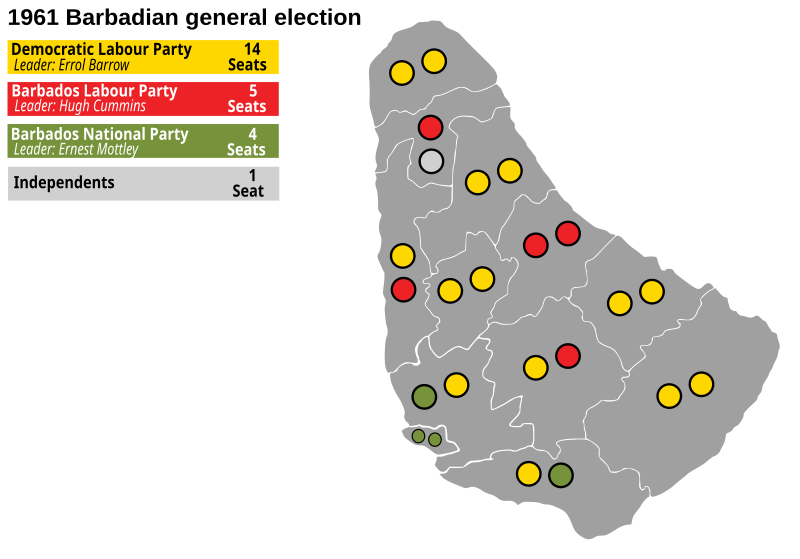
Freundel Stuart, leading the Democratic Labour Party (DLP), secured a victory in the general election held in Barbados. The DLP's success marked a continuation of their governance, having been in power since 2008. The victory was significant in the political landscape of Barbados, as the DLP's win meant they were entrusted with addressing the country's economic challenges and implementing their policy agenda.
The election campaign saw the DLP focusing on issues such as economic stability, social development, and maintaining the welfare of the Barbadian populace. Freundel Stuart, known for his calm leadership style, campaigned on the achievements of his administration, highlighting improvements in healthcare, education, and public infrastructure. The opposition, primarily represented by the Barbados Labour Party (BLP), contested vigorously, raising concerns about the nation's fiscal health and advocating for change.
Voter turnout played a crucial role, with citizens actively participating in the electoral process. The election results indicated a competitive race, but ultimately, the DLP managed to secure a majority. The victory was reflective of the public's confidence in Stuart's leadership and the party’s policies, despite the economic pressures faced by the country.
The impact of DLP's win was felt across various sectors in Barbados. It provided the government with a mandate to continue its efforts towards economic recovery, aimed at addressing the fiscal deficit and stimulating growth. Additionally, the victory affirmed the democratic process in Barbados, showcasing the political maturity and engagement of its citizens.
In the aftermath of the election, the DLP focused on reinforcing social programs and economic initiatives to promote sustainable development. Their governance emphasized stability and gradual improvement of the economic conditions, ensuring that the needs of the population were being met.
The election of Freundel Stuart and the DLP played a pivotal role in shaping Barbados’s political and socio-economic framework during their tenure in office.
#DLPWin #FreundelStuart #BarbadosElection #PoliticalStability #EconomicPolicy #Governance #MoofLife
View detailsThe Democratic Labour Party (DLP), led by Errol Barrow, won the elections in Barbados, leading to the establishment of full internal self-government in the country. Barrow, known for his progressive policies and vision for the island's development, assumed the role of Premier. His leadership marked the beginning of a new era aimed at reducing Barbados' dependence on colonial power and promoting local governance.
Errol Barrow's administration focused on social reforms that included improvements in education, health care, and infrastructure. The DLP's victory was a decisive step towards political and economic modernization, laying the groundwork for the island's future independence from British colonial rule. Barrow's government prioritized policies that sought to uplift the standard of living for Barbadians and reduce social inequalities.
This period in Barbados saw significant strides in public services and the empowerment of citizens. The Barrow-led DLP took measures to diversify the economy, with an emphasis on tourism and industrial development, beyond the traditional sugar industry. The impact of self-government was profound, leading Barbadians to take greater control over their political and economic destiny, fostering a sense of national identity and self-reliance.
#MoofLife #Barbados #DLPVictory #ErrolBarrow #SelfGovernment #BarbadosPolitics
View detailsDeep Water Harbour in Bridgetown, Barbados, completed and officially opened its operations, marking a pivotal development in the island's infrastructure. The project emerged from the necessity to accommodate larger vessels and boost Barbados's trading capacity. Before this, the shallow draft of the old port necessitated the use of lighters to transfer cargo, causing inefficiencies and delays.
The construction of the harbour was a massive undertaking, addressing the need for modern cargo handling facilities, deeper berths, and expansive storage areas. With its completion, Bridgetown joined the ranks of major Caribbean ports capable of handling contemporary maritime traffic. The harbour's facilities included state-of-the-art cranes and large dock areas, facilitating the quick turnaround of goods. This development significantly reduced the costs and time associated with maritime trading.
The immediate impact of the new Deep Water Harbour was felt across multiple sectors. Importers and exporters benefited from improved logistics and reduced handling charges. This, in turn, diversified the island's economy, which had heavily depended on sugar exports. The enhanced port facilities attracted new business, spurred foreign investments, and helped in the growth of the island's small manufacturing sector.
Statistically, the harbour increased Barbados's cargo handling capacity by several hundred thousand tons annually. This capacity uplift was critical in preparing the island for the economic shifts and global trading expansions that lay ahead. Improved maritime infrastructure also had social repercussions, leading to job creation and skill development among the local population involved in port operations, logistics, and allied services.
Over the years, Deep Water Harbour has evolved, adapting to changing demands and integrating advanced port management technologies. It stands as a testament to Barbados's commitment to developing robust infrastructure to bolster its economic resilience and engagement in global trade.
#PortDevelopment #BarbadosEconomy #MaritimeInfrastructure #TradeLogistics #BarbadosHistory #MoofLife
View details
1958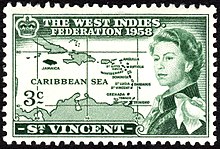
Barbados became part of the West Indies Federation, an important political union consisting of ten British West Indian territories. This union sought to create a unified political entity under the British Crown, which included Barbados, Jamaica, Trinidad and Tobago, and seven other territories. The primary goal was to achieve greater self-governance and administrative efficiency while working towards eventual independence from British colonial rule.
Grantley Adams, a prominent Barbadian lawyer, and politician was appointed Prime Minister of the Federation. His leadership aimed at addressing various economic, social, and political issues faced by the islands collectively. While the Federation was established with high hopes, there were challenges such as economic disparities among the territories and differing political ambitions that hindered its effectiveness.
The formation of the West Indies Federation was significant because it represented one of the early attempts at regional cooperation and unity in the Caribbean. This initiative highlighted the commonality among the territories and their shared desire for self-determination and stability. The establishment of the Federation also set the stage for future political developments and independence movements in the region.
Despite its eventual dissolution, the Federation laid the groundwork for continued collaboration among Caribbean states in forms such as the Caribbean Community (CARICOM). The initiative also remains a notable example of early regionalism in the Caribbean political landscape.
#Barbados #WestIndiesFederation #GrantleyAdams #CaribbeanUnity #PoliticalHistory #MoofLife
View details1956
The Barbados Labour Party (BLP), led by Grantley Adams, secured a decisive victory in the general election. The BLP's win marked a pivotal shift in Barbados' political landscape. Grantley Adams had been a prominent figure in advocating for workers' rights and social reforms, leveraging this to gain substantial public support. Under his leadership, the BLP focused on addressing social inequities, improving labor conditions, and expanding educational opportunities.
The electorate favored the promise of progressive policies designed to increase the population's standard of living. Adams' platform resonated with many Barbadians, seeking change and development. Voter turnout was notably high, signaling the public's strong interest in the electoral process and desire for change.
The impact of the BLP's victory was significant. Grantley Adams and his party implemented policies that contributed to social and economic reforms, laying the foundation for modern Barbados. Their work paved the way for greater autonomy from colonial rule, ultimately leading towards eventual independence.
The election not only underscored the political ascendancy of the BLP but also highlighted a growing nationalistic movement among the island's citizens. This shift was part of broader regional trends in the Caribbean, where many nations were moving towards self-governance.
#MoofLife #Barbados #BLP #Elections #History #GrantleyAdams #PoliticalShift #SocialReform
View details1955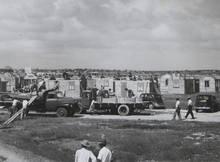
Hurricane Janet, classified as a Category 5 storm, made landfall on the island of Barbados, causing extensive damage and loss of life. With wind speeds exceeding 170 mph (275 km/h) and torrential rain, the hurricane left a trail of destruction. The infrastructure of the island was heavily impacted, with numerous homes, buildings, and roads sustaining significant damage.
The storm surge and high winds uprooted trees and disrupted communication lines, leading to widespread power outages. Emergency services were overwhelmed as they attempted to respond to the numerous calls for help. News reports documented that more than 38 people lost their lives due to the hurricane, and the financial cost of the damages was estimated to exceed $5 million USD.
In the aftermath, rebuilding efforts were slow and arduous. Many residents were left homeless, and the local economy suffered due to the extensive damage to both residential and commercial properties. The agricultural sector, which was a critical component of the island’s economy, also faced severe setbacks as crops were destroyed.
Hurricane Janet remains one of the most devastating natural disasters to have impacted Barbados, highlighting the vulnerability of island nations to such powerful storms.
#HurricaneJanet #ExtremeWeather #Barbados #DisasterResponse #MoofLife
View detailsThe Democratic Labour Party (DLP) was founded in Barbados when a group led by Errol Barrow split from the Barbados Labour Party (BLP). The separation was driven by differing views on how to achieve social and economic development for the island. Barrow and his supporters believed that a new political entity was needed to address the needs of the working class and promote social justice more effectively.
Errol Barrow, a prominent member of the BLP, was increasingly frustrated with the party's direction. His vision for Barbados included comprehensive social reforms, labor rights, and economic diversification. The formation of the DLP marked a pivotal shift in the country's political landscape, presenting an alternative to the BLP's policies.
The DLP quickly gained support from various sectors of society, especially from the labor movement and intellectual circles. This new party advocated for advancements in education, healthcare, and infrastructure. Their platform emphasized the importance of independence from colonial rule and the need for greater self-governance.
This political shift had substantial implications for Barbados. The competition between the DLP and BLP invigorated the democratic process, giving voters clear choices and stimulating political debate. The establishment of the DLP under Barrow's leadership paved the way for future political developments and was instrumental in the eventual push towards independence.
The legacy of this moment is still evident in Barbadian politics today, with the DLP continuing to play a significant role in the island’s governance. Errol Barrow's contribution as the leader who guided this transformation is widely recognized and respected.
#PoliticalHistory #Barbados #ErrolBarrow #DemocraticLabourParty #BLP #Independence #PoliticalReform #MoofLife
View details1951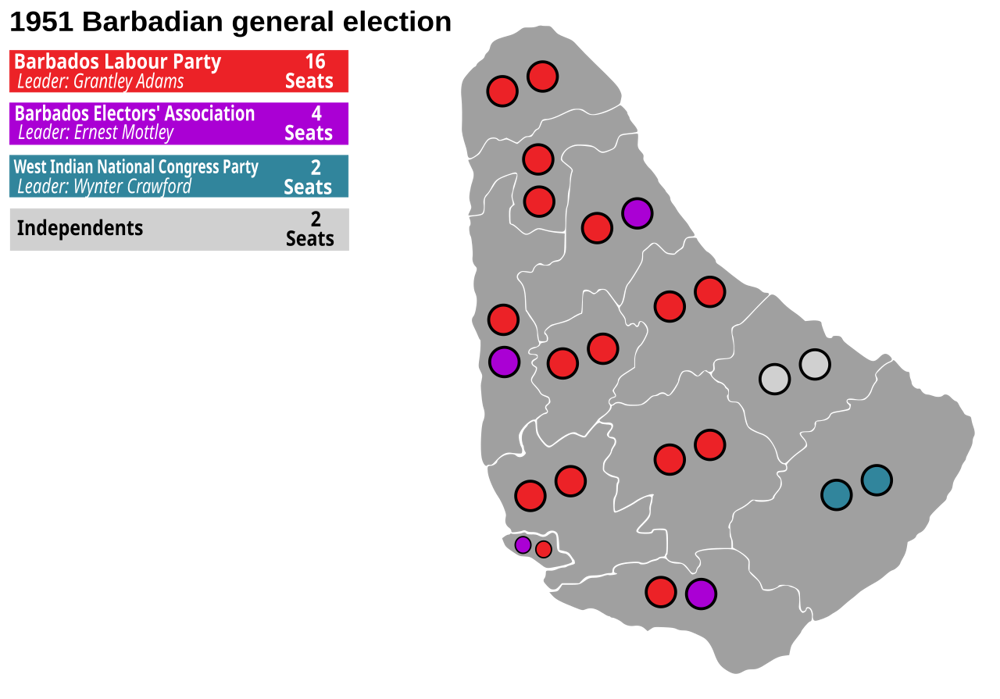
In the early 1950s, Barbados conducted its first election with universal adult suffrage, a fundamental transition from a restrictive franchise system to one where every adult citizen had the right to vote. Before this change, voting rights were largely limited to property owners and individuals who met specific income or education criteria, which disenfranchised a significant portion of the population.
The introduction of universal adult suffrage marked a pivotal shift towards inclusive democracy. This political reform was driven by increasing public demand for greater participation in the governance process and was influenced by broader movements across the Caribbean and the world advocating for democratic rights and self-determination.
With the new system in place, the electorate expanded dramatically, involving men and women from all socio-economic backgrounds. This democratization of the voting process had wide-reaching impacts on the political landscape of Barbados. It enfranchised thousands, giving them a significant voice in determining their representatives and the policies that would shape their lives.
The aftermath of the election saw an increase in political awareness and engagement among the populace. Political parties had to adjust their strategies to address the concerns of a broader and more diverse electorate. The outcomes of this election laid the groundwork for subsequent social and political developments in the country.
Key statistics from this election highlight the impact of this reform. Voter turnout surged compared to previous restricted elections, reflecting the enthusiasm and determination of newly enfranchised voters to participate in the democratic process. This event was critical in shaping Barbados' political evolution and contributed to the country's journey towards a more just and equitable society.
#MoofLife #UniversalSuffrage #BarbadosElections #Democracy #PoliticalHistory #InclusiveVoting
View details1946
The Barbados Labour Party (BLP), under the leadership of Grantley Adams, secured a decisive victory in the general election. This win marked a pivotal turn in the island’s political landscape. Before this election, the political environment in Barbados was dominated by the planter-merchant elite. Worker welfare was often sidelined in policy discussions, despite growing dissatisfaction among the populace.
Grantley Adams, a barrister by profession, championed social justice and workers’ rights. He garnered significant support from the working-class population, which was critical in shifting the power dynamics. The BLP's electoral success signaled the rising influence of the working class in Barbadian politics and laid the groundwork for future reforms in labor laws, education, and social services.
The BLP won 10 out of 24 seats in the House of Assembly, demonstrating the broad support for their platform. This outcome also highlighted the growing political engagement and mobilization among Barbadians, driven by the need for more equitable representation and policies.
The impact of the BLP’s victory under Adams’ leadership was substantial. It catalyzed the process of political transformation in Barbados, setting the stage for the subsequent push towards independence. The new administration focused on improving the socio-economic conditions for the general populace, including initiating significant labor and social security reforms.
Key statistics from this election underscore its importance: the BLP increased its parliamentary representation by 7 seats and demonstrated that organized labor and political advocacy could alter the power structure. This election not only amplified the voices of the previously underrepresented but also steered Barbados towards a more inclusive and democratic governance structure.
The victory of the BLP under Grantley Adams is a landmark in Barbados' journey towards self-determination and social equity, influencing subsequent political discourse and development.
#MoofLife #BarbadosHistory #PoliticalChange #LaborRights #GrantleyAdams #BLPVictory #BarbadosPolitics
View details1944
In Barbados, the extension of suffrage to women marked a pivotal juncture in the nation's democratic evolution. Before this milestone, political participation was predominantly a male domain, reflecting broader societal norms that marginalized women's voices in public affairs. Advocacy for women's suffrage had been building momentum, driven by the collective efforts of various women's organizations and activists who underscored the principles of equality and representation.
The legal change enfranchised women, granting them the right to vote. This move was part of broader political reforms aimed at making the electoral system more inclusive. The inclusion of women in the voter base significantly altered the landscape of Barbadian politics. It introduced a new demographic that political candidates and parties needed to engage with and address.
The immediate aftermath saw increased political engagement among women, who began to participate actively in elections and in civic life. Their involvement was not merely as voters but also as political candidates and officeholders, contributing to the diversity of perspectives in governmental deliberations and decision-making. This development played a role in the subsequent policy directives that better addressed gender issues and promoted social welfare.
Statistics from the first elections following women's enfranchisement illustrated a marked increase in voter turnout, reflecting the eagerness of women to exercise their newly acquired rights. This transition also paved the way for future legislative changes and societal advancements, consolidating the role of women in the political, economic, and social spheres of Barbados.
Overall, this event was not an isolated occurrence but part of a global movement toward gender equality and democratic rights. The impact was profound, setting a foundation for continuous progress in women's rights and participation in Barbados.
#WomenInPolitics #ElectoralReform #BarbadianHistory #DemocraticRights #WomensRights #MoofLife
View details