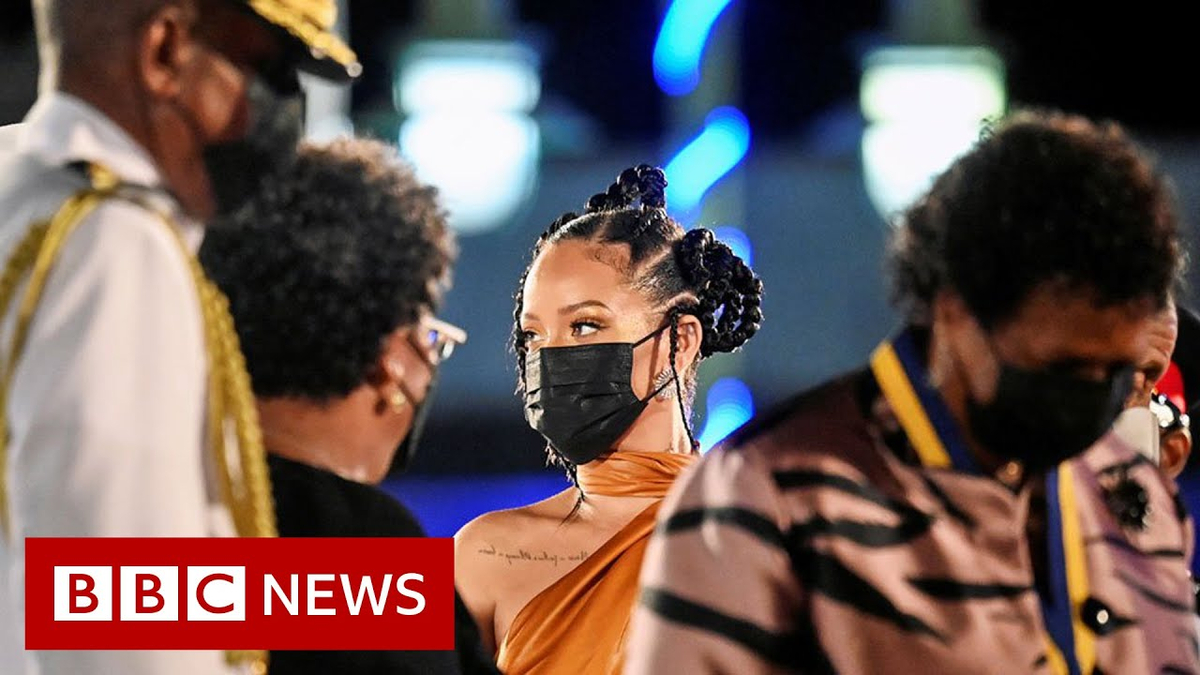
Barbados transitioned from a Commonwealth realm to a republic
Barbados

Political
Global Trade
4 min read
Updated By: History Editorial Network (HEN)
Published:
Updated:
Barbados transitioned from a Commonwealth realm to a republic, thereby abolishing the Monarchy. This restructuring in governance resulted in replacing the Governor-General with the President. Sandra Mason was sworn in as the country’s first President. The transition marked the final step in Barbados' journey towards complete political sovereignty.
This significant shift in governance followed years of public discourse and political effort, reflecting a persistent desire among the island's leadership and citizens to establish a fully autonomous national identity. As a result, the island ceased to recognize the British Monarch as its head of state, solidifying its break from colonial-era structures.
This change was widely regarded as a move to ensure that Barbados' leadership represents all citizens' interests more effectively, prioritizing national values and perspectives. The restructuring also demonstrated a commitment to redefining the country's international relationships and affirming its status as an independent republic.
The inauguration ceremony involved various national traditions, celebrating Barbadian culture and history. Statements from global and regional leaders praised Barbados for taking this step towards further self-determination. This transformation underlines a broader wave of republicanism seen across several former British colonies.
With Sandra Mason assuming the role of President, Barbados now seeks to advance its political, social, and economic agendas without constitutional ties to the British Monarchy. This transition aims to foster a specific national identity and pride, strengthening the country's capacity to navigate future challenges independently.
#BarbadosRepublic #EndOfMonarchy #PoliticalSovereignty #RepublicTransition #BarbadosHistory #MoofLife
Primary Reference
Barbados becomes a republic
Explore the Life Moments of
 AI Twin