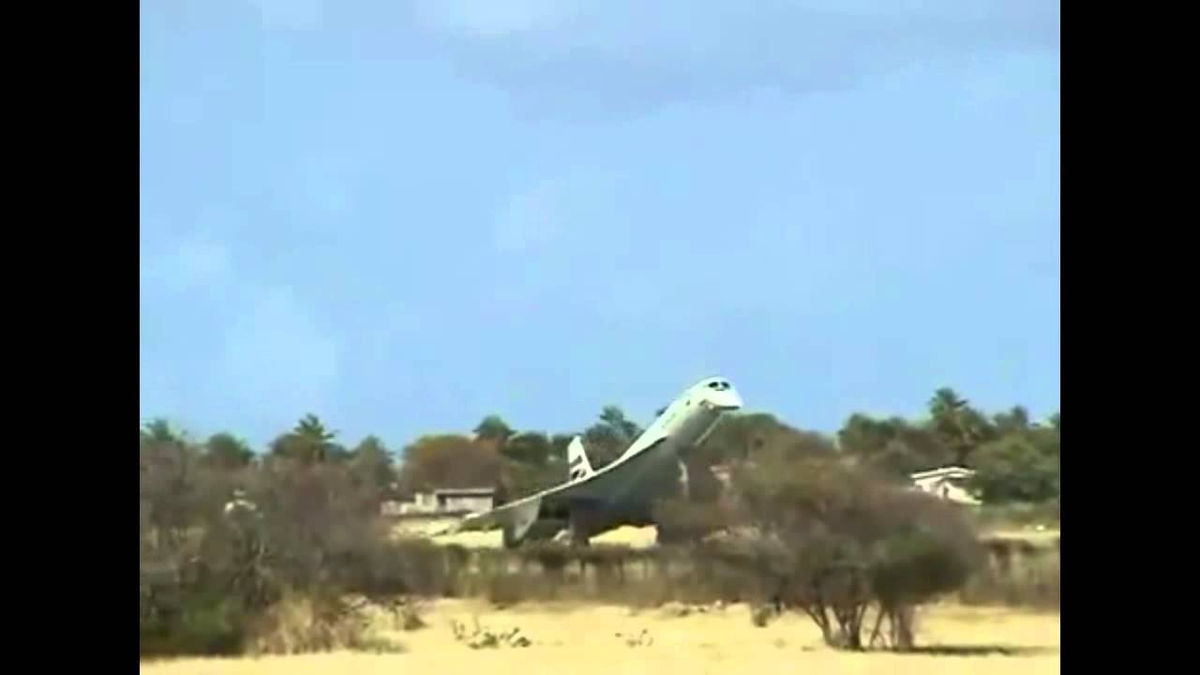
The end of an era: British Airways Concorde's final flight from Barbados to London.
Barbados
Aviation
Technology
4 min read
Updated By: History Editorial Network (HEN)
Published:
Updated:
The last commercial flight of the British Airways Concorde from Barbados to London marked the end of an era in supersonic passenger travel. The Concorde, developed jointly by British Airways and Air France, had been an icon of aviation since its introduction into commercial service. This particular aircraft, known for its distinctive delta wing design and needle-nose, could reach speeds of Mach 2.04, twice the speed of sound, reducing transatlantic flight times significantly.
The service between Barbados and London was particularly popular among affluent travelers and business executives, offering unmatched speed and luxury. The decline in passenger numbers, high operational costs, and a shift towards more fuel-efficient aircraft contributed to the decision to retire the fleet. Additionally, the devastating Concorde crash in 2000, which killed 113 people, had a lasting impact on the aircraft's reputation and passenger confidence.
On this historic final flight, passengers, including aviation enthusiasts and loyal Concorde customers, boarded the aircraft in Barbados for their last supersonic journey across the Atlantic. The event drew significant media attention, highlighting the Concorde's legacy and its impact on aviation history. The plane was greeted in London with a water cannon salute and a ceremony celebrating its contributions to commercial aviation.
For nearly three decades, the Concorde symbolized progress and the potential for cutting-edge technology in commercial air travel. Its retirement marked the end of supersonic passenger service, leaving a gap that the aviation industry continues to explore filling with new innovations.
#Concorde #BritishAirways #AviationHistory #Supersonic #Barbados #MoofLife
Explore the Life Moments of
 AI Twin