
Barbados

The Gem of the Caribbean
Related Lives

Armenia
Gateway to Ancient Traditions and Scenic Beauty

President of the Italian Republic
Head of State

Niger
Land of the Sahel

Germany
The Land of Ideas

Italy
The Land of Art and Romance

Afghanistan
The Jewel of Central Asia

Namibia
Landscapes of Resilience

South Korea
The Land of Morning Calm

1938
At a time of growing social unrest and economic challenges in Barbados, the Barbados Progressive League (BPL) was formed. This organization emerged to address workers' rights issues, rallying against poor working conditions, low wages, and the lack of workers' representation. Key figures in this formation included Grantley Adams, who later became a significant political leader in Barbados.
The BPL played a crucial role in promoting political mobilization and workers' rights. Its establishment marked a pivotal moment in the political landscape, as it laid the foundation for legitimate political opposition and representation for the working class. The BPL’s advocacy efforts included organizing strikes and educational talks to raise awareness among the populace.
The immediate impact of the BPL’s activities was seen in the mobilization of workers across various sectors, leading to an increase in labor strikes and demands for better wages and conditions. These efforts contributed to legislative changes and eventually to the introduction of more labor-friendly policies. Over time, the BPL evolved into the Barbados Labour Party (BLP), which went on to become one of the most influential political parties in the country, playing a critical role in Barbados’ path to independence.
The legacy of the BPL is instrumental in understanding the socio-political evolution of Barbados. Through their persistent efforts, they managed to highlight the importance of workers' welfare and the need for political reform, leading to long-term changes in the governance and economic structure of Barbados.
#LaborMovement #WorkersRights #PoliticalChange #BarbadosHistory #MoofLife
View details1937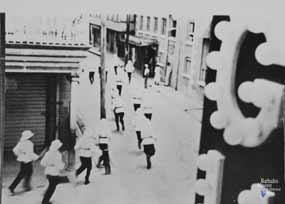
In the first half of the 20th century, Bridgetown experienced a period of civil unrest known as the riots. The unrest was primarily driven by severe economic distress, systemic inequalities, and widespread dissatisfaction among the working class in Barbados. Laborers endured poor working conditions and low wages, while the colonial administration was perceived as being indifferent to their plight.
During this time, economic hardships were exacerbated by high unemployment rates and stagnant wages. The socio-economic instability sparked public outcry, leading to mass protests. These demonstrations were initially peaceful, but tensions escalated, resulting in confrontations between protestors and law enforcement. The clashes led to property damage and disruptions in daily activities.
Several injuries were reported, and there were isolated incidents of fatalities during these riots. The turmoil underscored the need for substantial socioeconomic reforms to address the grievances of the working population. It also highlighted the urgency for the colonial government to reconsider its policies and engage more constructively with the local populace to prevent future incidents.
The aftermath of the riots saw a concerted effort towards reform. The colonial government implemented measures to improve labor conditions and address the socio-economic disparities. The riots served as a pivotal moment in the labor movement in Barbados, setting the stage for future political and social changes.
#LaborRights #BarbadosHistory #EconomicReform #MoofLife
View details1934
Grantley Adams, a prominent Barbadian lawyer and political leader, was elected to the House of Assembly, marking a pivotal shift in the political landscape of Barbados. Born in 1898, Adams was educated at Harrison College and the University of Oxford, returning to Barbados with a strong commitment to social justice and reform. His entry into politics was fueled by his dedication to improving the conditions of the working class and advocating for greater political representation and rights for the majority Black population.
Adams' election signified a move towards more inclusive governance, challenging the dominance of the planter-merchant elite who had controlled the island's political and economic life for centuries. With a growing base of support, particularly among the burgeoning labor movement and the middle class, Adams began to push for policies that addressed the economic inequalities and social injustices faced by many Barbadians.
The impact of Adams' election resonated throughout the island. He played a crucial role in the formation of the Barbados Labour Party (BLP) in 1938, which became an important vehicle for championing the causes of labor rights, advocating for universal suffrage, and pursuing colonial reforms. This period was characterized by increasing demands for self-governance and the eventual transformation towards a more democratic society.
During this time, Adams' leadership style, characterized by resilience and advocacy, enabled significant progress in the rights and conditions of the Barbadian workforce. His efforts laid the groundwork for future advancements, including the eventual attainment of independence for Barbados in 1966.
Adams' election to the House of Assembly remains a key moment in Barbadian history, reflecting the broader struggles and aspirations of the people for justice, equality, and self-determination.
#BarbadosHistory #PoliticalReform #LaborRights #GrantleyAdams #MoofLife
View details1928
The establishment of The St. Michael Girls School in Barbados marked an important development in the country's educational landscape. This institution was created to address the increasing need for formal education tailored specifically to young women. At a time when educational opportunities for girls were limited, the introduction of such a school played a crucial role in promoting gender equality in education.
The St. Michael Girls School was designed to offer a comprehensive curriculum that included a variety of academic subjects. The aim was to provide young women with the skills and knowledge required for both higher education and professional careers. This initiative was significant in changing societal views on women's roles and contributions outside the home.
The school began with a modest number of students and faculty. However, its impact was substantial and far-reaching, influencing educational reforms and inspiring the establishment of other similar institutions across the region. Throughout the following years, the school produced numerous graduates who went on to make contributions in various professional fields including law, medicine, education, and business.
The introduction of The St. Michael Girls School also had social implications. It highlighted the importance of investing in girls' education as a means to empower women and foster social progress. The positive outcomes soon seen in the achievements of its graduates provided a strong case for continued and expanded support for girls' education in Barbados and beyond.
The legacy of The St. Michael Girls School continues to be evident today as it remains one of the key institutions for women's education in Barbados. It symbolizes a pivotal shift towards more inclusive and equitable educational practices and maintains its reputation for academic excellence.
#EdHistory #GirlsEducation #GenderEquality #BarbadosEducation #Empowerment #MoofLife
View details1885
The decision to abandon plans for confederation with the Windward Islands materialized amidst a period of political reconfigurations in the region. During that period, there were considerations for political and administrative cohesion among the Windward Islands, which included Grenada, St. Lucia, St. Vincent, and Barbados. However, these plans were eventually discarded.
As a result, the capital of the Windward Islands shifted to St. George's in Grenada. This change highlighted Grenada's growing administrative prominence. For Barbados, a significant change took place as the island restored its self-government. This move reinstated a measure of autonomy and local administrative control after a phase where governance was more centralized within the colonial framework of the Windward Islands.
This political restructuring ushered in new governance dynamics for Barbados, allowing for more localized decision-making processes and administrative independence. The decentralized government structure potentially facilitated better management of local affairs and resources, marking a crucial shift from previous administrative practices.
These developments indicated a broader trend towards localized governance within the British Caribbean colonies, setting precedents for future administrative and political reforms in the region. This shift affected regional political relationships, administrative arrangements, and economic policies, with long-lasting impacts on the governance structures of the Windward Islands and Barbados.
#MoofLife #PoliticalHistory #CaribbeanGovernance #WindwardIslands #BarbadosSelfGovernment
View details1876
The 'Confederation Riots' erupted as a response to the British Imperial Crown's proposal to establish a Crown Colony government that would merge Barbados with the Windward Islands. This political endeavor aimed to streamline the administrative structure of the British colonies in the Caribbean to improve governance and consolidate resources.
Barbados had a long-standing tradition of self-governance, dating back to the establishment of its House of Assembly in the 17th century. The proposed confederation was perceived by many Barbadians as a direct threat to their autonomy and a step toward diminishment under a broader colonial administration. Barbadians feared that this new political arrangement would lead to increased taxes and a loss of local control over their affairs.
The reaction was swift and vehement. A significant portion of the populace, including influential legislators and local leaders, vigorously opposed the confederation plan. Public meetings were held, and petitions were signed in an effort to express widespread dissent against the measure. The tension reached a peak when these peaceful protests escalated into riots.
During the riots, substantial property damage occurred, and there were numerous clashes between the rioters and colonial authorities. Despite the authorities' attempts to quell the unrest, the protests underscored the Barbadian populace's firm stance against the proposed amalgamation.
In the aftermath, the British government had to reconsider its approach. The fierce opposition from Barbadians played a pivotal role in thwarting the confederation plans. This period highlighted the deep-rooted desire for self-determination among Caribbean colonies and marked an important chapter in the history of Barbados' resistance to external political control.
#MoofLife #BarbadosHistory #ColonialResistance #ConfederationRiots #SelfGovernance #WestIndiesHistory
View details1861
Bridgetown, the capital of Barbados, marked a major milestone when piped water was introduced. This development was part of broader efforts to modernize essential infrastructure and improve public health. Prior to the introduction of piped water, residents largely relied on wells, rainwater, and river systems, methods that were often problematic and contributed to the spread of waterborne diseases.
The introduction of a piped water system was spearheaded by local authorities and engineers who recognized the critical need for a stable and hygienic water supply. They implemented engineering solutions, including the construction of reservoirs and an intricate network of pipes, to facilitate the distribution of clean water across the city. This system was designed to ensure that water would be readily available for domestic use, sanitation, and firefighting.
The immediate impact on public health and daily life was notable. The incidence of diseases such as dysentery and cholera reduced as residents gained access to cleaner, safer water. This also led to less time and effort required to fetch water, allowing people to engage in other productive activities.
Statistically, the introduction of piped water contributed to an increase in life expectancy and a decrease in child mortality rates. These metrics indicated a direct correlation between improved water infrastructure and public health outcomes. Economically, the development spurred growth as businesses and industries benefited from the reliable water supply, supporting overall urbanization efforts.
In summary, the implementation of piped water in Bridgetown represented a crucial step towards modernizing the city’s infrastructure and significantly enhancing public health and quality of life. This development laid the groundwork for future advancements in urban planning and public utilities in Barbados.
#MoofLife #BarbadosHistory #PublicHealth #Infrastructure #UrbanDevelopment
View details1843
The abolition of slavery marked a transformative period in Barbados, fundamentally altering its social and economic structures. The ending of legally sanctioned human bondage set in motion a wave of changes and adjustments within the society. Central to this moment was Samuel Jackman Prescod, who emerged as a symbol of progress. Prescod, a man of partial African descent, broke significant barriers when he was elected to the Barbadian Parliament.
This historic election of Prescod was monumental. Previously, political participation had been restricted to white landowners, but Prescod's success indicated a shift towards inclusivity and representation. He campaigned vigorously for the rights of the newly emancipated population, advocating for legislative reforms that would offer greater opportunities and protections for former slaves. His election to Parliament became a substantial step towards dismantling the longstanding racial and social hierarchies that had defined the island's colonial history.
The impact was resonant; Prescod’s presence in Parliament illustrated the potential for increased participation from diverse racial backgrounds in the governance of Barbados. The media of the time covered his activism and legislative initiatives extensively, encouraging other Afro-Barbadians to engage more actively in civic and political processes. His voice and actions would echo through the subsequent reform movements, strengthening the push for equality and justice in Barbados.
Samuel Jackman Prescod's election not only provided a beacon of hope for the Afro-Barbadian community but also placed Barbados on a path towards gradual social and political reforms. His achievements were pivotal in paving the way for future generations to challenge the status quo and strive for a more inclusive society.
This moment remains a critical reference point in Barbados's history, highlighting the country's journey from a slave-based colony to a society striving for equality and representation in its political framework.
#MoofLife #BarbadosHistory #AbolitionOfSlavery #PoliticalReform #BlackHistory #Barbados
View details1835
The establishment of the Barbados Police Force marked an important development in the law enforcement landscape of Barbados. The creation of a formal police force aimed to bring order and stability during a period of considerable social and economic changes. Before its establishment, law enforcement was managed by local constables and militias, which were often inadequate in addressing the growing complexities of crime and public safety.
The new police force was structured to be more organized and professional in its operations. It was designed to enhance public order, enforce laws more consistently, and provide a sense of security to both residents and businesses. This initiative was part of broader administrative reforms taking place within the island, which sought to modernize various facets of governance and public services.
The introduction of a full-time police force significantly impacted crime prevention and legal enforcement. The presence of professional officers patrolling the streets served as a deterrent to criminal activities. The force was responsible for a range of duties including crime investigation, traffic regulation, and maintaining public order during events and emergencies. It played a critical role in upholding the rule of law and fostering trust within the community.
The Barbados Police Force influenced various aspects of Barbadian society over time, contributing to a more structured and responsive legal system. This development became a foundational element in the nation's journey towards improved civic administration and governance. The establishment of the police force underscored the importance of creating institutional frameworks to support the safety and rights of citizens.
#BarbadosHistory #LawEnforcement #BarbadosPoliceForce #PublicOrder #GovernanceReform #MoofLife
View details1833
The Slavery Abolition Act was enacted, terminating enslavement throughout the British Empire. This legislation emerged following a long campaign led by abolitionists who fought tirelessly against the transatlantic slave trade and the inhumane treatment of enslaved people. This campaign saw the involvement of various social reformers, religious groups, and the general public, raising awareness about the brutality of slavery.
The Act had a profound impact on colonies dependent on slave labor, notably in the Caribbean, including Barbados. Barbados was known for its sugar plantations, which were heavily reliant on the labor of enslaved Africans. The abolition of slavery legally freed thousands of enslaved people and set forth gradual adjustments within these colonies' economies and social structures. However, the immediate effects were complex. Former masters received compensation for the loss of 'property,' while the freed individuals received no financial aid or land. This legislative change initiated a compulsory apprenticeship system, requiring freed individuals to continue laboring for their former masters for several years.
Alongside abolition, the British Parliament had earlier passed regulations to address the welfare of enslaved individuals, such as the Slave Trade Act, which sought to curb the importation of slaves. Together, these measures signified a substantial shift in colonial policies and attitudes towards human rights. Long-term effects included progress towards civil rights, economic changes, and efforts towards improving social justice, though significant challenges persisted.
Abandoning slavery within the British Empire marked the beginning of a new chapter filled with struggles for true freedom, opportunity, and recognition for those who had endured the atrocities of enslavement.
#AbolitionAct #BritishEmpire #EndOfSlavery #BarbadosHistory #HumanRights #SocialChange #ColonialHistory #MoofLife
View details1831
In Barbados, a legislative change allowed free men of color who met specific property requirements to vote for members of Parliament. This event marked a pivotal shift in the political landscape. Previously, voting rights were exclusively held by white male property owners, maintaining a rigid racial and class hierarchy. However, as economic and social conditions evolved, so did the structure of civil rights.
The eligibility criteria specified that free colored men must own property valued at a particular amount to qualify for voting. This change did not grant universal suffrage but was a significant step towards inclusivity. It acknowledged the economic contributions and social standings of free colored men, who were often merchants or landowners themselves.
The immediate impact was an increased representation of diverse interests in the legislative process. Although these men constituted a small percentage of the population, their participation signaled a gradual dismantling of the rigid structures that had long marginalized non-whites. Over time, this expansion of the electorate laid the groundwork for further democratic reforms and greater political participation across racial lines.
As a result, this change contributed to the broader movements against slavery and for civil rights throughout the region. It highlighted the interconnectedness of property ownership, economic status, and political power in colonial societies. Moreover, this measure underscored the growing awareness among colonial governments that sustainable governance required at least some level of inclusivity and representation from a broader demographic base.
In summary, the enfranchisement of free colored men in Barbados, contingent on property qualifications, was a crucial development in the island's political evolution. While it did not entirely dismantle the broader structures of racial discrimination, it was a step towards greater civil liberties and representation for a previously marginalized group.
#PoliticalReform #BarbadosHistory #VotingRights #ColonialEra #CivilRights #DemocraticEvolution #MoofLife
View details1816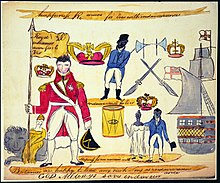
Bussa's Rebellion, also known as the Easter Rebellion, was the largest slave revolt in Barbadian history. It was led by an African-born enslaved man named Bussa, overseer at Bayley’s Plantation in the parish of St. Philip. The revolt grew from dissatisfaction with harsh labor conditions and limited freedoms experienced by enslaved Africans. The British Parliament had been debating measures to ameliorate the conditions of slaves, which likely raised expectations for better treatment among the enslaved population.
Bussa and his co-conspirators, including Nanny Grigg, a literate enslaved woman who played a key role in planning, organized a massive uprising. Reports estimate that around 400 enslaved individuals participated directly, but the rebellion impacted thousands. On the night of the uprising, they mobilized enslaved people from several plantations, attacking estates and setting fire to cane fields and buildings.
British colonial forces responded rapidly, deploying soldiers and local militia. Clashes ensued, and the superior firepower and organization of the colonial forces quickly overwhelmed the rebels. Within three days, the rebellion was crushed. Approximately 50 rebels were killed in combat, and subsequent trials resulted in the execution of 144 rebels, while 123 were transported, according to colonial records.
The impact of Bussa’s Rebellion was significant, revealing the unrest within the enslaved population in Barbados. Although the revolt did not result in immediate emancipation, it contributed to the growing abolitionist movement and highlighted the urgent need for reforms in the British colonies.
#MoofLife #Barbados #Rebellion #HumanRights #History #Abolition
View details1795
The British government decided to establish a permanent land force in the eastern Caribbean, with its base in Barbados. This move was motivated by the region's strategic importance and the need to enhance security and maintain colonial interests amid ongoing conflicts and unrest. At the time, the Caribbean colonies were vital for their economic contributions, including sugar production, which was a significant part of the British economy.
Barbados was selected as the base for this permanent force due to its central location in the eastern Caribbean, making it an ideal point for rapid deployment to other islands. Establishing a land force in Barbados gave the British military a key position from which they could protect their territorial claims and respond effectively to threats, including those from rival European powers and local uprisings.
The introduction of a permanent military presence had several effects. It strengthened the British government's control over the eastern Caribbean territories and reassured the colonial settlers and local administration of their security against potential invasions or insurrections. Furthermore, this measure facilitated the enforcement of British policies and laws in the region, contributing to greater political stability.
Statistics from the period indicate an increase in the number of British troops stationed in the Caribbean, with records showing a notable presence in Barbados. This bolstered military capability supported the British Empire's broader strategic goals and helped maintain the flow of valuable resources from the colonies to Britain.
The establishment of this permanent land force in Barbados also had long-term implications for the island and the wider Caribbean. It laid the groundwork for a more extensive and sustained British military infrastructure in the region, which played a crucial role in shaping the geopolitical dynamics of the area in the centuries that followed.
#BritishEmpire #Barbados #Caribbean #MilitaryHistory #ColonialEra #StrategicLocation #MoofLife
View details1780
The Great Hurricane of 1780, also known as the "Huracán San Calixto," was one of the deadliest hurricanes in recorded history. Striking the Caribbean in mid-October, this catastrophic storm unleashed its fury on Barbados before moving through the Lesser Antilles. With estimated wind speeds surpassing 200 mph, it is believed to have been a Category 5 hurricane. The island of Barbados was among the hardest hit, suffering massive destruction as the storm tore through homes, plantations, and ships. Entire villages were flattened, and thousands of lives were lost in a matter of hours. The devastation was so severe that reports from the time described trees being stripped of their bark and buildings being completely swept away.
Beyond Barbados, the hurricane continued its deadly path, causing widespread devastation across Martinique, Saint Lucia, and other islands. In total, it is estimated that over 22,000 people perished due to the storm, making it the deadliest Atlantic hurricane on record. The Great Hurricane of 1780 remains a somber reminder of the power of nature and the vulnerability of Caribbean islands to such disasters. Even centuries later, its impact is remembered as a defining moment in the region’s history, shaping disaster preparedness and awareness for future generations.
#GreatHurricane1780 #BarbadosStorm #HistoricalDisasters #HurricaneHistory #MomentsOfLife #MoofLife_Moment #MoofLife
View details1751
George Washington, before his years as a leader in the American colonies, embarked on a rare journey outside the American mainland, traveling to Barbados. This trip was historically notable as it marked the only known instance of Washington leaving the continental territories of what would later become the United States. Washington traveled to Barbados with his elder half-brother, Lawrence, who was in poor health and sought the island's more temperate climate as a remedy.
The trip provided Washington with valuable exposure to different cultures and practices, which had a subtle yet significant impact on his later views and leadership strategies. During the visit, Washington engaged in social activities with the local gentry and observed the plantation economy, which operated heavily on the labor of enslaved Africans. This experience offered him insights into the complexities of colonial economics and the operations of transatlantic trade.
While in Barbados, Washington was stricken by smallpox, which rendered him immune to future infections of the disease, a crucial factor given the frequent smallpox outbreaks that plagued the 18th century. Thus, Washington's unfortunate illness during this trip had the long-term benefit of granting him immunity, which could have influenced his survival and leadership during the American Revolutionary War.
This journey, though relatively short-lived, remains a documented episode of Washington's early life. It provided a young Washington with his first and only direct experience of Caribbean colonial life, potentially broadening his perspective on the world beyond the American mainland.
#GeorgeWashington #BarbadosTrip #EarlyAmericanHistory #ColonialLife #SmallpoxImmunity #TransatlanticTrade #MoofLife
View details1750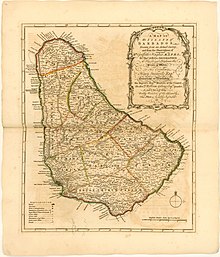
The Grapefruit's First Illustration in "The Natural History of Barbados" by Reverend Griffith Hughes
The grapefruit received its first recorded illustration in "The Natural History of Barbados" by Reverend Griffith Hughes. At the time, the fruit was referred to as the 'Forbidden Fruit Tree.' Barbados, set within the Caribbean, was known for its diverse plant species, many of which were unfamiliar to Europeans. Hughes, a member of the Anglican Church, was deeply interested in the island's botanical offerings. His documentation aimed to provide an extensive catalog of Barbados' natural environment.
The illustration and description of the grapefruit in Hughes' work marked an important moment in the botanical and agricultural history of the Caribbean. This documentation offered European scientists and agriculturists of the period their first scholarly introduction to the grapefruit. Its classification and the associated 'forbidden' nomenclature may have been influenced by its curious appearance and relative novelty, distinct from other citrus varieties known in the Old World.
Reverend Griffith Hughes' efforts highlighted the intersection of natural history and thorough documentation, providing a basis for further botanical exploration. The impact of this documentation grew as the grapefruit evolved from an exotic curiosity into a global agricultural product.
Hughes' work is still regarded as a significant reference point for botanists and historians studying the introduction and spread of tropical fruits. His accurate representation through illustration has proven invaluable for understanding the botanical lineage and cultivation history of the grapefruit.
#MoofLife #BarbadosHistory #BotanicalDocumentation #GrapefruitHistory #NaturalHistory
View details1745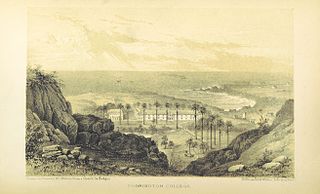
Codrington College, established by the Anglican Church and named after Christopher Codrington, was founded as part of the Church’s broader efforts to consolidate its presence in the Caribbean. Christopher Codrington, a former colonial governor, soldier, and academic, bequeathed his Barbadian estates to the Society for the Propagation of the Gospel with the intention of establishing a college. The goal was to educate future Anglican clergy and provide liberal education to the local population.
Located on a plantation in St. John, Barbados, the college became a pivotal institution for higher learning in the region. Its establishment addressed the acute need for educational infrastructure capable of supporting the island's socio-economic development. Codrington College played a significant role in cultivating intellectual thought and religious instruction, laying the groundwork for what would become a longstanding tradition of education in the Caribbean.
The college offered both theological and general education, quickly becoming notable for its curriculum. At its peak, Codrington College influenced various sectors of society by producing graduates who assumed leadership roles within the community, including the ecclesiastical, governmental, and educational sectors.
Statistically, the college’s impact can be seen in its enduring legacy as one of the oldest academic institutions in the Caribbean. This legacy is evident today in its continued operation and the broad alumni network that spans various influential positions in society.
#CodringtonCollege #BarbadosEducation #AnglicanChurch #ChristopherCodrington #CaribbeanHistory #MoofLife
View details1733
Thomas Harrison, a merchant based in Bridgetown, Barbados, founded Harrison College, a free school dedicated to the education of poor and indigent boys. Established with the intent of providing educational opportunities to those who lacked access due to economic constraints, Harrison College was a significant addition to the educational landscape of Barbados.
Harrison's background as a merchant gave him a strong understanding of the socio-economic divides in his community. By founding the school, he aimed to address the lack of educational resources available to underprivileged boys, allowing them to acquire essential knowledge and skills that could transform their futures. The school provided a curriculum designed to equip these young boys with both academic and practical skills necessary for their personal development and future employment.
The establishment of such an institution had broad implications for the island of Barbados. It marked a progressive step towards equal educational opportunities, a concept not widely recognized or practiced during that period. By offering free education, Harrison College not only improved the lives of countless boys but also contributed to the social and economic development of the island. Education served as a pathway out of poverty, enabling boys to improve their prospects and contribute positively to society.
Relevant statistics show that the school quickly became an important educational institution in Barbados. Its impact extended beyond just the students; it also influenced educational policies and priorities on the island.
Harrison College continues to be a prestigious educational institution, known for its commitment to academic excellence and social equity. This foundation laid by Thomas Harrison remains a cornerstone in the history of education in Barbados, illustrating the long-term positive effects of investing in education for all societal sectors.
#EducationForAll #BarbadosHistory #SocialEquality #ThomasHarrison #MoofLife
View details1675
In the context of Barbados's plantation economy, labor disparity grew as enslaved Africans constituted a sizable part of the workforce. They were primarily tasked with the grueling work required for sugar cultivation and processing. This situation gave rise to widespread discontent due to the harsh and inhumane conditions under which the slaves lived and worked, coupled with their desire for freedom.
The first recorded uprising among enslaved Africans in Barbados saw individuals rallying in an organized effort to resist their oppressors. The rebellion was orchestrated as a strategic revolt, demonstrating the slaves' capacity to coordinate and challenge the existing power structures. While the insurrection was ultimately suppressed, its occurrence had considerable reverberations.
Plantation owners and colonial authorities responded to this rebellion by reinforcing security measures and further restricting the freedoms of enslaved Africans, leading to the imposition of stricter laws and harsher penalties. Such measures were intended to prevent future revolts and maintain the dominance of the slave-owning class.
The direct impact of the rebellion laid the groundwork for a more rigorous and oppressive regime, as the fear it incited among the slaveholders highlighted the potential for resistance. This moment also marked the beginning of a historical legacy of resistance against the institution of slavery in the Caribbean and the broader Atlantic World.
The uprising is a crucial episode reflecting the resilience and determination of enslaved Africans in their struggle against oppression. It serves as an early indication of the broader resistance movements that would continue to emerge over the following centuries.
#MoofLife #Barbados #SlaveRebellion #ColonialHistory #Resistance #HumanRights
View details1671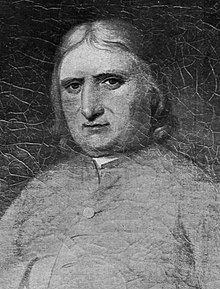
George Fox, the founder of the Religious Society of Friends, commonly known as Quakers, made an influential visit to Barbados. This event significantly impacted the religious landscape of the island. Fox, born in England, had established a burgeoning religious movement emphasizing direct, personal experience of God through inward revelation, rather than through the intermediation of clergy.
Despite initial resistance due to Quaker opposition to traditional church hierarchies and practices, Fox's visit provided momentum for the spread of Quaker beliefs in the Caribbean. The island's religious practices were traditionally dominated by Anglicanism, but Fox’s teachings promoted values such as simplicity, peace, integrity, and equality, which resonated with a segment of the population.
Fox conducted a series of meetings and public discourses, emphasizing the Quaker practice of silent worship and the idea that spiritual insight could come to anyone. His speeches challenged the rigid, hierarchical norms of the time by promoting the idea that God’s light existed within every person.
As a direct result of Fox's visit, several Barbadian residents converted to Quakerism, contributing to a gradual but noticeable shift in the religious practices on the island. This added a layer of religious diversity to the community, that complemented Barbados' existing spiritual landscape. Fox’s teachings also had social implications beyond religious practices, as they questioned established authority figures and promoted social justice ideals.
#MoofLife #GeorgeFox #Quakerism #ReligiousHistory #Barbados
View details1668
In an event of devastating magnitude, the Bridgetown Magazine, a vital storage site for gunpowder and other explosives, detonated unexpectedly. This explosion ignited a fire that swiftly spread throughout Bridgetown, a major urban center in Barbados. The conflagration consumed approximately 80% of the town's structures, leading to the destruction of 800 homes. This catastrophic event significantly disrupted the day-to-day lives of the residents, causing not only extensive property damage but also loss of livelihood and shelter.
The Bridgetown Magazine served as the central repository for the colony's munitions, emphasizing its strategic importance. Its obliteration meant that any efforts to combat the ensuing blaze were severely hindered, as essential firefighting resources were lost in the initial explosion. The urban landscape of Bridgetown, with its closely-packed wooden buildings, facilitated the rapid spread of flames, leaving little time for evacuations and safeguarding of possessions.
In the aftermath, the community faced substantial challenges in rebuilding. With the majority of the town in ruins, there was an immediate need for reconstruction and aid. Social and economic activities were also severely interrupted, impacting trade and daily life. The importance of establishing better safety measures for storage of combustible materials became a critical lesson from this tragic episode.
The Bridgetown fire remains a historical marker in the history of Barbados, highlighting the vulnerability of urban settlements to fire and the profound impacts of such disasters on colonial communities.
#History #Barbados #UrbanFire #ColonialHistory #Disasters #Resilience #CommunityImpact #MooofLife
View details1660
During the mid-17th century, Barbados experienced a pivotal transformation in its labor system. Initially, the island's burgeoning sugar plantations relied heavily on white indentured laborers. These individuals, primarily from the British Isles, worked under contracts that bound them to service for a specified period in exchange for passage to the New World, room, and board.
Over time, plantation owners faced challenges with the white indentured labor force, including high mortality rates due to tropical diseases, escape, and the expiration of contracts which demanded continuous recruitment. Consequently, the planters began to shift toward utilizing African slaves as a labor force. This transition was driven by several factors: the availability of slaves due to the burgeoning transatlantic slave trade, the perception of African slaves as more resilient to the island's climate, and the perpetual, inheritable nature of chattel slavery which provided a more stable, long-term workforce.
The shift had widespread implications. Economically, it bolstered the profitability of the sugar industry, positioning Barbados as a leading sugar producer and thereby increasing its significance within the British Empire. Demographically, the population of the island transformed dramatically. The influx of African slaves led to a majority population of African descent, which significantly altered the social and cultural landscape of Barbados.
As opportunities in Barbados declined for white indentured laborers, many migrated to other British territories in the Caribbean, the Carolinas, and beyond, seeking new opportunities and more favorable working conditions.
This transition marked a critical point in the history of Barbados, deeply embedding African slavery into its economic, social, and cultural fabric, with long-lasting repercussions that would resonate for centuries to come.
#BarbadosHistory #LaborShift #ColonialEconomy #AfricanDiaspora #IndenturedLabor #TransatlanticSlaveTrade #MoofLife
View details1652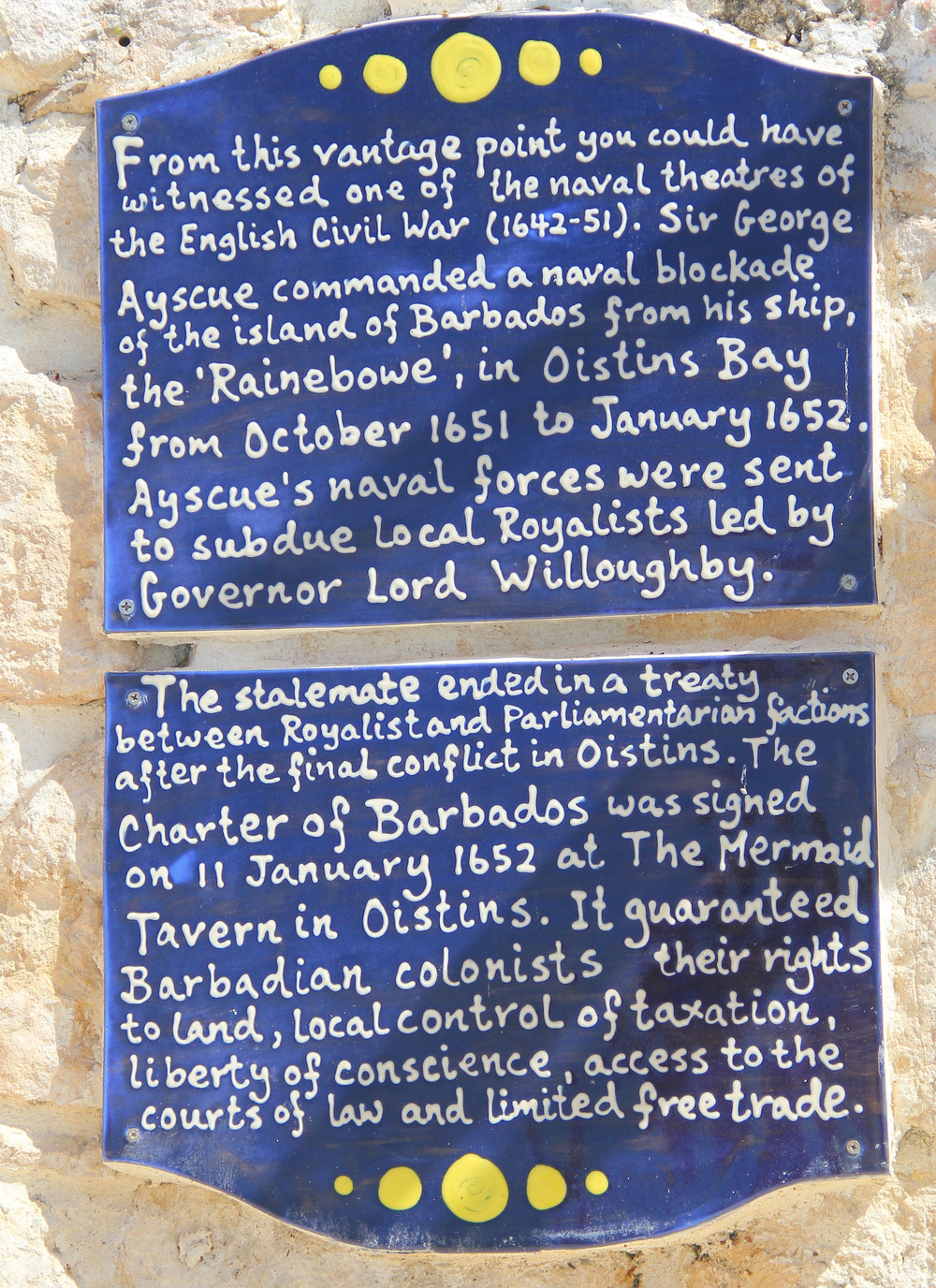
In the early colonial period, the island of Barbados played a crucial role in the Atlantic economy, primarily through the production of sugar by a workforce comprising predominantly of enslaved Africans. Tensions ran high between the English Crown and the local colonial governance, leading to significant disputes over political and religious authority.
Amidst these tensions, the Treaty of Oistins, also known as the Barbados Charter, was signed in the settlement of Oistins. This treaty marked an agreement between the forces loyal to the English Commonwealth government and the local planters. The documents confirmed the authority of the Barbados Assembly, a legislative body of local planters and influential figures on the island. This acknowledgment was significant because it recognized the island's self-governance, setting a precedent for colonial legislative autonomy within the British Empire.
One of the most critical aspects of the treaty was the provision granting liberty of conscience. This clause allowed individuals on the island to practice their faiths without persecution, establishing an early form of religious tolerance in the English colonies. The liberty of conscience clause was particularly influential, given the religious upheavals and conflicts that characterized England during this period, including the tensions between Protestant and Catholic factions.
The treaty had substantial implications for the political structure of Barbados and set a pattern for power-sharing between colonial assemblies and the Crown that would echo throughout the British Empire. It highlighted the growing power and influence of colonial assemblies and their role in local governance, laying the groundwork for future colonial resistance to Imperial control.
Furthermore, the provision for religious freedom was a step towards a more inclusive society, allowing for a variety of religious practices and contributing to the cultural and social dynamics of the colony.
#MoofLife #ColonialHistory #BarbadosCharter #SelfGovernance #ReligiousTolerance
View details1640
Barbados, an island in the Caribbean, underwent a pivotal transformation when sugar cultivation was introduced. Originally utilized for tobacco and cotton, the island's agriculture shifted dramatically with the introduction of sugar cane. This crop quickly became the mainstay of Barbados’s economy, due to the high European demand for sugar and its derivatives.
The cultivation and processing of sugar required significant investment and labor. Plantation owners soon established large sugar estates, importing enslaved Africans to meet the labor demands. The reliance on enslaved labor altered the demographic and social structure of the island, leading to a society deeply divided along racial and class lines. By the mid-17th century, the number of enslaved Africans had surged, with estimates indicating that they outnumbered the European settlers substantially.
Economically, sugar brought immense wealth to the island, transforming it into one of the wealthiest colonies in the British Empire. The profits from sugar exports facilitated the construction of grand plantation homes and contributed to the development of Bridgetown, the capital. The economic boom also attracted more Europeans to the island, increasing its population and further entrenching its economic reliance on sugar and slavery.
The environmental impact of widespread sugar cultivation was significant. Large swaths of the island's natural vegetation were cleared to make way for sugar cane fields, leading to deforestation and changes in the island’s landscape. Additionally, the intensive farming practices influenced soil fertility and water resources.
In summary, the shift to sugar cultivation in Barbados catalyzed profound economic, social, and environmental changes. The wealth generated from sugar altered the island's collective fortunes, while the heavy reliance on enslaved labor laid the foundations for deep social divisions. The changes in land use and intensive agriculture had lasting environmental impacts, marking a turning point in the island’s history.
#BarbadosHistory #SugarEconomy #Slavery #AgricultureTransformation #MoofLife
View details1639
In the early colonial era of Barbados, the House of Assembly convened for the first time. This gathering marked the inception of parliamentary governance on the island. The assembly was composed of sixteen representatives, all landowners, who were elected to govern local affairs and represent the interests of their constituencies. These representatives were crucial in establishing a framework for legislative processes and self-governance within the colony.
The representatives who formed this initial assembly were tasked with addressing the needs and concerns of the plantation owners who were the primary economic stakeholders at the time. This move towards structured legislative governance was significant in promoting political organization and decision-making. It allowed for the implementation of local laws and regulations that were better suited to the island's context than those imposed by the distant British Crown.
The impact of this inaugural meeting was far-reaching, setting a precedent for democratic governance in Barbados. It laid the foundation for the development of a more organized and self-sufficient colony, capable of managing its own affairs. This early form of parliament played a critical role in shaping the political and social landscape of Barbados, influencing its trajectory towards becoming a stable and autonomous society.
From an administrative perspective, the creation of the House of Assembly fostered a sense of local responsibility and civic engagement among the island's ruling class. By involving the landowners in governance, it also helped to address various economic and social issues more efficiently. The existence of a formal legislative body allowed for more systematic and predictable governance, essential for the colony's growth and prosperity.
This initial gathering of the House of Assembly represents a pivotal point in Barbadian history, reflecting the colony's evolving political consciousness and quest for self-governance. It illustrates the early steps taken towards establishing a functional and autonomous governing system, which would continue to develop and adapt over the ensuing centuries.
#BarbadosParliament #ColonialGovernance #BarbadianHistory #CivicEngagement #MoofLife
View details1628
Governor Charles Wolferstone initiated the founding of a settlement at Bridgetown, thereby shifting the capital from Jamestown. Prior to this move, Jamestown functioned as the administrative center of the island. Wolferstone's decision was based on several strategic advantages that Bridgetown offered, including its superior harbor facilities which promised to bolster trade and security. Upon establishment, Bridgetown quickly became the focal point for governance and commercial activities.
The relocation had immediate impacts on the infrastructure developments. Roads, warehouses, and other critical facilities were swiftly constructed to accommodate the new capital's needs. The move also attracted a surge of settlers and merchants, increasing the population and economic activity in Bridgetown. This change ensured better coordination and consolidation of colonial administration and trade operations, enhancing the island's overall growth.
Historians note that the move helped fortify the island against external threats and integrated Bridgetown into the broader colonial trade network, making it an essential hub. The systematic development of urban structures in Bridgetown marked the beginning of more organized urban planning on the island.
#MoofLife #BarbadosHistory #ColonialCapital #Bridgetown
View details1627
Charles I granted proprietary rights of Barbados to William Courteen in a move that significantly impacted the island's development. The decision transferred control over the island from the Crown to a private individual, Courteen, who was a prominent merchant and financier. This grant allowed Courteen to establish a private colony, influencing the economic and social structure of Barbados.
Before this grant, Barbados had seen European contact but limited settlement. The move by Charles I aimed to promote colonization and help extend British influence in the Caribbean. William Courteen took the opportunity to send settlers to Barbados, establishing plantations that would come to rely heavily on enslaved African labor.
This arrangement set the stage for the island’s integration into the Atlantic economy, particularly through sugar production. As plantations grew, the demand for labor also increased, leading to the forced importation of enslaved Africans. This shaped the demographic and social fabric of Barbados, with long-term implications for its culture and economy.
Courteen's proprietary rights laid the groundwork for the island’s later development as a colony with a plantation economy based on slave labor. This shift was crucial in establishing Barbados as a significant exporter of sugar and other commodities, which had a lasting impact on its economy and social structures.
#BarbadosHistory #Colonialism #AtlanticTrade #PlantationEconomy #CaribbeanHistory #MoofLife
View detailsCaptain Henry Powell arrived with 80 English settlers and 10 African slaves, marking the establishment of the first permanent European settlement at Jamestown, now known as Holetown, in Barbados. This event initiated the British colonial era in Barbados, leading to significant socioeconomic changes on the island.
The new settlers aimed to exploit the fertile land for agricultural purposes, particularly focusing on growing tobacco, cotton, and later, sugar cane. The arrival of African slaves set a precedent for the enforced labor system that would characterize the colony’s development. These laborers were tasked with the physically demanding work required for the plantation economy.
The introduction of a plantation economy by the European settlers reshaped the demographic and social makeup of Barbados. Africans, brought to the island against their will, became an integral part of the labor force, although under harsh and inhumane conditions. This dynamic laid the foundation for long-term racial and social hierarchies.
The settlement at Jamestown represented a crucial point in the history of Barbados, influencing the island’s development into a major center for sugar production and the transatlantic slave trade. The socioeconomic structures set up during this period had long-lasting effects on the island’s population and culture.
#MoofLife #BarbadosHistory #ColonialBarbados #AfricanDiaspora #PlantationEconomy
View details1625
John Powell, an English captain, made landfall on the island of Barbados. Upon arrival, he declared the island for King James I of England. This action marked the beginning of English colonial presence in the Caribbean. The claim was part of wider English efforts to expand territory and influence in the region, motivated by economic interests such as the pursuit of fertile lands for sugar plantations and other cash crops.
Powell’s actions at Barbados followed the trend of European powers seizing control of territories in the Americas. His claim set the stage for the migration of settlers and the establishment of plantations. The cultivation of sugarcane over time turned into a profitable enterprise contributing significantly to the English economy.
The English settlement in Barbados led to the importation of African slaves, who were forced to work on the plantations under brutal conditions. The transatlantic slave trade played a crucial role in maintaining these plantations and enabled the economic success of the colony.
The claim of Barbados by John Powell marks an important historical event, setting into motion changes that would impact the demographics, economy, and social structure of the island. Barbados became one of the centers of the triangular trade, linking Europe, Africa, and the Americas.
Hashtags such as #MoofLife, #BarbadosHistory, #Colonialism, #TransatlanticSlaveTrade, #KingJamesI can be used to highlight the key themes associated with this event.
View details1541
Alonzo de Santa Cruz, a Spanish commentator, documented in his writings that the island of Barbados was uninhabited by the time he made his reference. This observation is vital because it provides a glimpse into the demographic state of Barbados during that period. Santa Cruz's comment implies that any original inhabitants had disappeared or relocated by the time his documentation occurred.
The Arawak and Carib people had initially populated the Caribbean islands, including Barbados. Various factors, such as disease, warfare, enslavement, or migration, possibly led to the island being vacated by its native population. Cruz’s reference to the former inhabitants in the past tense indicates a significant demographic change that had occurred, leaving the island without any permanent human settlement.
Barbados was later colonized by the British in the 17th century, establishing it as a significant plantation economy focused on the production of sugar. The plantation system introduced a dramatic demographic shift due to the importation of African slaves, which transformed the island’s population composition.
Santa Cruz's remark is a crucial historical point that highlights the effects of European contact and the transformative period leading up to colonization. It implies a transitional phase in Barbados' history from an inhabited land by indigenous peoples to an uninhabited territory that later attracted European colonial interests.
#MoofLife #BarbadosHistory #IndigenousPeoples #ColonialEra #HistoricalChange #DemographicShift
View details