Foundation of Constantinople by Emperor Constantine for ultimate rule.
Turkey

Cultural
4 min read
Updated By: History Editorial Network (HEN)
Published:
The foundation of Constantinople by Roman Emperor Constantine the Great marked a significant milestone in Roman history. The strategic location of the new city, situated between Europe and Asia, served as a bridge between the East and the West.
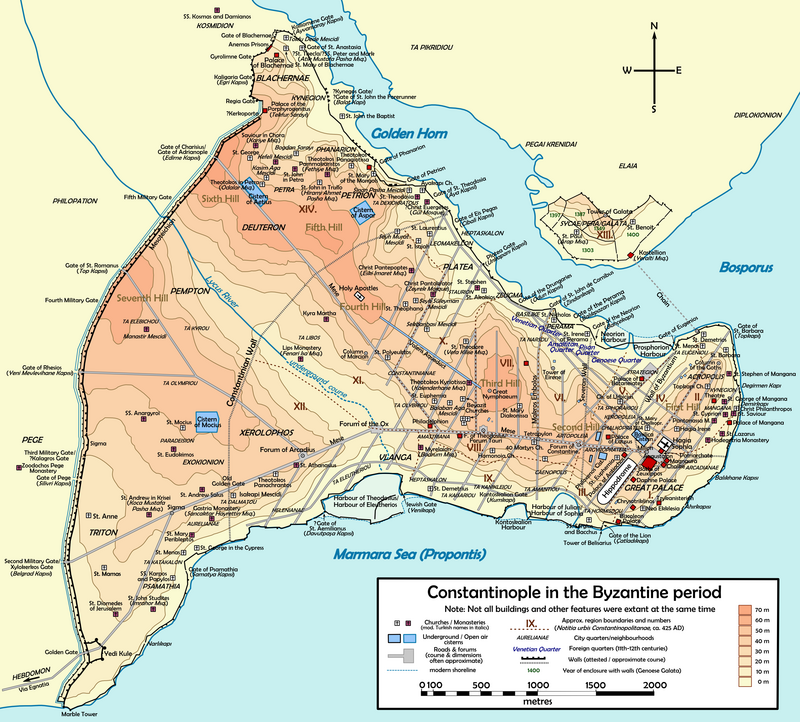
Constantinople was chosen as the new capital of the Roman Empire due to its advantageous position, guarding the entrance to the Black Sea and controlling key trade routes. The city was meticulously planned, featuring impressive architecture, such as the Hippodrome and the Hagia Sophia, which showcased the wealth and power of the empire.
The establishment of Constantinople had a profound impact on the Roman Empire. It became a center of politics, commerce, and culture, attracting people from all corners of the empire. The city's prosperity and grandeur earned it a reputation as the 'New Rome,' eventually surpassing the original Rome in terms of importance and influence.
Constantinople served as the heart of the Byzantine Empire for over a millennium, preserving and transmitting the knowledge and legacy of the ancient world to future generations. The city stood as a bastion of Christianity, with the Hagia Sophia becoming one of the most iconic symbols of the faith.
The foundation of Constantinople by Constantine the Great not only reshaped the geopolitical landscape of the Roman Empire but also left a lasting legacy that continues to resonate in modern-day Istanbul. The city's rich history and cultural heritage make it a fascinating destination for those interested in exploring the intersection of East and West.
#Constantinople #RomanEmpire #ConstantineTheGreat #ByzantineEmpire #HagiaSophia #Istanbul #Legacy

Explore the Life Moments of
 AI Twin