Victory at Battle of Nineveh Secures Anatolia
Turkey
Political
4 min read
Updated By: History Editorial Network (HEN)
Published:
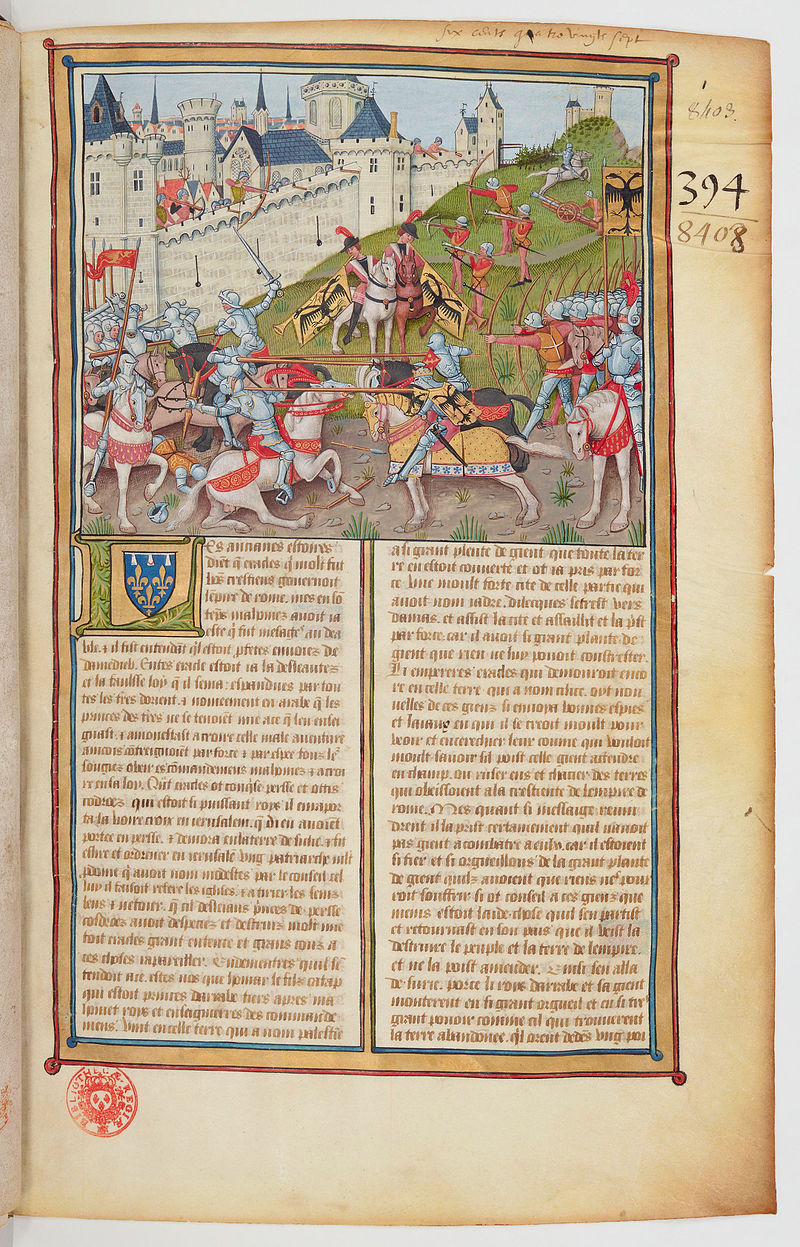
In the 7th century, the Byzantine Empire, led by Emperor Heraclius, faced the Sassanid Persians in a decisive battle near Nineveh, securing control over Anatolia. The Byzantines had been in a long-standing conflict with the Sassanids, vying for dominance in the region. The battle of Nineveh marked a turning point in this struggle as Heraclius led his forces to a significant victory.
Heraclius had faced multiple defeats against the Sassanids in previous battles, but his strategic brilliance and determination turned the tides in his favor at Nineveh. The Byzantine army, despite being outnumbered, employed innovative tactics that caught the Persians off guard. The defeat of the Sassanids at this battle weakened their hold on Anatolia and allowed Heraclius to reclaim lost territories.
The victory at Nineveh had far-reaching implications for the Byzantine Empire and the region as a whole. It not only secured Byzantine control over Anatolia but also dealt a significant blow to the Sassanid Empire, paving the way for its eventual decline. The Byzantines were able to consolidate their power in the area and strengthen their position against external threats.
The Battle of Nineveh was a defining moment in the history of the Byzantine Empire, showcasing the military prowess and strategic acumen of Emperor Heraclius. It reshaped the political landscape of Anatolia and solidified Byzantine influence in the region for years to come.
#ByzantineEmpire #SassanidPersians #BattleofNineveh #Anatolia #Heraclius

Explore the Life Moments of
 AI Twin