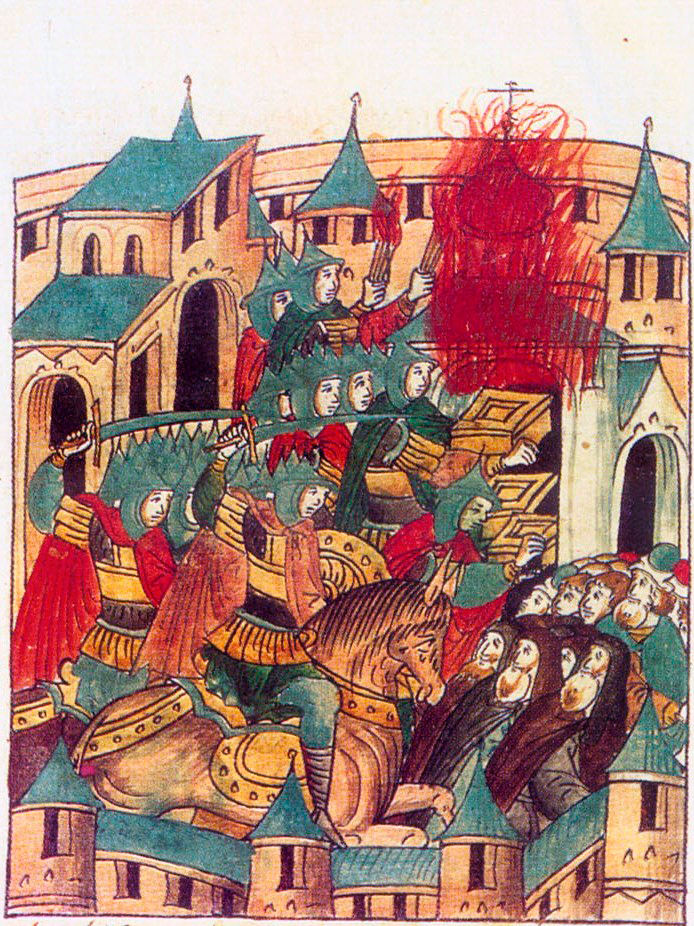
Mongol Invasion: Capture of Seljuk Capital Iconium
Turkey
Political
4 min read
Updated By: History Editorial Network (HEN)
Published:
In 1243, the Mongol invasion of Anatolia, commanded by the Mongol general Baiju, resulted in the seizure and plundering of Iconium, the capital of the Seljuk Sultanate of Rum, located in present-day Konya, Turkey. The invasion emerged during the decline of the Seljuk Empire, weakened by internal strife and external threats.
The Mongol incursion into Anatolia was a consequence of the Mongol expansion under the unified Mongol Empire, seeking to conquer new territories and establish authority over the region. Baiju's forces, skilled in warfare and tactics, overwhelmed the Seljuk defenders, leading to the fall of Iconium. The siege and subsequent sack of the city marked a pivotal event in the history of Anatolia, disrupting the political landscape of the region.
The capture of Iconium by the Mongols had far-reaching consequences, impacting the Seljuk Sultanate of Rum and reshaping the power dynamics in Anatolia. The defeat of the Seljuks at the hands of the Mongols accelerated the disintegration of the Sultanate, paving the way for the rise of new Turkish beyliks and the eventual emergence of the Ottoman Empire.
The Mongol invasion of Anatolia under Baiju underscores the intricate interplay of political, military, and cultural forces in the medieval era, demonstrating the shifts in power and the fluidity of borders in the region. The event serves as a reminder of Anatolia's turbulent past and the enduring legacy of Mongol conquests in shaping the course of history.
#MongolInvasion #Anatolia #Iconium #SeljukEmpire #Baiju #Konya #TurkishHistory #MedievalConflict #OttomanEmpire

Explore the Life Moments of
 AI Twin