Religious Conflict Emerges in Byzantine Empire under Emperor Leo III
Turkey
Religious
4 min read
Updated By: History Editorial Network (HEN)
Published:
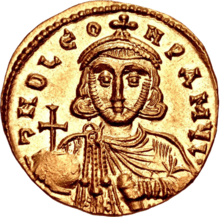
In 726, the Byzantine Empire witnessed the onset of the Iconoclasm Controversy under Emperor Leo III. This religious conflict centered on the veneration of religious icons and escalated tensions within the empire.
Emperor Leo III, influenced by his interpretation of Christian teachings, deemed the use of icons in religious worship as idolatrous. This declaration sparked outrage among many Byzantines who viewed icons as essential elements of their faith and a link to the divine. The controversy divided the population, leading to widespread unrest and even violence between iconoclasts and iconophiles.
The Iconoclasm Controversy had profound consequences for the Byzantine Empire. It created deep rifts within society, pitting religious factions against each other. The controversy also strained relations between the Byzantine Empire and the Pope in Rome, as the papacy staunchly opposed iconoclasm. The rift ultimately contributed to the Great Schism between the Eastern Orthodox Church and the Roman Catholic Church in 1054.
Emperor Leo III's enforcement of iconoclasm led to the destruction of numerous religious icons and artworks, causing irreparable damage to the cultural heritage of the Byzantine Empire. Despite the controversy persisting for over a century, with periods of iconoclasm and icon veneration alternating, the lasting impact of the conflict reshaped the religious and political landscape of the Byzantine Empire.
The Iconoclasm Controversy marks a pivotal moment in Byzantine history, highlighting the intricate interplay between religion, politics, and culture. Its legacy endures in the religious practices and artistic traditions of the Eastern Orthodox Church, reflecting the enduring influence of this tumultuous period in Byzantine history.
#IconoclasmControversy #ByzantineEmpire #LeoIII #ReligiousConflict #CulturalHeritage #Turkey

Explore the Life Moments of
 AI Twin