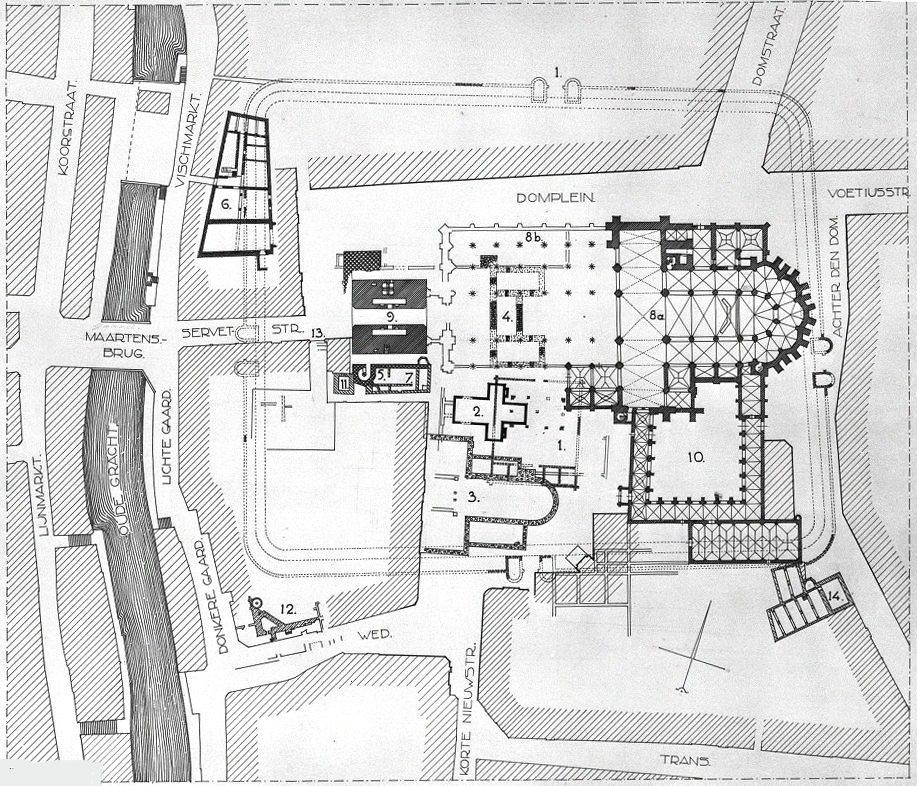
Construction of Roman Fort Traiectum {Utrecht}
Netherlands
Military
4 min read
Updated By: History Editorial Network (HEN)
Published:
In ancient Netherlands, the Roman Empire strategically constructed the fort of Traiectum in what is now Utrecht, during their expansion northward. Positioned along the Rhine River, the fort played a pivotal role in controlling trade routes and protecting the empire's borders.
The fort of Traiectum was built with meticulous planning and precision, following a typical Roman military design - rectangular shape, with large defensive walls and a layout that included barracks, stables, granaries, and a headquarters building. This structure exemplified Roman engineering expertise and reflected their commitment to establishing a strong military presence in the region.
The impact of the construction of Traiectum was profound, not only in terms of military strategy but also in shaping the future development of the area. The fort facilitated the Romanization of the local population, introducing new technologies, architecture, and cultural practices to the region. It also served as a hub for trade and commerce, contributing to the economic growth of the surrounding settlements.
Over time, Traiectum evolved into a thriving civilian settlement, laying the foundation for the city of Utrecht. The fort's strategic location continued to be of significance in subsequent centuries, with various rulers and empires recognizing its strategic importance and seeking to control it.
The construction of the Roman fort of Traiectum in ancient Utrecht symbolizes the intersection of military power, cultural exchange, and urban development in the region. Its legacy lives on in the architectural remnants and historical records that offer a glimpse into the Roman presence in the Netherlands and its lasting impact on the local landscape.
#RomanEmpire #MilitaryStrategy #CulturalExchange #Utrecht #Netherlands
Primary Reference
https://archive.org/stream/NEW_1/NEW.txt&sa=U&ei=dbWhU_r0ELLY

Explore the Life Moments of
 AI Twin