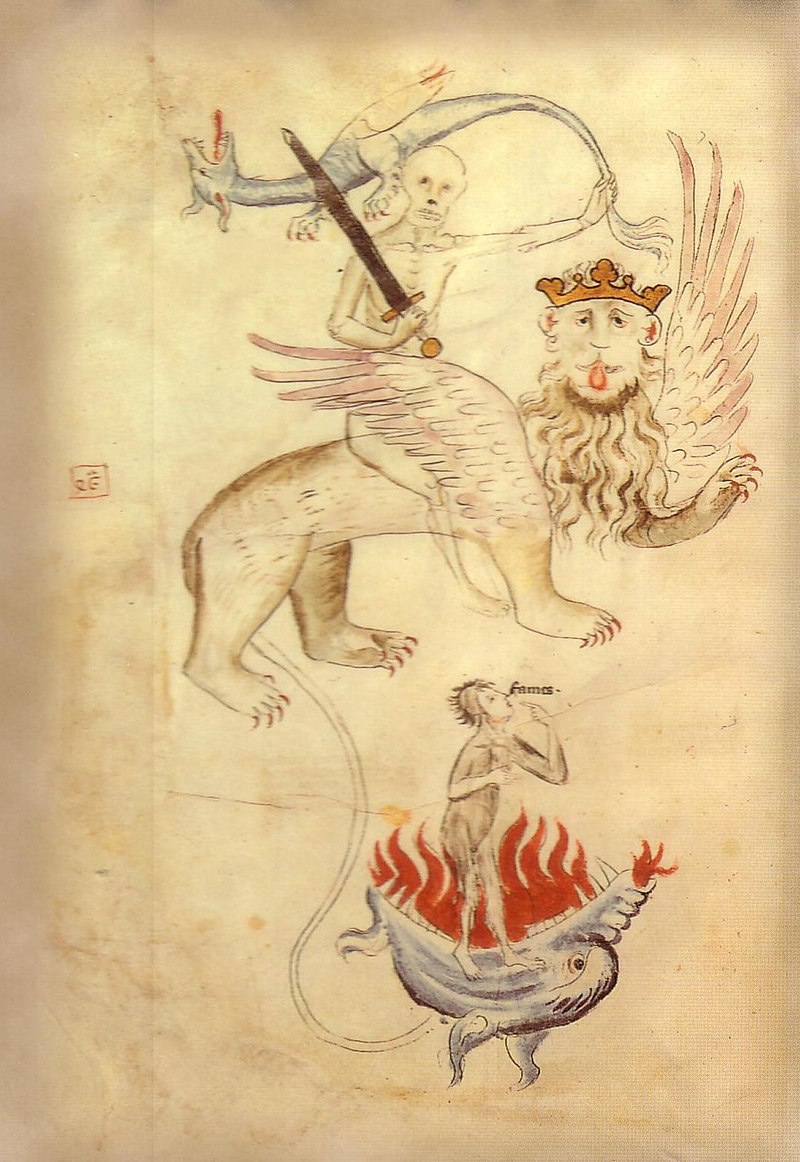
Impact of European Famine on Dutch Population
Netherlands
Climate Change
4 min read
Updated By: History Editorial Network (HEN)
Published:
The Great European famine of 1315 brought widespread suffering to the inhabitants of the Netherlands. The event was triggered by a combination of climate change and consecutive crop failures, leading to a scarcity of food resources essential for survival. The Netherlands, heavily reliant on agriculture, faced immense challenges as fields yielded insufficient harvests. With the scarcity of staple crops like wheat and oats, food prices soared, making it unaffordable for many.
The impact of the famine was profound and far-reaching. Communities across the Netherlands struggled to find sustenance, leading to widespread hunger and malnutrition. The most vulnerable, such as the elderly and children, suffered the most as resources dwindled. The lack of food also meant weakened immune systems, making the population more susceptible to diseases. The social fabric of the Netherlands was strained as desperation grew, leading to civil unrest and a decline in overall well-being.
Local authorities and charitable organizations tried to alleviate the suffering by distributing aid and organizing relief efforts. However, the scale of the famine stretched resources thin, making it challenging to reach all those in need. The population of the Netherlands faced a harsh reality as they grappled with the consequences of the prolonged food shortage.
In the aftermath of the Great European famine, the Netherlands experienced a period of recovery and resilience-building. Lessons learned from the disaster led to advancements in agricultural practices and food storage techniques to prevent similar crises in the future. The event served as a stark reminder of the fragility of food systems in the face of environmental challenges.
#Netherlands #GreatEuropeanFamine #ClimateChange #CropFailures #Resilience
Primary Reference
Great Famine of 1315–1317 - Wikipedia

Explore the Life Moments of
 AI Twin