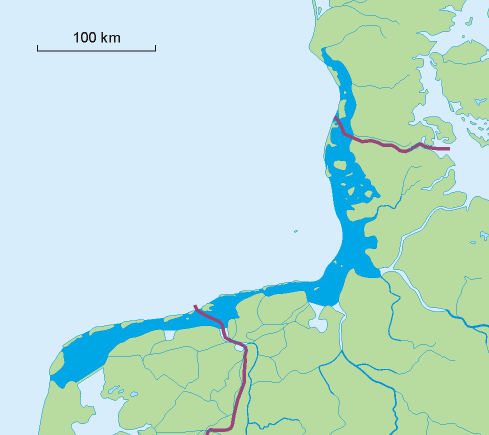
Formation of the Wadden Sea
Netherlands

Natural Disaster
4 min read
Updated By: History Editorial Network (HEN)
Published:
The St. Martin's Day Flood, which resulted in the formation of the Waddenzee in the Netherlands, was a devastating natural disaster caused by a combination of a severe storm and a high tide. The flood led to the breaching of dikes in multiple locations, causing widespread inundation of low-lying areas in the northern regions of the country.
The impact of the flood was substantial, resulting in the loss of thousands of lives and significant damage to property and infrastructure. Entire villages were submerged, crops were destroyed, and livestock perished. The economic consequences were dire, as the affected regions were key agricultural areas.
In the aftermath of the disaster, the decision was made to not only repair the damaged dikes but also to adapt the landscape to prevent similar catastrophic events in the future. As a result, the Waddenzee, a unique coastal wetland area, was formed. This new body of water provided a buffer zone that helped protect the inland areas from future storm surges.
The formation of the Waddenzee had a lasting impact on the region, leading to changes in the local ecosystem and creating new opportunities for marine life and bird populations. The area became recognized for its ecological importance, eventually being designated as a UNESCO World Heritage Site.
The St. Martin's Day Flood serves as a reminder of the ongoing challenges that the Netherlands faces in managing its relationship with water. It highlights the importance of effective water management strategies and the need to continuously adapt to the threats posed by climate change and rising sea levels.
#StMartinsDayFlood #WaddenzeeFormation #NetherlandsHistory #NaturalDisaster #WaterManagement
Primary Reference
Storm tides of the North Sea - Wikipedia

Explore the Life Moments of
 AI Twin