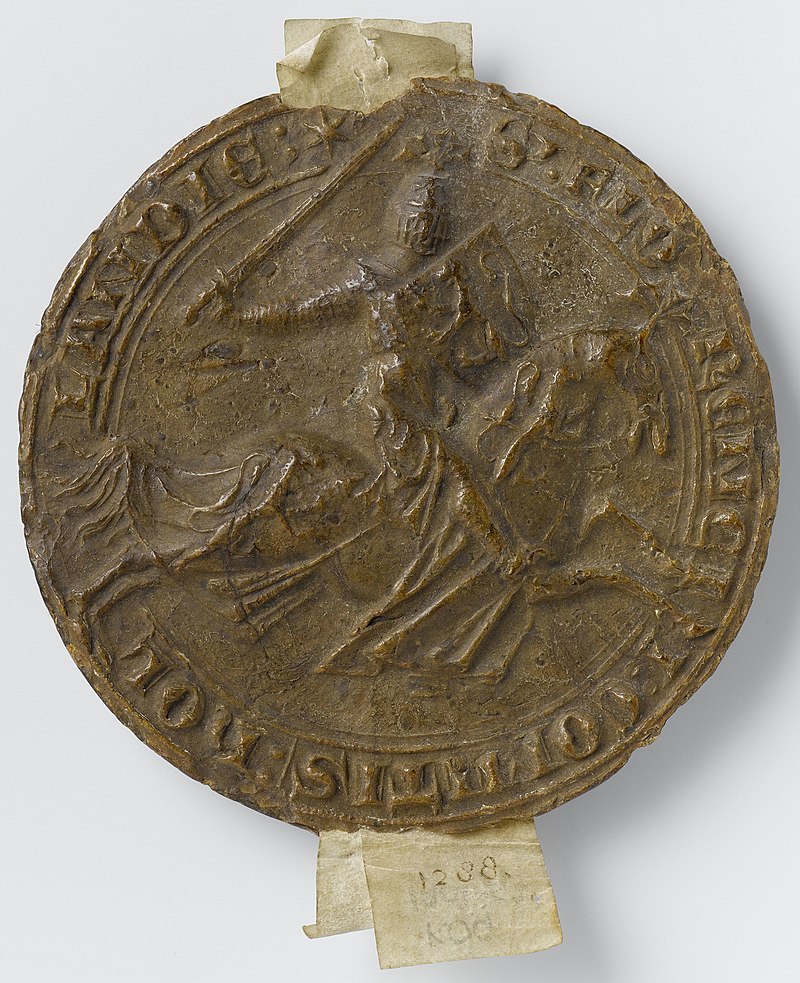
Murder of Count Floris V by dissatisfied nobles
Netherlands

Political
4 min read
Updated By: History Editorial Network (HEN)
Published:
Floris V, the Count of Holland, known for his centralization policies, faced resistance from discontented nobles. They felt oppressed by his efforts to consolidate power and diminish their influence. The fractious relationship reached a breaking point when Floris V was slain by a group of nobles.
His death had significant repercussions. It left a power vacuum in Holland and destabilized the region. The murder of a reigning noble by other nobles was a rare and shocking occurrence, sparking fear and uncertainty among the populace. The assassination also highlighted the underlying tensions and rivalries within the noble class, exposing the fragility of the political landscape.
With Floris V's demise, his centralization policies were thrown into disarray. The progress he had made towards a more unified and centralized government was now in jeopardy, as his successors faced challenges in maintaining control over the discontented nobility. The event marked a setback for the consolidation of power in Holland and posed a threat to the stability and governance of the region.
In the aftermath of Floris V's murder, Holland plunged into a period of turmoil and upheaval as competing factions vied for control. The vacuum left by his death led to further power struggles and conflicts, shaping the future trajectory of the region. The event served as a cautionary tale of the dangers of centralized authority and the risks associated with challenging the established order.
#FlorisV #CountofHolland #murder #centralizationpolicies #nobles #Netherlands
Primary Reference
The Netherlands in a Nutshell: Highlights from Dutch History and ...

Explore the Life Moments of
 AI Twin