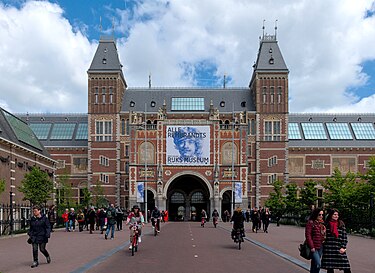
Inauguration of Rijksmuseum: Dutch art and history spotlighted
Netherlands

Culture
Arts
4 min read
Updated By: History Editorial Network (HEN)
Published:
The Inauguration of the Rijksmuseum in Amsterdam marked a significant milestone in the preservation and showcasing of Dutch art and history. The museum, designed by architect Pierre Cuypers, was established to house the national collection of artworks and historical artifacts.
Featuring a stunning combination of Gothic and Renaissance architecture, the Rijksmuseum became a symbol of national pride and cultural heritage for the Netherlands. The grand inauguration ceremony was attended by royalty, dignitaries, and esteemed members of society, highlighting the importance of the museum in Dutch cultural life.
The museum's collection, which includes masterpieces by renowned Dutch artists such as Rembrandt, Vermeer, and Van Gogh, offers visitors a comprehensive view of the country's artistic legacy. The opening of the Rijksmuseum provided a platform for these treasures to be admired and studied by art enthusiasts and scholars from around the world.
With its extensive collection of paintings, sculptures, decorative arts, and historical objects, the Rijksmuseum continues to be a major cultural institution that attracts millions of visitors annually. Its mission to promote Dutch art and history remains steadfast, solidifying its position as a premier destination for cultural exploration and education.
Overall, the inauguration of the Rijksmuseum in Amsterdam was a momentous occasion that celebrated the rich artistic heritage of the Netherlands and established the museum as a cultural beacon for generations to come.
#Rijksmuseum #DutchArt #CulturalHeritage #Amsterdam
Primary Reference
Rijksmuseum - Wikipedia

Explore the Life Moments of
 AI Twin