Treaty ending French-Spanish war impacts Netherlands
Netherlands
Political
3 min read
Updated By: History Editorial Network (HEN)
Published:
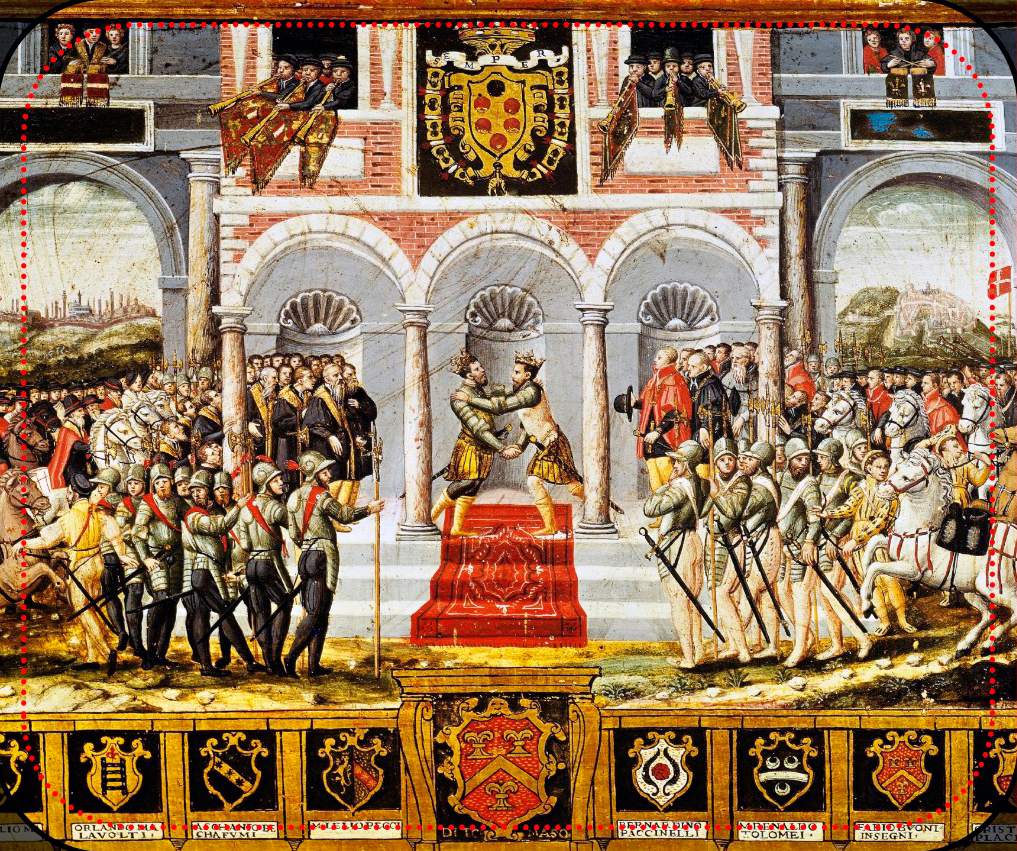
In 1559, the Treaty of Cateau-Cambrésis was signed, ending the war between France and Spain. This significant event had a profound impact on the Netherlands, which was caught in the crossfire of the Franco-Spanish conflict.
The Netherlands, then known as the Low Countries, was a strategic region coveted by both France and Spain due to its wealthy trade networks and economic prosperity. The war had ravaged the Dutch lands, causing immense suffering and economic turmoil.
With the signing of the Treaty of Cateau-Cambrésis, the peace brought a sense of relief to the Netherlands. The terms of the treaty defined new boundaries and spheres of influence between France and Spain, effectively ending their hostilities in the region.
The treaty also marked the beginning of the Dutch Revolt against Spanish rule, as the Netherlands sought to break free from the oppressive control of King Philip II. This conflict would eventually lead to the Eighty Years' War and the eventual independence of the Dutch Republic.
Overall, the Treaty of Cateau-Cambrésis was a turning point in the history of the Netherlands. It set the stage for the Dutch struggle for independence and shaped the political landscape of the region for years to come.
#TreatyofCateauCambresis #NetherlandsHistory #FrancoSpanishWar #DutchRevolt
Primary Reference
Treaty of Cateau-Cambrésis (1559) - Wikipedia
Explore the Life Moments of
 AI Twin