Beginning of the Dutch Golden Age
Netherlands

CulturalFlourishing
4 min read
Updated By: History Editorial Network (HEN)
Published:
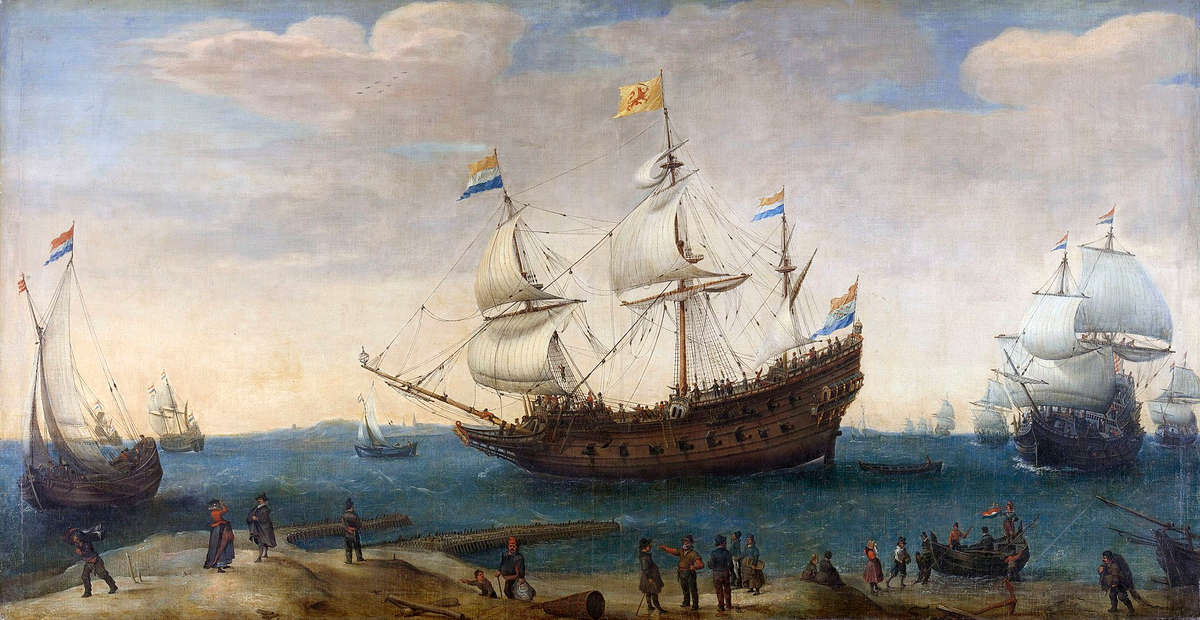
During the 16th century, the Dutch Republic marked the beginning of its Golden Age. A truce had ended the war and brought stability to the region, prompting a surge in economic growth. The Dutch East India Company was established, allowing Dutch merchants to establish trade routes with Asia. This move catapulted Amsterdam into a major financial center in Europe, attracting merchants, artists, and intellectuals.
The impact of this era was immense, as the Dutch Republic became a hub of innovation and creativity. The flourishing economy allowed for a thriving art scene, with artists like Rembrandt and Vermeer producing masterpieces that still captivate audiences today. Scientific advancements were also made during this time, with figures like Antonie van Leeuwenhoek making breakthroughs in microscopy.
The Dutch Golden Age was characterized by a strong sense of national identity and pride. The Dutch people embraced their newfound independence and worked together to create a prosperous society. This period also saw the rise of democratic values, as the Dutch Republic implemented a decentralized system of government that granted power to local authorities.
The legacy of the Dutch Golden Age is still evident in the Netherlands today. The country's reputation as a center of commerce, art, and innovation can be traced back to this pivotal moment in history. The values of tolerance, freedom, and innovation that defined the Golden Age continue to shape Dutch society.
#DutchRepublic #TradeExpansion #CulturalFlourishing

Explore the Life Moments of
 AI Twin