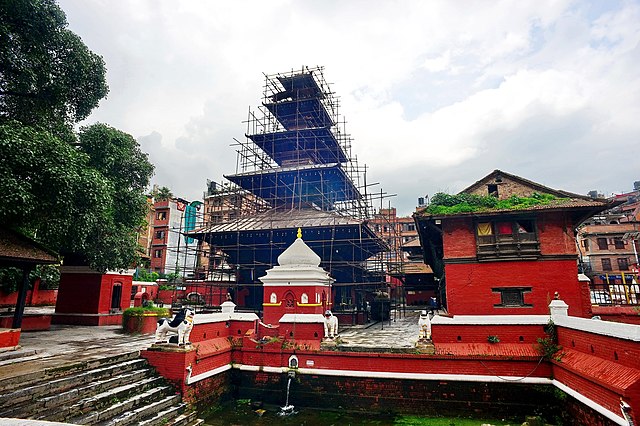
King Yaksha Malla orders famous Kumbeshwar Temple construction.
Nepal
Religion
4 min read
Updated By: History Editorial Network (HEN)
Published:
King Yaksha Malla of Kathmandu issued an order for the construction of Kumbeshwar Temple. The decision was rooted in his devotion to Hinduism and its deities, particularly Lord Shiva, to whom the temple would be dedicated. The site chosen for the temple held religious significance due to longstanding local traditions and beliefs, which the King sought to honor and preserve.
The construction of Kumbeshwar Temple had several implications. It underscored the growing importance of Kathmandu as a spiritual and cultural hub within the region. The temple, which was designed as a five-tiered pagoda structure, became an architectural marvel, highlighting the advanced engineering techniques and artistic skills present in the kingdom at that time.
The project employed numerous local artisans, craftsmen, and laborers, providing them with steady work and contributing to the local economy. As a result, it not only served a religious purpose but also acted as a catalyst for economic activity in the area.
Upon completion, the Kumbeshwar Temple became a focal point for religious ceremonies, festivals, and pilgrimages. It drew devotees from within and beyond the kingdom, bolstering Kathmandu's reputation as a major religious center. The increased influx of pilgrims and visitors led to the growth of ancillary services such as inns, marketplaces, and shops, further stimulating the local economy.
This initiative by King Yaksha Malla also showcased the role of leadership in fostering cultural and spiritual life in the kingdom. The temple stands as a testament to the era's dedication to religious piety and community welfare. It continues to be an essential part of Kathmandu's religious landscape, attracting visitors and worshippers to this day.
Hashtags: #NepalHistory #Religion #CulturalHeritage #MoofLife

Explore the Life Moments of
 AI Twin