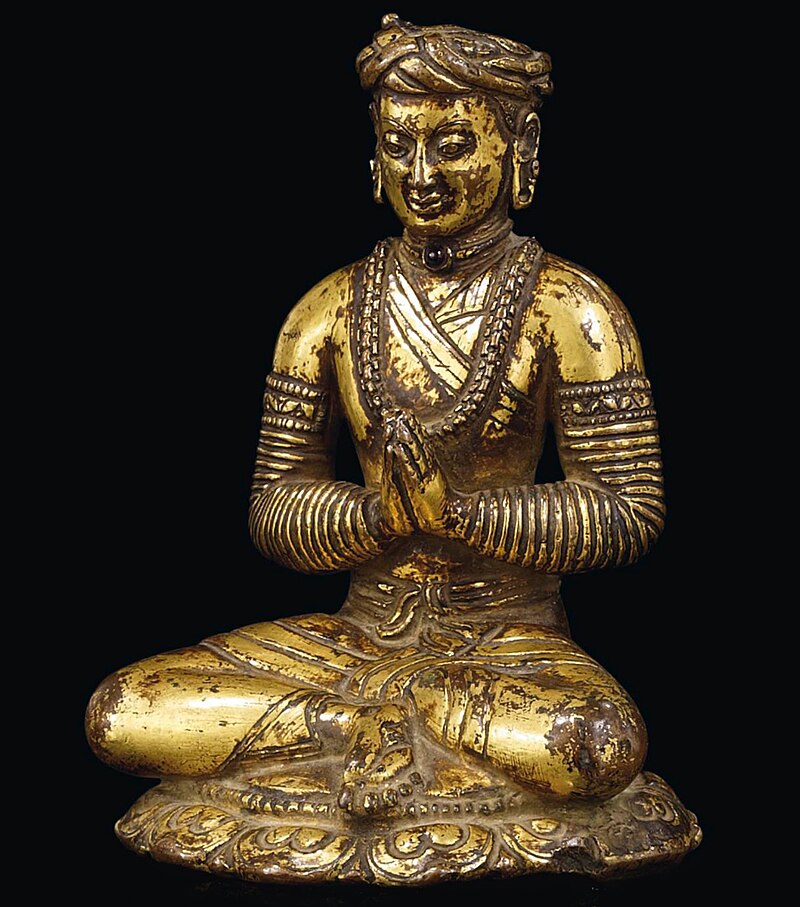
Establishment of Kathmandu by King Gunakamadeva
Nepal

Urban Planning
Cultural Heritage
5 min read
Updated By: History Editorial Network (HEN)
Published:
King Gunakamadeva, a monarch of medieval Nepal, established a new city named Kantipur. The area that would become Kantipur was strategically chosen for its fertile land and strategic location in the Kathmandu Valley. King Gunakamadeva's decision was influenced by the valley's existing prominence as a trade nexus, connecting Tibet, India, and China through the Himalayan mountain passes.
The layout of Kantipur was meticulously planned, adhering to ancient Hindu architectural principles known as Vastu Shastra. The city was designed in the shape of a conch shell, which holds religious significance in Hinduism. At the center, a grand palace complex was erected, surrounded by residential areas, markets, and temples. Notable structures include the Kasthamandap, a wooden pavilion built from a single tree, which served as a community and religious building. The city also hosted numerous stupas, shrines, and water tanks, reflecting the syncretic blend of Hindu and Buddhist practices prevalent at the time.
Economically, Kantipur thrived as it became an integral part of the trans-Himalayan trade route. Markets buzzed with activity, featuring goods ranging from textiles and spices to handcrafted metalwork and jewelry. This commercial vibrancy attracted merchants, artisans, and scholars, transforming Kantipur into a cosmopolitan hub.
The foundation of Kantipur had a lasting impact on the region's cultural and urban development. It set the precedent for the urbanization of the Kathmandu Valley, spurring the growth of other cities such as Patan and Bhaktapur. The city's architectural and cultural landscape reflected a unique blend of art, religion, and commerce, which has continued to shape the identity of modern-day Kathmandu.
Kantipur's establishment under King Gunakamadeva's reign marked a pivotal chapter in Nepal's history. The city not only flourished as a political and economic center but also as a beacon of cultural heritage, laying the groundwork for the Kathmandu Valley's enduring significance.
#UrbanPlanning #MedievalNepal #CulturalHeritage #Kathmandu #TransHimalayanTrade #HistoricalArchitecture #MoofLife
Primary Reference
(PDF) Decoding Myths in the Nepalese Festival of Indra Jatra

Explore the Life Moments of
 AI Twin